Job Interview Hairstyles for a Polished and Professional Look
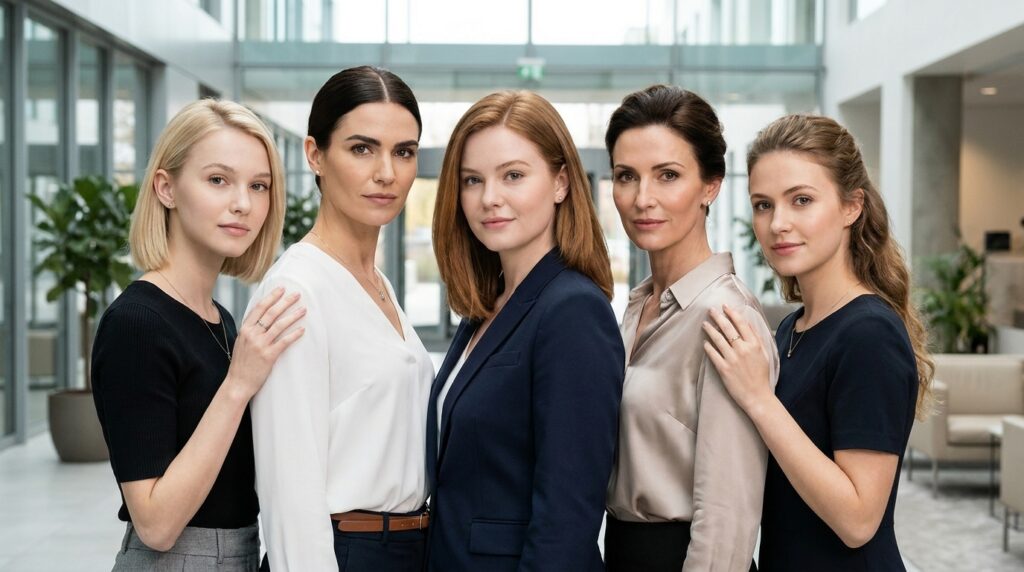
Your hair is not the first thing an interviewer notices, but it is part of the overall impression you make in the first few seconds of walking into a room. It contributes to how put together, confident, and professional you appear before you have said a single word. Getting it right does not mean spending hours on an elaborate style. It means choosing something that looks intentional, stays in place throughout the interview, and does not distract from the most important thing in the room, which is you.
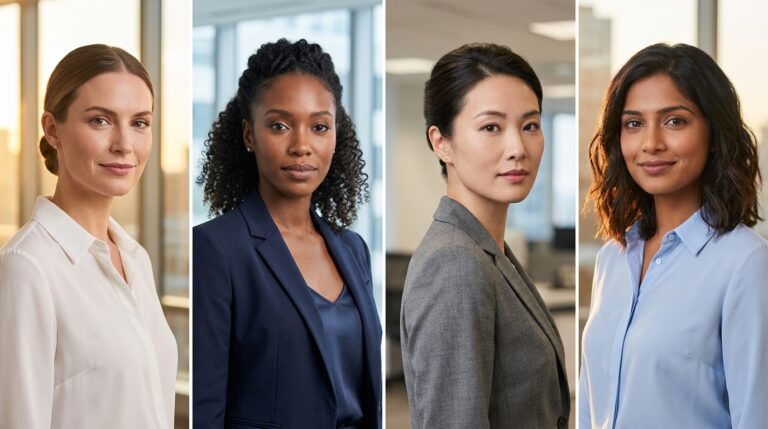
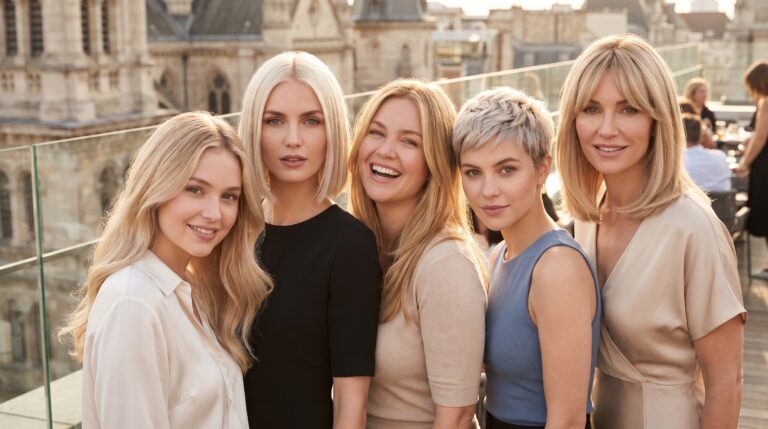
The best interview hairstyles are polished without being stiff, appropriate without being boring, and versatile enough to work across every industry and interview environment. Catch a glimpse of the hairstyles that consistently make the best impression in a job interview, with notes on what makes each one work and how to adapt it for different industries and hair types.
What Your Hair Communicates in an Interview
Your hair communicates things about you before you speak, and understanding what those things are helps you make deliberate choices rather than just hoping for the best. Neat, intentional hair communicates attention to detail, respect for the occasion, and a level of professionalism that interviewers notice even when they are not consciously looking for it. Hair that looks unstyled, unkempt, or like it was not given any thought communicates the opposite. This does not mean your hair needs to be severe or corporate. It means it needs to look like you made a considered choice about it rather than leaving the house without thinking about it at all.
The industry context matters significantly. A law firm, a creative agency, and a tech startup all have different norms around professional appearance, and the hair that reads as polished and appropriate in one environment can feel stiff and out of place in another. The sleeker, more structured options in this guide suit conservative industries. The more relaxed, textured options suit creative and casual environments. When in doubt, err on the side of more polished rather than less. You can always loosen up your style once you know the culture of a workplace.
Sleek Low Bun
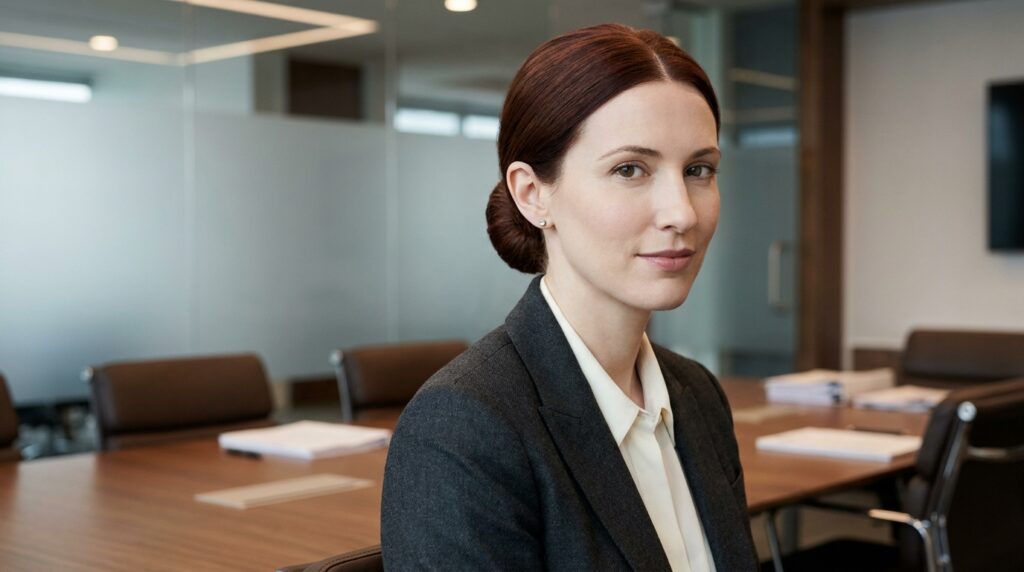
The sleek low bun is the single most universally appropriate interview hairstyle across every industry and hair length past the shoulders. It keeps all the hair completely off the face and neck, reads as deliberately professional from every angle, and requires no heat styling beyond the smoothing step. The key to making a low bun look polished rather than hasty is using a boar bristle brush and a small amount of smoothing serum to eliminate surface frizz before gathering the hair. Securing the bun with bobby pins rather than just an elastic creates a neater, more structured result. A few drops of shine serum pressed gently over the finished bun gives it a glossy, well-maintained appearance that elevates the overall look significantly.
The French Twist
The French twist is one of the most elegant and timeless interview hairstyles available and it has a quiet authority that suits formal and senior-level interviews particularly well. It involves gathering the hair at the back of the head, twisting it upward, and tucking the ends into the twist to create a sleek vertical roll at the back. It works best on straight and wavy hair where the smooth surface is easiest to achieve. After a few practice runs it becomes a reliable style that can be executed in under ten minutes. A French twist communicates a level of grooming effort that reads as respectful of the occasion. It is one of the few hairstyles that genuinely looks more professional the more formal the interview environment is.
Polished Ponytail
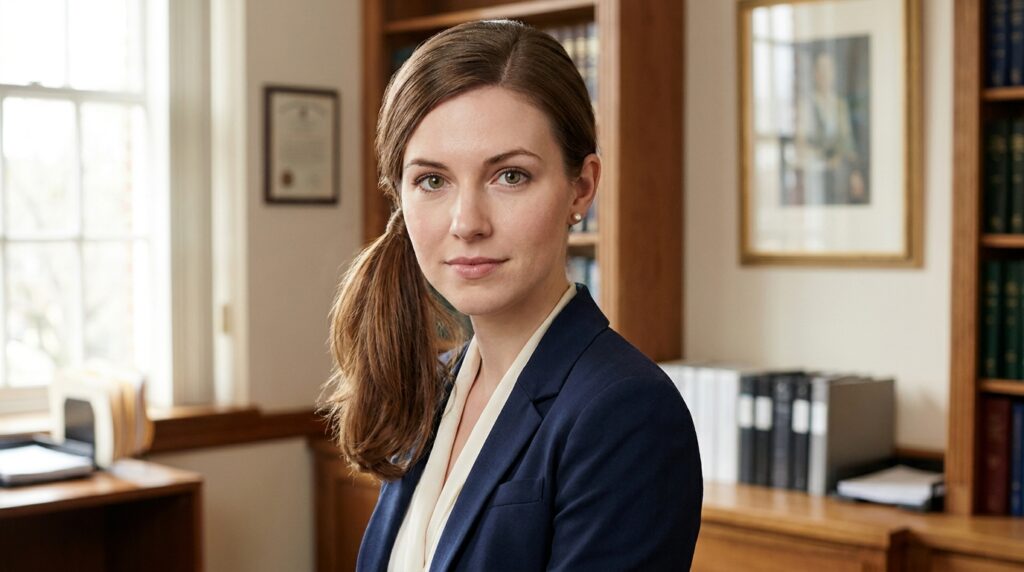
A polished ponytail is one of the fastest and most reliable interview hairstyles for women who want something professional without the complexity of an updo. The distinction between a polished interview ponytail and a casual everyday one comes down to three details. First, the hair is smoothed thoroughly with a brush and serum before gathering to eliminate frizz and flyaways. Second, a small section of hair is wrapped around the elastic and pinned underneath to conceal it completely. Third, the ponytail is positioned at a mid-height rather than very high or very low, which reads as the most universally professional option. A light mist of hairspray after finishing keeps the surface sleek throughout the interview without making the hair look stiff.
The Chignon
This is a low, smooth bun at the nape of the neck and it has an understated elegance that makes it one of the most appropriate interview hairstyles for formal and conservative industries. Unlike a higher bun, the chignon sits below the skull rather than on top of it, which creates a clean silhouette from the front and a polished, refined detail from the back. On hair from shoulder length downward, the chignon is created by gathering the hair into a low ponytail, twisting it around the base, and securing with pins. The smoother the surface of the hair, the more formal and deliberate the chignon appears. A small decorative pin or barrette at the side of the chignon adds a subtle detail that makes the style look more intentional without being distracting.
Curtain Bangs With a Low Style

Curtain bangs paired with a low bun, chignon, or ponytail is one of the most flattering interview combinations available because the bangs frame the face and draw attention to the eyes while the low style keeps everything else clean and contained. The curtain bangs add a face framing detail that makes the overall look feel more styled and considered than a plain low bun without bangs. They suit almost every face shape, which makes this combination broadly flattering. The key for an interview is ensuring the bangs are freshly blow-dried so they fall smoothly to each side of the face. A small amount of smoothing serum or light hold spray applied to the bangs after blow drying keeps them from shifting or frizzing throughout the interview.
Blowout Worn Down
A well executed blowout worn down is a strong interview hairstyle for most industries and communicates a level of grooming effort that reads as professional without looking overly corporate. The volume at the roots and the smooth, slightly curved ends of a blowout give the hair a polished, healthy appearance that distinguishes it clearly from unstyled hair. A blowout worn down suits industries like fashion, marketing, media, and creative fields where a full updo might feel too stiff or formal. In more conservative environments a blowout is best paired with a sleek side part or directed away from the face rather than left with the hair falling forward. A light hold hairspray applied after finishing keeps everything in place through the interview.
Half-Up Style
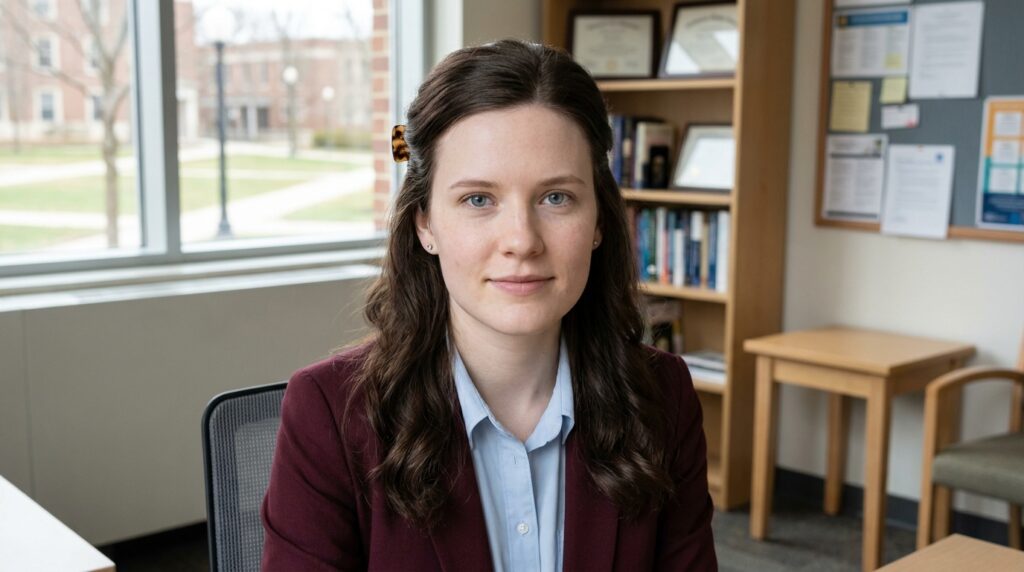
A polished half-up style is a strong interview choice for women who want something between a full updo and wearing the hair completely down. Gathering the top section smoothly and securing it with a small barrette or fabric-covered elastic keeps the hair away from the face during the interview while still showing the length and texture of the hair below. The polished version for an interview involves smoothing the top section back cleanly before securing rather than gathering it loosely. A half-up with a small twist in the secured section adds visual detail that elevates the style beyond a basic half ponytail. This style works for most industries and is particularly appropriate for roles in education, healthcare, and customer-facing environments where a warm but professional appearance is important.
Natural Curly Hair in an Interview
Natural curly and coily hair is completely professional and appropriate in any interview environment, and the key is ensuring the curls are defined and frizz-free rather than undefined and puffy. A well-executed wash and go with curl cream applied to soaking wet hair and diffused until dry produces defined, frizz-free curls that look deliberate and polished. A twist out or braid out creates uniform curl definition that looks particularly neat and intentional. A half-up style on defined natural curls is a strong interview option because it keeps the hair away from the face while showcasing the natural texture beautifully. Anti-humidity spray applied after styling helps curls maintain their definition throughout the length of the interview without becoming frizzy.
Sleek Side Part
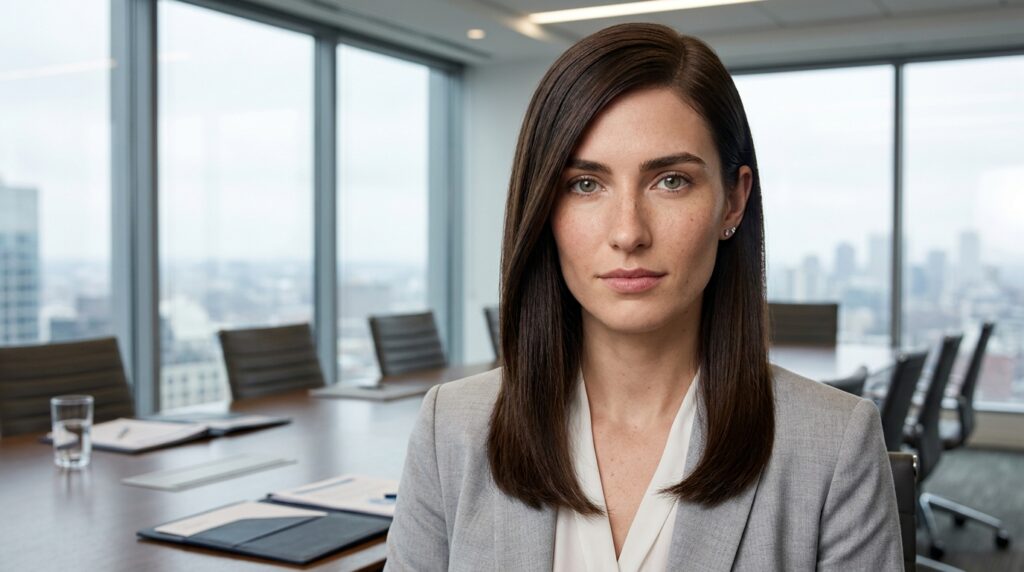
A sleek side part worn with the hair down or in a low style is one of the simplest and most effective ways to make any hairstyle look immediately more polished and interview-appropriate. Moving the parting to one side creates asymmetry and intentionality that a center part or natural part does not always communicate. A fine-tooth comb and a small amount of smoothing cream create a precise, defined part that holds its position throughout the interview. On straight and wavy hair the sleek side part gives the hair a clean, structured quality that reads as professional in most environments. Paired with a low bun or ponytail, the sleek side part adds a detail that makes the overall look feel more considered and deliberate.
Professional Pixie for Interviews
A well-maintained pixie cut is one of the most inherently interview-ready hairstyles because it requires almost no styling to look polished, intentional, and professionally groomed. The emphasis is on well-maintained. A pixie that has grown beyond its ideal shape starts to look unintentional rather than deliberate, which is why getting a trim one to two weeks before an important interview is worth the effort. A small amount of pomade or texturizing cream worked through with the fingertips gives the pixie a clean, defined finish. A side-swept detail at the front adds a face-framing element that looks more considered in a professional context. The pixie suits bold, confident women in any industry and communicates a level of self-assurance that more conservative styles do not always project.
Interview Hair for Different Industries
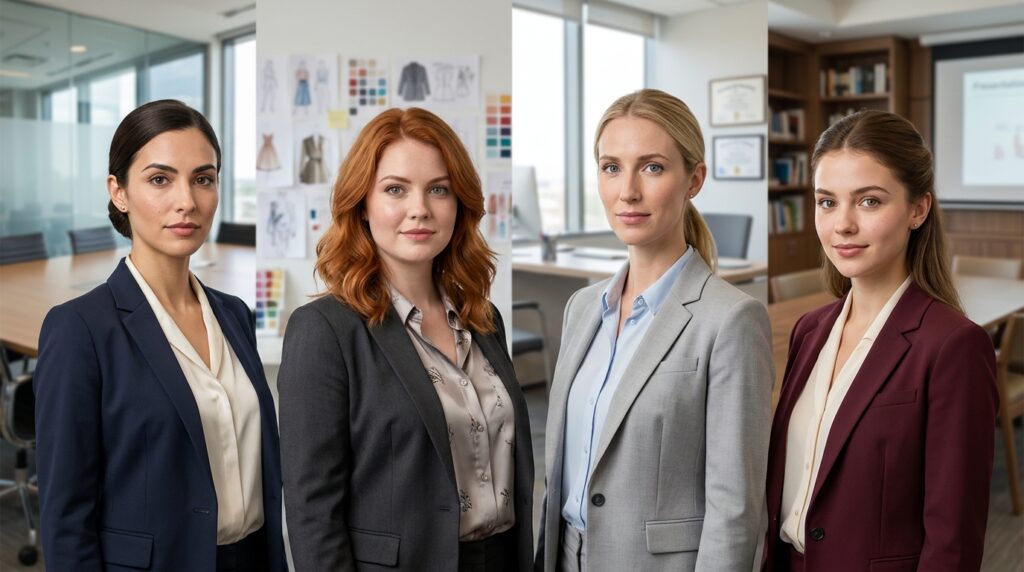
Understanding the norms of the industry you are interviewing for helps you choose a style that fits the environment rather than standing out for the wrong reasons. For finance, law, and banking the most conservative options, including the sleek low bun, French twist, and chignon, are the safest and most appropriate choices. For healthcare and education a polished ponytail, half-up style, or neat blowout communicates professionalism while remaining approachable. For creative industries including marketing, design, and media a textured blowout, natural curly style, or polished half-up allows more personality while still looking considered. For tech startups a neat blowout or polished ponytail strikes the right balance between professional and relaxed. When genuinely unsure about the culture of an organisation, defaulting to a slightly more polished option than you think is necessary is always the safer choice.
What to Avoid in an Interview
Certain styling choices are worth reconsidering specifically for interview contexts because they can send unintended signals or become a distraction during the interview itself. Very elaborate or heavily styled hair that looks like it took a significant amount of time and effort can read as misplaced priorities in a conservative environment. Very casual or unstyled hair that looks like no thought was given to it can communicate a lack of attention to detail. Hair that constantly falls into the face during the interview requires repeated adjustment, which is distracting and communicates nervousness. Very strong or heavily scented hair products can be overwhelming in a small interview room and are worth avoiding. The goal is hair that you forget about completely once you are in the room because it is sitting exactly where it should be.
Low Ponytail With a Twist
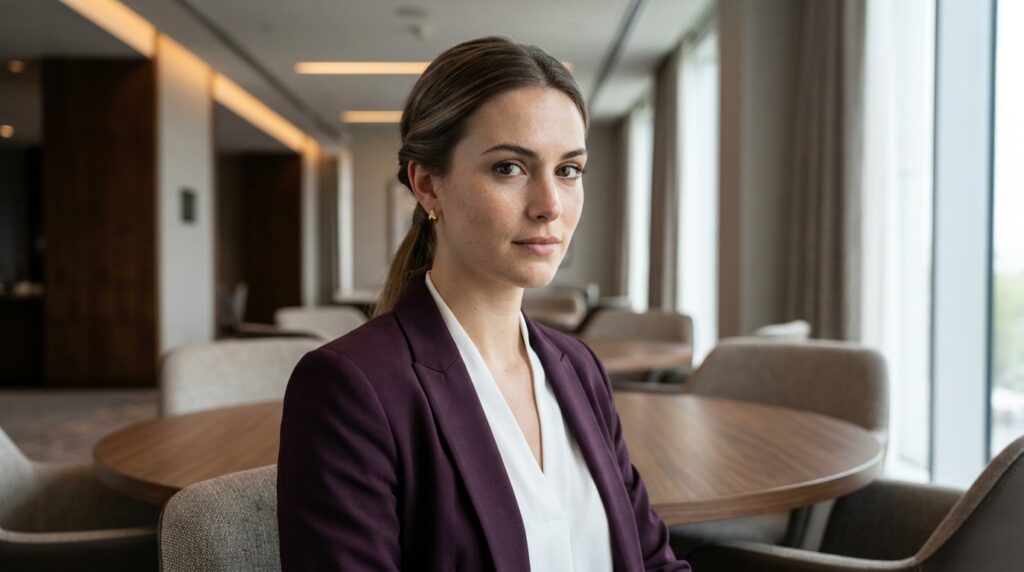
The low ponytail with a twisted detail is a step up from a basic low ponytail and it reads as considerably more intentional and styled without adding meaningful time or complexity. Gather the hair into a low ponytail at the nape of the neck, then divide the ponytail into two sections, cross them over each other once, and secure with a second elastic below the twist. The result is a simple knotted detail at the base that creates visual interest and gives the style a more deliberately crafted appearance. Alternatively, twisting the entire length of the low ponytail once before securing creates a similar effect. Both variations of the twisted low ponytail work across straight, wavy, and even lightly curly hair and suit every face shape. They are particularly effective for women who find a plain low ponytail too simple but are not comfortable with a full updo for an interview.
Pre-Interview Hair Preparation
Getting your interview hair right starts the night before rather than the morning of, and a small amount of preparation makes the morning routine significantly less stressful. Washing the hair the evening before rather than the morning of the interview means the hair has time to settle into a more manageable state. Freshly washed hair, particularly fine hair, can be too slippery for updos and ponytails to hold well. Second-day hair has natural texture and grip that makes most interview styles easier to execute and longer lasting. Laying out all products and tools the night before eliminates the frantic searching that causes morning stress. Doing a practice run of the chosen style at least two days before the interview means you already know how long it takes and how it behaves, which removes the uncertainty on the day itself.
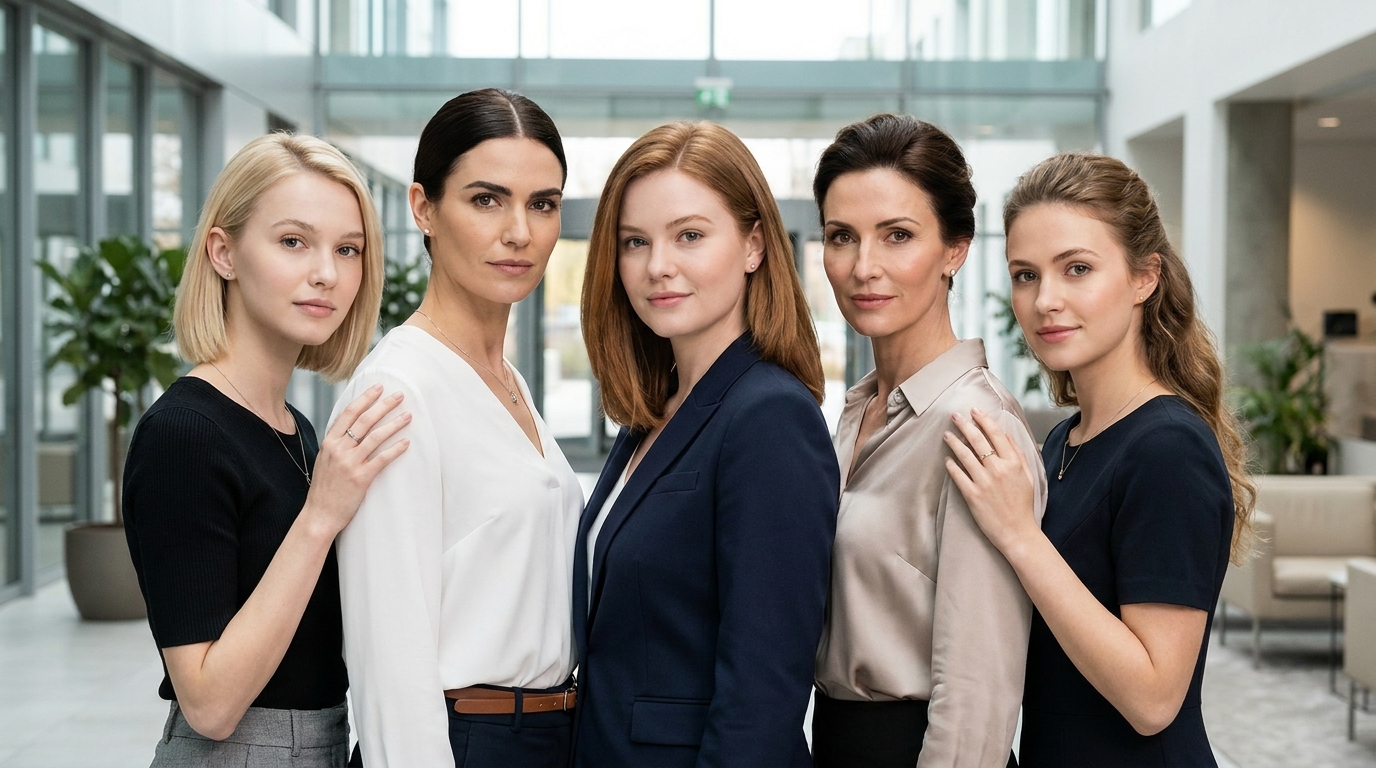
In case you get hired, you can use these professional looking hairstyles for a flattering look at your workplace.