Trendy Winter Hairstyles For Women That Elevate Looks, According To Stylists
Winter is genuinely one of the harder seasons for hair. The combination of cold dry air outside and heated air inside strips moisture from the hair shaft, which leads to frizz, static, breakage, and a general dullness that summer hair never quite has. Add hats, scarves, and high collars into the mix and you have a season that actively works against most hairstyles the moment you step outside.
The best winter hairstyles are the ones that account for all of this. They work with the seasonal conditions rather than fighting them, stay intact despite the hat hair effect, protect the hair from the elements where possible, and still look intentional and stylish when you arrive at your destination.
Why Winter is Hard on Hair

Winter hair challenges come from two directions simultaneously and understanding both helps you make smarter decisions about styling and hair care throughout the season. Cold outdoor air is extremely dry and strips moisture from the hair every time you go outside without protection. Heated indoor air compounds this by further drying the hair shaft, creating a cycle of dehydration that makes hair brittle, dull, and prone to breakage. Static electricity, which builds up when dry hair rubs against synthetic fabrics in hats and scarves, is frustrating in winters and one that the right hairstyle choices can reduce to some extent. Knowing these conditions are working against your hair means you can choose styles that minimize their impact rather than styles that make them worse.
The Low Bun as an Elegant and Practical Winter Hairstyle for Women
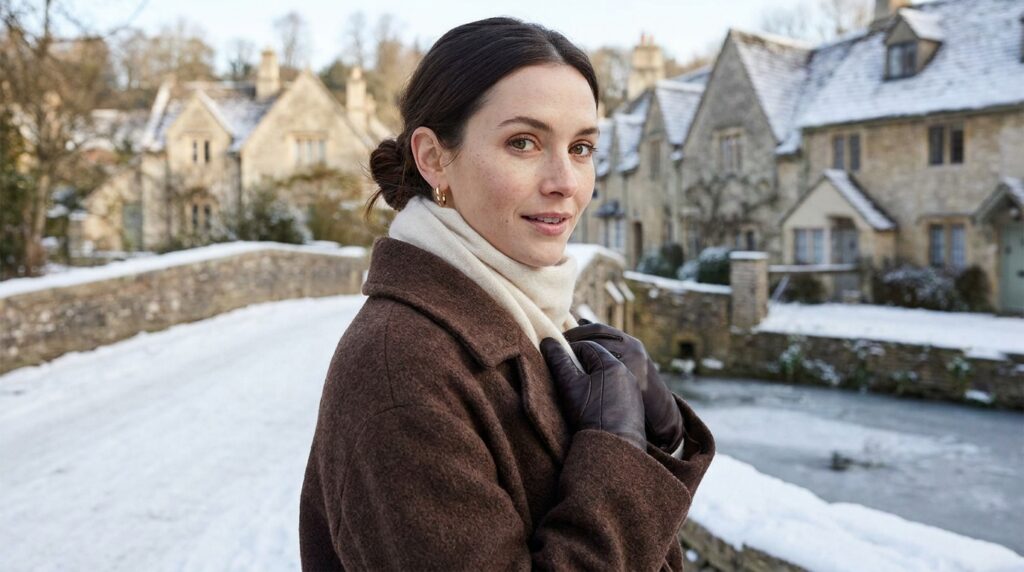
A practical hairstyle for winters because it tucks the ends of the hair away from the elements and sits low enough at the nape to fit comfortably under most winter hats without being disrupted. The ends of the hair are the oldest, driest, and fragile part and tucking them into a bun protects them from the cold, dry air and from the friction of scarves and coat collars. A loose, slightly undone low bun has a cozy, relaxed quality that suits the winter aesthetic beautifully. A smoother, more structured low bun works for professional and formal winter occasions. Both interpretations protect the hair while looking intentional. Adding a few face-framing pieces softens the style and prevents it from looking too severe in the colder months.
Braided Bun for a Stylish Winter Hairstyle That Keeps Hair Secure
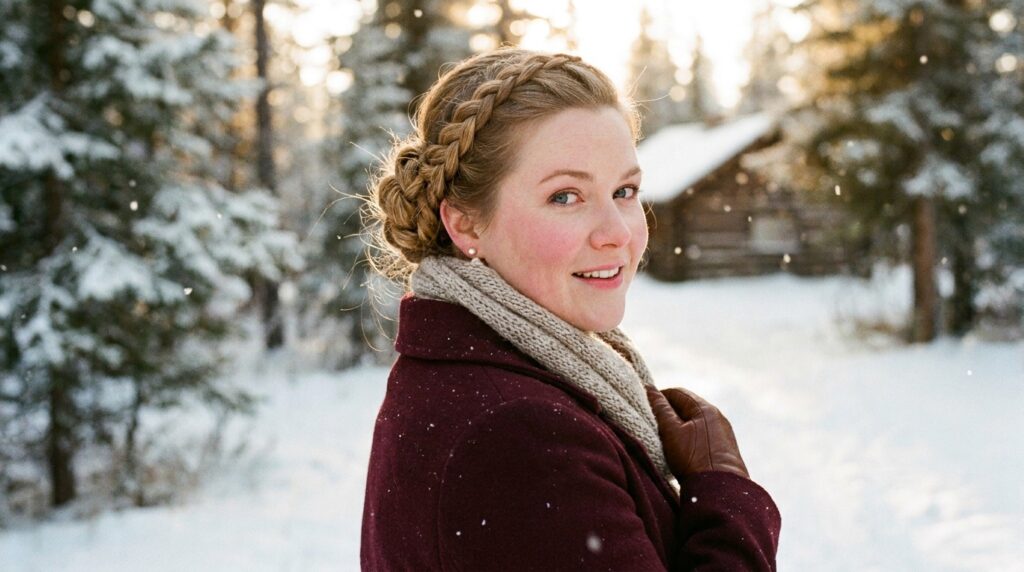
The braided bun combines the protective qualities of a bun with the visual interest of a braid and it is one of the most elegant low-effort winter styles available. Gather the hair into a low or mid ponytail, braid the length, and then wrap the braid around the base and secure with bobby pins. The result is a bun with a textured, woven surface that looks considerably more detailed than a simple twisted bun without adding significant time. On second-day winter hair, which tends to have natural texture from dryness, the braided bun holds well and the texture of the hair works in its favor rather than against it. The braided bun also fits beautifully under a winter hat and springs back to its shape when the hat is removed, which a loose ponytail or blowout does not.
French Tuck Braid for an Effortless and Trendy Winter Hairstyle
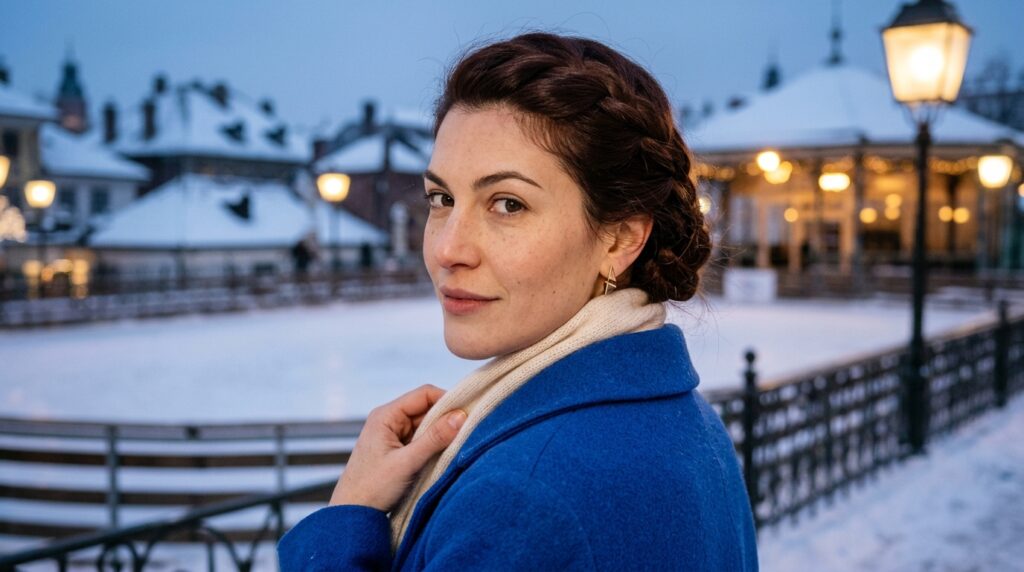
Worn close to the scalp, the French tuck braid is an ideal and protective hairstyle for winter. It keeps the hair flat against the head and shields both the hair and scalp from the harsh combination of cold air and wind. A single Dutch braid down the center back or a French braid starting at the crown and finishing at the nape keeps everything contained and flat. This makes it one of the most hat-friendly hairstyles available because it creates no additional volume or bulk that would be flattened or disrupted by wearing a hat. When the braid is removed after a day of wear it leaves behind a beautiful wave pattern in the hair, which means the style keeps working for you even after it is taken down. On straight hair this wave effect is a particular bonus in winter when creating texture without heat is desirable.
Protective Updo for Keeping Hair Neat and Styled Throughout Winter

These updos that tuck the ends of the hair are beneficial for winter because they minimize exposure of the hair to cold air, wind, and friction from winter clothing. A chignon, a French twist, a pinned updo, or any style that fully contains the length and ends of the hair keeps the most fragile parts of the hair from being exposed to the elements throughout the day. For women who wear hats regularly, a low or mid-height updo that sits below the hat line is more practical than a high bun that gets compressed and flattened. Applying a small amount of hair oil to the ends before pinning them into an updo adds a layer of moisture protection that the cold dry air cannot strip as easily when the ends are tucked away.
Half-Up Twisted Hairstyle for an Easy and Feminine Winter Look
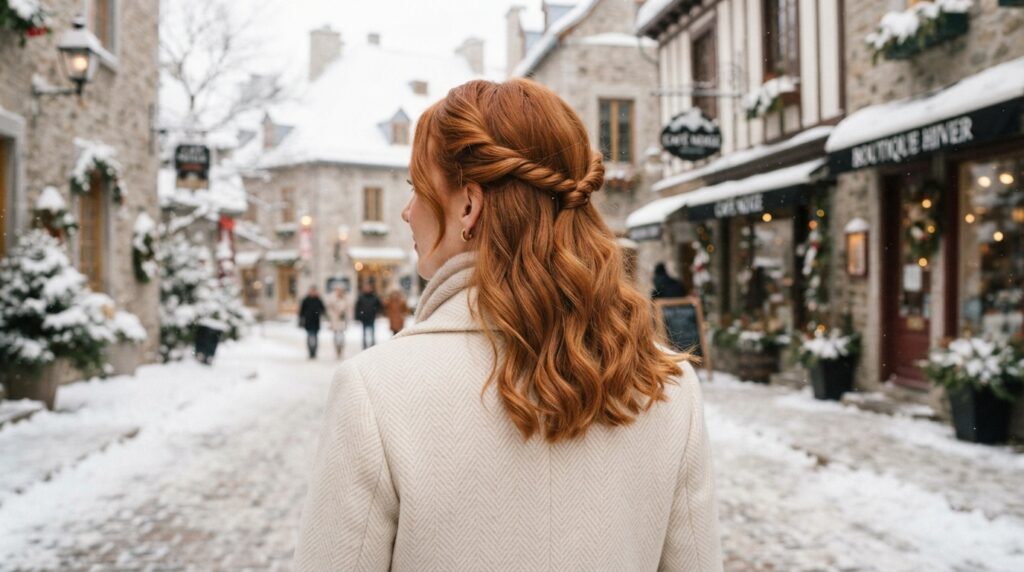
The half-up twisted style offers a balance between protection and wearing the hair down, and it suits almost every hair type and length from chin-length to very long. Taking the top sections of the hair and twisting them back before securing with a barrette or pins keeps the front of the hair off the face and away from the wind while leaving the remaining length down and visible. On winter days when the hair has developed static or frizz from the dry air, gathering the problematic sections into the twisted top portion hides the worst of the static while the smoother underlayers hang down naturally. A half-up twisted style is also quick enough to execute that it works as a practical everyday winter style rather than just an occasional styled look.
Curtain Bangs and Winter Hairstyles That Frame the Face Beautifully
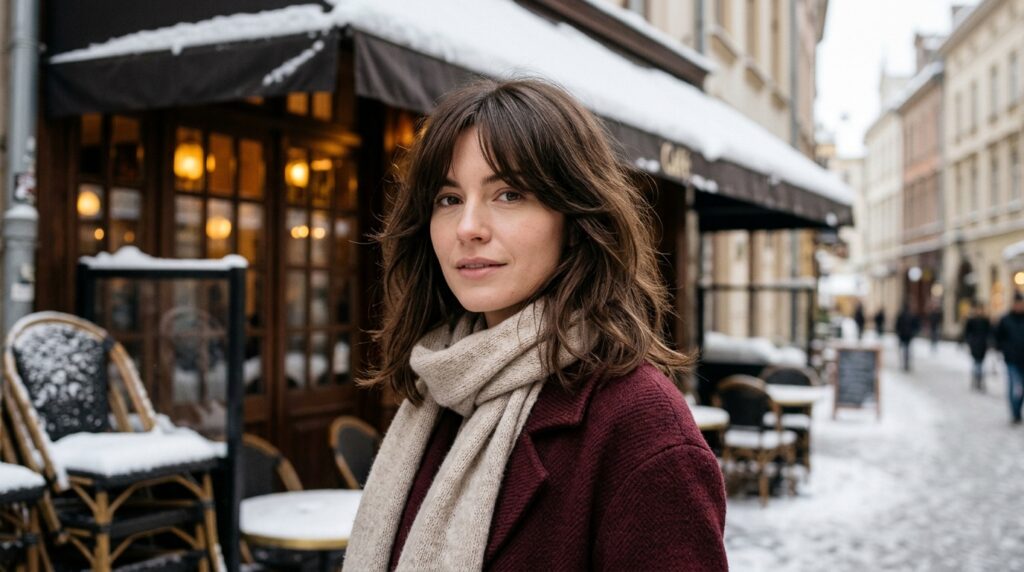
These type of bangs are a particularly good winter addition to any hairstyle because they frame the face in a way that creates warmth and coverage around the forehead without requiring a hat. On cold days when wearing a hat is not practical, curtain bangs create the impression of a slightly more covered, protected face by framing the forehead and drawing the hair forward around the face. They also add a seasonal softness to winter looks that suits the cozy, layered quality of winter fashion. Blow-drying curtain bangs with a round brush and directing them to each side of the face gives them the smooth, shaped quality they need to stay in place in wind and cold. A light hold spray over the finished bangs prevents them from lifting in the wind.
The Sleek Low Ponytail for a Polished and Weather-Friendly Winter Hairstyle

A reliable winter style because it keeps the hair off the shoulders, where it would rub against coat collars and scarves and cause static and breakage. The key for winter specifically is keeping the ponytail low at the nape rather than mid or high, which fits under winter hats without creating a bulge. Applying a small amount of anti-static serum or a dryer sheet run lightly over the surface of the hair before gathering the ponytail significantly reduces the static buildup that winter clothing causes. A fabric-covered elastic rather than a standard hair tie prevents the friction and breakage that repeated daily ponytail wearing causes.
Classic Bob Haircut as a Timeless and Trendy Winter Hairstyle for Women

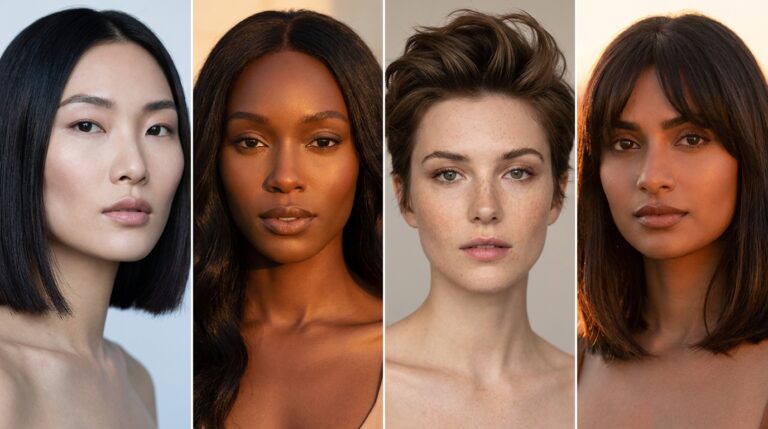
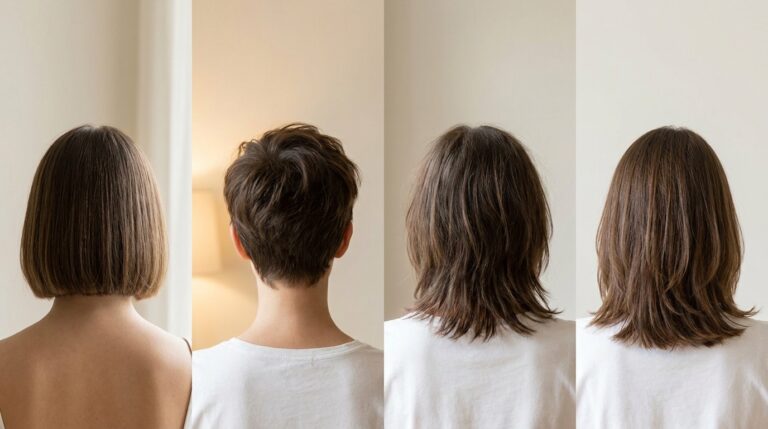
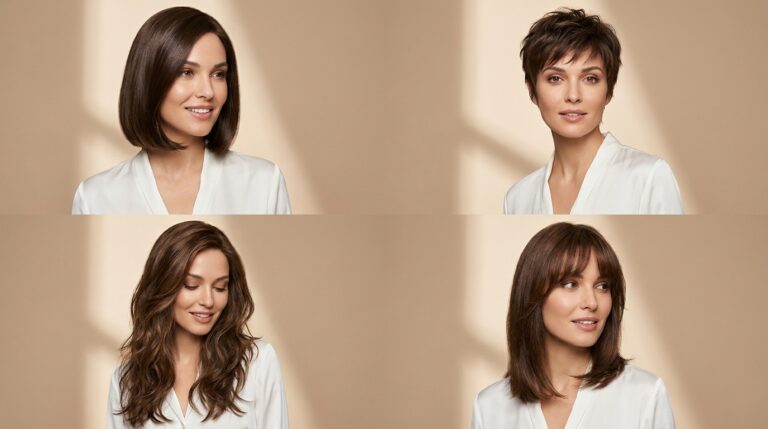
One of the most seasonally appropriate haircuts for winter because the length sits above the shoulders. This eliminates the constant friction between the hair and coat collars that longer hair experiences. Long hair rubbing against wool, fleece, and synthetic coat collar fabrics throughout a winter day causes significant frizz, static, and mechanical breakage over time. A bob haircut sits clear of all of this and hangs freely regardless of what you are wearing around your neck. A blowout on a bob in winter has excellent staying power because the shorter length is less susceptible to the humidity-related frizz that longer hair experiences. The bob also fits neatly under a beanie or winter hat without creating the awkward volume issues that longer hair does.
Space Buns for a Playful and Fashionable Winter Hairstyle
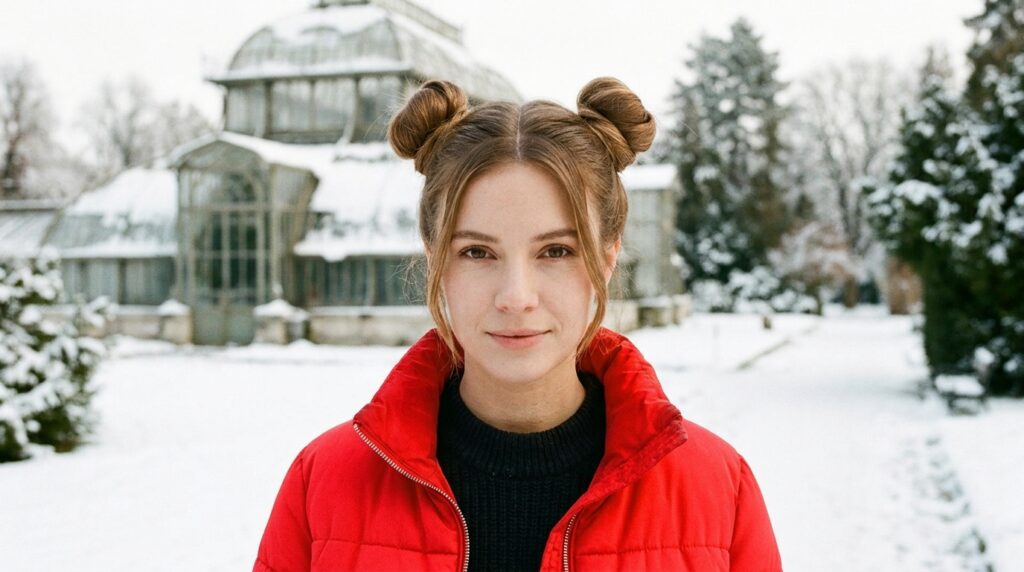
Space buns are a surprisingly practical winter style because the two compact buns on either side of the head fit neatly under a beanie hat and spring back to a recognizable shape when the hat is removed. This makes them one of the most hat-compatible styles for women who spend a lot of time moving between outdoors and indoors in winter. They also tuck the length and ends of the hair completely away from the cold air and from friction with scarves and coats, which is protective for the hair over the course of a full winter day. On second-day winter hair with natural texture and some static, space buns actually hold better than they do on freshly washed hair because the texture gives them more grip.
Protective Styles for Natural Hair in Winter
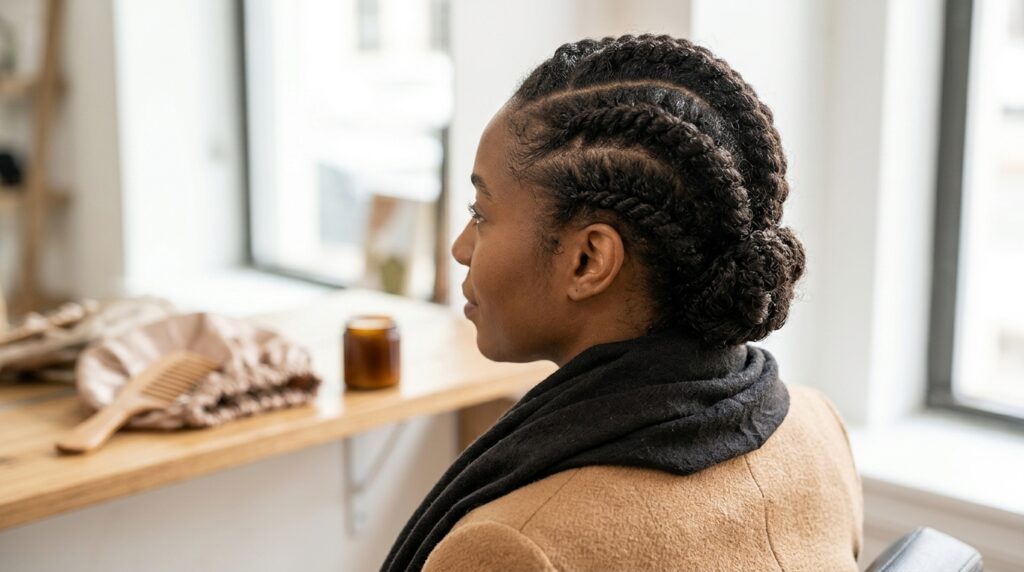
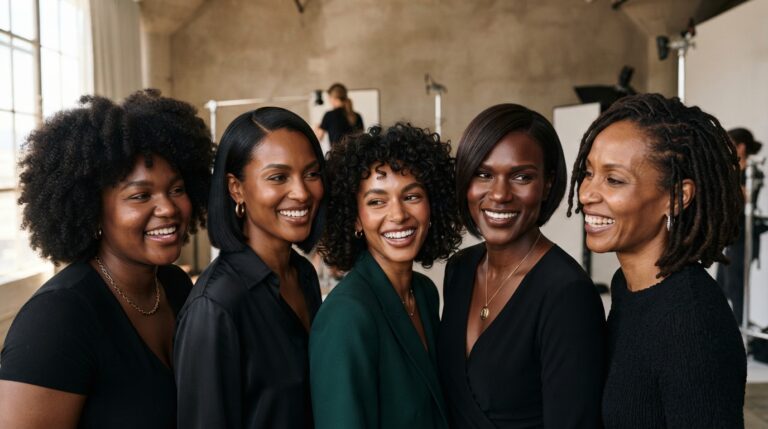
Winter is one of the most important seasons for women with natural and coily hair to be deliberate about protective styling because the cold dry air depletes moisture from coily hair more rapidly than from any other hair type. Box braids, twists, cornrows, and other protective styles that tuck the ends away and reduce daily manipulation are the most beneficial winter hairstyles for natural hair. They retain moisture, minimize the breakage that cold air and friction cause, and eliminate the need for daily styling that exposes the hair to heat and manipulation. Sealing the hair with a butter or oil before installing any protective style creates a moisture barrier that helps the hair retain hydration throughout the cold months. A satin-lined hat or bonnet worn over a protective style provides additional moisture protection during outdoor exposure.
Twisted Rope Braid for an Elegant and Easy Winter Hairstyle

The rope braid is a fast and visually striking winter style that works on straight, wavy, and even lightly curly hair and creates a braid-like appearance without requiring braiding technique. Divide the hair into two sections, twist each section tightly in the same direction, then wrap the two twisted sections around each other in the opposite direction and secure with an elastic. The twisted structure of the rope braid makes it significantly more static-resistant than a loose ponytail or blowout because the hair is contained and has less surface area exposed to the air and to friction with clothing. Pulling the sections apart slightly after securing creates a fuller, more relaxed result. Worn over one shoulder the rope braid has a romantic, cozy quality that suits winter styling beautifully
How to Manage Hat Hair Without Losing Your Winter Hairstyle
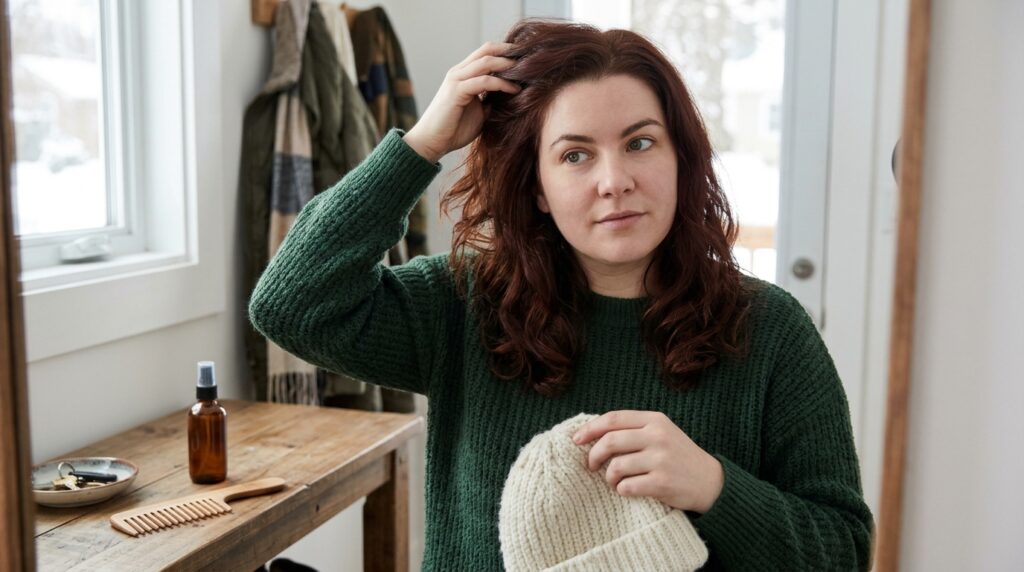
Hat hair is a universal winter styling frustrations and choosing hairstyles that work with hats rather than against them makes the season significantly more manageable. The styles that survive hats best are low buns, braids, and low ponytails that sit below the hat line and are not disrupted by the hat being placed over them. High buns and high ponytails that sit within the hat create compression and distortion that is difficult to fix once the hat is removed. Applying a small amount of volumizing powder or dry shampoo at the roots when removing a hat adds instant lift that counteracts the flattening effect. Keeping a small bottle of anti-frizz serum in your bag allows for a quick touch-up to the surface of the hair when arriving at a destination after wearing a hat outdoors.
Winter Hair Care Tips to Keep Every Hairstyle Looking Its Best
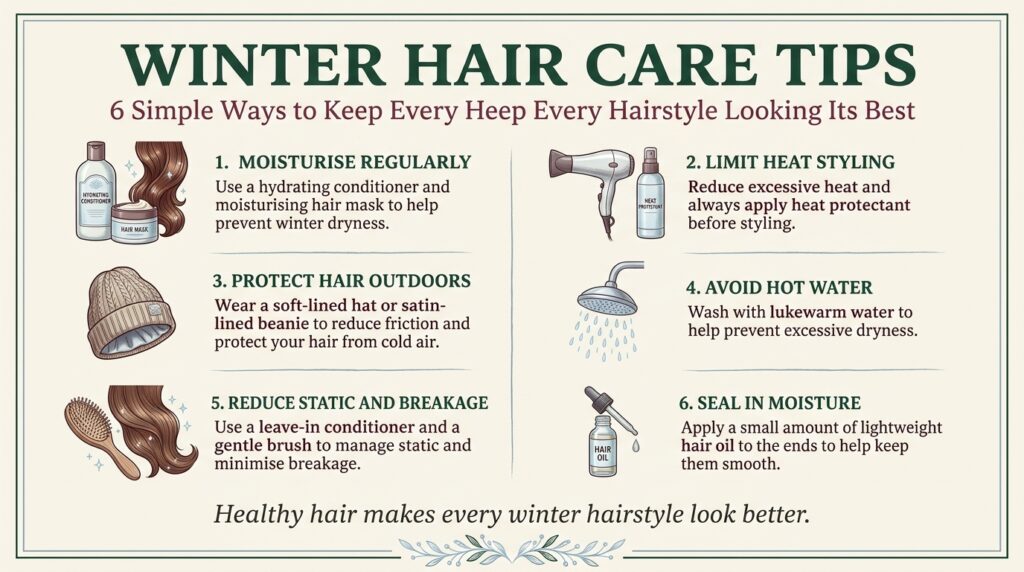
The condition of your hair affects every winter hairstyle, and a few consistent care habits make a noticeable difference to how the hair looks and behaves throughout the coldest months. A weekly deep conditioning treatment or hair mask applied from the mid-lengths to the ends replenishes the moisture that cold air and heated indoor air strip from the hair. A leave-in conditioner applied to damp hair before styling creates a base layer of moisture that helps the hair resist the dehydrating effects of winter air throughout the day.
An anti-static spray or a small amount of hair oil applied to the surface of dry hair before going outside significantly reduces the static buildup that winter clothing causes. Trimming the ends every eight to ten weeks removes the dry, split ends that become more apparent and more damaging in winter conditions. Using a silk or satin pillowcase overnight reduces the friction and moisture loss that cotton pillowcases cause, which is particularly important in winter when the hair is already more dehydrated than it would be in warmer months.
If you love experimenting with different hairstyles, explore these beautiful braided hairstyle ideas for more inspiration and fresh ways to style your hair.