Bob Hairstyles for Women That Make a Stylish Statement
If you think you know the bob, think again. What started as a single, no nonsense cut has split into more than a dozen distinct variations, each suited to a different face shape, hair texture, and personality. Some are sleek and architectural. Others are soft, lived-in, and barely there in terms of daily effort. That’s the real appeal of the bob. It’s not one haircut, it’s a whole category.
Change the length by an inch, add or remove layers, angle the line front to back, or let it air dry instead of straightening it, and you’ve essentially got a different haircut, with a different name and a different maintenance routine. That’s why “I want a bob” can mean fifteen completely different things to fifteen different stylists.
Below, we’re breaking down some popular bob styles. What makes each one different, how it’s typically cut, who tends to suit it, and roughly how much upkeep to expect. Whether you’re walking into a salon for the first time or just trying to figure out what to call the cut you’re dreaming of, this should help you find the words, and the look.
Classic Bob
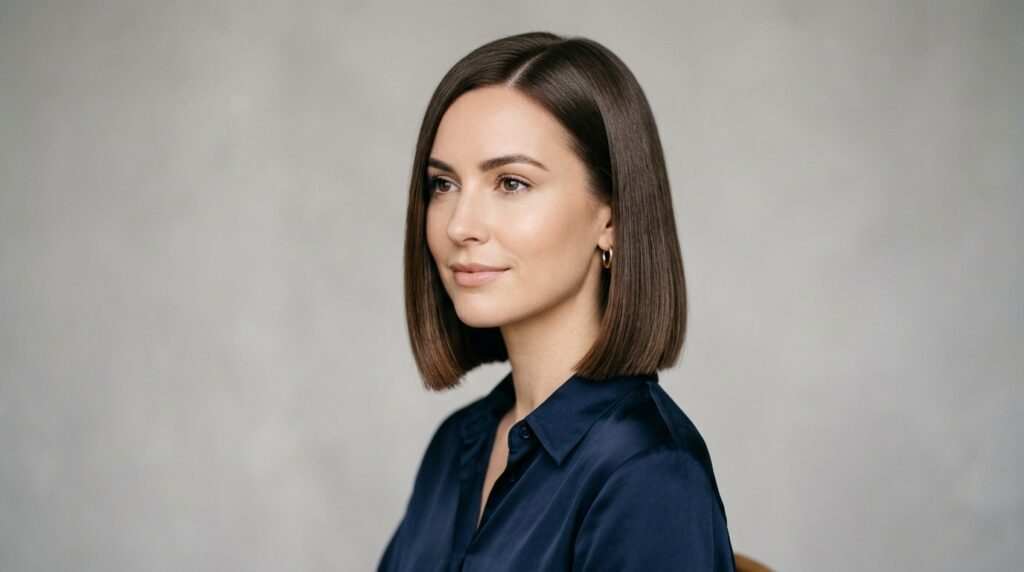
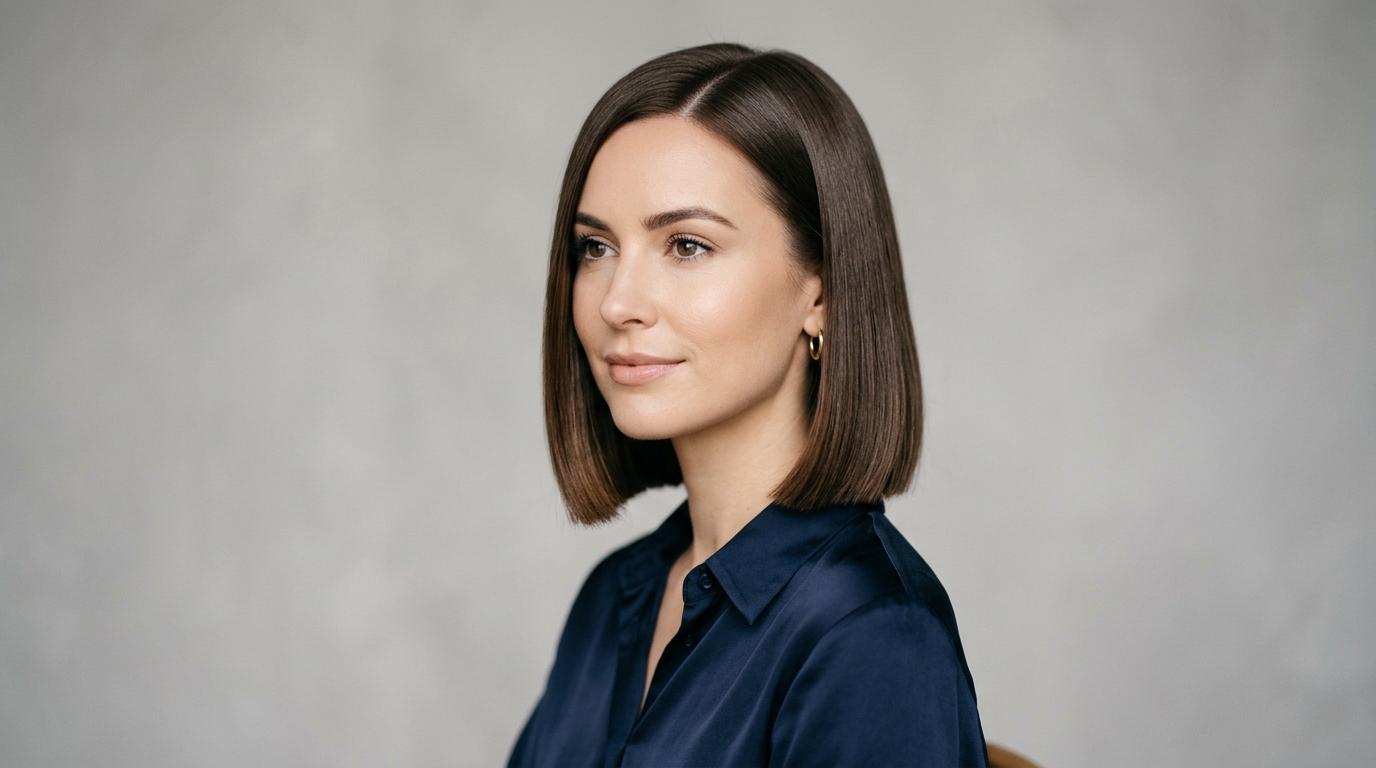
Hair cut straight across at jaw length, with no layers and a clean, rounded silhouette that follows the natural curve of the head. There’s nowhere for the cut to hide, so it looks best on healthy, smooth hair and needs a trim every six to eight weeks to keep its line crisp.
Best for: Anyone who wants a low maintenance daily routine that still looks polished, especially with straight or only slightly wavy hair.
French Bob
Think Parisian café, not boardroom. This style sits at chin length or just above, usually with soft, wispy bangs and a relaxed, “I didn’t try too hard” finish, often achieved with a razor rather than blunt scissors to soften the ends.
Best for: Anyone chasing an off duty, undone vibe. It suits oval and heart-shaped faces especially well, drawing attention up toward the cheekbones.
Layered Bob

Shorter layers underneath and longer pieces on top create texture and bounce instead of one flat, blunt edge. It’s a popular fix for hair that looks heavy or limp at a single length, since removing weight strategically can make the same amount of hair feel lighter and more dynamic.
Best for: Fine or thin hair that needs the illusion of volume and movement, and rounder face shapes that benefit from added angles near the jaw.
Blunt Bob
One straight, unbroken line with no layering or softening. A crisp, graphic edge that looks almost sculptural when it’s done well. It’s technically demanding to cut, since there’s no layering to disguise unevenness, and it shows growth more visibly than softer styles, so regular trims matter here more than with most other bobs.
Best for: Thick, healthy hair with enough density to hold a strong shape, and anyone who wants their hair to look bold and intentional.
Textured Bob

The same general shape as a classic bob, but the ends are broken up with point cutting or razoring for a tousled, undone finish. The irregular ends hide small imperfections and stray growth better than a blunt edge does.
Best for: Anyone who wants a low fuss, beachy feel without committing to heavy layers, great for humid climates or low maintenance routines.
Curly Bob
Cut specifically with curls in mind, almost always dry and curl by curl, so each curl falls into a balanced shape rather than fighting the cut as it dries and springs up. It’s a meaningfully different process from cutting a bob on straight hair, since curls behave unpredictably when wet.
Best for: Naturally curly or coily hair types, seek out a stylist with specific curly cutting experience.
Inverted Bob
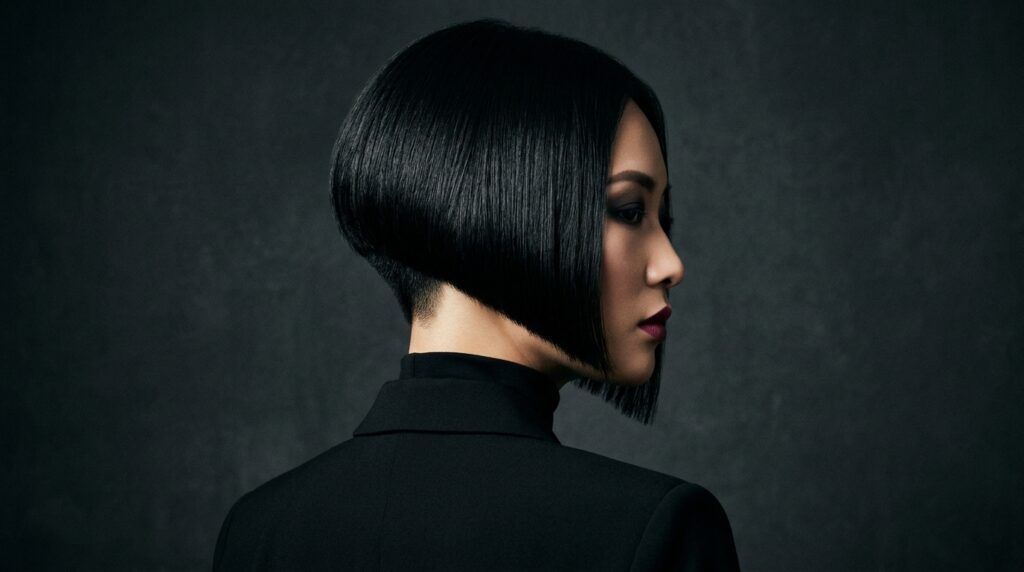
Shortest at the nape, gradually lengthening toward the chin or jaw, creating a dramatic, wedge-like silhouette when viewed from the side. The shorter back section usually needs more frequent trims to keep the angle sharp, even if the longer front pieces can go a bit longer between visits.
Best for: Anyone who wants a graphic, architectural shape rather than a soft one, flattering for elongating round or square faces.
Asymmetrical Bob
One side cut noticeably shorter than the other for a deliberately lopsided, confident silhouette that reads as modern rather than messy. Because the asymmetry is the whole point, even small uneven growth can turn an intentional imbalance into an accidental one, so upkeep matters more here than with most bobs.
Best for: People who want their cut to feel like a style statement, especially on sleek, straight hair where the angle reads clearly.
Wavy Bob

Loose, beachy waves, natural or styled in with a wand or texturizing spray, paired with light layering for a relaxed, effortless finish. It looks equally good freshly styled or air-dried and undone.
Best for: Anyone who wants noticeable movement without looking overly done; a versatile everyday option.
Chin Length Bob
Defined purely by length rather than technique, it sits right at the chin, and can be cut blunt, layered, or textured from there. This length tends to land flatteringly on a wide range of face shapes.
Best for: Most face shapes, which is exactly why it’s such a popular, safe but stylish starting point.
Shaggy Bob
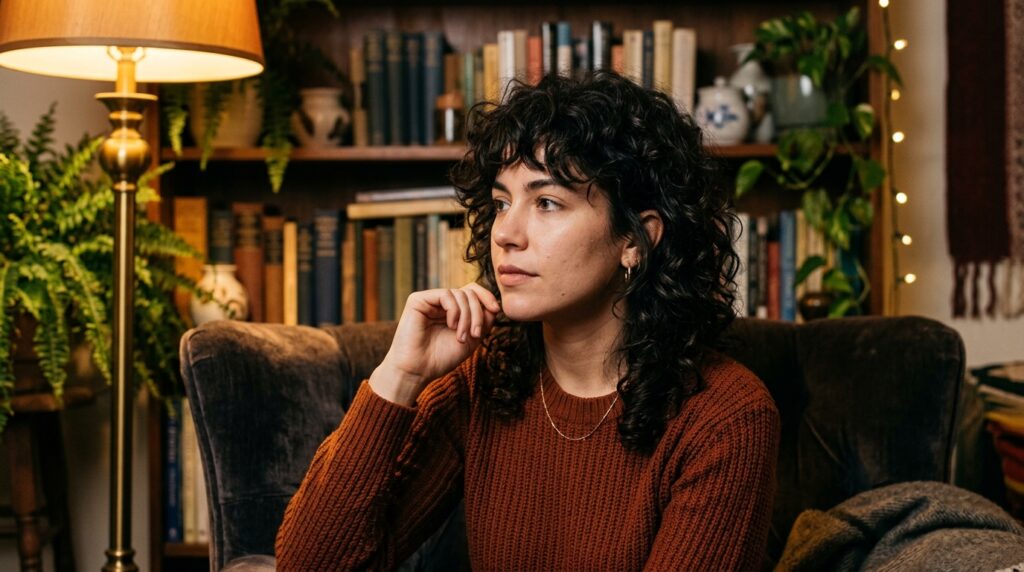
Choppy, face framing layers and often a fringe, borrowed from ’70s shag cuts and scaled down to bob length, with noticeably more layering throughout than most other bob styles. The heavy texture is forgiving day to day. A little extra volume, product, or unbrushed messiness only adds to the intended look rather than detracting from it.
Best for: Thick or medium density hair that can support heavy layering without looking thin or stringy.
Pixie Bob
A hybrid that combines cropped sides and back with slightly longer length on top, shorter than a typical bob but softer than a full pixie. The cropped sides mean trims every four to six weeks to maintain shape.
Best for: Anyone craving a genuinely short cut without going fully cropped, who still wants a wash-and-go routine.
Angled Bob
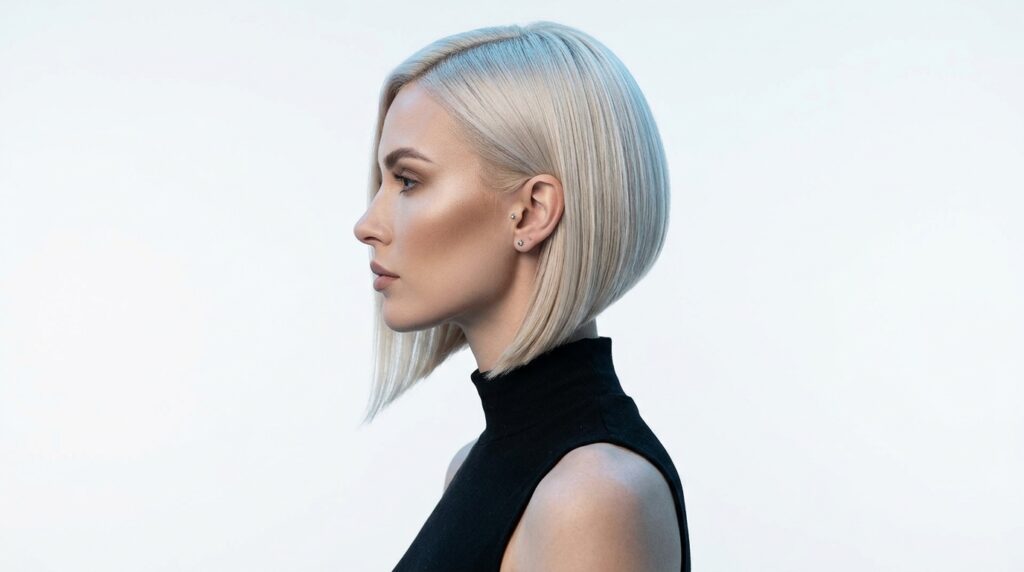
A subtler, gentler version of the inverted bob, longer at the front, shorter at the back, but with a less dramatic drop. The gradual slope also makes it easier to grow out than a sharply inverted cut.
Best for: Anyone wanting a bit of edge without going too severe; flattering on oval and oblong face shapes.
Long Bob (Lob)
Extends past the chin toward the shoulders, blurring the line between a bob and mid length hair. The extra length allows for ponytails, braids, and waves that shorter bobs can’t really offer, and it tends to require less dramatic shaping overall than its shorter relatives.
Best for: Anyone nervous about going too short, often called the “gateway bob” since it’s easy to grow out and flattering on nearly everyone.
Bob with Curtain Bangs
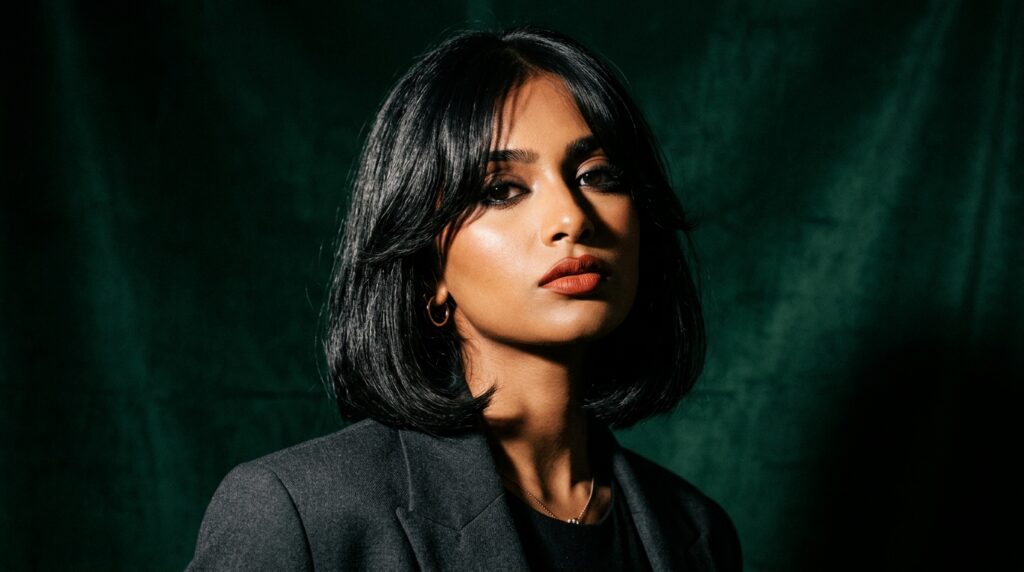
Bangs parted down the middle and swept to either side, framing the face the way curtains frame a window. They’re flexible, wearable styled and parted, pushed back and tucked behind the ears, or grown out slightly without the awkward, all or nothing growing out phase other fringes have.
Best for: Almost anyone; curtain bangs soften strong features while highlighting the eyes and cheekbones.
Finding the Right Bob for You
With this many options, the word “bob” barely tells your stylist anything on its own anymore. The real decisions come down to three variables: length, layering, and texture and how much of your natural hair type you want the final cut to work with, rather than against. A curly bob and a blunt bob might technically both qualify as “bobs,” but they’re cut using completely different philosophies, which is exactly why being specific matters when you’re booking an appointment.
If you’re not sure where to start, bring two or three reference photos to your consultation and be specific about how much maintenance you’re willing to commit to. Blunt, asymmetrical, and angled bobs need more frequent trims to preserve their precise shape, while textured, shaggy, and wavy versions are far more forgiving as they grow out. It’s also worth telling your stylist your natural texture upfront, what looks effortless on straight hair in a photo often takes a different cutting approach on wavy or curly hair.
There’s a version of this haircut for nearly every hair type, face shape and lifestyle. This is exactly why the bob has stuck around for over a century and shows no sign of going anywhere.