Best Hairstyles for Square Face Shapes
Square face shapes tend to get undersold in beauty conversations. Most of the attention goes to oval faces, held up as the supposed gold standard that every other shape is trying to emulate. But square faces have something genuinely enviable going for them: strong, defined bone structure, a prominent jawline, and a natural symmetry that photographs beautifully and tends to hold its definition with age. The goal with hairstyling for a square face isn’t to hide anything. It’s to complement what’s already there while softening the angles just enough to create balance.
The defining characteristics of a square face are a jaw that’s roughly the same width as the forehead, with a strong, angular jawline rather than a rounded or pointed one. The overall face length and width tend to be similar, which gives the face its structured, even quality. Think of faces like Olivia Wilde, Angelina Jolie, and Keira Knightley. All square or close to it, all considered among the most striking bone structures in the business, and none of them trying to hide their jawlines.
What this means for hair is straightforward once you understand the underlying principle. The goal is usually to add some softness around the jaw, create the illusion of a slightly longer face, and avoid styles that emphasize width at the temples or jaw. That doesn’t mean avoiding short hair, or bold shapes, or anything dramatic. It means understanding which details to lean into and which to adjust. There’s a meaningful difference between a haircut that works against your face shape and one that works with it, and most of the time the difference comes down to a few specific details rather than a complete overhaul of the style itself. Below are the styles that consistently work best, along with the reasoning behind each one.
Soft Layers That Frame the Face
Layers are one of the most reliably flattering choices for square faces, and the placement is everything. When layers are cut to frame the face specifically, starting around the cheekbone and falling forward toward the jaw, they create a soft curtain of hair that draws the eye inward and downward rather than emphasizing the width of the jawline. This is different from random layering throughout the length. The face-framing pieces are doing most of the visual work here.
The length of those face-framing layers matters more than most people realize. Layers that stop right at the jaw tend to draw a horizontal line right across the widest, most angular part of a square face, which highlights the jawline rather than softening it. Layers that fall just past the jaw, or that are wispy enough to blend rather than ending in a clean edge, are far more flattering. A good stylist will know this instinctively, but it’s worth mentioning if you’re going in for a layered cut specifically to balance a square jaw.
Long Waves and Soft Curls
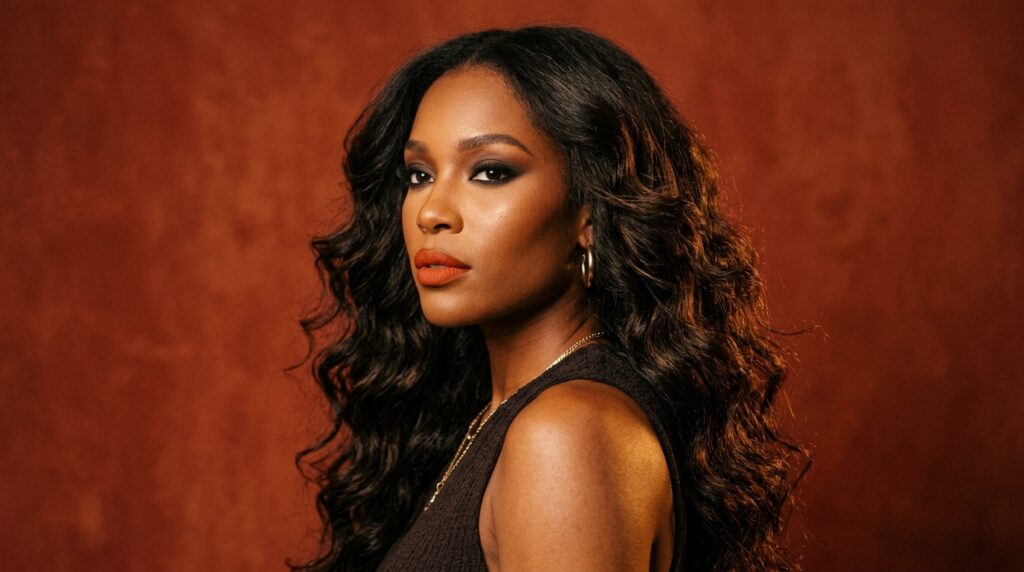
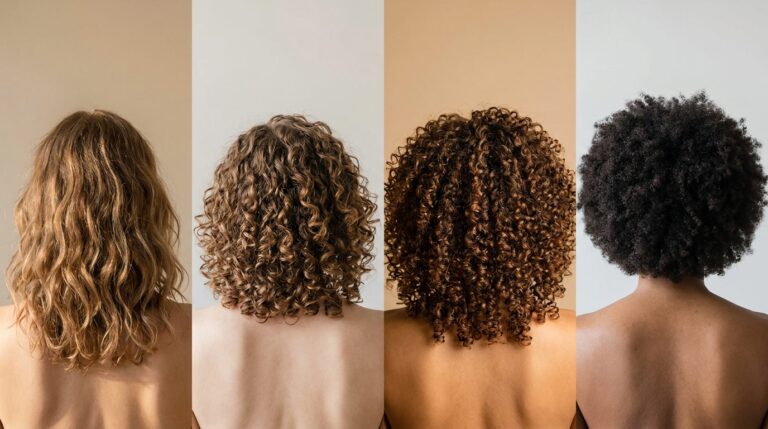
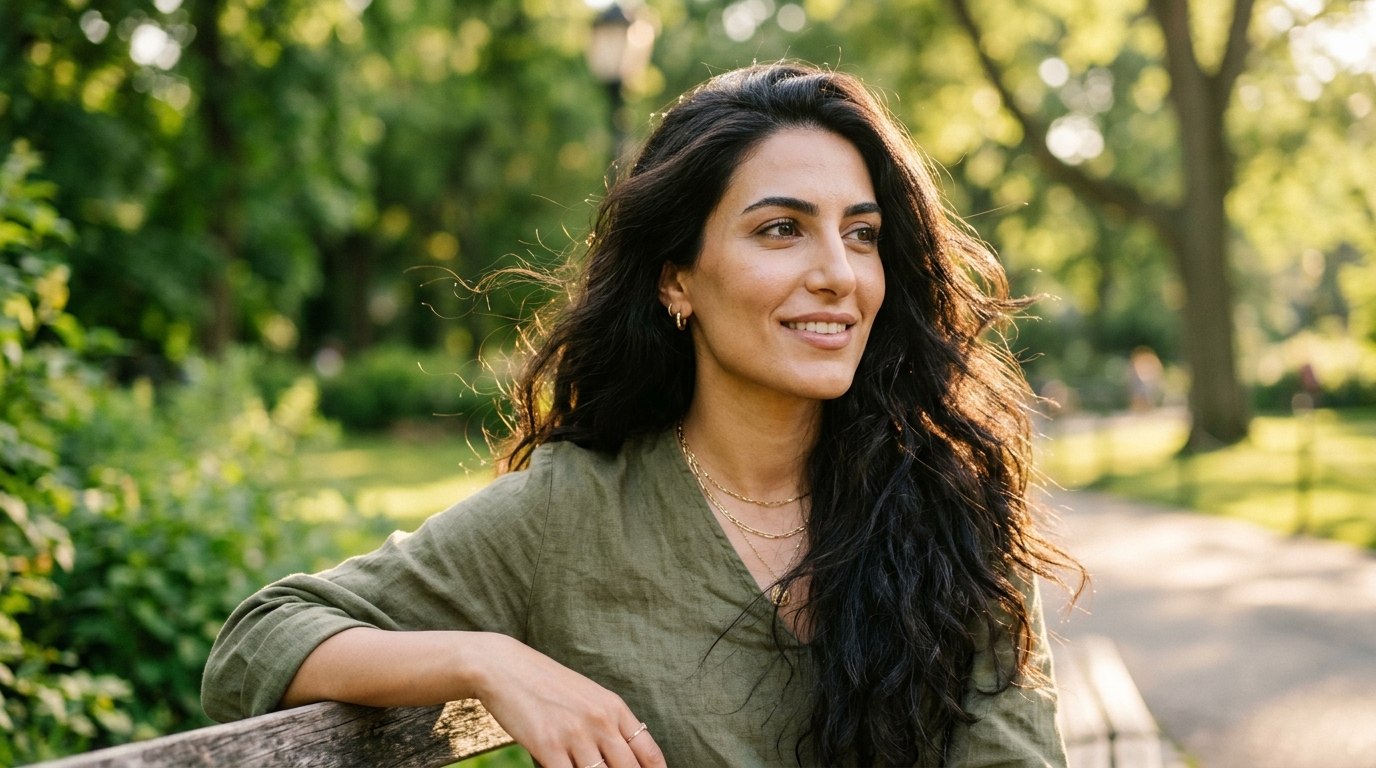
There’s a reason soft, wavy hair is one of the most commonly recommended styles for square faces, and it’s simply because it works almost universally. The organic, irregular movement of waves and curls creates a naturally soft texture that contrasts beautifully with strong angular bone structure. Where straight hair emphasizes the geometry of a square face, waves introduce a softness that balances it out without requiring any structural change to the haircut itself.
Loose, beachy waves that start below the cheekbone are particularly effective. Volume that sits at or below the jaw adds length and movement to the lower half of the face rather than adding width at the temples or crown, which is the opposite of what a square face benefits from. If you have naturally wavy or curly hair, you may already have an advantage here. If your hair is naturally straight, a soft wave styled with a large-barrel wand or overnight braids can recreate this effect beautifully.
Tight curls or very voluminous styles that add significant width at the sides of the head are worth approaching more carefully, since they can exaggerate horizontal width rather than creating the length and softness that flatters a square face. The goal is movement and flow, not volume that extends outward from the jawline.
Side Parts and Asymmetry
A deep side part is one of the simplest and most effective tools for a square face, and it costs nothing to try. A center part divides the face symmetrically down the middle, which for a square face means equal emphasis on both sides of that strong, even jaw. A deep side part breaks that symmetry, creates a diagonal line across the forehead, and shifts the visual weight of the hairstyle to one side. That asymmetry softens the overall impression of the face immediately, even with exactly the same haircut underneath.
Side-swept styles in general are a strong choice for square faces. Whether it’s side-swept bangs, a side-parted bob, or a sweeping wave that falls over one shoulder, the off-center movement creates the kind of visual variety that draws the eye diagonally rather than horizontally. Diagonal lines are a square face’s best friend in hairstyling terms, because they counteract the naturally strong horizontal lines of the jaw and hairline.
The Lob (Long Bob)
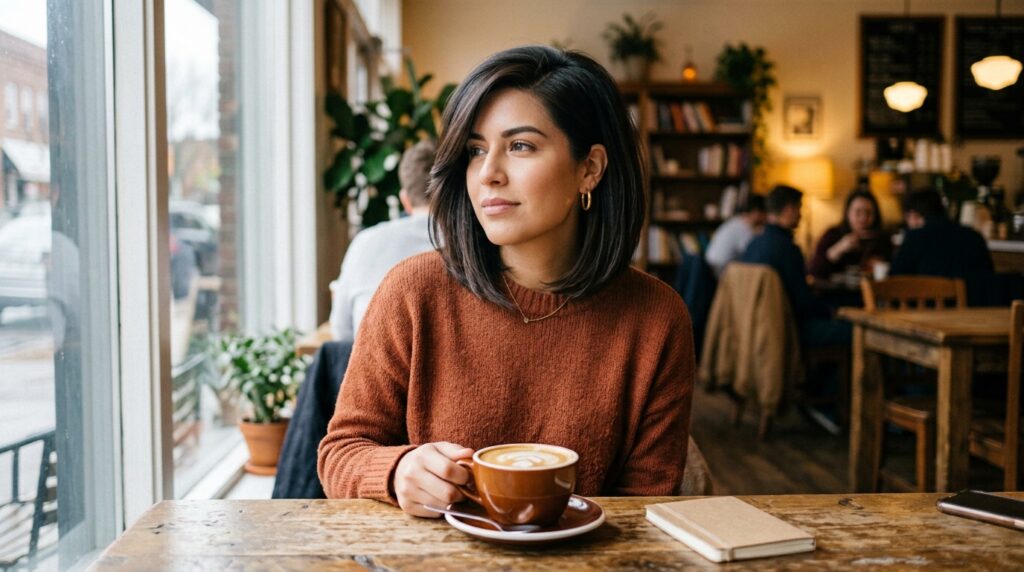
The lob is one of the most consistently flattering haircuts for square face shapes, and it deserves its reputation. Falling somewhere between the chin and the shoulders, the lob avoids the two biggest pitfalls for square faces in shorter cuts: ending right at the jaw and sitting too close to the sides of the face. A lob with soft layers and a side part is practically a formula for a flattering result on a square face, which is part of why it’s become such a popular recommendation across virtually every face shape guide written in the last decade.
The key detail to get right is where exactly the lob falls. A length that grazes just below the jaw tends to be more flattering than one that ends right at it. The jaw-length bob, where the hair ends precisely at the strongest point of the face, can actually emphasize the square shape rather than softening it. Moving the length even a couple of inches lower changes this significantly.
A lob with face-framing layers and soft waves is probably the single most requested haircut for square faces, and for good reason. It hits every flattering note at once: length below the jaw, softness from the waves, and dimension from the layers. If you’re looking for a starting point that’s likely to work and not require a radical change, this is the safest and most consistently rewarding option.
Soft Bangs
Bangs can be genuinely transformative for square faces, but the type of bang matters enormously. Blunt, straight-across bangs cut horizontally at the brow create a hard horizontal line right at the top of the face, which mirrors and emphasizes the horizontal lines of the jaw at the bottom. The result is a face that feels very geometric and boxy. Not necessarily bad, but not typically the most flattering option.
Side-swept bangs are a far more flattering choice. A long, sweeping fringe that crosses the forehead diagonally breaks up the strong horizontal lines of both the hairline and the jaw, introduces asymmetry, and tends to make the face appear longer and more oval-like from the front. They’re also relatively low maintenance to grow out compared to blunt bangs, which is a practical bonus.
Curtain bangs, parted in the middle and swept to either side, are another solid option. Unlike blunt bangs, the center parting creates a V-shape that adds length rather than cutting across the face horizontally. For square faces with a softer overall look, curtain bangs can add a soft, romantic quality while still keeping the strong jaw visible rather than hiding it.
Layers With Volume at the Crown
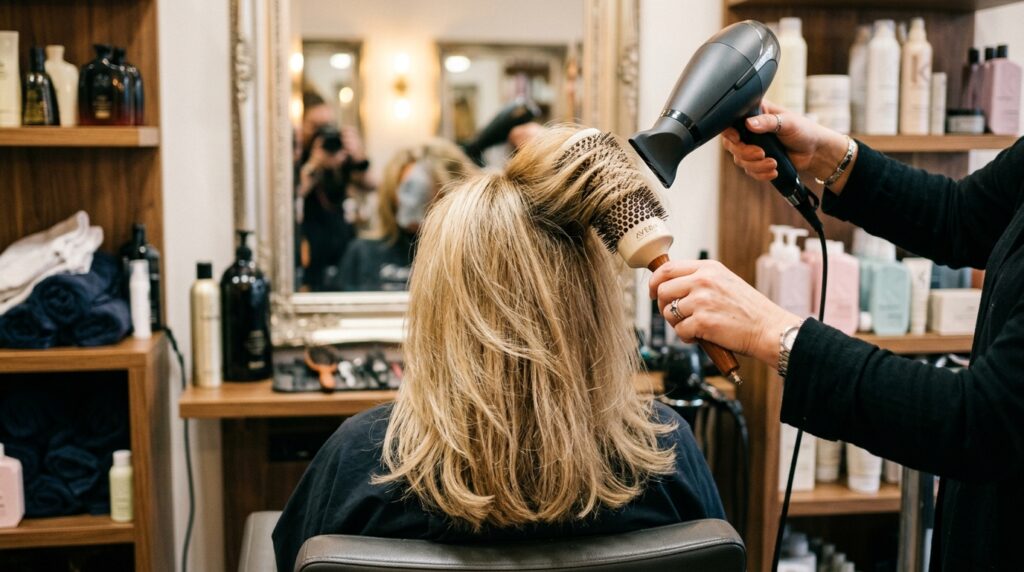
Adding volume at the crown rather than the sides is one of the most effective ways to create the illusion of a longer, more oval face shape. When hair has height at the top, it shifts the proportions of the face vertically, which visually elongates a square shape. The contrast between volume at the crown and the natural narrowing of the face toward the chin creates a balance that a face with equal width at every horizontal point benefits from significantly.
A blowout with lift at the roots, a loose updo with volume at the top, or even just backcombing the crown slightly before styling can all achieve this effect without any change to the actual haircut. It’s one of the easiest adjustments to make at home, and the difference it makes is immediately visible. If you’ve ever noticed that your hair looks particularly good on a day when you happened to get extra volume at the top, this is almost certainly why.
Pixie Cuts
Short hair can absolutely work on square faces, and the pixie is a great example of a short style that flatters strong bone structure. The key is how the pixie is shaped. A pixie that’s cut close at the sides and has more length and volume on top creates the same elongating, crown-forward effect described above, making it a genuinely flattering option for square faces when executed well.
Pixies with very closely cropped sides and no volume on top tend to draw attention to the width of the face and can make the jaw look broader in proportion to the rest of the head. A little extra length and volume on top is the detail that makes the difference between a pixie that elongates the face and one that emphasizes its width.
Bold, textured pixie cuts with choppy layers and a slightly undone finish can work particularly well for square faces because the texture itself breaks up the angular lines of the face, similar to how waves and curls do on longer hair. Clean, sleek, very geometric pixies tend to mirror rather than counterbalance the geometry of the jaw.
Styles to Think Carefully About
Blunt bobs that end at the jaw are the style most worth approaching carefully on a square face. Not because they can never work, but because a perfectly blunt horizontal line right at the widest, most angular point of the face creates a strong geometric emphasis that tends to highlight the square jaw rather than softening it. If you love the bob look, a lob at a longer length, a slightly angled bob, or a bob with soft layering tends to work better than a blunt, jaw-length cut. The concept isn’t wrong. Just the specific combination of length and finish needs a small adjustment to work with a square jaw rather than against it.
Very straight, flat styles with a center part fall into a similar category. They keep the face perfectly symmetrical and provide no softness or diagonal movement to counterbalance the strong lines of a square jaw. If your hair is naturally very straight, adding some texture, a side part, or a few face-framing layers goes a long way toward creating the balance that a square face benefits from. The center part specifically is worth reconsidering, since shifting to even a slight side part changes the overall impression of the face quite significantly without requiring any change to the cut itself.
High, tight ponytails or slicked-back styles that pull all the hair away from the face and concentrate it at the crown can expose the full width of the jaw and temples simultaneously, which emphasizes the square shape rather than softening it. A looser, lower ponytail with some face-framing pieces left out, or a style that has some texture and movement rather than a very sleek finish, tends to be more flattering. If you love wearing your hair up, leaving a few wispy pieces around the face rather than slicking everything back makes a noticeable difference in how the style reads from the front.
The Bigger Picture
The most important thing to keep in mind is that these are guidelines, not rules. Square faces are striking and distinctive, and plenty of the most memorable and admired faces in fashion and entertainment are square shaped precisely because of how defined and strong that bone structure is. The goal of the right hairstyle isn’t to make a square face look like an oval one. It’s to find the cuts and styles that make you feel good and work harmoniously with what you already have.
Bringing reference photos to a salon consultation is always the most effective approach. Describing what you want in words only gets you so far. Two or three photos that show a style you’re drawn to, combined with an honest conversation with your stylist about which elements would need to be adapted for your specific face shape and hair texture, almost always leads to a better result than walking in with just a vague idea.
Your hair texture plays just as significant a role as your face shape in how any given style actually looks on you. The same lob looks completely different on naturally fine, straight hair versus thick, wavy hair, and your stylist’s recommendations may shift based on your texture as much as your face shape. Being honest about how much time you’re willing to spend styling, what your natural texture does when left alone, and how frequently you’re able to come in for trims will help your stylist land on a recommendation that works for your real life rather than just for the day you leave the salon.
Frequently Asked Questions
Can people with square faces wear short hair?
Absolutely. Short hair works very well on square faces when the cut is shaped to add volume at the crown rather than emphasizing width at the sides. Pixie cuts, short shags, and textured crops are all great options. The key is avoiding very close-cropped styles with no volume on top, since these tend to draw attention to the width of the face.
Is a bob flattering on a square face?
It depends on the type of bob. A jaw-length blunt bob tends to emphasize the strong angles of a square jaw since it ends right at the widest point. A lob that falls below the jaw, a slightly angled bob, or a bob with soft layering and a side part tends to be much more flattering. The length and finish matter more than the bob concept itself.
Do bangs work for square faces?
Yes, with the right type. Side-swept bangs and curtain bangs tend to be the most flattering options since they create diagonal lines that soften the horizontal emphasis of a square face. Blunt, straight-across bangs cut hard at the brow tend to mirror the strong horizontal lines of the jaw and can make the face feel more boxy rather than less.
Should people with square faces avoid center parts?
Not necessarily, but a deep side part tends to be more flattering because it introduces asymmetry and breaks up the face’s natural symmetry. A center part on a square face puts equal visual emphasis on both sides of a strong, even jaw. If you prefer a center part, pairing it with waves or soft layers helps offset this effect.
What is the most flattering overall length for a square face?
Most stylists agree that lengths that fall below the jaw, specifically in the lob to long hair range, tend to be the most universally flattering for square faces. This avoids ending the hair right at the jaw’s strongest, widest point. That said, both shorter and longer styles can work beautifully with the right shaping and texture.
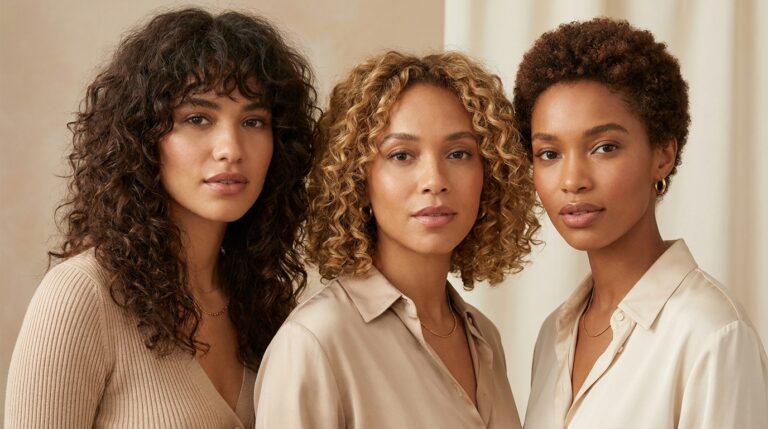
Can square faces pull off curly or wavy styles?
Yes, and often very well. The softness and movement of waves and curls naturally counterbalances the strong angular lines of a square face. Loose, flowing waves or defined curls that fall below the chin are particularly effective. The organic irregularity of textured styles does a lot of the flattering work without requiring any specific structural adjustment to the cut itself.