Hairstyles for Women Over 40 for a More Youthful Looking Style
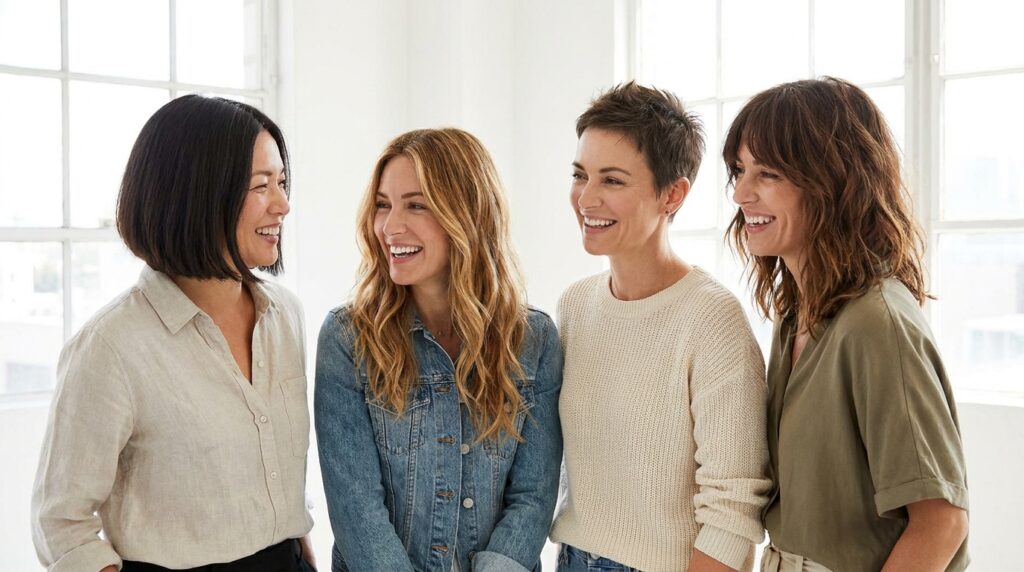
There is a particular kind of pressure that comes with turning 40 and suddenly feeling like the rules around your hair have changed. Magazines tell you to cut it short. Well-meaning people suggest you should probably stop wearing it long now. And somewhere along the way, the idea that there is an age at which certain hairstyles become off-limits has become so deeply embedded that many women spend their 40s, 50s, and beyond wearing hair that does not actually suit them.
The truth is that the best hairstyle for a woman over 40 is the one that flatters her face, suits her lifestyle, and makes her feel like herself. Age is not the determining factor. Face shape, hair texture, bone structure, and personal style are. What does change in your 40s is your hair itself, and understanding those changes is what allows you to make genuinely good decisions rather than just following rules that may not apply to you at all.
How Hair Changes in Your 40s
Understanding what is actually happening to your hair in your 40s takes the guesswork out of why certain styles suddenly work better or worse than they used to.
The most common change is a gradual reduction in density. Hair follicles produce finer strands over time, and some follicles become less active altogether. This means the overall volume of hair on your head tends to decrease gradually rather than dramatically.
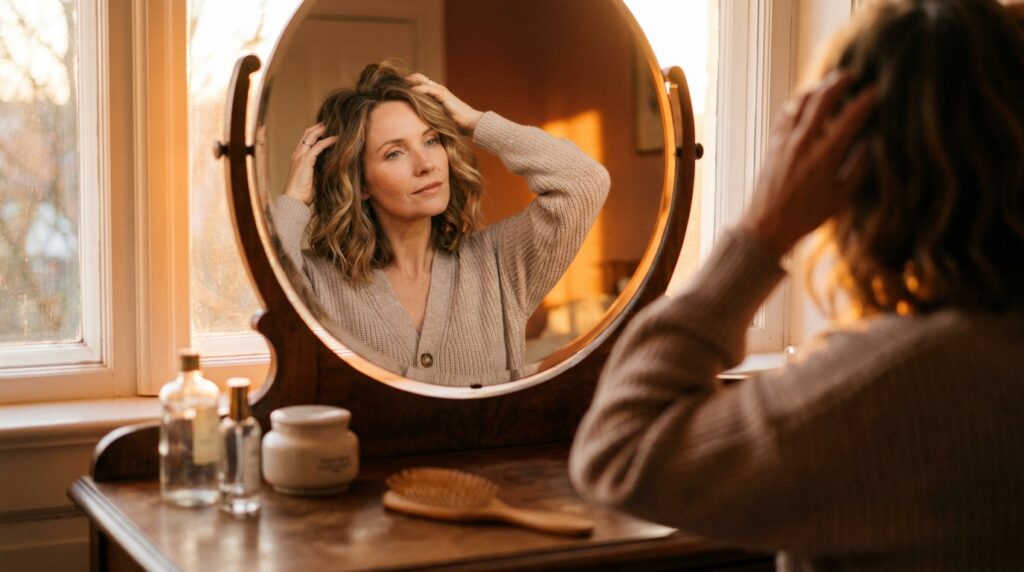
Texture changes are also very common. Hair that was straight in your 20s and 30s sometimes develops wave or even curl in your 40s due to hormonal shifts affecting the shape of the follicle. The reverse can also happen.
Gray hair, when it comes in, behaves differently from pigmented hair. It tends to be coarser, drier, and more resistant to styling. This is not a flaw but it does mean that the products and techniques that worked before may need adjusting.
The Shoulder-Length Cut
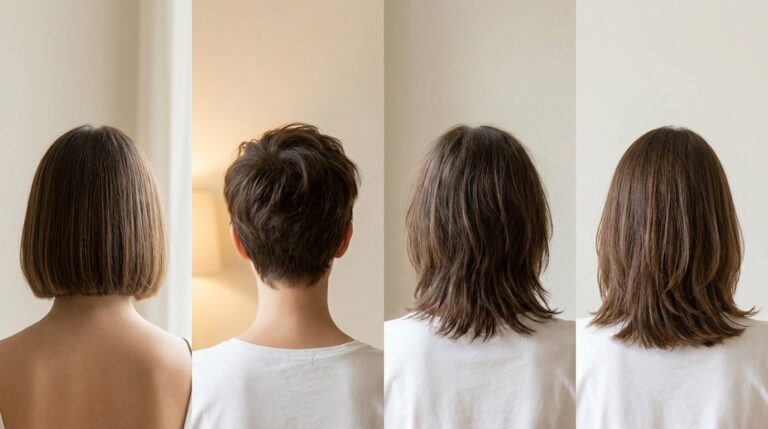
The shoulder-length cut is consistently one of the most flattering lengths for women over 40, and there are good structural reasons for that beyond fashion trends.
At this length the hair frames the face without pulling attention downward past the jawline. For women who have noticed changes in the neck or jawline area, this is genuinely significant. Very long hair draws the eye down, while shoulder length keeps the visual focus on the face itself.
It also works with almost every face shape. For round faces it adds length. For square faces the soft ends balance the angles. For oval and heart-shaped faces it flatters without much adjustment needed. A skilled stylist can customize the layering to suit almost any face shape at this length.
The Classic Bob
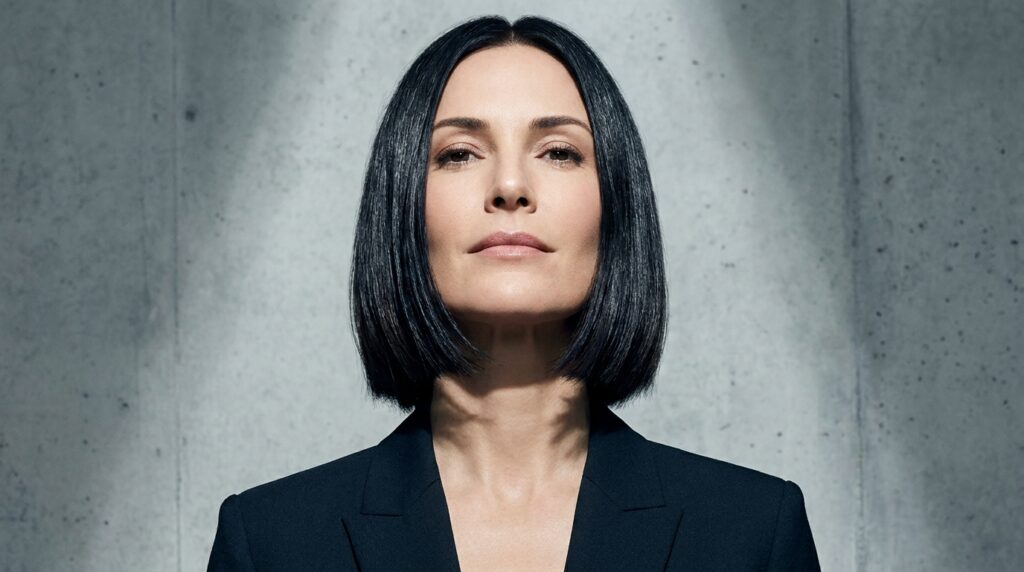
The bob is one of those cuts that gets more interesting the older you get, not less, because it works with the refined bone structure that tends to emerge more clearly in your 40s.
A chin-length bob draws attention to the jaw and cheekbone area and creates the impression of definition and structure. For women whose face has softened over the years, the clean line of a bob actually creates the visual impression of more definition, which is why it is such a popular choice.
The textured bob, where the ends are cut with movement and softness rather than blunt precision, tends to be more forgiving and more modern-looking than a very sharp blunt cut. It gives the hair movement that makes it look fuller and healthier overall.
The French Bob
The French bob sits shorter than a classic bob, typically falling somewhere between the ear and the jaw, and it has a quality of looking both effortless and deliberately stylish.
It has a slightly undone, Parisian quality that reads as confident rather than trying too hard. It works particularly well with gray or silver hair because the boldness of the short length and the natural drama of gray complement each other beautifully.
One of its underrated advantages is that it is an excellent cut for fine or thinning hair. The shorter length means less weight pulling the hair down, and the ends naturally appear fuller and denser at a shorter length than they would at shoulder length or beyond.
The Asymmetrical Bob
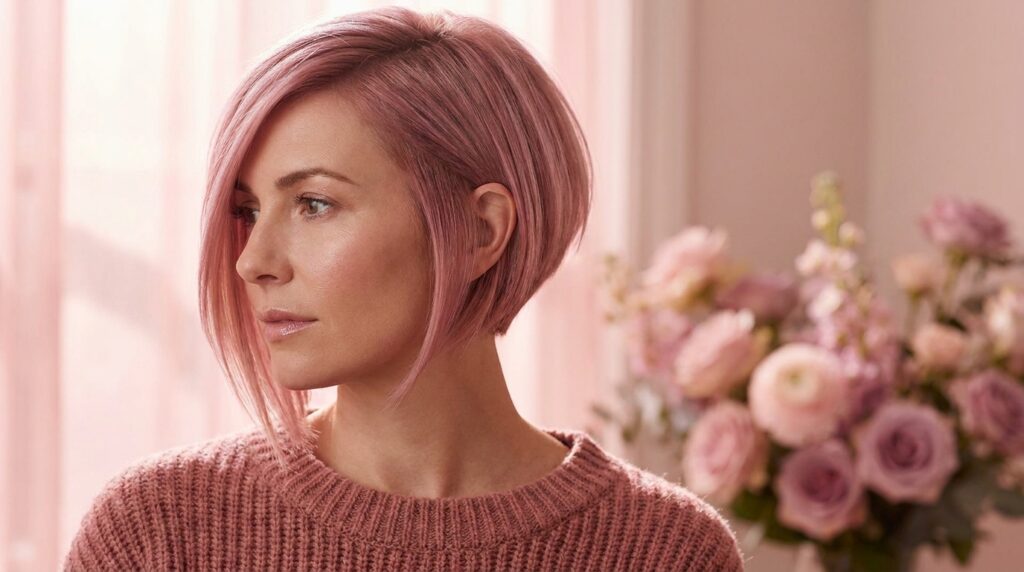
The asymmetrical bob, with one side cut slightly longer than the other, is a more dramatic option that feels fashion-forward and distinctive without being high-maintenance.
It suits oval and heart-shaped faces especially well. The diagonal line it creates draws the eye across the face in a way that adds visual interest and avoids the symmetry that can sometimes feel too expected or safe.
It also works beautifully with fine hair because the angled cut creates the illusion of more density at the ends. When the longer side falls forward it naturally layers over the shorter side and creates visible fullness that a straight blunt cut on the same hair would not achieve.
Soft Layers
Adding layers to almost any length is one of the most effective things a woman over 40 can do for her hair, and the reason is simple: layers create movement and volume, both of which decrease naturally as you get older.
A haircut without layers on fine or thinning hair lies flat against the head and can look limp and heavy at the same time. Layers eliminate that problem by removing weight from the mid-lengths and ends and allowing the hair to fall with natural movement.
The key word is soft. Heavily layered cuts with dramatic differences between the shortest and longest sections can look choppy on fine hair. Soft, graduated layers that blend seamlessly give you all the benefits without the visual disruption.
Face-framing layers are worth requesting specifically. Shorter layers around the front of the face draw the eye upward toward your features rather than letting the eye drift down to the length of the hair.
The Shag Cut
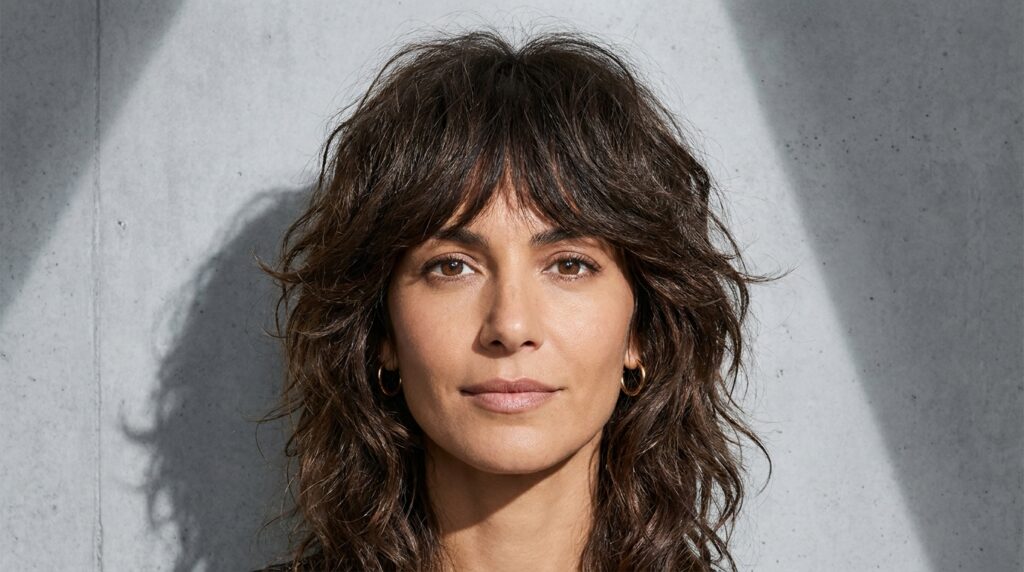
The shag cut has had a significant revival in recent years and it is particularly well-suited to women over 40 because its defining characteristics work directly against the most common hair challenges of this decade.
Heavy layering throughout the entire length, textured ends, and face-framing pieces are all built into the shag by design. It creates volume, movement, and definition simultaneously without requiring those things to be added after the fact through styling.
The modern shag sits somewhere between the choppy rocker-inspired version of the 1970s and a polished layered cut. It has texture and a slightly undone quality but reads as intentional rather than messy. For women with naturally wavy or slightly curly hair it works exceptionally well because the layers encourage natural texture to emerge rather than fighting it.
The Pixie Cut
The pixie cut is one of the most misunderstood hairstyle recommendations for women over 40. The conventional wisdom says cut it short as you get older. The more useful truth is that a pixie suits some women beautifully and is a poor choice for others, and the determining factor is face shape, not age.
A pixie works best on women with strong, defined facial features because the lack of hair means the face carries the entire visual weight of the look. Prominent cheekbones, a well-defined jaw, and distinct features that can hold their own without the softening frame of longer hair are the real requirements.
For women with rounder, softer faces a pixie can emphasize fullness rather than minimizing it. In those cases a slightly longer cut with some face-framing length is more flattering. What the pixie does genuinely offer is ease. It is low maintenance, dries quickly, and looks polished with very little effort.
The Textured Lob
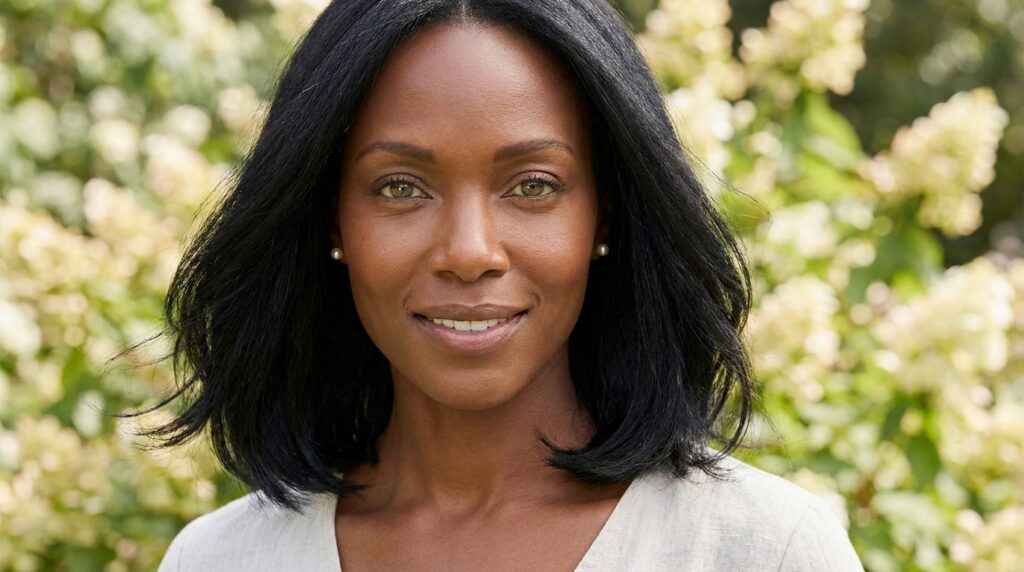
The lob, or long bob, falls just at or below the collarbone and is one of the most versatile cuts a woman over 40 can choose because it sits in the sweet spot between short enough to look intentional and long enough to feel feminine and flexible.
The textured version with soft, undone ends is the most flattering interpretation for this age group. It avoids the blunt, heavy look that can weigh fine hair down and instead creates movement and lightness that makes the hair look considerably healthier than it might actually be.
It also gives you styling options. Worn down with a center part and soft waves it looks effortlessly cool. Pulled back into a low bun or half-up style it looks put-together without looking stiff. For women who want one haircut that genuinely does everything, the textured lob is the answer.
Curtain Bangs
Curtain bangs are the soft, center-parted fringe that falls to either side of the face rather than straight across the forehead, and they are one of the most flattering additions a woman over 40 can make to almost any haircut.
They frame the face without covering the forehead entirely, which means they draw attention to the eyes and cheekbones without adding the maintenance demands of a blunt fringe. They also grow out gracefully rather than going through an awkward in-between phase, which makes them a low-commitment way to add something different to your look.
Curtain bangs work with almost every face shape because the open center part creates length and the side-swept sections create softness at the same time. They suit long hair, shoulder-length cuts, and even bobs when cut to blend softly into the rest of the style.
Long Hair Over 40
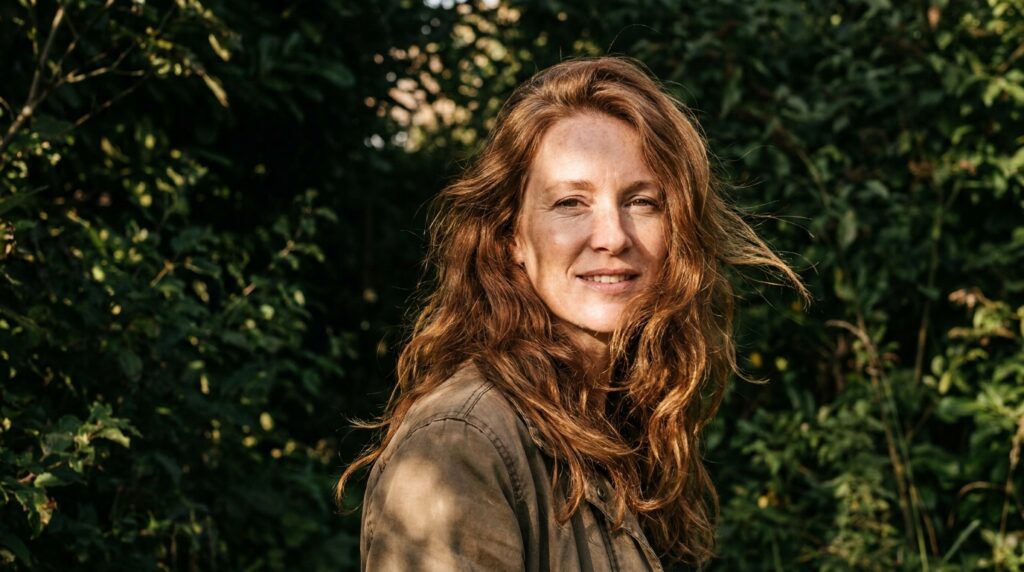
Long hair over 40 is not off-limits and the idea that it is ignores the reality that plenty of women over 40, 50, and 60 wear long hair and look completely wonderful.
The relevant question is not whether long hair is appropriate but whether your specific hair type and density suit long hair at this point. Very fine, thinning long hair can look wispy and draw attention to the thinning rather than minimizing it. In those cases, cutting to shoulder length or adding significant layering makes the hair look considerably healthier.
For women whose hair is still thick and has good texture, long hair with soft layers and regular trims is a completely viable and genuinely beautiful option. The key is keeping the ends in excellent condition because split, dry ends on long hair read as neglected rather than lush.
The Wolf Cut
The wolf cut is a modern hybrid between the shag and the mullet that sounds much wilder than it looks in practice, and it has become one of the most popular cuts for women over 40 who want something with genuine personality.
It has significant volume at the crown, heavy face-framing layers at the front, and length that falls toward the back. The overall effect is a cut that looks full, dynamic, and expressive without requiring extensive styling to achieve.
For women with naturally wavy or curly hair the wolf cut is particularly effective because the layers work with the natural movement of the hair rather than flattening it. For straight hair a small amount of texturizing product and a quick scrunch while diffusing creates a similar effect.
The Side-Swept Style
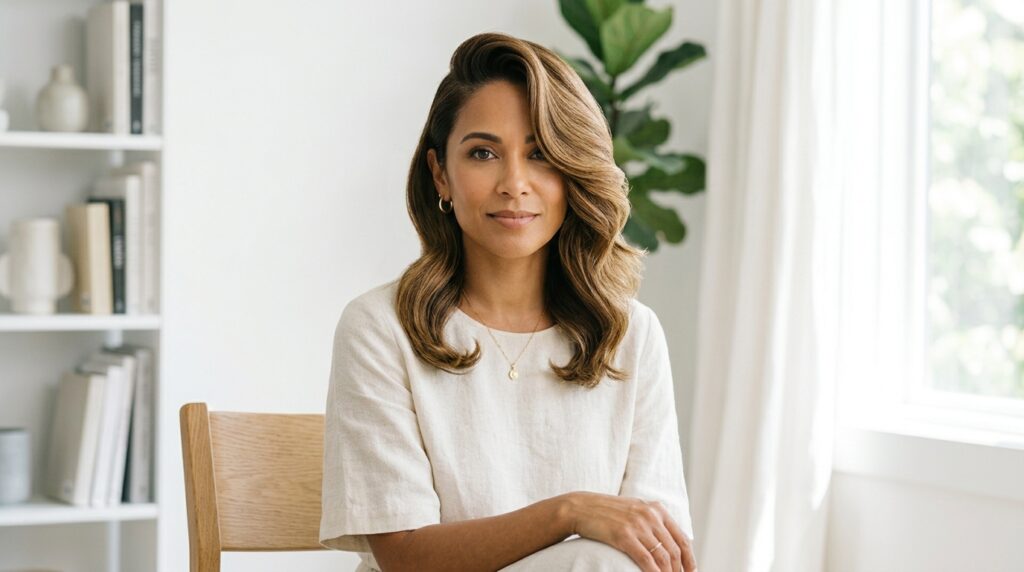
A side-swept style, whether it is a deep side part on a bob, a side-swept fringe on a lob, or simply wearing longer hair consistently parted to one side, is one of the easiest ways to add instant visual interest and asymmetry to any haircut.
A deep side part creates a draped effect at the front of the hair that frames one side of the face softly. This is a very flattering technique for women who want to minimize fullness on one side or simply create a more dynamic silhouette without changing their haircut at all.
Side-swept styles also disguise thinning at the crown better than a center part, which tends to reveal scalp more directly. Parting the hair to the side and directing it across the crown creates natural coverage and volume without requiring any product or styling effort.
Working With Gray and Silver Hair
Gray and silver hair is having a genuine cultural moment right now, and for good reason. On the right cut it looks striking, sophisticated, and completely intentional rather than a sign of giving up.
The cuts that work best with gray hair tend to be those with some internal texture and movement, since gray hair can look flat and dull when cut bluntly without layering. The wolf cut, the shag, the textured lob, and the French bob all translate beautifully in gray or silver because their inherent texture counteracts the tendency of gray hair to look one-dimensional.
Purple or blue toning shampoo used once or twice a week keeps gray looking cool, bright, and intentional rather than yellowed or dull. This is one of the most impactful and low-effort things any woman with gray or silver hair can do to maintain the look between salon visits.
Color Considerations for Women Over 40
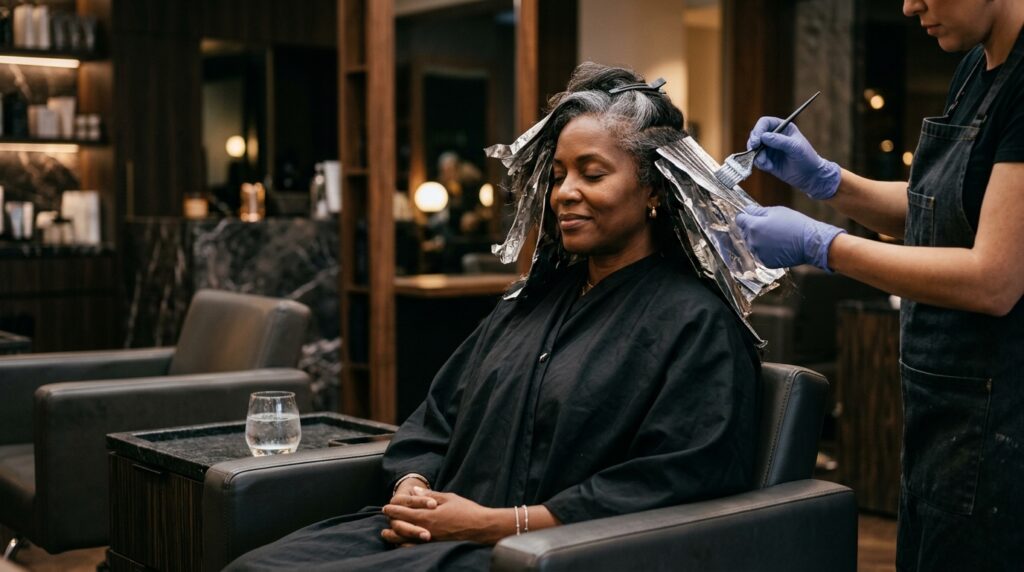
Color choices interact directly with hairstyle choices in ways worth understanding before you decide on a cut, because the right color can make any of the styles above more flattering.
Highlights and lowlights placed strategically around the face create dimension and the visual impression of more volume. For women who are embracing their gray, blending highlights that complement the gray rather than fighting against it creates a result that looks intentional and modern.
Heavy, all-over dark color can make fine or thinning hair look flat and can also create a harsh contrast against skin that has lightened or changed tone over the years. Softer, more dimensional color approaches tend to be more flattering because they move with the light in a way that solid color simply does not.
Frequently Asked Questions
Should women over 40 avoid long hair?
No. Long hair is not off-limits at any age. The relevant question is whether your specific hair type and density suit long hair at this point in your life. Women with thick, healthy hair can wear it long beautifully well into their 50s and 60s. Women with significantly fine or thinning hair may find that shorter lengths look healthier and more flattering, but that is about hair type, not age.
What is the most flattering hairstyle for women over 40 with fine hair?
A shoulder-length cut with soft layers is consistently the most flattering option for fine hair over 40. The length is short enough that the hair does not drag downward and look limp, while the layers remove weight and create movement. A textured lob or French bob are also excellent options for the same reasons.
Do bangs age you or make you look younger?
Neither, done well. Soft curtain bangs and wispy fringes can be genuinely flattering for women over 40 by drawing attention to the eyes and creating a face-framing effect. Heavy, blunt fringes can draw attention to fine lines and look high-maintenance if not kept very precisely trimmed. The style of the bang matters far more than the presence of a bang.
How often should women over 40 get a haircut?
Every six to eight weeks for shorter cuts like bobs and pixies to keep the shape clean. Every eight to ten weeks for longer styles. Regular trims matter more in your 40s than they did earlier because the ends of fine or slightly dry hair show wear much more visibly than denser, more resilient hair does.
Is gray hair aging?
Gray hair is not inherently aging. Gray hair that is well-cut, well-maintained, and complemented by good color choices reads as confident and deliberate. Gray hair that is dull, yellowed, or poorly cut can look neglected, but the same is true of any color. The cut and the condition of the hair matter far more than whether it is gray or pigmented.
What hairstyle mistakes should women over 40 avoid?
Very heavy, blunt cuts on fine hair. Extremely long hair with no layering if the hair has thinned significantly. Very severe geometric cuts that require constant precision maintenance to stay sharp. Beyond those practical considerations, the idea that there is a long list of things women over 40 must avoid is largely a myth. The best hairstyle is the one that suits your face, your hair type, and your lifestyle regardless of age.