How to Grow Your Hair Faster
Almost everyone who has ever cut their hair shorter than they wanted to, or experienced unexpected hair loss, or simply decided they want more length than they currently have, has gone looking for ways to make their hair grow faster. And the internet is full of answers, oils, supplements, scalp massages, inversion methods, and about a dozen other things that promise dramatic results. Some of them have genuine merit. Others are complete myths that have been repeated so many times they’ve started to seem credible.
The honest starting point is this: you cannot dramatically change how fast your hair grows. Hair growth rate is largely determined by genetics, hormones, and overall health, and it averages about half an inch per month for most people, or roughly six inches per year. No product, technique, or supplement will turn that into an inch per month. Anyone promising otherwise is either misinformed or selling something.
What you can do, however, is create the optimal conditions for your hair to grow at its natural maximum rate, reduce the breakage and damage that makes hair appear not to be growing even when it is, and address any nutritional or health factors that might be slowing your growth below its natural potential. Done consistently, these things make a real and noticeable difference to how quickly your hair reaches the length you want. This guide covers all of them honestly.
Understanding How Hair Actually Grows
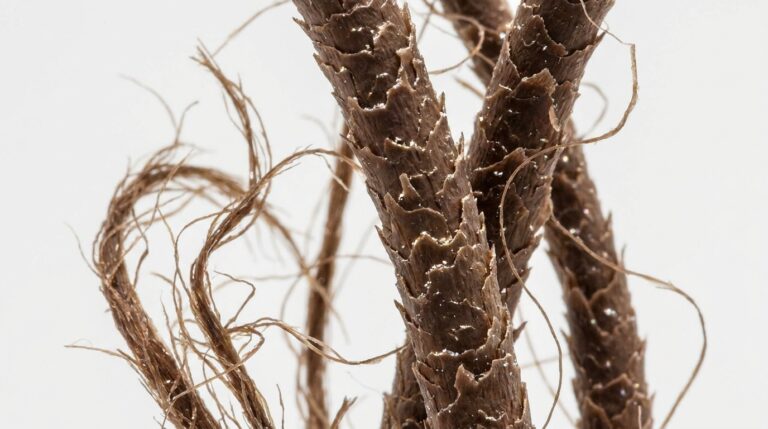
Hair growth happens at the follicle, which sits beneath the surface of the scalp, and the hair you see above the scalp is already dead by the time it’s visible. This matters because it means that the products you apply to the length of your hair, the oils, masks, and serums, cannot directly stimulate growth. They can improve the condition of the hair you already have, reduce breakage, and keep the scalp healthy, but the growth itself happens underground, driven by blood supply, nutrition, and the health of the follicle.
Hair growth happens in cycles with three distinct phases. The anagen phase is the active growth phase, during which the hair is actively growing from the follicle. This phase lasts between two and seven years depending on genetics, which is why some people can grow their hair very long while others seem to have a maximum length their hair reaches before it stops. The catagen phase is a brief transitional phase lasting a few weeks. The telogen phase is the resting phase, during which the hair is not growing and eventually sheds to make way for a new hair to begin the cycle. At any given time, most of the hair on your head is in the anagen phase, with a smaller percentage in telogen.
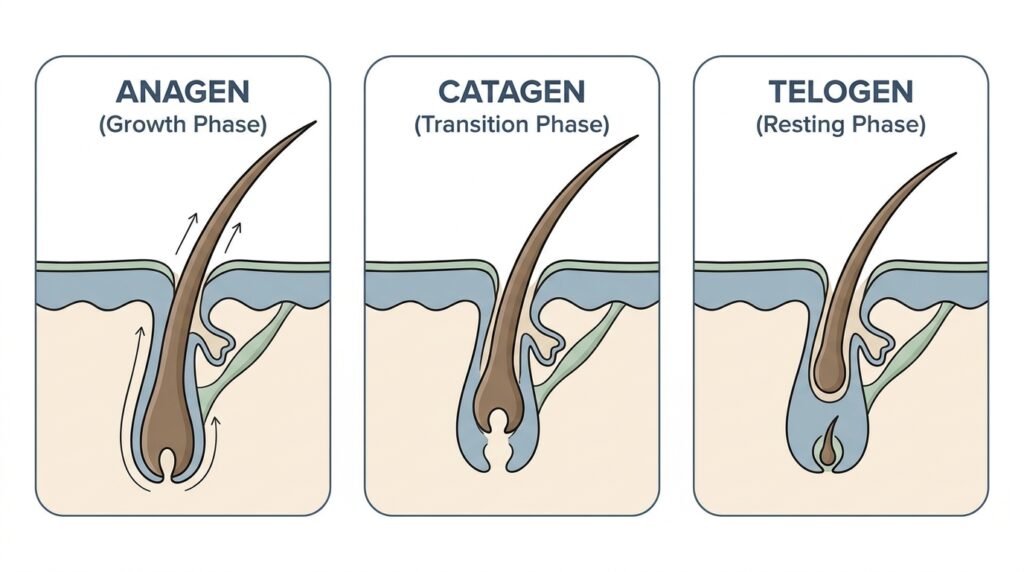
The length of your anagen phase is largely genetic, which is why hair growth is one of those things you can optimize but not fundamentally change. Someone with a naturally short anagen phase will never grow hair as long as someone with a naturally long one, regardless of what they do. What you can do is make sure your anagen phase is running as efficiently as possible and that the hair growing during it is as healthy and strong as possible.
Scalp Health Is the Foundation
A healthy scalp is the single most important factor in creating the best possible environment for hair growth, and it’s the area most people neglect in favor of focusing on the length of their hair. The follicle from which every hair strand grows lives in the scalp, and the health of that follicle directly determines the quality and strength of the hair it produces. A congested, inflamed, or nutrient-deprived scalp produces weaker, thinner hair that grows more slowly than a clean, well-nourished one.
Scalp massage is one of the most evidence-supported scalp health practices for hair growth, and it’s free. Regular scalp massage increases blood circulation to the follicles, which improves the delivery of nutrients and oxygen that the follicles need to produce healthy hair. A small study published in dermatology research found that participants who performed daily scalp massage for 24 weeks showed measurable increases in hair thickness. The technique matters: using the pads of the fingers rather than the nails, applying gentle circular pressure, and spending at least four to five minutes massaging the whole scalp rather than just the top produces the most benefit.
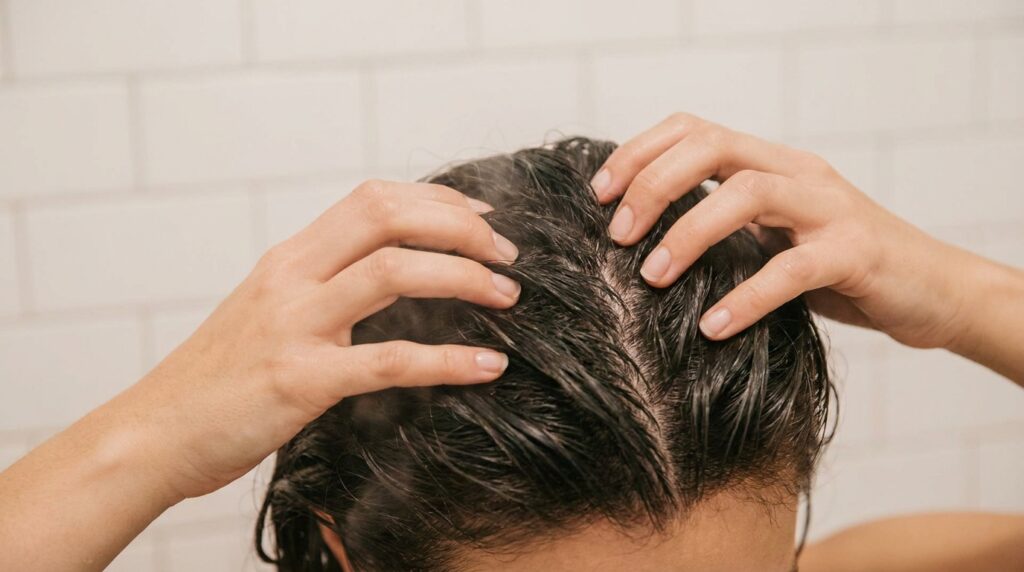
Keeping the scalp clean and free of buildup is equally important. Product residue, excess sebum, dead skin cells, and environmental pollutants can accumulate on the scalp and clog the follicle, which impedes healthy hair growth. Regular washing appropriate to your hair type keeps the scalp environment clean. A clarifying shampoo used once or twice a month removes the kind of accumulated buildup that regular shampooing sometimes doesn’t fully address.
Scalp conditions like dandruff, seborrheic dermatitis, and psoriasis can affect hair growth when left untreated by creating chronic inflammation around the follicle. If you have a persistent scalp condition that hasn’t responded to over-the-counter treatments, seeing a dermatologist is worth doing since addressing the underlying condition often produces a noticeable improvement in hair health and growth.
Nutrition and Hair Growth
Hair is made of protein, and the body requires adequate nutrition to produce it at its natural maximum rate. When the body is nutritionally deficient, it prioritizes the delivery of nutrients to essential functions and organs, and hair growth is one of the first things to be de-prioritized. This is why periods of significant nutritional deficiency, crash dieting, or illness are often followed by noticeable hair shedding or slowed growth weeks or months after the fact.
Protein is the most fundamental nutritional requirement for hair growth. The hair shaft itself is made almost entirely of a protein called keratin, and the body needs adequate dietary protein to produce it. Most adults need around 50 to 60 grams of protein per day for basic function, and hair growth benefits from being on the higher rather than the lower end of that range. Good protein sources include eggs, lean meats, fish, legumes, and dairy.

Iron deficiency is one of the most common nutritional causes of slowed hair growth and increased shedding, particularly in women. Iron is essential for producing hemoglobin, which carries oxygen to the cells including the hair follicle. When iron is low, follicle function is compromised and hair growth slows. A blood test to check ferritin levels, which reflects the body’s iron stores rather than just current blood iron levels, gives the most accurate picture of whether iron deficiency might be affecting your hair. If ferritin is low, addressing it through diet or supplementation under medical guidance can produce meaningful improvement in hair growth over several months.
Biotin has become one of the most marketed supplements for hair growth, and while true biotin deficiency does cause hair loss and poor hair growth, genuine biotin deficiency is actually quite rare. Most people get adequate biotin through their diet. Biotin supplementation may help if you’re genuinely deficient, but for people with normal biotin levels, the evidence for supplementation producing measurable hair growth improvement is limited. That said, it’s a generally safe supplement and some people do report improvement, so it’s worth trying if other nutritional factors are already addressed.
Vitamin D, zinc, and omega-3 fatty acids have all been associated with hair health in research, and deficiencies in any of them can affect hair growth. Vitamin D in particular is worth checking through a blood test since deficiency is common in many populations, particularly in climates with limited sun exposure, and addressing it has been associated with improvement in hair cycling.
Reducing Breakage: The Most Overlooked Factor
One of the most common reasons hair seems not to be growing is that it’s breaking at roughly the same rate it’s growing, leaving the length effectively the same even though new growth is constantly happening. Addressing breakage is often more impactful for achieving noticeable length gain than any other single change, because it allows the growth that’s already happening to actually accumulate rather than being lost from the ends.
Heat damage is the single biggest cause of breakage for most people, and it’s addressed in detail in other articles on this site. The short version for growth purposes: every high-heat styling session without heat protectant, and every unnecessarily high temperature setting, breaks down the hair fiber and causes the ends to split and snap. Reducing heat frequency, using heat protectant consistently, and keeping temperature settings at the lowest effective level all reduce the breakage that’s counteracting your growth.

Mechanical damage from rough handling is the second most significant source of breakage. Rough towel drying, aggressive detangling, tight elastic hair ties, and sleeping on cotton pillowcases all cause physical damage to the hair fiber that accumulates over time. Switching to gentle handling habits, a microfiber towel, wide-tooth detangling on damp hair, silk or satin pillowcases, and soft hair ties reduces this breakage significantly.
Protective styling reduces the mechanical stress on the ends of the hair by keeping them tucked away from friction and environmental exposure. Styles like loose braids, twists, and buns that protect the ends without creating tension at the roots allow the hair to grow and retain that growth without the ends constantly being exposed to the factors that cause breakage. The key word is loose. Protective styles worn too tightly create traction damage at the hairline and roots that can cause its own significant problems.
Products That Actually Help
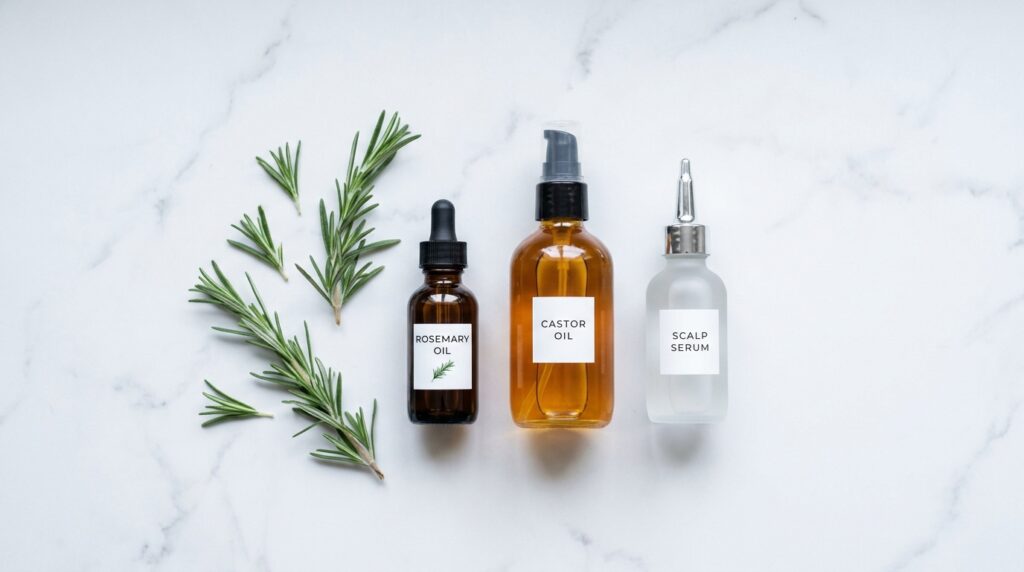
Hair growth oils have become one of the most marketed product categories in haircare, and some of them have a more legitimate evidence base than others. Rosemary oil is one of the most studied natural hair growth ingredients, and a 2015 study found it to be as effective as minoxidil at promoting hair growth over a six-month period. Applied to the scalp and massaged in, rosemary oil improves scalp circulation and has shown genuine promise in research. Peppermint oil has also shown positive results in scalp circulation studies, though the evidence base is smaller.
Castor oil has a devoted following for hair growth and has been used for this purpose for a very long time, but the research evidence for its growth-stimulating effects is thinner than for rosemary oil. What castor oil does do well is coat and protect the hair shaft, reducing breakage and moisture loss from the length. Its benefits for retention rather than growth per se are more clearly established.
Minoxidil, sold over the counter under brand names, is the most clinically proven topical treatment for hair growth and is FDA approved for this purpose. Originally developed as a blood pressure medication, its hair growth side effect was discovered and led to topical formulations specifically for the scalp. It works by prolonging the anagen growth phase and increasing follicle size. It’s not a natural product and has some potential side effects worth being aware of, but it’s the most rigorously evidence-backed option for people who want to go beyond general health optimization.
Scalp serums containing peptides, caffeine, and niacinamide are a newer category that has attracted research interest, and early evidence suggests some of these ingredients may have mild stimulating effects on follicle activity. Caffeine in particular has shown some positive results in early research for extending the anagen phase. These serums are generally safe to try and some people report positive results, though they sit below rosemary oil and minoxidil in terms of the strength of their evidence base.
Managing Stress and Sleep
Chronic stress is one of the most commonly underestimated factors in slowed hair growth and increased shedding, and it operates through a specific mechanism. High levels of the stress hormone cortisol have been shown to interfere with the hair growth cycle, pushing more follicles into the telogen resting phase simultaneously. This is what produces the diffuse shedding that often follows a period of significant stress by two to three months, which is why the connection between a stressful period and subsequent hair shedding isn’t always obvious.
Managing stress through regular exercise, adequate sleep, and stress-reduction practices isn’t just good general health advice. For hair growth specifically, reducing chronically elevated cortisol levels supports the normal hair growth cycle and reduces the premature transition to telogen that stress triggers. This is one of those areas where the lifestyle factor has a more direct and significant impact on hair growth than many people realize.
Adequate sleep is important for hair growth because much of the body’s cellular repair and regeneration, including in the hair follicle, happens during sleep. Consistently getting seven to nine hours of quality sleep supports the overall health environment that hair growth depends on. This is rarely the primary cause of slowed growth but it contributes to the overall picture of a body that has the resources to prioritize hair growth.
Realistic Expectations and Timelines

Setting realistic expectations is genuinely important for approaching hair growth without constant disappointment. Half an inch per month is the average growth rate, which means six inches per year and about two and a half inches over six months. That’s the realistic baseline for most people, and it’s worth internalizing before starting any growth-focused routine so that you’re measuring progress against a realistic standard rather than the exaggerated claims of marketing.
The changes that make the most difference, addressing nutritional deficiencies, reducing breakage, improving scalp health, and managing stress, take time to show up visibly. Nutritional changes take months to affect hair that’s grown from properly nourished follicles. Breakage reduction shows up gradually as the ends retain more length over time. Scalp health improvements produce their most noticeable effects after several months of consistency.
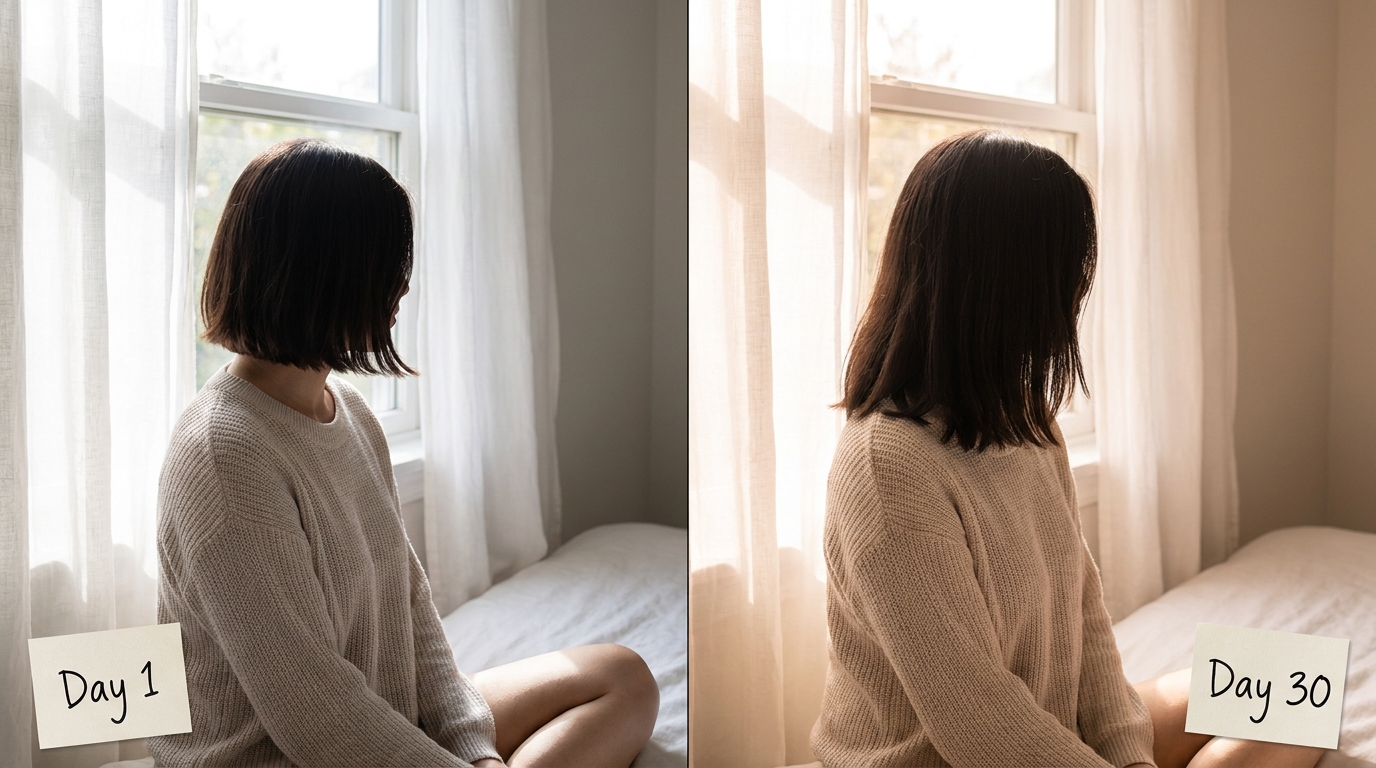
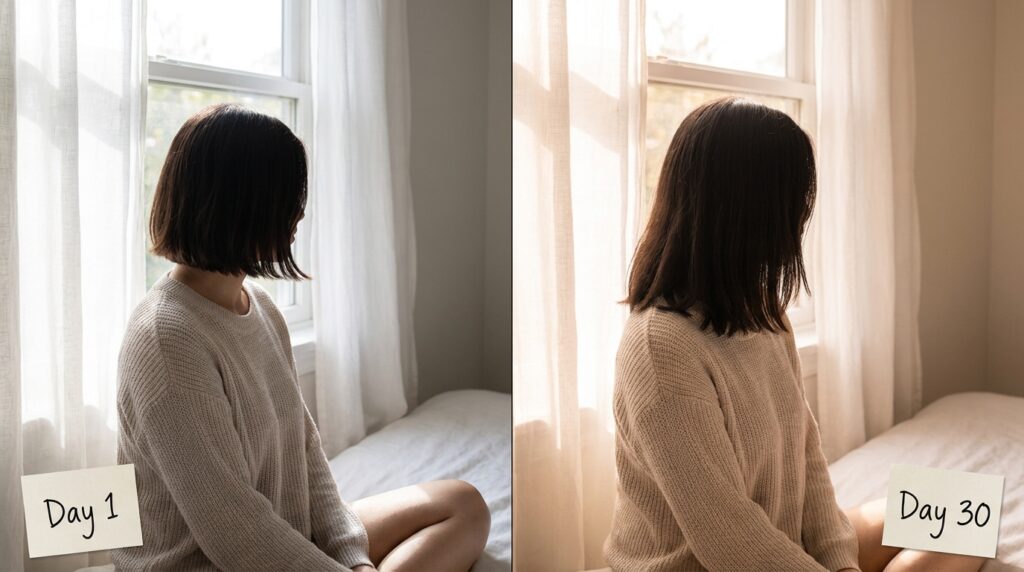
Measuring progress accurately means taking a photograph of your hair from the same angle, in the same lighting, in the same style, every month rather than trying to judge by eye. Hair growth is slow enough that the human eye struggles to perceive it week to week, and having actual photographic evidence of progress keeps the motivation intact through the months of consistency that producing meaningful results requires.
Frequently Asked Questions
Does trimming hair make it grow faster?
No. Trimming removes length from the ends and has no effect on the follicles in the scalp where growth happens. What regular trims do is remove split ends before they travel up the shaft, which reduces breakage and allows more of the growth that’s happening to actually be retained as visible length. The hair doesn’t grow faster but more of the growth you’re getting is preserved.
Do hair growth supplements work?
It depends on why your hair isn’t growing optimally. If a nutritional deficiency is the cause, addressing it through supplements can produce meaningful improvement. If your nutrition is already adequate, most supplements are unlikely to produce significant additional benefit beyond what a good diet already provides. Getting a blood test to identify any actual deficiencies before spending money on supplements is the more targeted and effective approach.
How long does it take to see results from a hair growth routine?
Most people start to see noticeable results after three to six months of consistent practice. Hair growth is slow, and the cumulative effect of reduced breakage, improved scalp health, and better nutrition takes time to become visible as actual length. Expecting significant results in four to six weeks is usually unrealistic.
Does scalp massage actually work?
Yes, with consistent practice. The evidence for scalp massage improving hair thickness and potentially growth rate through increased blood circulation to the follicles is more solid than for most natural hair growth interventions. Four to five minutes daily produces more benefit than occasional longer sessions.
Can stress cause hair loss?
Yes. Significant physical or emotional stress can trigger a condition called telogen effluvium, where a larger than normal percentage of follicles enter the resting phase simultaneously, leading to increased shedding two to three months after the stressful event. This is usually temporary and resolves as the stress is managed, but chronic ongoing stress can maintain elevated shedding for longer periods.
Is it possible to grow hair faster than the average rate?
Within a certain range, yes. Some people’s genetics allow for slightly faster growth than the half-inch-per-month average, and optimizing nutrition, scalp health, and breakage reduction can help ensure you’re growing at your personal genetic maximum rather than below it. But no intervention will produce two inches of growth per month in someone whose genetics support half an inch. Managing expectations around this is one of the most important parts of approaching hair growth without frustration.