How to Prevent Split Ends
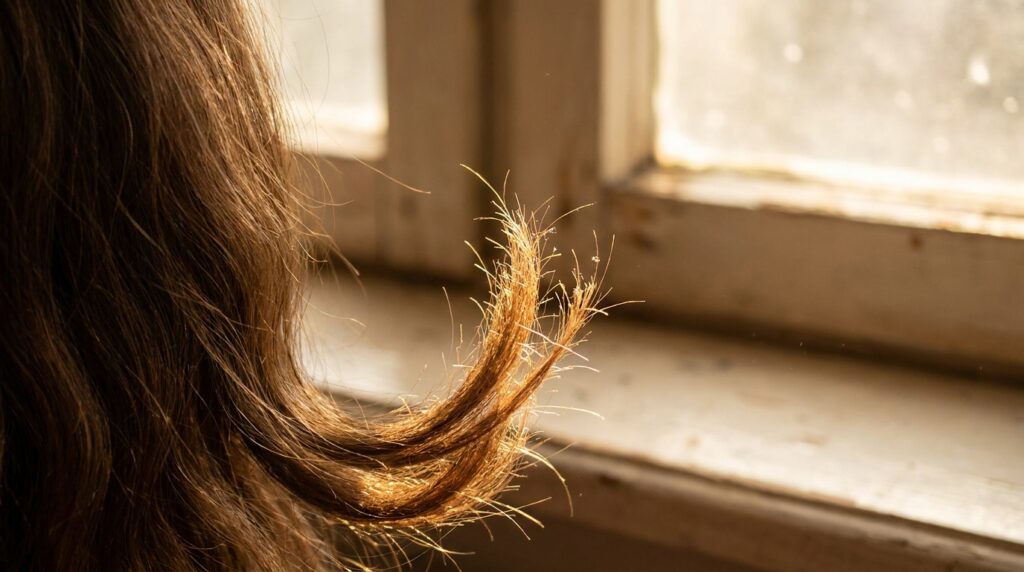
Split ends are one of those hair problems that feel inevitable. You get a trim, things look great for a few weeks, and then slowly but surely the ends start to look rough again, frayed at the tips, dull instead of smooth, catching on your fingers when you run them through your hair. And so the cycle continues: trim, grow, split, repeat.
The frustrating truth is that split ends can’t be reversed once they’ve formed. Once the hair fiber has physically split at the tip, the only real fix is cutting the split off. But what most people don’t realize is that split ends aren’t inevitable at all. They’re almost entirely caused by specific habits, practices, and environmental factors that can be identified and addressed. Prevention is not only possible, it’s actually quite straightforward once you understand what’s causing the damage in the first place.
This guide covers every major cause of split ends, what’s actually happening to the hair fiber when they form, and the specific changes you can make to significantly reduce how quickly and how often they appear. The goal isn’t a world where you never get a trim. It’s a world where your trims are further apart and your hair looks healthier and stronger in between them.
What Split Ends Actually Are
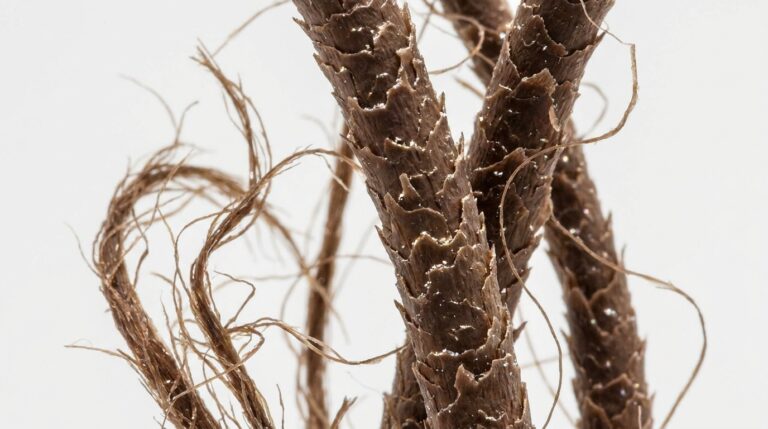
A split end forms when the protective outer layer of the hair, called the cuticle, breaks down at the tip of the strand, exposing the inner cortex of the hair fiber and allowing it to split apart. The cuticle is made up of overlapping scales, a bit like roof tiles, that lie flat when hair is healthy and protect the inner structure of the strand. When those scales are repeatedly lifted, cracked, or stripped away by heat, friction, chemicals, or moisture loss, the tip of the hair becomes vulnerable and eventually physically separates.
Split ends come in different forms, and understanding which type you’re dealing with gives you clues about the cause. The classic split, where the tip divides into a Y shape, is the most common and typically indicates mechanical damage or general dryness. A deep split that travels further up the shaft suggests more significant or prolonged damage. A feathered or frayed end that looks like a paintbrush rather than a clean tip indicates advanced damage from heat or chemical processing. Multiple splits at different points along the same strand suggest the hair has been under consistent stress from various sources simultaneously.
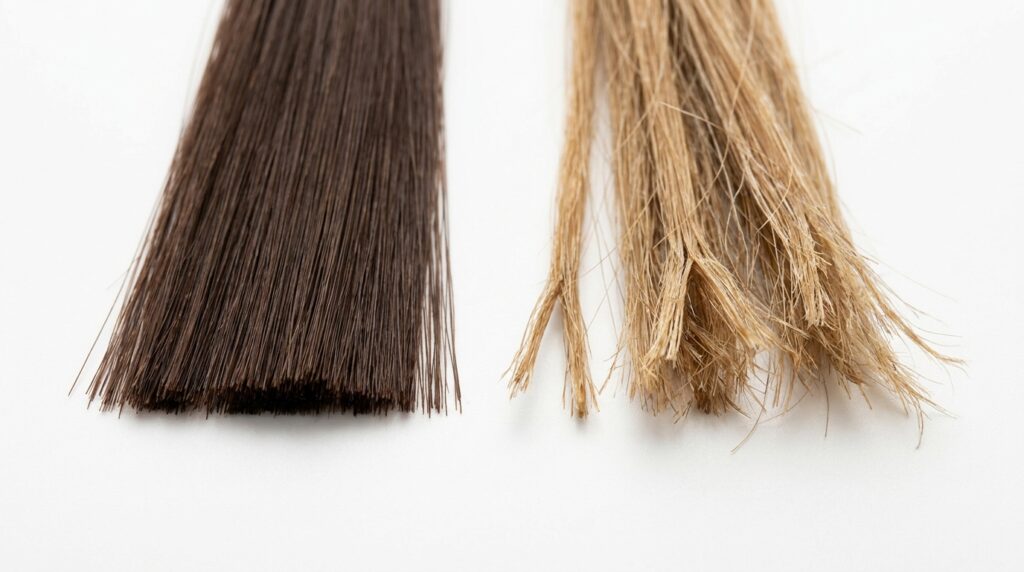
The hair at the ends is the oldest part of each strand and has been through the most cumulative wear. It’s been washed, dried, styled, exposed to sun and pollution, and handled more times than the newer growth at the roots. This is why the ends are always the first place damage shows up, and why they need the most moisture and the most protection to stay healthy.
Heat Damage Is the Biggest Culprit
High heat applied repeatedly to the hair without adequate protection is the single most common cause of split ends for most people. Every time a flat iron, curling wand, or blow dryer at a high temperature contacts the hair, it removes moisture from the hair shaft and disrupts the cuticle. The ends of the hair, being the oldest and most repeatedly exposed section, accumulate this damage faster than the rest of the length.
The temperature settings most people use are significantly higher than they need to be. Fine or already-damaged hair shouldn’t exceed 300 degrees Fahrenheit, medium hair can handle up to around 350 degrees, and only very thick, coarse hair genuinely needs temperatures above that. Most people default to the highest setting regardless of their hair type, which means they’re applying significantly more heat than is necessary to achieve the same result. Lower temperatures with a slower, more deliberate pass through the hair produce comparable results with considerably less cumulative damage.

Heat protectant is the most important product for anyone who uses heat tools regularly, and the way it’s applied matters as much as whether it’s used at all. A heat protectant sprayed only on the surface layer of the hair protects that layer but leaves the underneath uncoated and vulnerable. Working the product through every section of hair before applying heat ensures every strand has some barrier between it and the tool. It also needs to be applied before the tool, not after, since applying it to already-hot hair defeats the purpose entirely.
Blow-drying technique affects split end formation more than most people realize. Holding a blow-dryer in one spot for an extended period concentrates heat on a single section of hair repeatedly, which accelerates damage at the ends. Keeping the dryer moving, pointing the nozzle downward along the hair shaft to smooth rather than ruffle the cuticle, and using a cool shot at the end of each section all reduce the heat damage that accumulates during blow-drying.
Mechanical Damage From Daily Handling
The way you handle your hair every single day has a cumulative impact on split end formation that rivals heat in terms of its significance, and it’s an area where even small habit changes make a meaningful difference over time.
Rough towel drying after washing is one of the most universally common causes of split end acceleration. The instinct to rub hair vigorously with a towel to get it dry faster creates massive amounts of friction that roughens the cuticle and physically frays the ends. Switching to a gentle squeezing and pressing motion with a microfiber towel or a soft cotton t-shirt removes excess water without creating the friction that damages the hair’s surface. This takes the same amount of time and requires no new products, just a change in technique.

Brushing or combing hair aggressively, particularly when it’s dry and tangled, forces the brush or comb through knots by breaking hair fibers rather than releasing them. Detangling from the ends upward, working through small sections with a wide-tooth comb or a detangling brush on damp, conditioned hair, removes knots without the snapping and tearing that causes split ends and breakage. The direction and the starting point make an enormous difference to how much physical damage detangling creates.
Elastic hair ties and accessories with metal parts catch on the hair and create micro-tears along the shaft every time they’re put in or taken out. The ends of the hair, which are already the most fragile section, take particular damage from repeated elastic use. Switching to soft, fabric-covered hair ties, spiral ties, or scrunchies significantly reduces the mechanical damage that hair accessories contribute to split end formation.
Cotton pillowcases create friction against the hair throughout the night that roughens the cuticle and contributes to both tangling and split end formation over time. Switching to a satin or silk pillowcase reduces this friction dramatically with no additional effort required beyond the initial switch. For people who tend to move a lot in their sleep, a satin bonnet or loosely braiding the hair before bed achieves the same friction-reducing effect.
Moisture Loss and Dryness
Dry hair is significantly more prone to split ends than adequately moisturized hair, because moisture is what gives hair its flexibility and elasticity. A well-hydrated hair strand can bend and flex without snapping or splitting at the tip. A dry, moisture-depleted strand becomes rigid and brittle, more likely to crack under the everyday stresses of styling and handling.
The ends of the hair are the driest section of any strand because they’re the furthest from the scalp’s natural oil production. The sebum that the scalp produces to coat and protect the hair shaft has to travel the full length of the strand to reach the ends, and on longer hair particularly, it never quite makes it all the way. This natural dryness at the ends is why they need the most moisture and why conditioning products should always be concentrated there rather than at the roots.
Deep conditioning once a week is the most effective way to maintain adequate moisture levels throughout the length of the hair, particularly at the ends. A deep conditioner applied generously from mid-length to the tips, covered with a shower cap, and left on for at least twenty minutes delivers the kind of sustained moisture that a regular rinse-out conditioner used briefly doesn’t provide. Over several weeks of consistent deep conditioning, the cumulative improvement in the hair’s moisture levels is noticeable both in feel and in how well the ends hold up between trims.
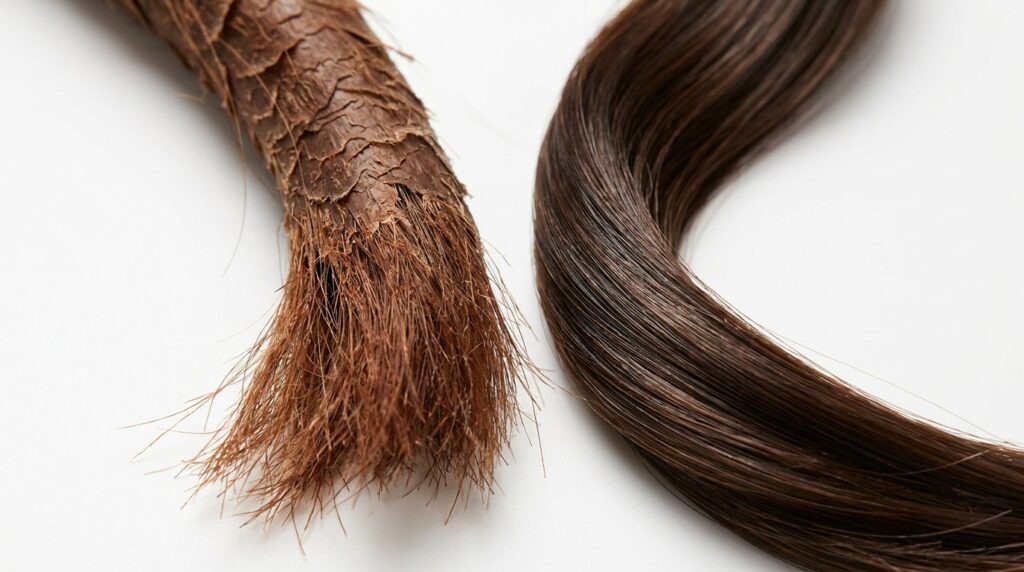
Leave-in conditioner applied to damp hair after washing provides an additional moisture layer that stays in the hair throughout the day, reducing the dryness that makes ends vulnerable. Focused particularly on the mid-lengths and ends where the hair needs it most, a leave-in creates a light protective coating that helps the hair resist the daily stresses that lead to splitting.
Hair oil applied to the ends is one of the most targeted and effective things you can do specifically for split end prevention. A small amount of oil, argan, jojoba, or coconut oil all work well, applied to the very ends of the hair after styling seals the cuticle, locks in moisture, and provides a physical barrier against the friction and environmental exposure that breaks down the ends over time. The key is a genuinely small amount, a few drops worked between the palms and smoothed over the tips, since too much oil makes the ends look greasy rather than healthy.
Chemical Processing and Color Damage
Chemically treated hair is significantly more prone to split ends than unprocessed hair because the chemical processes involved in bleaching, coloring, perming, and relaxing alter the hair’s protein bonds and disrupt the cuticle in ways that make the ends more vulnerable to splitting. Bleached hair in particular, especially hair that has been lifted to a very light shade or bleached multiple times, has a compromised cuticle structure that splits and frays more readily than natural hair under the same conditions.
Overlapping chemical services before the hair has had time to recover accelerates damage throughout the length and at the ends specifically. Every chemical service adds to the cumulative disruption of the hair’s structure, and ends that are already fragile from previous processing become progressively more vulnerable with each additional service. Spacing chemical services appropriately, using strengthening and bond-building treatments between appointments, and being honest with your stylist about the current condition of your hair all help manage the damage that comes with ongoing chemical processing.
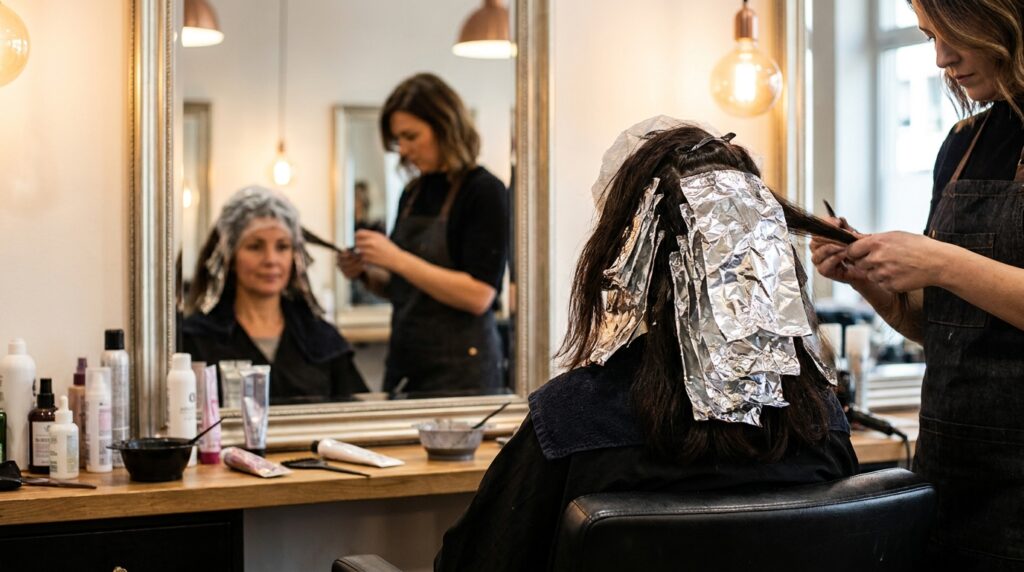
Using strengthening treatments containing bond-building ingredients between chemical services helps reinforce the hair’s internal structure and reduces the splitting that tends to accelerate after bleaching or coloring. Treatments containing bis-aminopropyl diglycol dimaleate or similar bond-building compounds work at the molecular level to temporarily repair some of the damage that chemical processing causes, making the hair more resilient between appointments.
Environmental Factors
Sun exposure breaks down the hair’s protein structure and strips moisture in the same way it affects skin, and the ends of the hair, being the most exposed section, are particularly vulnerable. UV radiation degrades the keratin in the hair shaft and causes the cuticle to lift, which accelerates moisture loss and makes the hair more prone to splitting. During periods of high sun exposure, wearing a hat, using a UV-protective hair product, or applying a lightweight oil to the ends before going outside all provide some degree of protection. This is one of the most commonly overlooked causes of split ends, particularly for people who spend a lot of time outdoors in summer.
Hard water, which contains high concentrations of minerals like calcium and magnesium, deposits mineral buildup on the hair shaft over time that makes the hair feel rough and dry and contributes to split end formation. A clarifying shampoo used once a month removes mineral buildup that regular shampooing doesn’t fully address. A shower filter that reduces mineral content is a more comprehensive solution for people in areas with very hard water, and the difference it makes to hair texture and split end frequency can be quite significant.
Cold, dry winter air strips moisture from the hair in the same way it strips moisture from skin, making split ends more common in winter for many people. Wearing a silk-lined hat rather than a regular wool or cotton hat reduces both moisture loss and friction against the hair during cold weather. Increasing deep conditioning frequency in winter, adding a heavier oil or butter to the ends, and washing hair slightly less frequently during cold months all help manage the additional moisture loss that colder weather brings.
The Role of Regular Trims
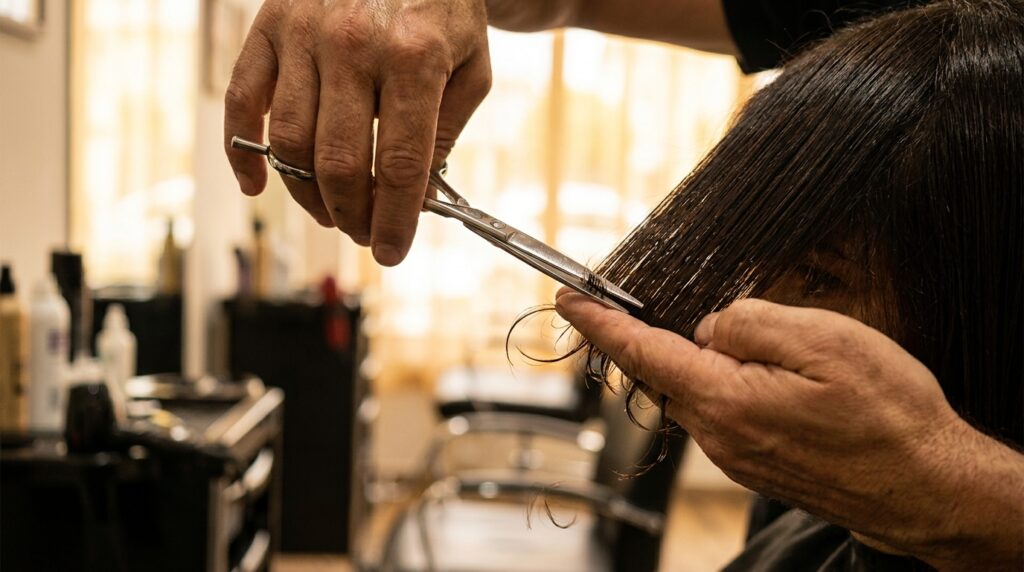
Regular trims don’t make hair grow faster, but they do keep split ends from traveling up the hair shaft and causing damage in sections that would otherwise be healthy. A split end that isn’t removed continues to split upward over time, eventually reaching sections of the hair well above the original tip. Regular small trims remove the split before it travels, keeping the damage contained and allowing the rest of the length to grow out in better condition.
How often you need a trim depends on how well you’re managing the other causes of split ends. Someone who uses heat tools daily without heat protectant and never deep conditions will need trims much more frequently than someone who air-dries most days and maintains a consistent moisture routine. Improving your split end prevention habits genuinely does extend the time between necessary trims, which is part of why addressing the causes matters so much.
Micro-trimming, removing just a few millimeters rather than a full inch or more, is an effective approach for people who are trying to grow their hair while keeping split ends managed. The key is being consistent rather than waiting until the damage is significant. A very small trim every six to eight weeks prevents the need for a much more significant cut every few months.
Frequently Asked Questions
Can split ends be repaired without cutting?
No. Once the hair fiber has physically split, the only way to remove the split is to cut it off. Products marketed as split end “repairers” can temporarily seal the appearance of a split end by coating the hair, but they don’t fuse the fiber back together. The split will reopen as soon as the coating wears off or is washed away.
How often should I trim to prevent split ends?
This depends on your hair’s condition and how well you’re managing the causes. Every six to eight weeks is a common recommendation for actively split-prone hair. People with healthier, less damaged hair and good preventive habits can often go twelve to sixteen weeks between trims. Paying attention to how quickly your ends deteriorate after a trim gives you a reliable personal guide.
Does brushing hair cause split ends?
Aggressive brushing, particularly on dry, tangled hair, definitely contributes to split end formation. Gentle detangling with a wide-tooth comb on damp, conditioned hair causes significantly less damage. The type of brush matters too. Brushes with smooth, rounded bristles cause less mechanical damage than those with sharp or uncoated tips.
Do hair masks help prevent split ends?
Yes, consistently used deep conditioning masks significantly reduce split end formation by maintaining the moisture levels that keep the hair flexible and resilient. They don’t repair existing splits but they do keep the hair in better condition so new splits form more slowly.
Is it true that certain foods prevent split ends?
Diet affects hair health in a general sense. Adequate protein, iron, biotin, and essential fatty acids all support healthy hair growth and structure. While no specific food directly prevents split ends, consistently good nutrition supports the hair’s overall strength and resilience, which indirectly reduces how quickly damage accumulates at the ends.
Why do my split ends come back so quickly after a trim?
Split ends that return quickly after trimming almost always indicate that the underlying causes haven’t been addressed. If heat damage, rough handling, moisture loss, or chemical damage continue at the same rate after a trim, the new ends will split just as quickly as the old ones did. Identifying and addressing the specific habits and practices causing the damage is what produces lasting improvement rather than just temporary relief.