Volumizing Hairstyles for Fine Hair to Create More Fullness
Fine hair has a reputation it doesn’t entirely deserve. It gets described as difficult, as something to work around, as a limitation rather than a characteristic. But fine hair also has qualities that thicker hair often doesn’t: it tends to be naturally silky, it moves beautifully, it catches light in a way that reads as glossy and healthy, and it responds to styling products and heat tools more readily than coarser textures. The challenge with fine hair isn’t that it’s inherently problematic. It’s that many of the most popular hairstyles were designed with medium to thick hair in mind, and fine hair needs its own approach to look its best.
The most important thing to understand about fine hair is the difference between fine and thin. Fine refers to the diameter of individual hair strands, which is narrow. Thin refers to the density of hair on the scalp, meaning how many hairs per square inch you have. You can have fine hair that’s also dense, lots of individual strands but each one narrow, which gives you a reasonably full head of hair with fine texture. Or you can have fine hair that’s also thin, fewer strands that are each narrow, which produces the flatness and lack of volume that people most associate with fine hair. Most of the advice in this guide applies to both, but understanding the distinction helps you figure out which recommendations will be most relevant to your specific hair.
This guide covers the cuts, lengths, and styling approaches that consistently work best for fine hair, along with the techniques and details that make those styles hold up through a full day rather than going flat by lunchtime.
Why Fine Hair Needs Specific Consideration
Fine hair has a natural tendency to lie close to the scalp, which is the root cause of most of the challenges people associate with it. Because each strand is narrow and lightweight, fine hair doesn’t have the structural bulk to hold itself away from the head the way thicker hair does. This is why fine hair goes flat, why it loses volume quickly, and why styles that look full and dimensional on thicker hair can look limp and flat on fine hair even when executed perfectly. Understanding this tendency is the starting point for working with fine hair rather than against it.
Fine hair is also more prone to showing oiliness quickly. The scalp’s natural oils travel down a fine hair shaft faster than they do down a thicker one, which means fine hair tends to look greasy sooner after washing than medium or thick hair. This can feel like a daily battle, but understanding why it happens makes it easier to address through washing frequency and the right dry shampoo approach rather than just washing more frequently, which often makes the problem worse over time by stimulating even more oil production.
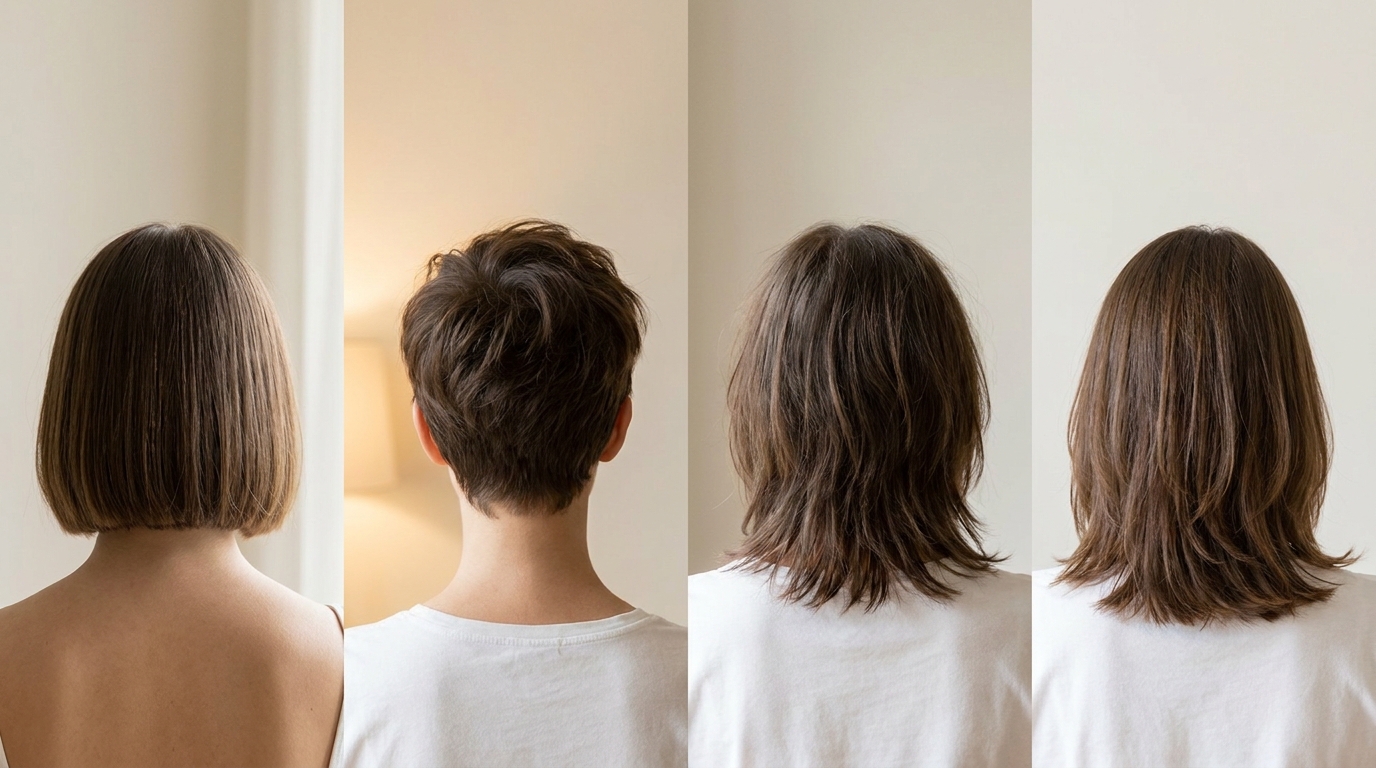
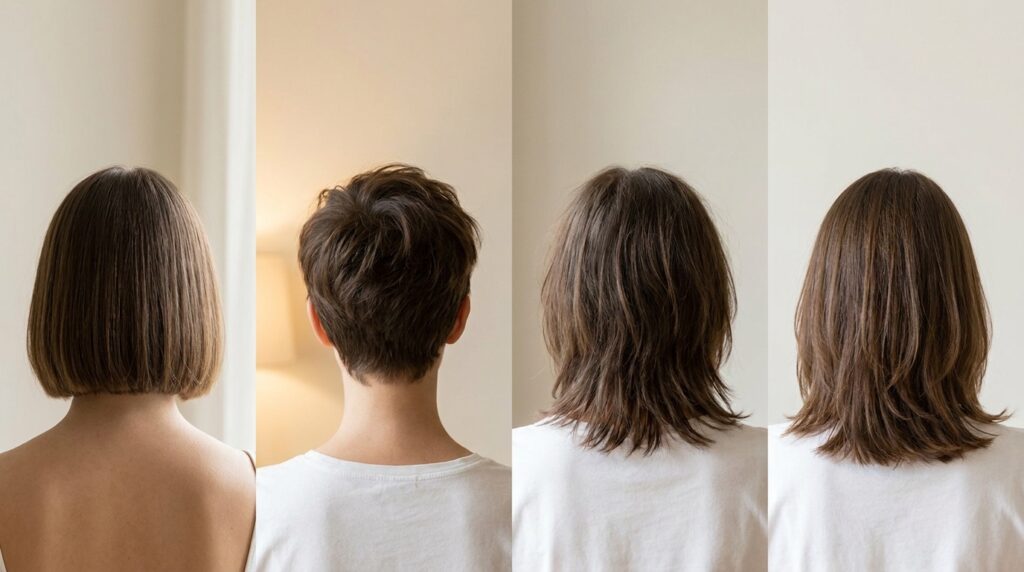
The good news is that fine hair responds exceptionally well to the right cut. A well-designed haircut for fine hair creates the illusion of volume and thickness through strategic layering, length, and shape. The right cut makes fine hair look significantly fuller and more textured than the same hair with no shaping at all, which is why the cut is the most important single investment anyone with fine hair can make. A great cut on fine hair is transformative in a way that product and styling alone simply cannot replicate.
The Bob and Lob
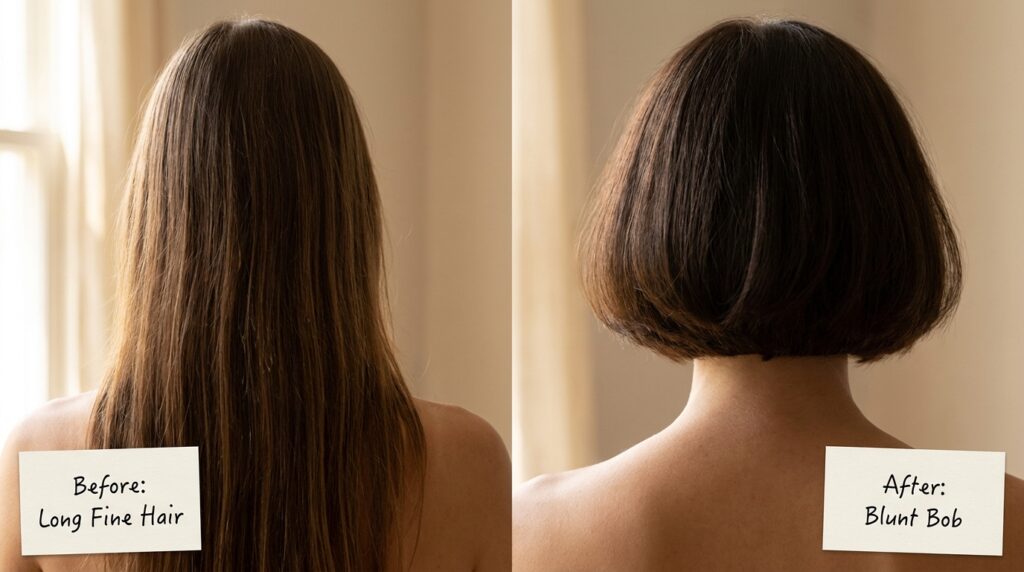
The bob is probably the single most universally recommended cut for fine hair, and there’s a genuinely good reason for that. Shorter hair is lighter hair, and lighter hair has an easier time holding itself away from the scalp. When fine hair is cut to bob length, somewhere between the jaw and the shoulders, the reduced weight of the shorter length allows it to have more natural volume and movement than the same hair grown longer. The ends also look fuller at shorter lengths since there’s less accumulated thinning toward the tips that happens as hair grows longer.
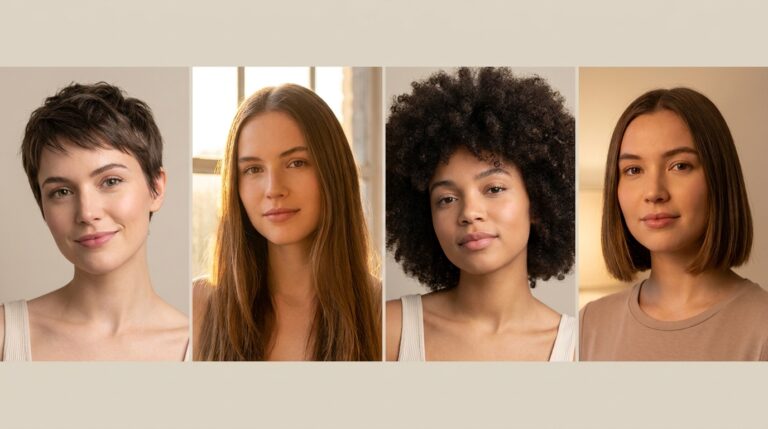
A blunt bob, where all the hair is cut to the same length in one clean line, is particularly effective for fine hair because the blunt edge creates the optical illusion of thickness. When all the strands end at the same point, the overall edge of the hair looks denser and more substantial than layered ends that taper to individual points. A blunt bob on fine hair often looks genuinely thick, which is one of the more satisfying transformations a fine-haired person can experience at the salon. It’s also one of the most low-maintenance cuts for fine hair since the blunt line is forgiving as it grows out.
The lob, falling somewhere between the chin and the collarbone, offers a middle ground between the fullness of a short bob and the length that many people don’t want to give up. A lob with a blunt or slightly layered finish works well for fine hair, though it’s worth being aware that the longer it gets toward the collarbone, the more the weight of the length starts to pull the hair flat. Keeping a lob at the right length for your specific hair density is something worth discussing with your stylist, since the ideal length varies depending on how fine and how dense the hair is.
Both the bob and lob work particularly well when styled with a blowout using a round brush, since the round brush technique creates volume at the root and curl at the ends that give fine hair its most convincing appearance of fullness. The blowout adds body that fine hair lacks naturally, and at bob and lob lengths the style tends to hold much better than on longer hair where the weight works against the volume.
Layers: The Right Kind for Fine Hair
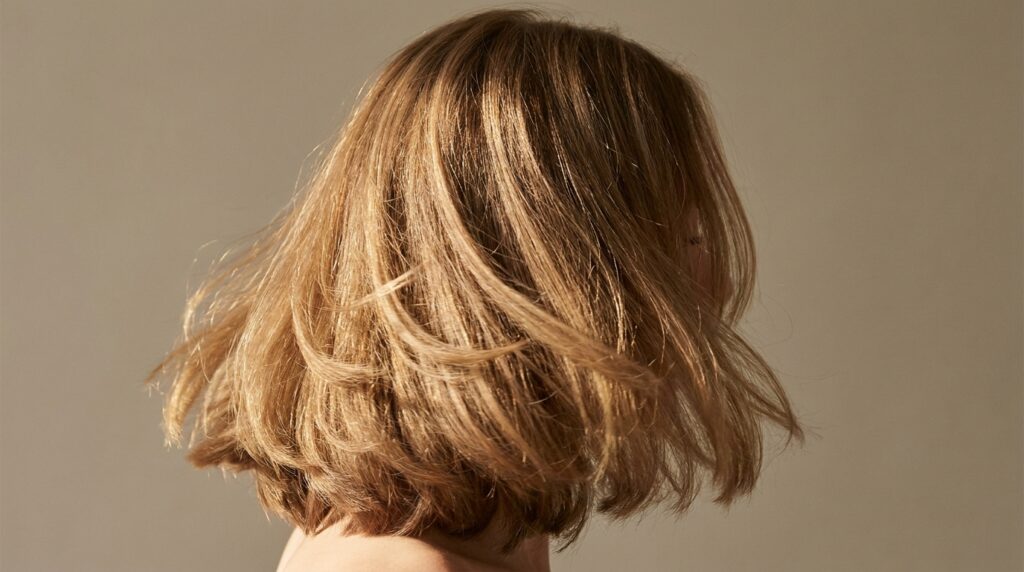
Layering is one of the most powerful tools for fine hair, but the type of layering matters enormously. Not all layers are created equal, and the wrong kind of layering can actually make fine hair look thinner rather than fuller by removing too much weight and leaving the ends wispy and sparse.
The most flattering layers for fine hair are internal layers that remove weight from underneath and through the mid-lengths without significantly thinning the surface or the ends. These layers add movement and texture to the interior of the hairstyle without making the ends look scraggly or see-through. Internal layers are invisible when the hair is combed smooth but create bounce and movement when the hair is styled, giving fine hair a much more textured, dimensional quality.
Avoid very heavy external layering, also called razor cutting or extreme point cutting at the surface, which removes too much weight from fine hair and leaves the ends looking thin and stringy rather than textured. When a stylist over-layers fine hair, the ends can become so sparse that they’re see-through, which makes the hair look thinner than it actually is. Asking for layers that add movement without significantly reducing the density of the ends is the key conversation to have with your stylist.
A layered fringe or curtain bangs can add significant visual weight to the upper face and crown area that fine hair often lacks, creating the impression of more density around the hairline. Bangs work particularly well for fine hair because they add a horizontal element that reads as fullness, and they give the hair somewhere to go at the front rather than lying flat against the forehead.
Short Cuts That Work
Very short cuts, including the pixie and its variations, can look surprisingly full and voluminous on fine hair when they’re cut with the right technique. The key is that shorter hair carries less weight, which means fine hair at pixie length can have genuine lift and volume at the crown that would be impossible at longer lengths. Many people with fine hair who go short for the first time are genuinely surprised by how full their hair looks and wish they had made the change sooner.
A textured pixie with choppy, irregular layers on top gives fine hair the most volume and the most interesting shape, since the irregular texture catches light differently at different angles and creates the impression of density. A very smooth, sleek pixie doesn’t serve fine hair as well since there’s nothing to create visual texture and the flatness of the hair is more apparent.
A pixie with slightly longer pieces on top that can be styled upward and away from the scalp is a particularly strong option for fine hair since it maximizes the crown volume that short lengths make possible. Styling the longer top pieces upward with a light-hold product creates genuine height that gives the whole head of hair a fuller appearance. This style also tends to be very versatile since the longer top pieces can be worn swept to one side, pushed back, or styled upward depending on the occasion.
The shag haircut is another short to medium option that works particularly well for fine hair because its choppy, heavily layered structure creates visual texture and movement that makes hair look thicker than it is. The shag’s intentionally undone, tousled aesthetic also means that fine hair’s natural tendency to look somewhat flat actually reads as part of the style’s intended character rather than a flaw.
Length Considerations
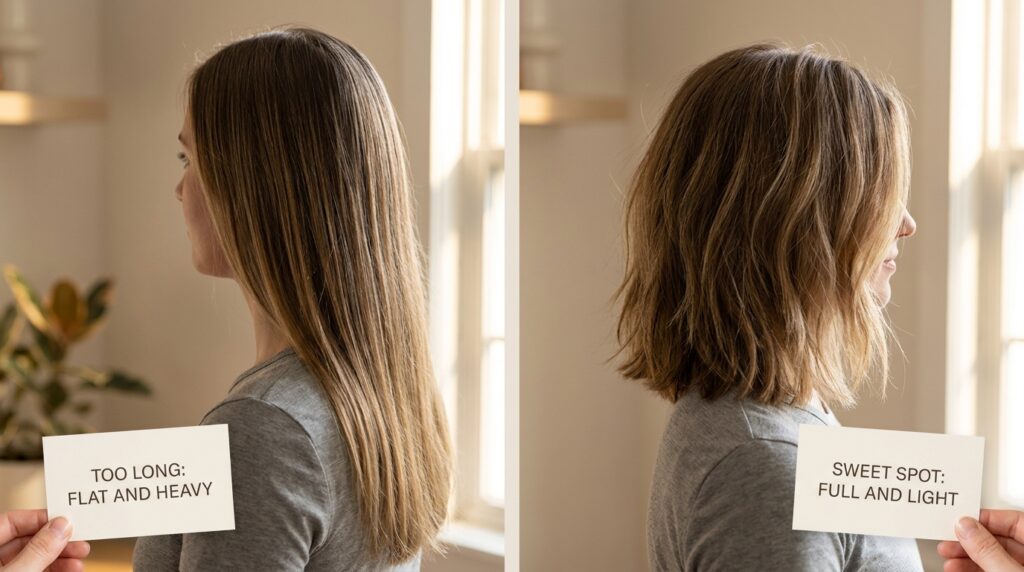
As a general principle, fine hair tends to look its best at shorter to medium lengths rather than very long, and understanding why helps you make more informed decisions about whether to grow your hair or keep it shorter.
Very long fine hair tends to go flat because the weight of the length pulls the hair down against the scalp and keeps it there. At longer lengths, fine hair often can’t hold any volume or shape and lies completely flat from the crown to the shoulders, looking limp and lacking any of the movement and dimension that shorter fine hair can have. The longer fine hair gets, the more apparent its flatness becomes, and the more effort is required to style it into something that looks full and healthy.
If you love long hair and don’t want to give up your length, there are ways to make it work better for fine hair. Keeping layers throughout the length rather than leaving it all one weight helps significantly. Avoiding very heavy, moisturizing products that weigh fine hair down is important. Styling with a round brush blowout at the roots adds volume that can last through the day. And accepting that very long fine hair will always require more styling effort to look full than shorter fine hair is a realistic expectation to set. Many people with fine hair find that the effort required to maintain very long hair looking good eventually leads them to cut it, but that’s a personal decision worth making with full information rather than out of frustration.
The sweet spot for most fine hair types is somewhere between the chin and the collarbone, where the hair is short enough to have some natural volume and movement but long enough to offer styling versatility and enough length to satisfy most people who aren’t ready to go very short.
Styling Techniques That Make the Biggest Difference
Styling technique matters more for fine hair than for almost any other hair type, because fine hair’s tendency to go flat means that every styling decision either adds to or takes away from the volume the cut has created. Getting the technique right is what separates fine hair that looks flat and limp by midday from fine hair that holds its shape and volume through a full day.
Root lifting is the single most impactful styling technique for fine hair. Applying a volumizing mousse or root-lifting spray to the roots before blow-drying, then directing the blow-dryer nozzle upward at the roots while lifting sections away from the scalp with a round brush, creates volume at the base of the hair that gravity alone would never produce. This technique doesn’t require professional skill but it does require patience and practice to get right. The investment in learning it is one of the highest-return styling skills a fine-haired person can develop. Done consistently, it transforms how fine hair looks and how long any style holds throughout the day.
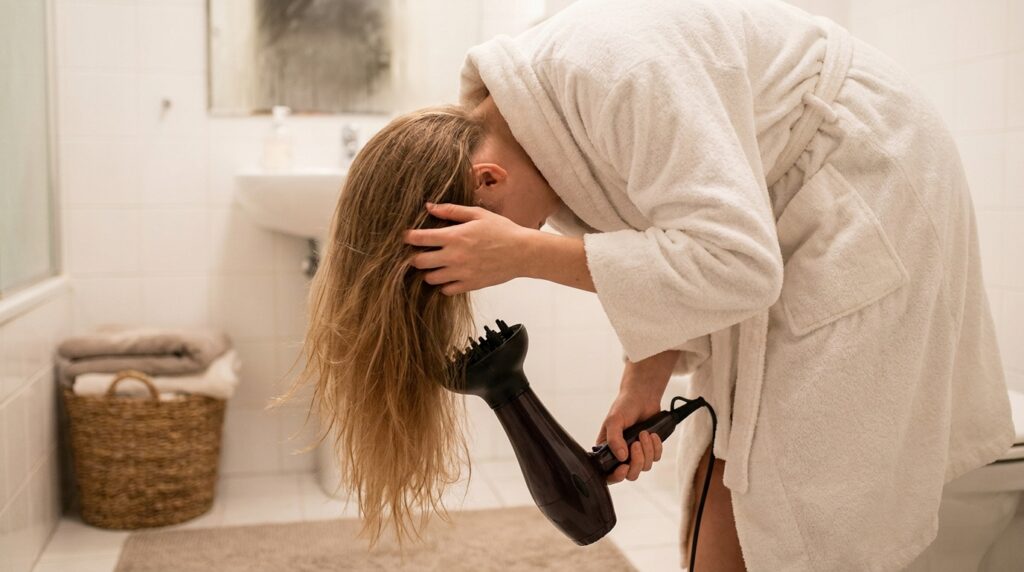
Blow-drying upside down is a quicker version of the same principle. Flipping the head forward and blow-drying from underneath creates root lift across the entire head simultaneously without needing to work section by section. The results aren’t as polished as a proper round brush blowout but they’re much faster and still produce a noticeable volume improvement over air-drying or blow-drying right-side up. For days when time is limited, this technique is genuinely worth the minor inconvenience of flipping your head forward for a few minutes.
Dry shampoo at the roots is one of the most useful products for fine hair, both for extending the time between washes and for adding texture and grip that gives fine hair something to hold a style. Applied to the roots on the second or third day after washing, dry shampoo absorbs the oil that makes fine hair look flat and adds a powdery texture that gives the hair more body and volume. It also works as a pre-styling product on freshly washed hair, applied to dry roots before styling to give extra grip and hold.
Avoid applying heavy products to the lengths and ends of fine hair. Rich oils, heavy creams, and thick serums applied to fine hair weigh it down and make it look flat and greasy rather than healthy and shiny. Lightweight sprays, fine mists, and very small amounts of light serum applied only to the very tips are as much product as fine hair typically needs or can carry without losing volume.
Frequently Asked Questions
Does fine hair need layers?
The right kind of layers, yes. Internal layers that add movement and texture to the interior of the style without thinning the ends make fine hair look fuller and more dimensional. Very heavy external layering or excessive thinning of the ends can actually make fine hair look thinner. The type of layering matters as much as whether you have it.
Can people with fine hair grow it long?
Yes, though very long fine hair tends to require more styling effort to look full and tends to go flat more readily than shorter fine hair. Keeping some layering throughout the length, using lightweight products, and styling with a root-lifting technique helps significantly. Setting realistic expectations about the extra effort involved is part of making long fine hair work.
What is the best haircut for fine hair with no volume?
A blunt bob or lob is the most reliably effective option since the blunt edge creates the optical illusion of thickness and the shorter length reduces the weight that pulls fine hair flat. A blunt cut at jaw to collarbone length is one of the most common and most successful transformations for fine hair with low volume.
Should fine hair be washed every day?
Not necessarily, though fine hair does tend to show oiliness more quickly than thicker hair. Washing every other day with a volumizing shampoo and using dry shampoo on in-between days is a common approach that keeps fine hair looking clean and full without the over-washing that can stimulate even more oil production over time.
What products are best for fine hair?
Volumizing mousses and root-lifting sprays applied before blow-drying, dry shampoo for between-wash days, and lightweight finishing sprays rather than heavy serums or oils. The general principle is that fine hair benefits from products that add texture and grip rather than products that add moisture and weight.
Does color affect fine hair volume?
Yes, in a positive way. Color-treated fine hair often appears thicker than natural fine hair because the coloring process slightly roughens the hair cuticle, adding texture and grip that makes the hair feel and look more substantial. Highlights in particular add visual dimension that creates the impression of thickness. This is one of the reasons that color is often recommended as a complementary strategy for fine hair alongside the right cut.