The Best Hairstyles for Naturally Curly Hair
Naturally curly hair is one of the most diverse and beautiful hair types there is, and also one of the most misunderstood when it comes to styling. For decades, the default approach to curly hair in salons and beauty culture was to straighten it, tame it, or work around it rather than with it. The result was a generation of people who grew up not really knowing how to style their natural texture because the advice they received was designed for straight hair and adapted, badly, to curls.
That’s changed significantly in recent years as the curly hair community has developed its own vocabulary, techniques, and approach to styling that actually works with the curl pattern rather than against it. Understanding that curly hair needs different cuts, different products, and different styling methods than straight hair is the starting point for actually loving your natural texture rather than spending every morning fighting it.
This guide covers the hairstyles and cuts that work best for naturally curly hair, organized by curl type and lifestyle, along with the cutting and styling principles that make each one work. Whether your curls are loose and wavy, springy and defined, or tightly coiled, there’s a style and an approach here that suits your specific texture.
Understanding Your Curl Type
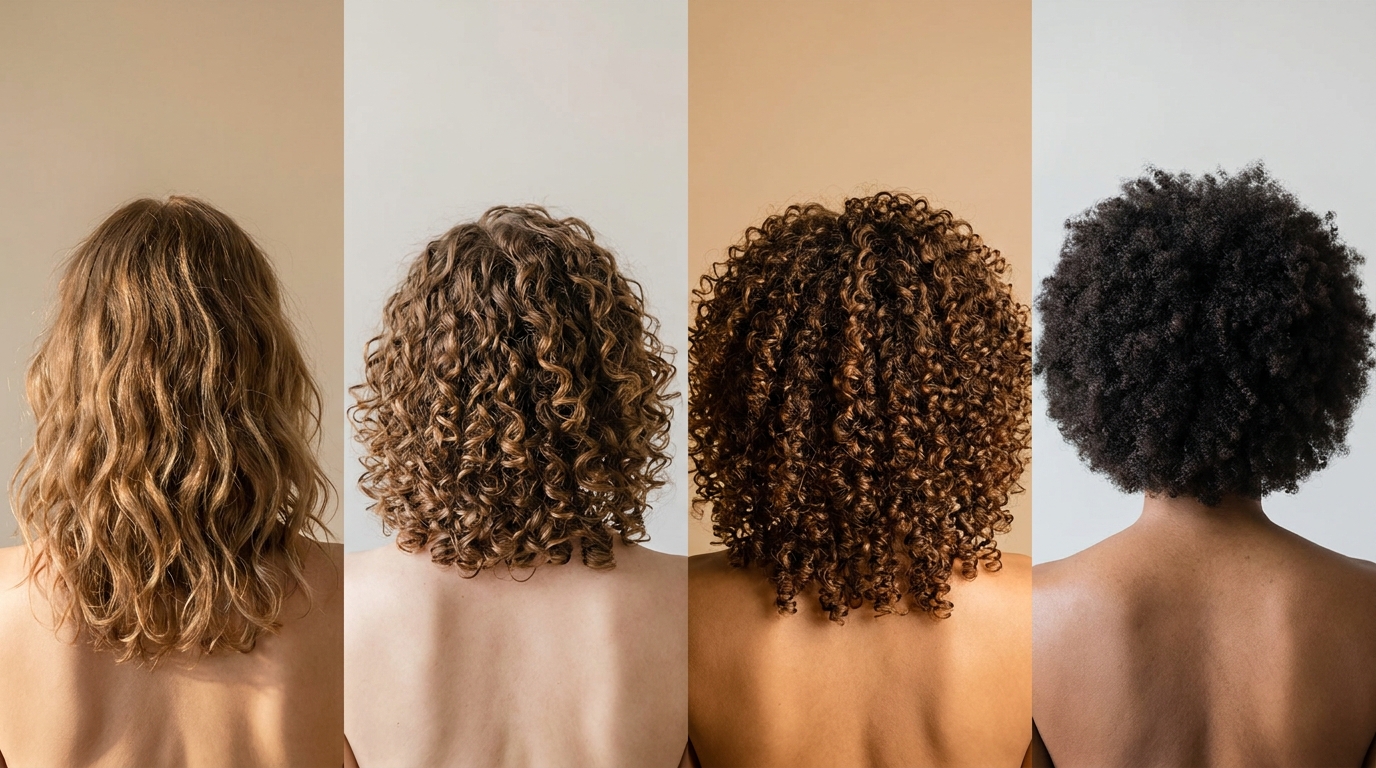
Before diving into specific styles, it helps to understand curl typing, which is a system for categorizing curly hair by the pattern and shape of the curl. While curl type isn’t the only factor in how hair behaves and what styles work best, it provides a useful framework for understanding what your hair naturally does and what kinds of styles will work with rather than against that natural pattern.
Type 2 hair is wavy rather than fully curly, ranging from loose, barely-there waves at 2A to more defined, S-shaped waves at 2C. Wavy hair tends to be the most versatile in terms of styling since it can be worn naturally wavy, enhanced into more defined curls, or straightened relatively easily. It also tends to be less prone to frizz than tighter curl patterns, though humidity can still affect it significantly.
Type 3 hair has a clearly defined curl pattern ranging from loose, springy curls at 3A to tighter, more densely packed curls at 3C. Type 3 curls benefit most from styling techniques that enhance and define the curl pattern without disrupting it, and they tend to respond well to the curly girl method and similar approaches that prioritize moisture and curl definition over heat and manipulation.
Type 4 hair has the tightest curl and coil patterns, ranging from tightly coiled S-shaped curls at 4A to densely packed Z-shaped coils at 4C. Type 4 hair is naturally the most fragile of the curl types and the most prone to dryness, since its tightly coiled structure makes it difficult for the scalp’s natural oils to travel down the hair shaft. It also experiences the most significant shrinkage, where the hair appears much shorter when dry than it actually is when stretched.
The Curly Cut: Why It Matters So Much
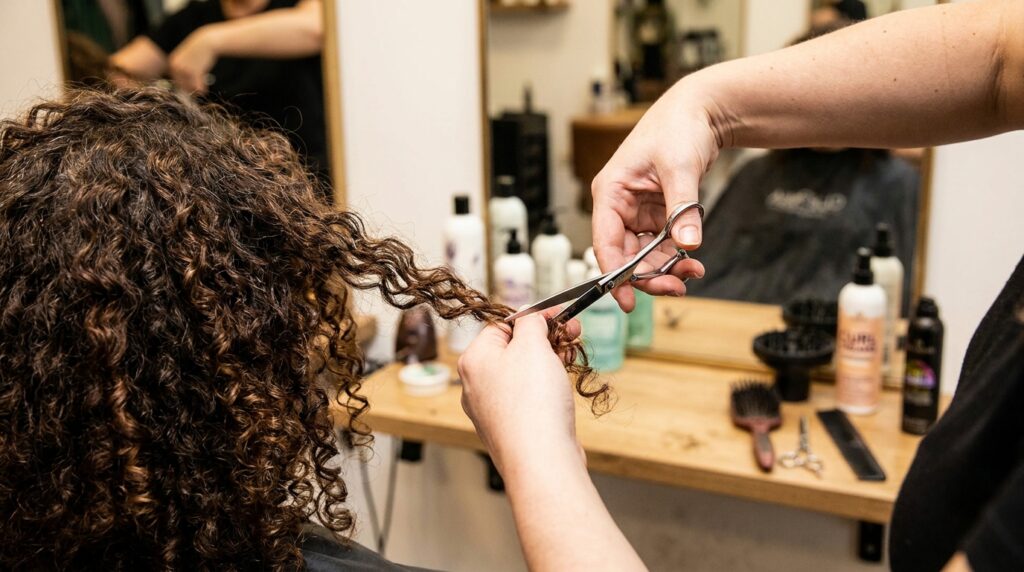
The single most impactful thing anyone with naturally curly hair can do for their style is to get a cut specifically designed for curls. A cut performed on straight or wet hair using standard straight-hair techniques produces a completely different result on curly hair than what was intended, since curls spring up and move differently than straight hair when dry. This is why so many people with curly hair have had salon experiences that left them with a cut that looked nothing like what they asked for.
A dry cut, where the hair is cut while it’s dry and in its natural curl pattern, is the most reliable technique for curly hair. When a stylist cuts dry curly hair curl by curl, they can see exactly how each section will fall, where the curls sit naturally, and how the overall shape looks without any guessing about how it will behave when it dries. The result is a cut that actually works with the curl pattern rather than one that was designed for a different texture and adapted after the fact.
Finding a stylist who specializes in curly hair is worth the extra effort and sometimes the extra cost. A curl specialist understands the specific challenges of curly hair, knows how to assess the curl pattern and density before cutting, and has the techniques to create a shape that enhances the natural texture. Bringing reference photos of curl types and styles similar to your own gives the stylist a clearer picture of what you’re looking for than describing it in words.
The Curly Bob
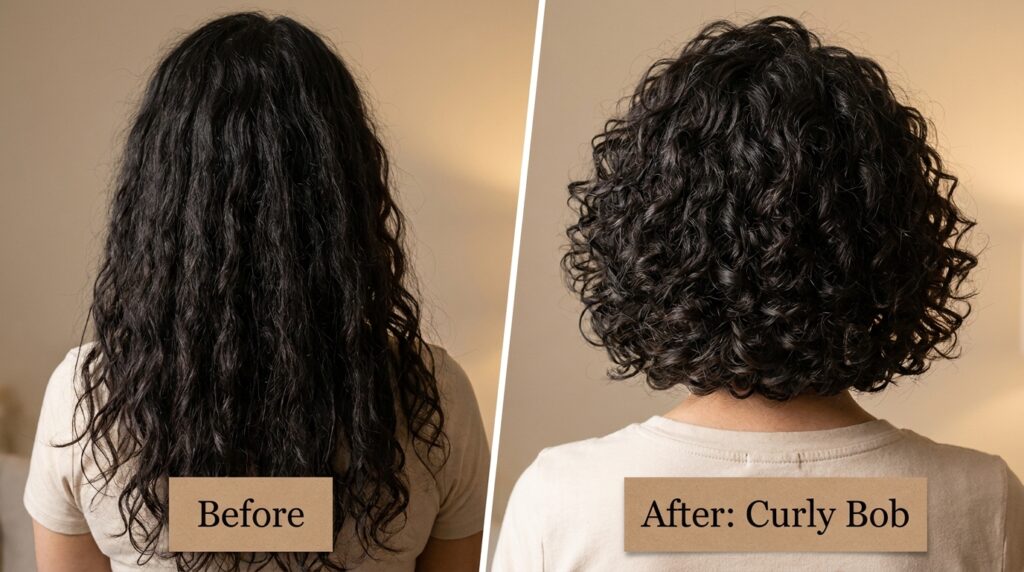
The bob is one of the most popular and consistently flattering styles for curly hair across a wide range of curl types, and it works for reasons that are specific to how curls behave. A bob on curly hair sits differently than a bob on straight hair since the curls spring up and create volume that a straight bob doesn’t have, giving curly bobs a naturally full, rounded shape that many people find deeply flattering.
The key to a flattering curly bob is cutting it slightly longer than you think you need, since curls will spring up significantly after cutting and the final length will be noticeably shorter than the wet length. A stylist cutting a curly bob should be factoring in shrinkage from the start, not treating curly hair like straight hair that just happens to look curly.
A curly bob at different lengths suits different curl types particularly well. Looser, wavier curl types tend to look stunning in a longer bob that grazes the collarbone, since the length allows the waves to form fully and creates beautiful movement. Tighter curl types often look incredible at a shorter bob length where the curls stack and create a full, rounded shape that showcases the texture dramatically.
Asymmetrical bobs can look particularly striking on curly hair because the variation in curl behavior from section to section creates interesting visual movement in the asymmetrical silhouette. The unpredictability that people sometimes find challenging about curly hair becomes an asset in an asymmetrical cut where perfect uniformity isn’t the goal.
The Curly Shag
The shag haircut has become one of the most requested styles for curly hair in recent years, and deservedly so. The shag’s defining characteristics, choppy layers, face-framing pieces, and often a fringe, work particularly well with curly hair because the layering creates movement and dimension without removing the weight and density that curls need to form properly.
Curly shags work beautifully because the layers enhance the curl pattern’s natural texture rather than fighting it. Where over-layering on curly hair can destroy the curl pattern and leave the hair frizzy and undefined, the shag’s strategic layering is designed to add volume and shape while leaving enough weight in the curl to maintain its pattern. The result is hair that looks voluminous, textured, and full of personality.
A curly shag with a fringe works particularly well for people with looser curl types who want to frame the face. Wavy and loose curly hair can carry a soft, wispy fringe that adds interest to the front of the style without requiring significant maintenance. Tighter curl types can also wear a fringe but it tends to need more deliberate styling to sit in the desired position.
The retro quality of the shag suits curly hair in a way that feels natural rather than forced, since both the cut and the texture have an inherently organic, lived-in quality. A curly shag on type 3 hair in particular tends to have an effortless, editorial quality that looks like it required no effort at all even when it did.
Long Curly Hair
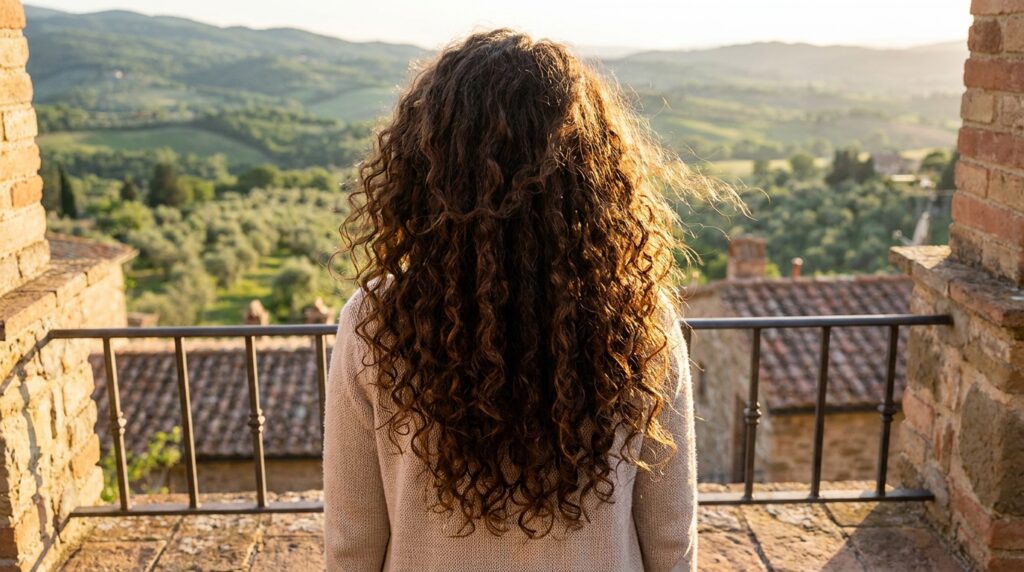
Long curly hair is a statement in itself, and styling it well is less about specific cuts and more about maintaining the health and definition of the curl over a significant length of hair. Long curly hair that is well-moisturized, properly trimmed, and styled with curl-enhancing products has a dramatic, beautiful quality that shorter styles can’t replicate.
Regular trims are more important for long curly hair than for short styles because the ends of long curly hair are the oldest and most fragile part of the strand, and split ends on long curly hair travel upward quickly if not removed. Trimming just the very ends every three to four months keeps the length while removing the damage that makes long curly hair look frizzy and undefined at the tips.
Layering in long curly hair reduces the weight that can pull curls out of their natural pattern and make them look elongated and undefined. Long curly hair with no layering can become heavy enough that the curls at the roots don’t form properly, leaving the hair looking flat at the top and frizzy at the ends. Strategic layers cut specifically for the curl type create movement throughout the length and allow the curls to form fully from root to tip.
Protective styles like braids, twists, and updos are particularly valuable for long curly hair because they reduce the daily manipulation and environmental exposure that cause frizz and damage over time. Wearing long curly hair in protective styles regularly gives it a chance to rest and retain moisture between wash days, which improves the overall health and appearance of the curl over time.
Wash and Go Styles
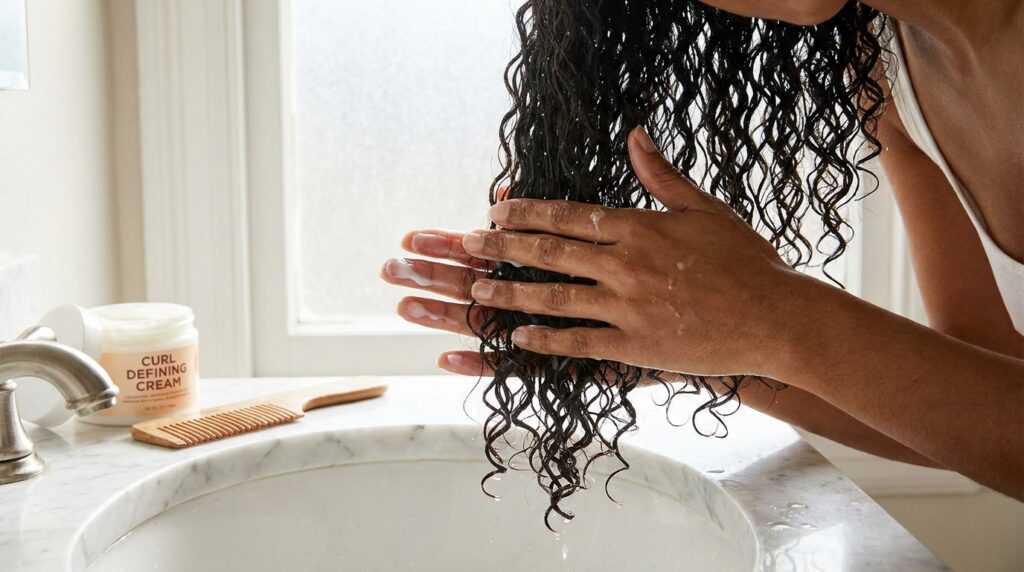
The wash and go is the most iconic curly hair styling approach, and it’s exactly what it sounds like: wash the hair, apply products to enhance the curl pattern, and let it air dry without further manipulation. Done well, a wash and go produces beautifully defined, bouncy curls that look effortless. Done without the right products or technique, it can produce frizz and undefined clumping that’s frustrating to deal with. It’s the style that most people with curly hair are working toward when they say they want their hair to “just work” without a lot of effort.
The key to a successful wash and go is applying products to soaking wet hair while it’s still dripping, before any drying begins. Product applied to hair that has already started to dry doesn’t penetrate or distribute as evenly, and the curl pattern is more easily disrupted once the drying process has begun. Working product through soaking wet hair, section by section, ensures even coverage and sets the curl pattern in place before drying begins.
Raking or smoothing product through the hair from roots to ends rather than scrunching it in helps distribute it evenly and separates clumps into more defined individual curls. Scrunching can be added after the raking to encourage curl formation, but raking first ensures the product is evenly distributed rather than concentrated in some areas and absent in others.
The type of product used makes an enormous difference to the success of a wash and go. Curl creams, gels, and mousses formulated specifically for curly hair provide the hold and definition that allow the curl pattern to form and stay defined as the hair dries. Products without enough hold produce undefined, frizzy results. Products with too much hold can produce crunchy, stiff curls that need to be scrunched out once dry to soften. Finding the right product combination for your specific curl type and porosity is one of the most worthwhile investments of time in a curly hair journey.
Updos and Protective Styles for Curly Hair
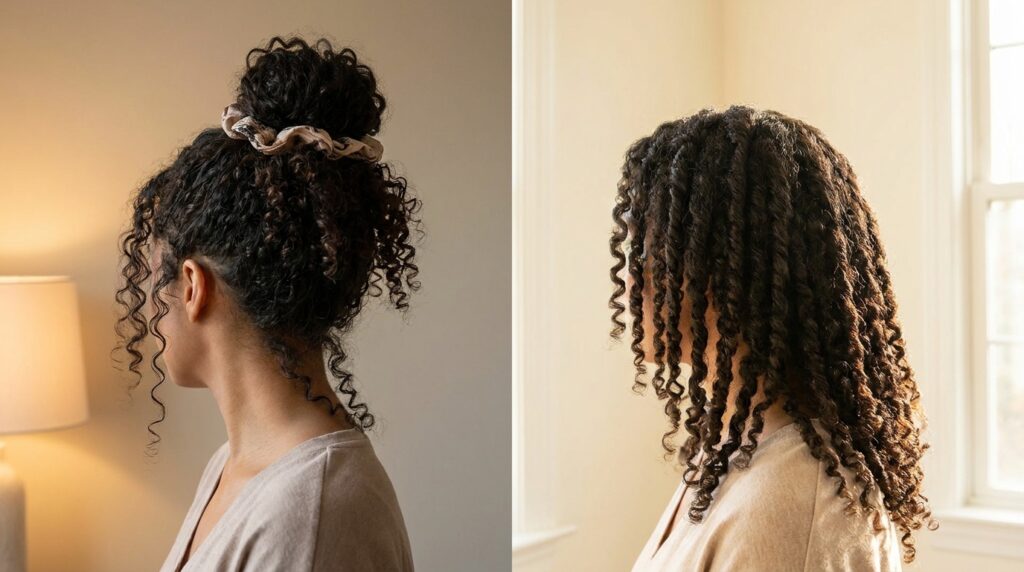
Updos and protective styles serve a double purpose for curly hair: they look beautiful and they protect the hair from the daily manipulation and environmental exposure that cause frizz and damage over time. Building protective styles into a regular rotation is one of the most effective things anyone with curly hair can do for long-term hair health. The less the hair is manipulated and exposed to friction on a daily basis, the more it retains its moisture and integrity over time.
The pineapple is one of the most popular and practical updos for curly hair, particularly for preserving a wash and go overnight. Gathering all the hair loosely at the very top of the head and securing it with a soft scrunchie or fabric hair tie keeps the curls elevated and away from the pillow during sleep, which dramatically reduces the frizz and disruption that sleeping on curly hair causes. Sleeping on a satin or silk pillowcase adds an additional layer of protection and makes a noticeable difference to how the curls look in the morning.
Twist outs and braid outs are styles that use the twist or braid itself as a styling tool, creating a defined wave or curl pattern in hair that may not have one naturally, or enhancing and stretching the natural curl pattern for a different look. A twist out on type 4 hair in particular can create beautifully defined, elongated curls that show off length that shrinkage would otherwise hide. The tighter the twist or braid and the longer it is left to set, the more defined the resulting pattern will be.
Bantu knots are a traditional African style that creates tightly coiled sections of hair twisted into small knots against the scalp. Worn as a style in themselves, they look striking and celebratory. Worn as a setting technique and then unraveled once dry, they create defined curls or waves depending on the hair type and tension used. They’re one of the most versatile styling tools in the curly hair repertoire.
Frequently Asked Questions
Should curly hair be cut wet or dry?
Dry cutting is almost always the better choice for curly hair because it allows the stylist to see exactly how the curl pattern behaves and where each curl sits naturally. Wet cuts can produce unpredictable results since curly hair behaves very differently wet versus dry, and the final result may look nothing like what was intended once the hair has dried and sprung up.
How often should naturally curly hair be washed?
This varies significantly by curl type and lifestyle. Looser, wavier curl types can generally be washed more frequently, every two to three days, without experiencing significant dryness. Tighter curl types, particularly type 4, often benefit from washing once a week or even less frequently, since washing too often strips the natural oils that tighter curl patterns need more of due to the difficulty those oils have traveling down the tightly coiled shaft.
What is the curly girl method?
The curly girl method is a hair care approach that focuses on eliminating sulfates, silicones, and heat in favor of moisture-focused products and gentle styling techniques. It was popularized by Lorraine Massey’s book and has become one of the most widely followed approaches to curly hair care. The core principles are keeping the hair moisturized, avoiding ingredients that strip or coat the hair, and styling with techniques that enhance rather than disrupt the natural curl pattern.
Can straight hair become curly?
Hair texture is primarily determined by genetics and the shape of the hair follicle. However, hormonal changes such as pregnancy and menopause, certain medications, and significant health changes can alter the curl pattern. Many people also discover their natural curl pattern for the first time after stopping heat styling, since years of heat use can temporarily alter the texture.
Why does curly hair shrink so much when it dries?
Shrinkage is a natural characteristic of curly and coily hair caused by the curl pattern itself. As the hair dries and the curl contracts to its natural shape, it takes up significantly less length than it does when wet and stretched. Type 4 hair can experience up to 75 percent shrinkage, meaning hair that reaches the shoulders when wet may only appear to reach the chin when dry. Shrinkage is a sign of healthy curl elasticity rather than a problem to be fixed.
Is it better to detangle curly hair wet or dry?
Wet detangling with a wide-tooth comb or fingers on conditioner-coated hair is almost always gentler and more effective than dry detangling for curly hair. Curly hair is significantly more fragile when dry and prone to breakage under the tension of detangling. Working through knots on wet, conditioned hair allows them to release without snapping, which reduces both breakage and the discomfort of detangling.