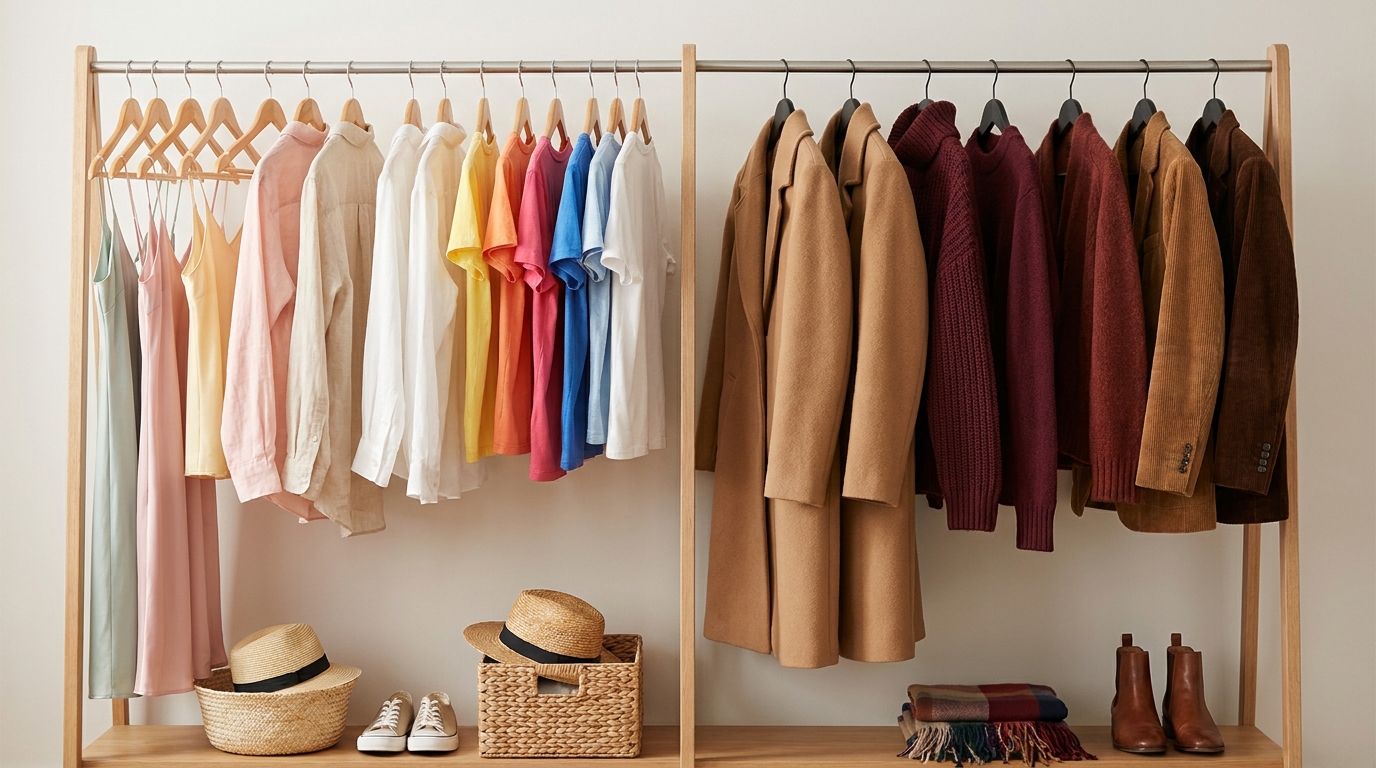
How to Transition Your Wardrobe Between Seasons
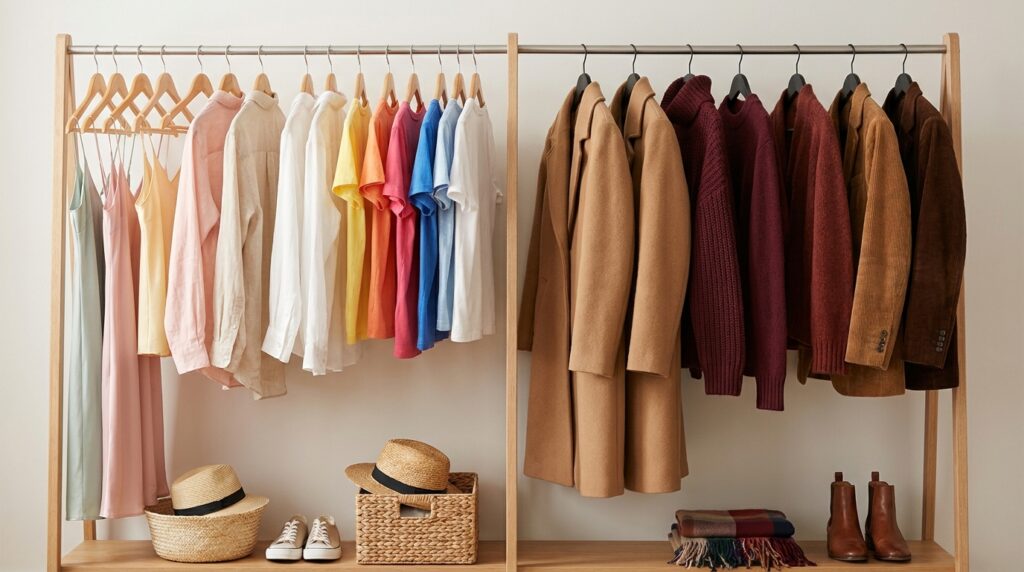
There’s a specific kind of wardrobe chaos that happens twice a year, when the seasons change and you suddenly can’t find anything to wear despite owning more clothes than you can count. The summer things feel wrong but the winter things feel too heavy, and somewhere in the middle of that awkward in-between period you end up wearing the same three transitional pieces on rotation while everything else sits untouched in your wardrobe.
Seasonal wardrobe transitions don’t have to be chaotic. With a clear process and a bit of advance planning, you can move between seasons smoothly, know exactly what you have, what you need, and what you can let go of, and start each new season feeling organized and ready rather than overwhelmed. It’s one of those tasks that feels bigger than it is, and once you have a system for it, the whole thing takes a few hours rather than weeks of wardrobe-related anxiety.
This guide walks through the full process of transitioning your wardrobe between seasons, from the initial edit through storage and the gaps you need to fill, with practical advice on making the most of what you already own and investing smartly in what you don’t.
Why a Seasonal Wardrobe Transition Matters
A wardrobe that’s never properly edited or organized works against you every single day. When everything you own is crammed into the same space regardless of season, getting dressed becomes a process of sifting through things that are irrelevant for the current weather to find the things that actually work. This daily friction is small but cumulative, and it contributes significantly to the feeling that you have nothing to wear despite having plenty of clothes. It also makes the wardrobe feel like a source of stress rather than a resource.
A seasonal transition forces the kind of honest wardrobe audit that most people avoid because it requires making decisions. But those decisions, about what stays, what goes, and what’s missing, are what transform a wardrobe from a storage unit into a genuinely useful collection of clothes that works for your life. The twice-yearly transition is the mechanism that keeps the wardrobe from becoming an accumulation of things you used to wear or meant to wear and never quite got around to editing out.
There’s also a practical financial benefit. Going through your wardrobe at the start of each season tells you exactly what you actually have before you buy anything new. The number of times people buy something they already own, in a slightly different version, simply because they couldn’t find what they had in their overstuffed wardrobe, is genuinely significant. A properly organized seasonal wardrobe removes this problem entirely and often reveals pieces you’d forgotten about that feel almost like new discoveries when they come back out.
Step One: Start With a Full Edit

Before anything goes into storage and before anything new comes out, go through everything you currently have and make deliberate decisions about each piece. This is the step most people skip or rush, and it’s the one that makes the biggest difference to how well the rest of the transition goes. A rushed edit that puts everything back without real assessment just postpones the problem rather than solving it.
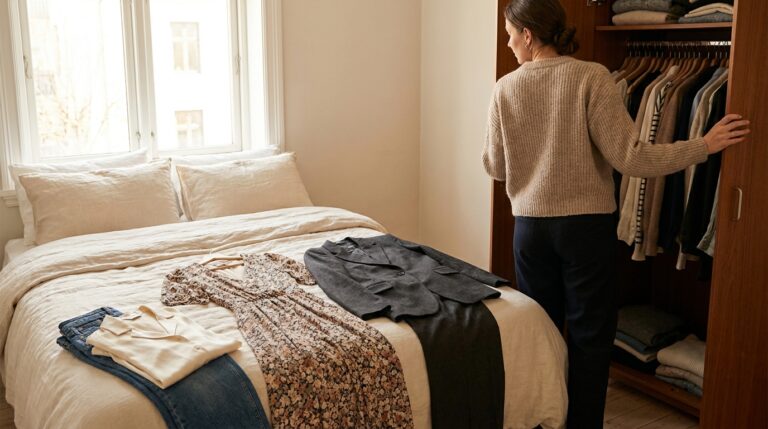
Pull everything out of the wardrobe rather than trying to edit it in place. Seeing everything laid out on a bed or spread across a room gives you a much clearer picture of what you actually own than trying to assess individual pieces while they’re hanging in a crowded wardrobe. It also prevents the common mistake of forgetting about things pushed to the back or buried at the bottom of a drawer.
Sort everything into three categories: keep, donate or sell, and unsure. The keep pile should contain things you genuinely wore in the past season and would reach for again. The donate or sell pile should contain things that didn’t get worn, no longer fit, are damaged beyond reasonable repair, or that you simply don’t love anymore. The unsure pile is for things that need more thought, and the rule here is that if you’ve been unsure about a piece for more than one season, it probably belongs in the donate pile rather than the keep pile.
Be honest rather than aspirational. The piece you bought for a lifestyle you don’t actually have, the party dress that hasn’t been worn in three years because you’re waiting for the right occasion, the trousers that almost fit but not quite, all of these are taking up space and energy without providing any actual value. Letting go of aspiration pieces frees up both physical space and mental energy, and it often makes getting dressed feel significantly easier simply because there are fewer irrelevant decisions cluttering the process.
Step Two: Assess What’s Actually Wearable
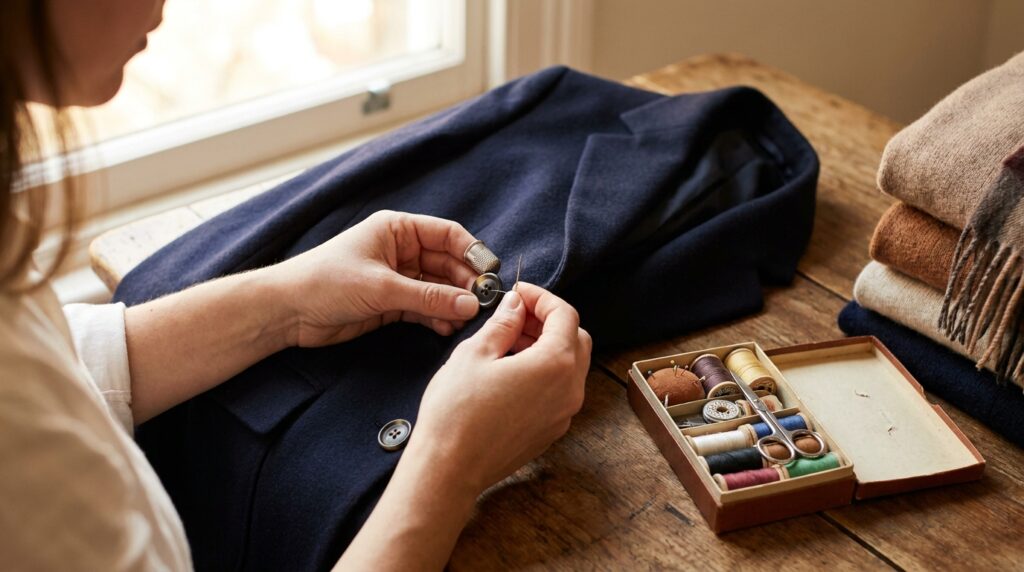
Before anything goes back into the wardrobe, check each piece for condition. The seasonal transition is the ideal time to identify items that need attention before they’re put away or brought out, because finding a damaged piece mid-season when you need it is significantly more frustrating than discovering it during a planned edit.
Check for loose buttons, broken zips, stains, pilling, and wear at the seams and hems. Pieces that need minor repairs are worth getting fixed if you love them and will actually wear them. A loose button takes five minutes to sew back on. A pilling sweater takes a few minutes with a fabric shaver to look almost new again. These small investments extend the life of pieces you already own and make them feel fresh when they come back out.
Pieces that need dry cleaning or specialist cleaning should be cleaned before going into storage rather than after coming out, since storing clothes with oils, perfume residue, or light stains can set those stains permanently and attract pests over time. Clean clothes store better and come out in better condition than clothes stored dirty.
Shoes and bags deserve attention too. Leather shoes and bags benefit from conditioning before storage to prevent the leather from drying out and cracking. Fabric shoes can be cleaned with a gentle brush or specialist cleaner. Bags should be stuffed with tissue to help them hold their shape during storage.
Step Three: Store Out-of-Season Pieces Properly
How you store out-of-season clothes has a significant impact on how they come out at the end of storage, and most people don’t give this step enough thought. Clothes stored carelessly come out wrinkled, musty, or damaged in ways that require time and effort to address before they’re wearable again.
Use breathable storage rather than airtight plastic bags for most garments. Fabric breathes and needs some airflow to stay fresh. Sealed plastic bags trap moisture and odors and can actually damage delicate fabrics over time. Cotton storage bags, canvas boxes, or breathable vacuum bags designed for clothing are all better options than standard plastic bags for most pieces.
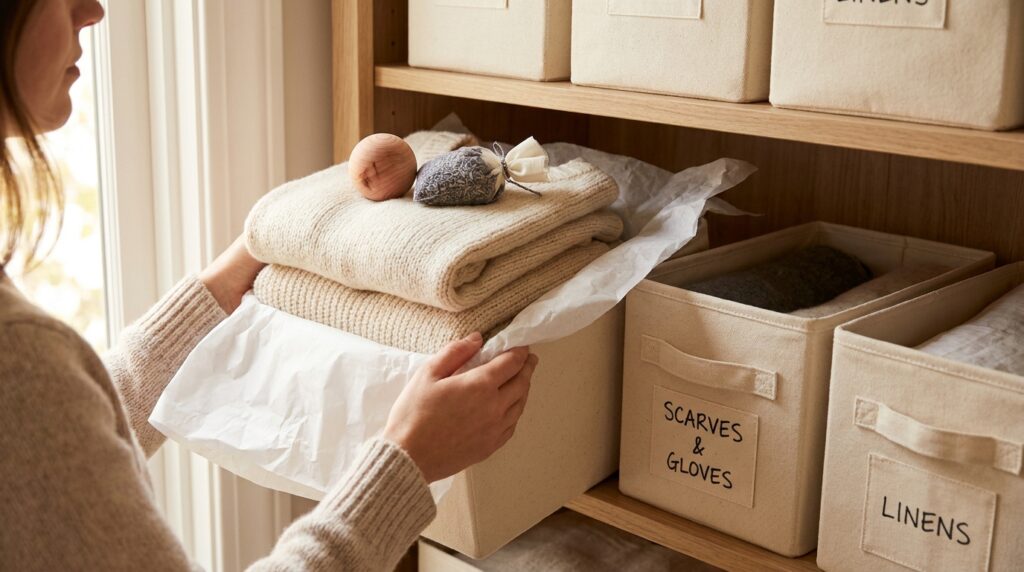
Knitwear should always be folded rather than hung for storage, since hanging heavy knits stretches them out of shape over time. Fold them neatly with tissue paper between layers to prevent creasing and store them flat in a drawer or on a shelf rather than in a hanging bag.
Delicate pieces like silk, lace, and embellished garments benefit from being stored individually wrapped in acid-free tissue paper to prevent snagging, color transfer, and damage from other garments. This seems like extra effort but it protects pieces that are typically more expensive and harder to replace.
Cedar balls or lavender sachets placed in storage containers naturally deter moths and other pests without the chemical smell of mothballs. Replace them every season since their effectiveness diminishes over time. For valuable wool and cashmere pieces in particular, pest prevention during storage is genuinely worth the small additional effort.
Label everything clearly, whether you use boxes, bags, or vacuum storage. Being able to find a specific piece without unpacking every container when you need it mid-season is a convenience that seems obvious but is consistently underestimated.
Step Four: Bring the New Season In
Once the out-of-season pieces are stored, bring out everything for the coming season and lay it out or hang it up before putting it directly back into the wardrobe. This is the moment to reassess the incoming season’s pieces with fresh eyes, since your tastes and needs may have shifted since you last wore them.
Apply the same three-category edit to the incoming pieces that you applied to the outgoing ones. Things you wore enthusiastically last year and are genuinely looking forward to wearing again go straight back in. Things that felt wrong last season or that you kept putting back on the hanger in favor of something else are worth questioning before they go back. Things in the unsure category deserve a moment of genuine consideration rather than automatic reinstatement.
Hang or fold everything neatly before it goes back in rather than just stuffing it into available space. The organization you create at the start of the season sets the tone for how easy getting dressed will be for the next several months. A well-organized wardrobe where everything is visible and accessible makes daily decisions easier and reduces the tendency to wear the same small rotation of pieces while everything else gets forgotten.
Organize by category and color within each category for maximum visibility. Keeping all the tops together, all the trousers together, all the dresses together, and organizing within each category by color makes it easy to see everything you have and to put outfits together quickly. This seems like a small detail but it has a disproportionately large impact on how often you actually reach for and wear everything in your wardrobe.
Step Five: Identify the Gaps

With the seasonal wardrobe fully organized and visible, the gaps become immediately apparent. You can see clearly what you have plenty of, what’s missing, and what the wardrobe needs to function well for the coming season. This is the right moment to make a shopping list, not before the transition when you’re making decisions based on an incomplete picture of what you already own. Shopping before the transition is one of the most common reasons people end up with duplicates of things they already have and still feel like they have nothing to wear.
A gap is a genuine absence of something you need, not just a desire for something new. The difference matters because it keeps shopping purposeful rather than impulsive. Common genuine gaps include a transitional layer for unpredictable weather, a pair of shoes that bridges the gap between summer sandals and winter boots, or a versatile piece in a neutral color that can anchor multiple outfits. A gap list built from an organized seasonal wardrobe is a genuinely useful shopping guide rather than a wishlist driven by trend temptation.
Write the gap list down and sit with it for a few days before buying anything. Some gaps feel urgent in the moment of transition and less pressing a week later, which is a sign they weren’t genuine gaps at all. The ones that still feel necessary after a week of wearing the seasonal wardrobe as it is are the ones worth actually buying. This waiting period also gives you time to think about exactly what you need, which color, which fabric, which silhouette, so that when you do shop you’re looking for something specific rather than browsing indefinitely and buying whatever catches your eye.
Working With Transitional Pieces
Transitional pieces are the wardrobe workhorses of the in-between seasons, and having a small but well-chosen collection of them makes the awkward weeks between summer and autumn, or between winter and spring, significantly easier to dress for.
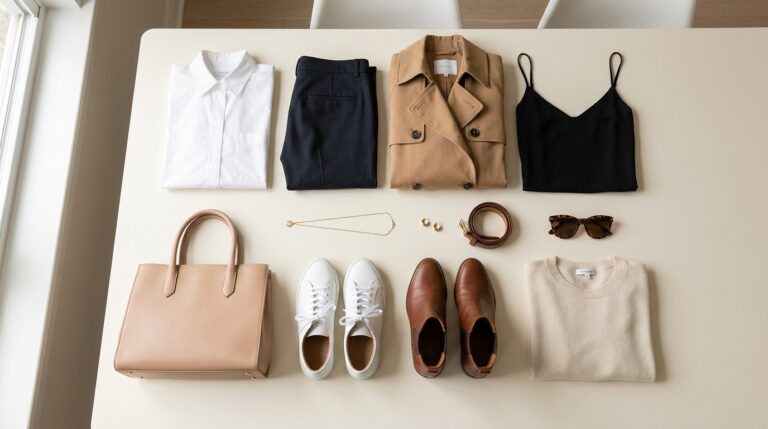
Lightweight layers are the most versatile transitional pieces. A fine knit cardigan, a lightweight blazer, a denim jacket, or a trench coat can all be added over summer pieces to make them work in cooler temperatures, or worn over a base layer on mild days in winter. The best transitional layers work in both directions rather than feeling like they belong exclusively to one season.
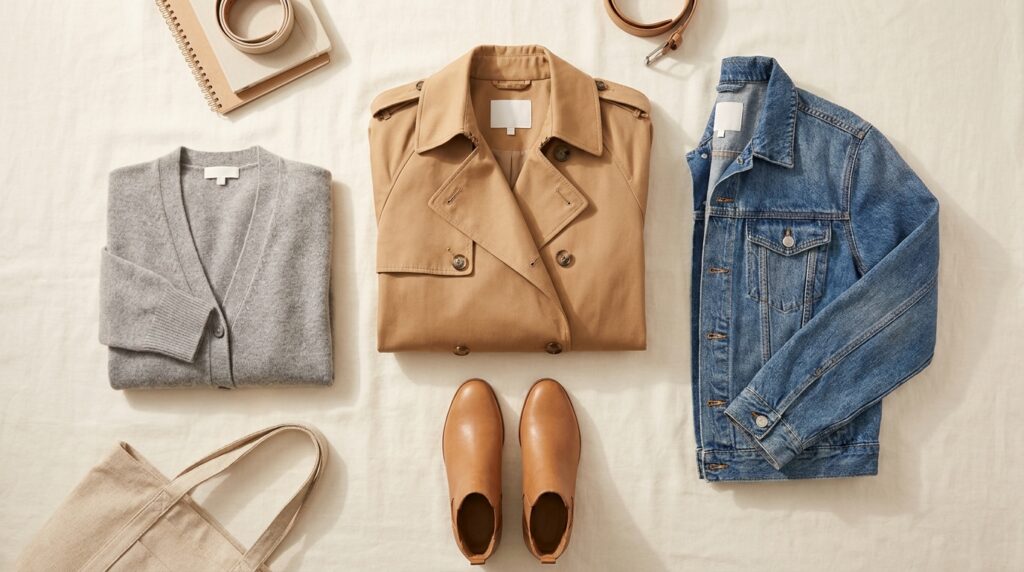
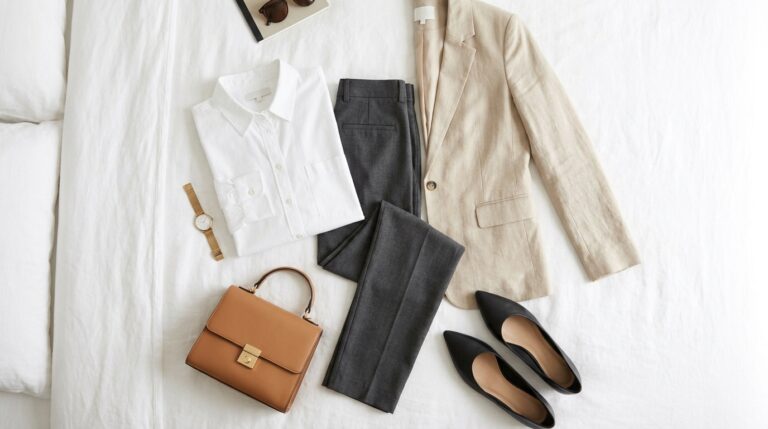
Fabric choice matters more than silhouette for transitional dressing. The same trouser silhouette in linen reads as summer and in wool reads as winter, but in a mid-weight cotton or a light crepe it works across both. Building a collection of transitional pieces in fabrics that aren’t temperature-extreme means they genuinely earn their wardrobe space across multiple months rather than just a few weeks.
Neutral colors in transitional pieces extend their versatility significantly. A camel blazer works over both summer dresses and winter knitwear. Navy trousers work with both sandals and ankle boots. Choosing transitional pieces in colors that work with both the summer and winter parts of your wardrobe means they connect the two halves rather than belonging to neither.
The Capsule Approach to Seasonal Transitions
One of the most effective ways to make seasonal transitions easier in the long term is to build each season’s wardrobe around a small core of versatile pieces that everything else works with, rather than having a large collection of individual pieces that don’t necessarily relate to each other.
A seasonal capsule doesn’t have to be rigid or minimal. It just means that the foundation of each season’s wardrobe is a group of pieces that all work together, creating multiple outfit combinations from a relatively small number of items. When the transition comes, the capsule pieces are easy to identify, easy to store, and easy to bring back out because they all work as a cohesive unit.
Building toward a capsule approach happens gradually over several seasons of honest editing and intentional shopping. Each transition is an opportunity to remove pieces that don’t integrate well with the rest of the wardrobe and to fill gaps with pieces that do. Over time the wardrobe becomes more cohesive, more functional, and more enjoyable to dress from.
Frequently Asked Questions
How often should I do a wardrobe transition?
Twice a year aligns with the two major seasonal shifts, summer to autumn and winter to spring, and works well for most climates. People in climates with more extreme or more gradual seasonal changes may find a slightly different timing works better for them. The key is doing it consistently rather than letting it slide until the wardrobe is completely disorganized.
What should I do with clothes I’m getting rid of?
Good condition pieces can be sold through resale platforms or at consignment stores, donated to charity shops, or given to friends and family. Pieces in poor condition that can’t be resold or donated can often be recycled through textile recycling programs at clothing stores or local collection points. Try to avoid sending wearable clothes to landfill where possible.
How long does a wardrobe transition take?
For most people with a typical wardrobe, the full process takes between two and four hours. The first time you do it properly takes longer since there’s more to edit and organize. Subsequent seasons become faster as the wardrobe becomes more curated and the process more familiar.
Should I wash everything before putting it in storage?
Yes, ideally. Storing clean clothes prevents stains from setting permanently, reduces the risk of attracting pests, and means everything comes out of storage ready to wear rather than needing to be washed first. This is particularly important for natural fibers like wool, silk, and cotton which are more attractive to moths than synthetics.
What are the most important transitional pieces to own?
A lightweight layer that works over summer pieces and under winter ones, a pair of ankle boots that bridge the gap between sandal season and boot season, a mid-weight trouser in a neutral color, and a versatile bag that works year-round. These four categories cover most of the transitional wardrobe gaps that come up repeatedly.
How do I stop my wardrobe from getting disorganized again mid-season?
The most effective habit is returning things to the same place every time rather than letting them accumulate on chairs or in temporary piles. A five-minute tidy at the end of each week takes less effort than a major reorganization every few months and keeps the wardrobe usable throughout the season rather than just at the start of it.