
How to Make Any Outfit Look More Expensive

There’s a certain kind of person who can walk into a room wearing something simple and understated and somehow look like they spent ten times more than they actually did. Their clothes fit well. Everything seems to go together effortlessly. They look polished without looking like they tried too hard. And if you’ve ever stood next to someone like that wondering what exactly they’re doing differently, the answer is almost never about the price tag on their clothes.
Looking expensive has very little to do with actually spending a lot of money. It’s about understanding a handful of principles that most people never consciously think about: fit, quality of fabric, color discipline, the right accessories, and the small finishing touches that separate a put-together look from a haphazard one. Once you know what those principles are, you can apply them to clothes from any price point and see an immediate difference in how polished and intentional your outfits look.
This isn’t about pretending to be something you’re not or spending money you don’t have. It’s about getting more out of what you already own, making smarter choices when you do shop, and understanding the details that actually matter when it comes to how an outfit reads from the outside.
Fit Is Everything
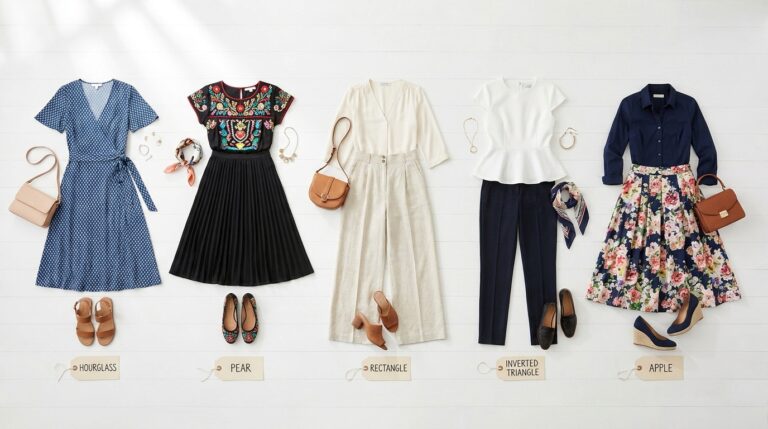
Nothing makes clothing look cheaper faster than poor fit, and nothing elevates an outfit more reliably than a perfect one. This is the single most important principle on this entire list, and it’s worth saying clearly before anything else: a well-fitting outfit from a budget retailer will almost always look more expensive than a poorly fitting one from a designer. Fit is that powerful. It’s the first thing people register when they look at someone, even before they can identify the brand or the price point of what’s being worn.
The most common fit mistakes people make are wearing things too big or too long. Oversized clothing can look intentional and stylish when it’s done deliberately, but unintentional bagginess, sleeves that swallow your hands, trousers that pool at the ankles, or a jacket that hangs off your shoulders, reads as clothes that don’t belong to you rather than a considered style choice. The eye reads clothes that fit the body as deliberate and polished. Clothes that don’t fit the body read as afterthoughts.
A tailor is one of the most underused tools in fashion, and it’s more affordable than most people assume. Getting trousers hemmed, taking in the waist of a blazer, or shortening a sleeve costs very little at most local tailors and transforms how a garment looks and feels completely. A forty dollar blazer that fits perfectly will look better than a four hundred dollar one that doesn’t. If you’ve been holding onto pieces you love but never wear because they don’t quite fit right, this is worth considering seriously. The difference between a garment that was made for someone else and one that looks like it was made for you is almost entirely in the fit, and a tailor can close that gap for a fraction of what you’d spend replacing the piece entirely.
Fabric Quality and How to Read It
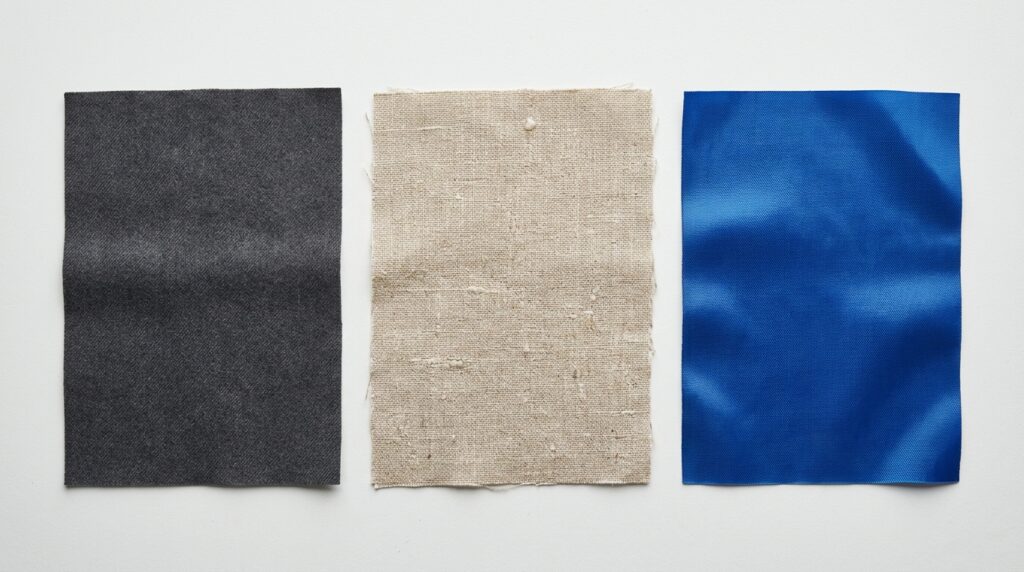
The fabric a garment is made from has an enormous impact on how it looks and how it drapes on the body. Certain fabrics inherently read as more luxurious, silk, cashmere, wool, linen, and leather among them. Others, particularly synthetic fabrics like polyester and acrylic, tend to read as cheaper even when cut well, because they reflect light differently, pill more quickly, and lose their shape faster over time.
Learning to read fabric content labels when you shop is a habit that pays off quickly. You don’t have to avoid synthetic fabrics entirely since some blend beautifully and last well, but understanding what you’re buying and how it will age helps you make smarter choices. A 100 percent wool coat will look significantly more expensive than a polyester blend, even if the silhouette is identical. Natural fibers generally drape better, breathe better, and hold their shape over time in ways that synthetic fabrics don’t.
When budget is a concern, prioritize natural fabrics in the pieces that are most visible or most frequently worn. A linen shirt, a cotton knit sweater, or a wool trouser will serve you better and look more expensive over time than a cheaper synthetic version of the same item. For items that matter less, like underlayers or pieces worn briefly, the fabric distinction matters much less.
The Power of a Neutral, Edited Color Palette
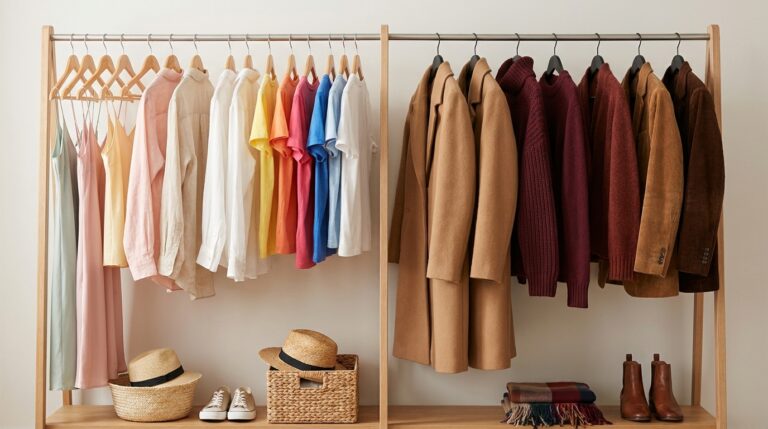
One of the most reliable signals of an expensive wardrobe is color discipline. Wardrobes that look effortlessly polished tend to work within a relatively restrained color palette, where pieces naturally complement each other and outfits come together without effort. Wardrobes that look chaotic tend to be full of individual pieces that don’t relate to each other, bought impulsively in colors that seemed appealing in isolation but don’t actually work together. The difference between a wardrobe that feels curated and one that feels overwhelming is almost always about color consistency rather than the number of pieces or the amount spent.
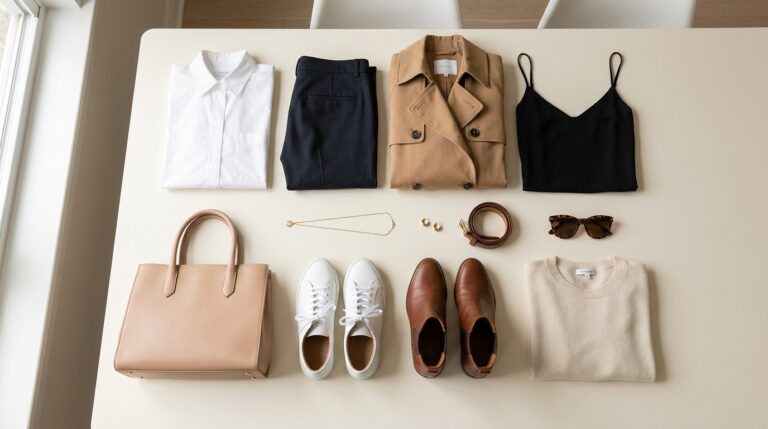
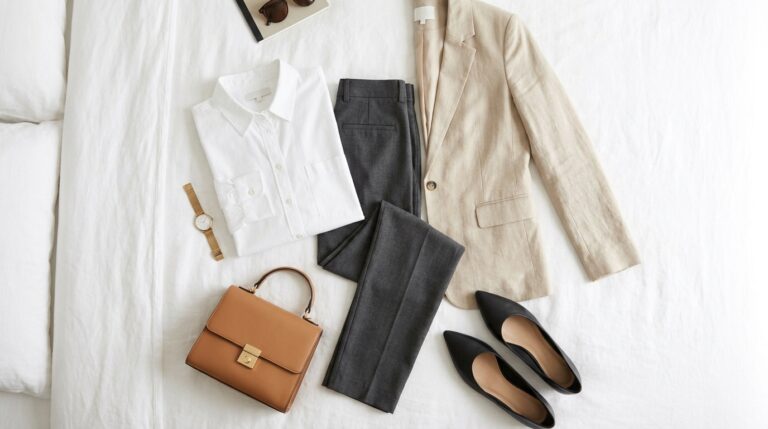
Building around a neutral base is the most straightforward approach. Neutral colors like black, white, camel, navy, grey, and cream work with almost everything else and tend to read as sophisticated and intentional rather than flashy. When most of your wardrobe works within a neutral base, getting dressed becomes easier, outfits look more cohesive, and individual pieces go further because they work with multiple combinations rather than just one.
This doesn’t mean avoiding color entirely. It means being thoughtful about how color is introduced. A single statement piece in a bold color against a neutral outfit reads as intentional and stylish. Multiple competing colors in the same outfit often cancel each other out and can make even expensive pieces look busy and unresolved. Think of color as an accent rather than the starting point, and your outfits will immediately look more considered.
Grooming and Presentation Matter as Much as the Clothes
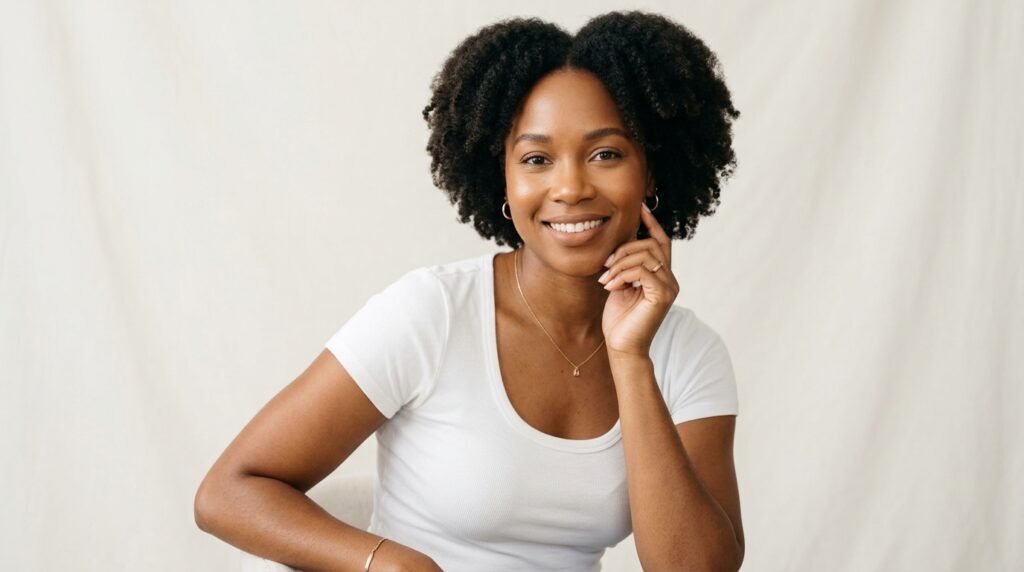
The most overlooked element of looking polished is the person wearing the clothes, not the clothes themselves. Hair, skin, nails, and overall grooming have a profound effect on how an outfit reads. An impeccable outfit worn with frizzy, unbrushed hair and chipped nails reads very differently than the same outfit worn by someone whose grooming matches the level of care in their clothing.
This is where the connection between fashion and the other topics on this site becomes genuinely relevant. A fresh, well-maintained manicure, whether that’s a clean natural nail, a simple gel color, or a well-done acrylic set, communicates the same attention to detail as clothes that fit well. Hair that’s styled intentionally, even if it’s just clean and well conditioned rather than elaborately done, signals that effort has been made overall. These details add up in the way people perceive a look, even when they can’t articulate why.
Skincare and a basic grooming routine matter in the same way. This isn’t about wearing heavy makeup or following complex routines. It’s about showing up with a level of care and intentionality that matches the outfit. The most expensive clothes in the world look less impressive on someone who appears disheveled, and a simple, inexpensive outfit looks significantly more polished on someone who clearly takes care of themselves.
Minimal, Well-Chosen Accessories
Accessories are one of the most powerful tools for elevating a simple outfit, but the key word is chosen rather than many. Piling on accessories tends to make an outfit look busy and cluttered rather than rich and layered. A few well-chosen pieces, a simple gold necklace, a quality leather bag, a classic watch, tend to do far more for an outfit than a collection of cheaper pieces worn all at once. Restraint is the hallmark of an expensive-looking accessory approach. When in doubt, remove one thing before you leave the house.
Investing in one or two genuinely good accessories pays dividends across your entire wardrobe. A quality leather handbag, a pair of classic leather shoes, or a simple piece of fine jewelry elevates every outfit it accompanies. These don’t have to be designer pieces. They just need to be well-made, well-maintained, and appropriate for a range of outfits rather than just one. Versatile, classic accessories work harder than trendy or occasion-specific ones. A simple structured leather bag in a neutral color will serve you across more outfits and more years than a trendy piece in a bold print or unusual shape.
The condition of your accessories matters as much as their quality. Scuffed shoes, a bag with fraying straps, or jewelry that has lost its finish undermine an outfit regardless of how well the clothes themselves are put together. Keeping leather conditioned, getting shoes resoled before they wear through, and storing jewelry properly prolongs the life of your pieces and keeps them looking as good as the day you bought them. A well-maintained mid-range bag looks significantly more expensive than a neglected designer one.
Iron, Steam, and the Art of Looking Unwrinkled
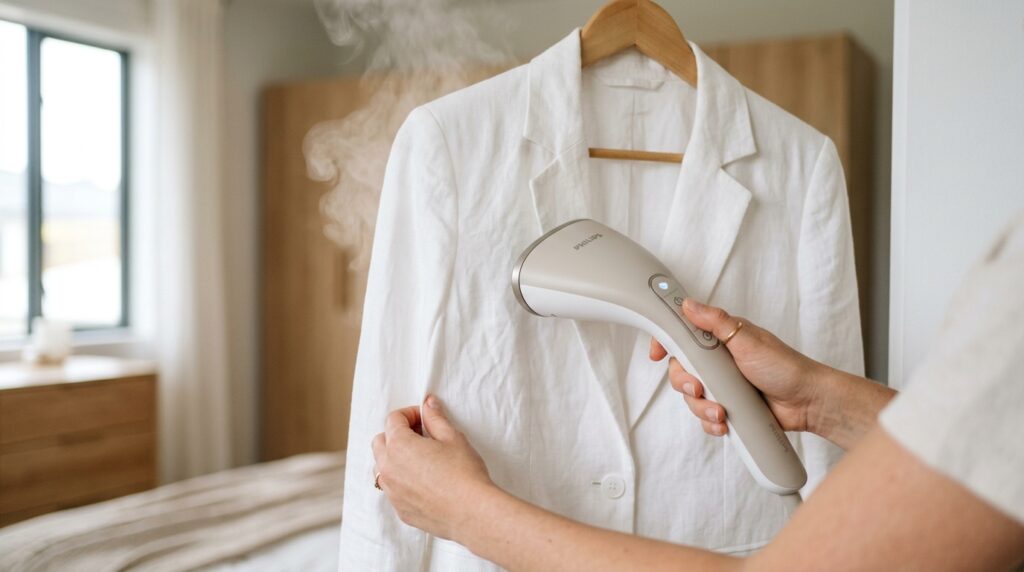
Wrinkled clothes are one of the most immediate visual cues that an outfit is careless rather than considered, and it’s also one of the easiest things to fix. A beautifully cut linen blazer that’s been pulled straight from a bag looks dramatically worse than the exact same blazer that’s been lightly steamed before wearing. Wrinkles signal that clothes haven’t been cared for, which undermines the impression of the outfit regardless of how good the pieces are individually.
A handheld steamer is one of the most useful tools for looking polished on a daily basis. It’s faster than an iron for most garments, gentler on delicate fabrics, and effective enough for the light smoothing most pieces need between washes. Spending two minutes steaming a blouse or pair of trousers before an important day has a disproportionately large impact on how put together the overall look feels.
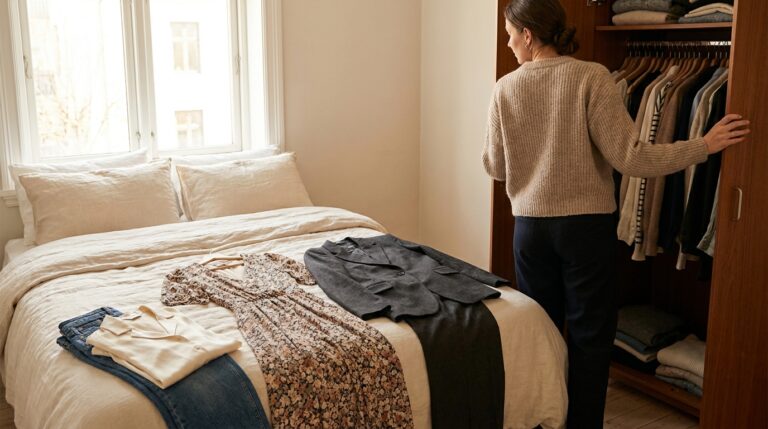
Storing clothes properly also reduces how much ironing or steaming you need to do. Hanging items that wrinkle easily rather than folding them, not overfilling drawers or wardrobes to the point where clothes are crushed, and folding knitwear flat rather than hanging it to prevent stretching are all habits that keep your clothes looking better without any extra effort on the day you want to wear them.
Monochrome and Tonal Dressing
One of the simplest and most effective tricks for looking expensive is wearing tonal outfits, where different pieces in similar or matching shades are worn together. A head-to-toe camel outfit, an all-white look, or different shades of grey layered together creates a visual continuity that reads as deliberate and sophisticated. The eye moves smoothly across the outfit rather than jumping between competing colors, which creates an impression of polish and intention.
This works particularly well with neutrals, but it doesn’t have to be limited to them. A tonal blue outfit, wearing navy trousers with a pale blue shirt and a mid-blue coat, has the same elongating and cohesive effect as a neutral tonal look. The key is that the shades relate to each other rather than competing, and that the overall palette feels considered rather than accidental.
Monochrome dressing also has a practical advantage beyond aesthetics. When all the pieces in your wardrobe work within a consistent color palette, getting dressed is faster and less stressful, because almost everything goes with almost everything else. The effort goes into building the palette once, and then the daily getting-dressed part becomes significantly easier.
The Details That Most People Skip
Replacing cheap buttons is one of the most underrated upgrades you can make to a garment. Buttons are one of the first things the eye is drawn to on a jacket, blazer, or coat, and cheap plastic buttons immediately signal a budget piece even when everything else about the garment is good. Replacing them with horn, metal, or quality resin buttons costs very little and transforms how the garment reads entirely. Any tailor or haberdashery shop can do this, and it takes minutes. It’s the kind of detail that people notice without being able to explain why the piece suddenly looks so much more expensive.
Keeping clothes lint-free and pill-free matters more than people realize. A fabric shaver removes the small fiber pills that develop on knitwear and certain fabrics over time, instantly making worn pieces look newer and more expensive. A lint roller removes pet hair, dust, and lint that dulls the surface of dark fabrics. Both are inexpensive tools that take under a minute to use and make an immediate visual difference. Using them consistently as part of getting dressed is a habit that keeps your wardrobe looking well-maintained without requiring any significant time or effort.
How you carry yourself matters as much as what you wear. Posture, confidence, and the way you move in your clothes affect how those clothes read to other people. Clothes that are worn with ease and confidence read very differently than the same clothes worn with uncertainty or self-consciousness. This isn’t about performing confidence you don’t feel. It’s about giving yourself a moment to feel settled in what you’re wearing before you walk out the door, because that ease translates visually even if you can’t measure it.
Frequently Asked Questions
Do I need to spend a lot of money to look expensive? No. The principles that make an outfit look expensive, good fit, quality fabric, a disciplined color palette, and well-chosen accessories, can be applied at any price point. A well-fitting, well-maintained outfit from a budget retailer will almost always look more expensive than a poorly fitting one from a designer. Fit and care matter more than cost.
What is the single most impactful change I can make? Getting clothes tailored to fit properly. Nothing transforms how an outfit looks more reliably or dramatically than perfect fit, and tailoring is far more affordable than most people expect. Even one or two trips to a local tailor to fix the fit of key pieces makes an immediate and noticeable difference.
What accessories are worth investing in? A quality leather handbag, a pair of classic leather shoes or boots, and one or two simple jewelry pieces tend to be the most versatile and impactful investments. These are pieces that accompany a wide range of outfits rather than just one, so the cost per wear over time is much lower than it might seem upfront.
Does grooming really affect how an outfit looks? Significantly. Hair, nails, and overall presentation have a profound effect on how an outfit reads. A polished outfit worn with disheveled hair or chipped nails creates a disconnect that undermines the overall impression. The level of care in your grooming should match the level of care in your clothing for the overall look to feel cohesive and intentional.
Is tonal or monochrome dressing hard to pull off? Not at all. Starting with neutrals makes it even easier. An all-black outfit, a camel-on-camel look, or layering different shades of white and cream together is something almost anyone can pull off immediately without needing to develop a refined eye for color. Once you’re comfortable with neutral tonal looks, experimenting with color tones becomes a natural next step.
How do I make cheap fabrics look better? Keep them impeccably clean, wrinkle-free, and well-maintained. Steaming rather than washing as often reduces wear, a fabric shaver removes pilling, and proper storage prevents stretching and creasing. You can’t change the fabric itself, but the condition it’s kept in makes a significant difference in how it reads. Pairing a cheaper synthetic piece with higher-quality natural fabric pieces also helps the overall outfit read as more considered.