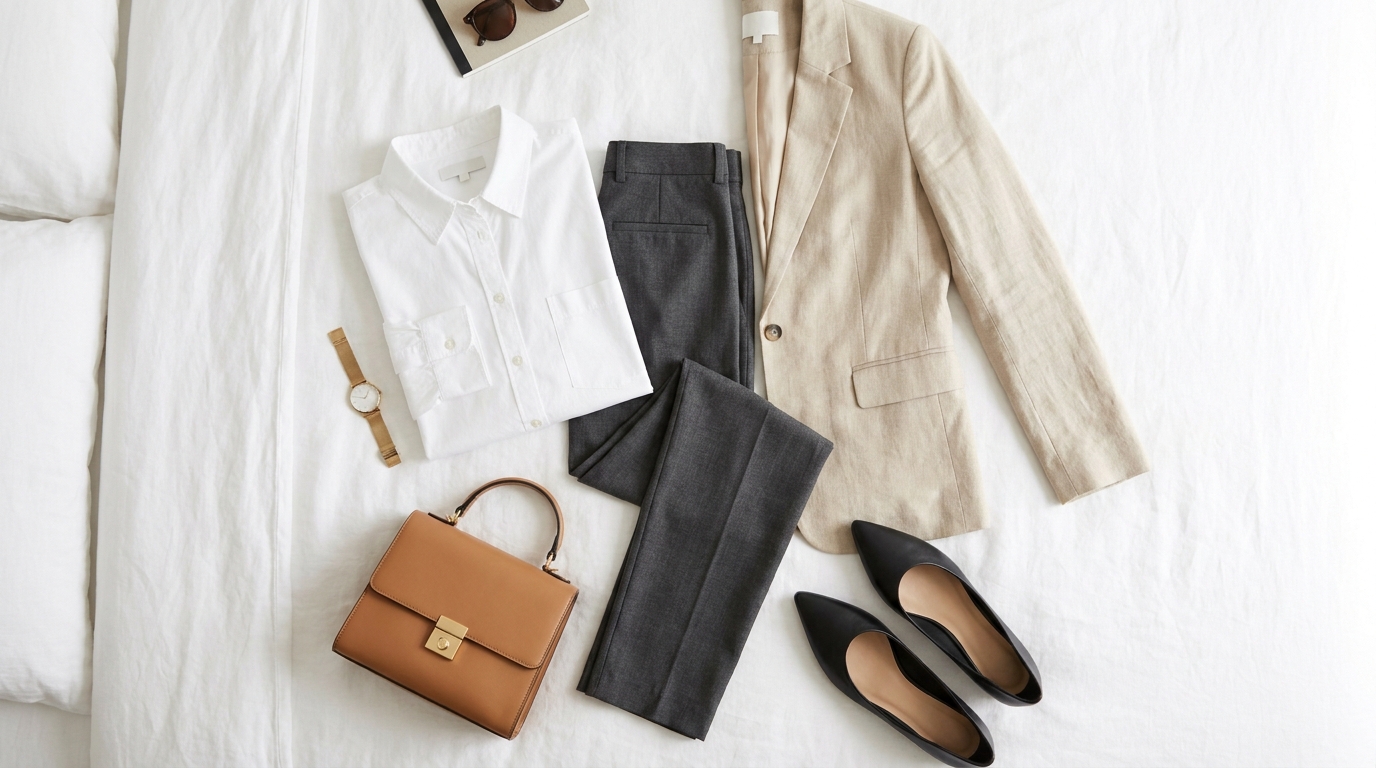
How to Dress Well on a Budget Without Looking Cheap
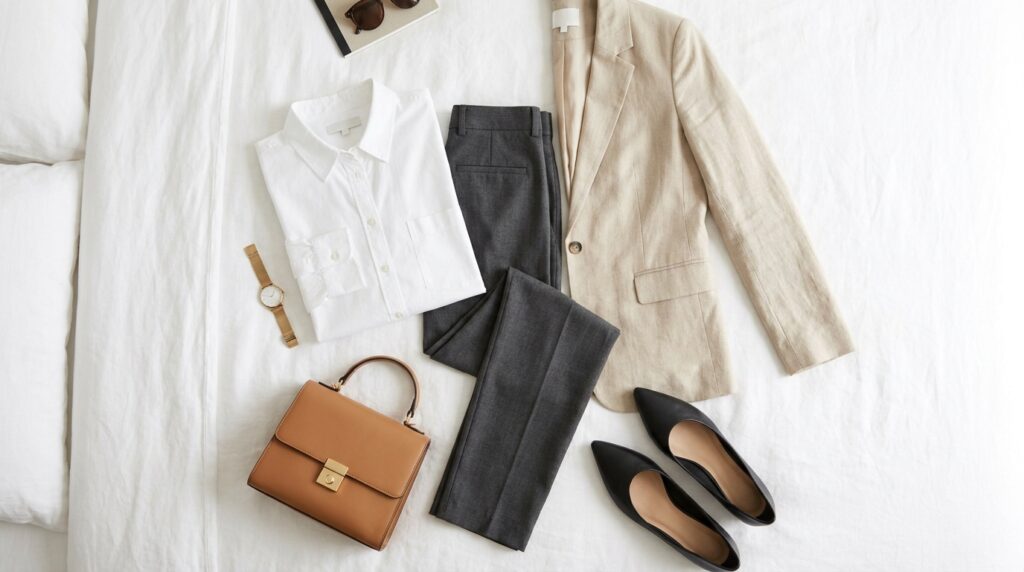
There’s a persistent myth in fashion that looking good costs a lot of money. Walk into any high street store, scroll through any style account online, and it can start to feel like a well-dressed life is reserved for people with a certain kind of income. But spend any time paying attention to what actually makes an outfit look good, and you’ll quickly realize that money is one of the least important factors in the equation.
People who dress well on a budget aren’t doing anything magical. They’ve just figured out a handful of principles that most people never consciously learn, things like how to spot quality in a garment regardless of its price, where to shop smarter rather than just cheaper, and how small details like fit and care transform even the most inexpensive pieces into something that looks intentional and polished. Once you understand those principles, shopping on a budget stops feeling like a compromise and starts feeling like a skill.
This guide covers everything you need to dress well regardless of what you have to spend, from how to think about your wardrobe differently to the practical habits that separate someone who always looks put together from someone who doesn’t, at any price point.
Shift Your Mindset About What “Budget” Means
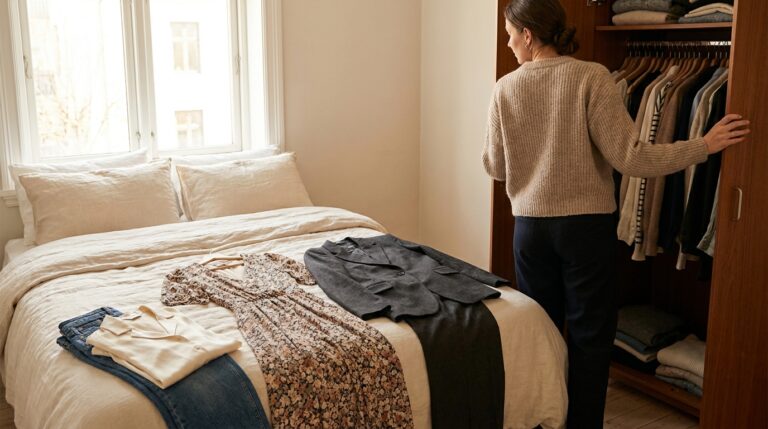
The biggest obstacle to dressing well on a budget isn’t money. It’s the habit of shopping impulsively and buying things you don’t actually need. Most people who feel like they have nothing to wear don’t have too little clothing. They have too much clothing that doesn’t work together, bought in individual moments of excitement without thinking about how each piece fits into the larger picture of their wardrobe. The result is a full closet that somehow never produces a good outfit, and a budget that gets drained on pieces that barely get worn.
Dressing well on a budget starts with buying less and choosing more carefully. Spending thirty dollars on a well-fitting, versatile shirt you’ll wear twice a week for two years is a far better investment than spending the same thirty dollars on three shirts that don’t quite work with anything else you own and get worn twice before being forgotten at the back of the wardrobe. The price per wear of the first shirt is pennies. The price per wear of the three shirts is much higher, even though the initial spend was the same.
Reframing how you think about cost per wear rather than sticker price is one of the most useful mental shifts you can make when shopping on a budget. A twenty dollar item you wear constantly is cheaper in real terms than a five dollar item that sits untouched. This doesn’t mean spending more than you can afford. It means being more deliberate about what you choose to spend on, so that every purchase actually earns its place in your wardrobe rather than adding to the pile of things you bought with good intentions and never reached for again.
Build a Foundation of Versatile Basics
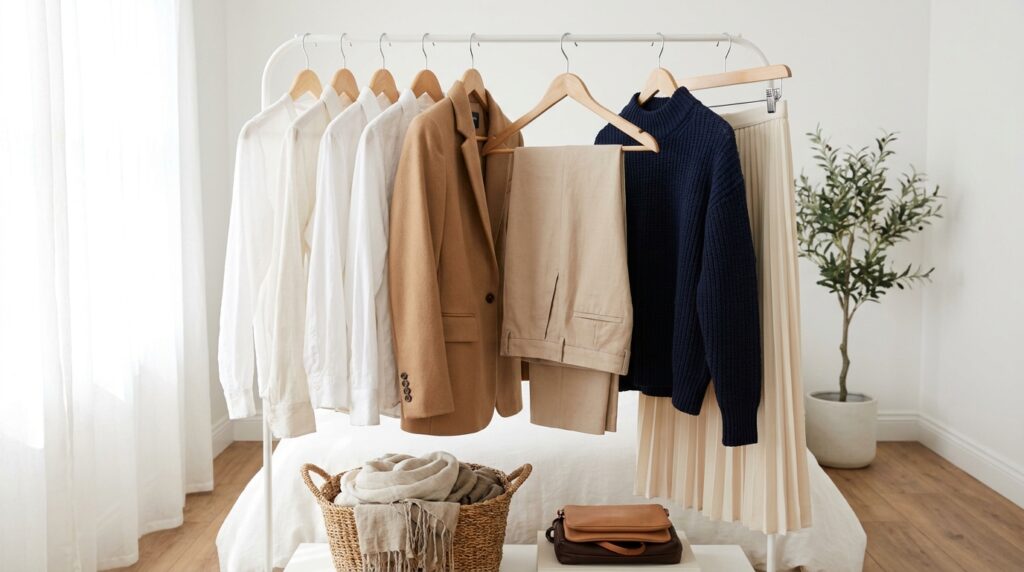
A wardrobe built on solid basics is the most cost-effective approach to dressing well at any budget level. Basics are the pieces that go with almost everything else in your wardrobe, that don’t go out of style from season to season, and that provide the foundation on which more interesting pieces can be built. When your basics are right, getting dressed is easy and everything looks more cohesive.
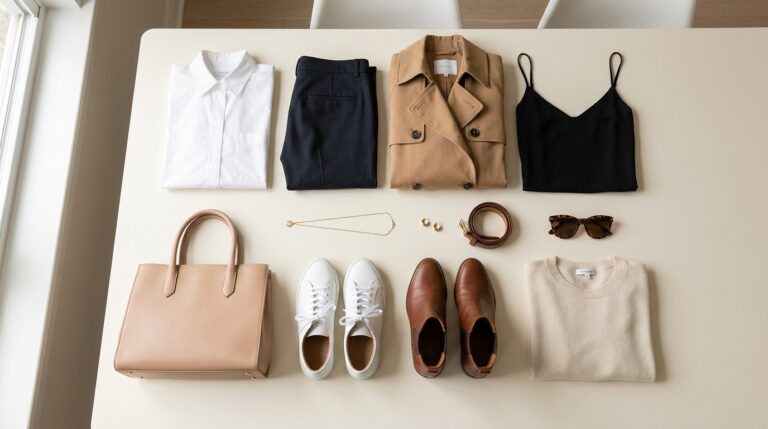
The core basics worth investing in first are the ones you reach for most often. A well-fitting white shirt, a pair of dark, well-cut trousers or jeans, a simple crewneck or v-neck sweater in a neutral color, a clean pair of white sneakers or simple leather shoes, and a versatile outer layer like a trench coat or simple blazer. These aren’t exciting pieces on their own, but they’re the reason that some people’s wardrobes always look pulled together while others’ never quite do.
When shopping for basics on a budget, fit and fabric are the two things worth prioritizing over everything else. A basic white shirt in a natural fabric that fits perfectly will look significantly more expensive than a synthetic one that doesn’t. Since basics are worn so frequently, even a small difference in quality shows up quickly over time. Spending slightly more on the pieces you wear most often, while spending less on accent pieces and statement items, is one of the smartest ways to allocate a limited fashion budget.
Learn to Shop Secondhand
Secondhand shopping is one of the most powerful tools available to anyone who wants to dress well on a limited budget, and it’s more accessible than it’s ever been. Charity shops, vintage stores, online resale platforms, and clothing swap events all offer the opportunity to find genuinely high quality pieces at a fraction of their original price. Designer and quality pieces that would be completely out of reach at retail are frequently available secondhand for very reasonable amounts.
The key to successful secondhand shopping is patience and a clear sense of what you’re looking for. Walking into a charity shop without a plan and hoping to find something good occasionally works, but going in with a specific list of what your wardrobe needs, a blazer in a neutral color, a pair of well-cut trousers, a quality leather bag, and searching specifically for those things is far more effective. Secondhand shopping rewards people who know their wardrobe well and shop with intention rather than impulse.
Online resale platforms have made secondhand shopping significantly more accessible for people who don’t have time to browse physical stores regularly. Searching for specific brands, items, sizes, and conditions allows you to find exactly what you’re looking for without spending hours in a shop. Many quality pieces appear in near-perfect condition on resale platforms because they were bought, barely worn, and then resold, which means the quality is effectively the same as new at a much lower price.
Understand What Makes Clothing Look Cheap
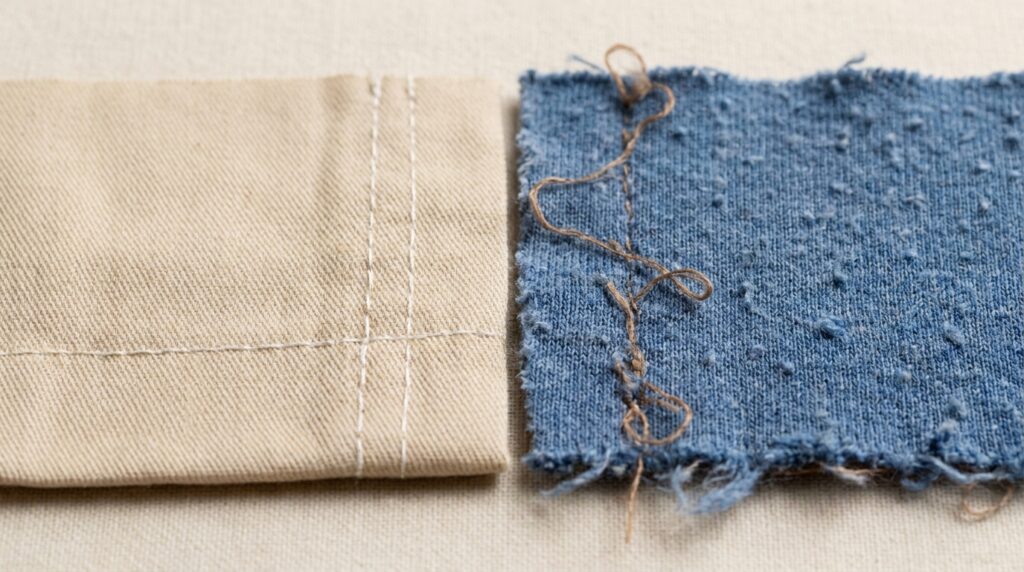
Knowing what makes clothing look cheap is just as important as knowing what makes it look expensive, because you can’t avoid one without understanding the other. Several visual cues signal low quality or poor taste regardless of the actual price of a garment, and being aware of them helps you shop and dress more effectively on a budget.
Visible pilling, poor stitching, and fabric that doesn’t drape properly are the three most immediate signs of a low-quality garment. Pilling, those small fiber balls that develop on the surface of fabric, happens fastest on synthetic fabrics and makes even a new garment look worn and cheap within weeks. Checking for these signs before buying something, running your hand over the fabric, looking at the seams, and holding it up to the light to see how it falls, takes seconds and saves you from wasting money on pieces that won’t last.
Ill fit is the most common reason budget clothing looks cheap, and it’s also the most fixable. A garment that’s slightly too large, too long, or cut in a way that doesn’t suit your body reads as cheap regardless of its actual price, while the same garment altered to fit correctly looks significantly more expensive. Getting key pieces tailored, particularly trousers, blazers, and shirts, is one of the highest-return investments you can make in a budget wardrobe.
Overly logo-heavy or trend-driven pieces tend to look cheaper over time than simple, clean designs, both because trends expire quickly and because prominent branding on inexpensive items tends to draw attention to the item’s origins rather than away from them. Choosing pieces with clean, minimal design tends to age better and look more expensive regardless of where they came from.
Take Care of What You Own
The condition of your clothes has an enormous impact on how they look, and caring for what you own is one of the most cost-effective things you can do for your wardrobe. A well-maintained inexpensive garment looks better than a neglected expensive one, and good care habits significantly extend the life of every piece you own, which means spending less on replacements over time.
Washing clothes less frequently and at lower temperatures extends the life of most garments significantly. Many items, particularly knitwear, trousers, and outerwear, don’t need to be washed after every wear. Airing them out, spot-cleaning when necessary, and washing only when genuinely needed preserves the fabric, the color, and the shape of the garment far better than frequent machine washing.
A fabric shaver is one of the cheapest and most impactful tools you can own. It removes the small fiber pills that make garments look worn and cheap, instantly refreshing the appearance of knitwear and other fabrics that pill over time. A five minute pass over a pilled sweater with a fabric shaver can make it look almost new again, extending the wearable life of the piece by months or even years.
Storing clothes properly prevents damage that’s expensive to repair or impossible to undo. Hanging items that wrinkle easily, folding knitwear flat to prevent stretching, keeping leather goods conditioned, and storing seasonal pieces carefully rather than cramming them into an overfull wardrobe all preserve the quality of your clothes between wears. The effort is minimal and the payoff in terms of how long your clothes look good is significant.
Shop the Sales Strategically
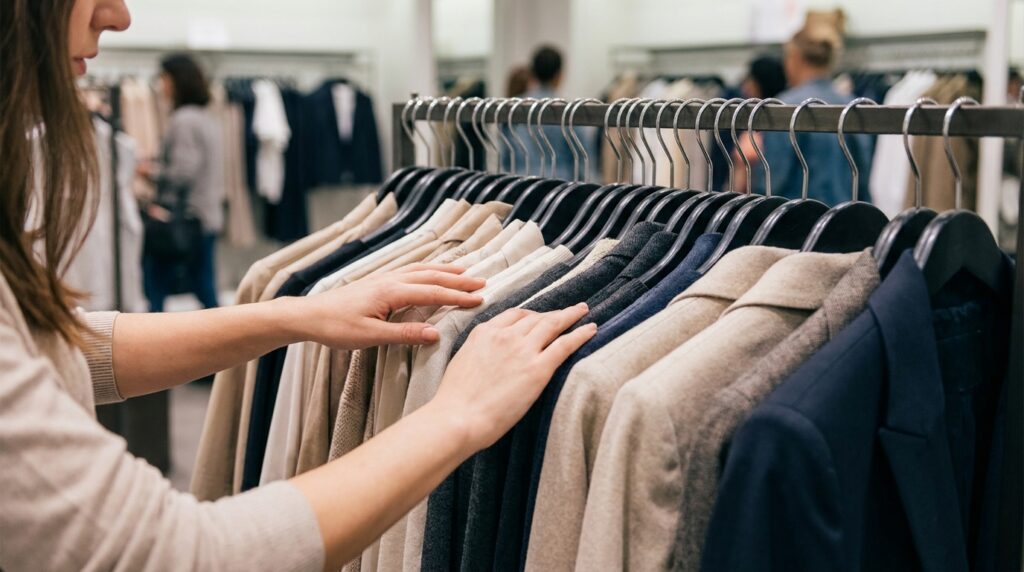
Sales are one of the most effective ways to access better quality clothing at budget prices, but only if you approach them strategically rather than reactively. The most common sales mistake is buying things you wouldn’t have wanted at full price simply because the reduced price makes them feel like a good deal. A fifty percent discount on something you don’t need or won’t wear is still a waste of money.
The most effective approach to sales shopping is having a list before they start. Knowing exactly what your wardrobe needs, whether that’s a winter coat, a pair of boots, or a specific color of knitwear, and then waiting for sales to buy those specific things at a reduced price is a disciplined approach that genuinely stretches a budget. End of season sales in particular are excellent for buying quality pieces at significantly reduced prices, since retailers are clearing stock rather than trying to maximize margin.
Signing up to newsletters from stores you actually like gives you advance notice of sales and sometimes access to early sale periods before the general public. It takes two minutes to sign up and can make the difference between finding what you need at a reduced price and arriving to find your size is already gone.
Dress for Versatility Over Novelty
The most expensive-looking wardrobes are rarely the ones with the most pieces or the most variety. They’re the ones where everything works together, where outfits come together easily, and where individual pieces get worn frequently in multiple different combinations. Versatility is the characteristic that separates a wardrobe that works from one that doesn’t, and it’s entirely achievable on a budget.
Before buying any new piece, ask yourself how many things you already own it will work with. If the honest answer is one or two, the piece is probably not worth buying regardless of the price. If the answer is five or six, it’s likely a genuinely useful addition to your wardrobe. This single question, applied consistently before every purchase, eliminates most of the impulsive buying that fills wardrobes with unworn pieces and drains budgets without improving outfits.
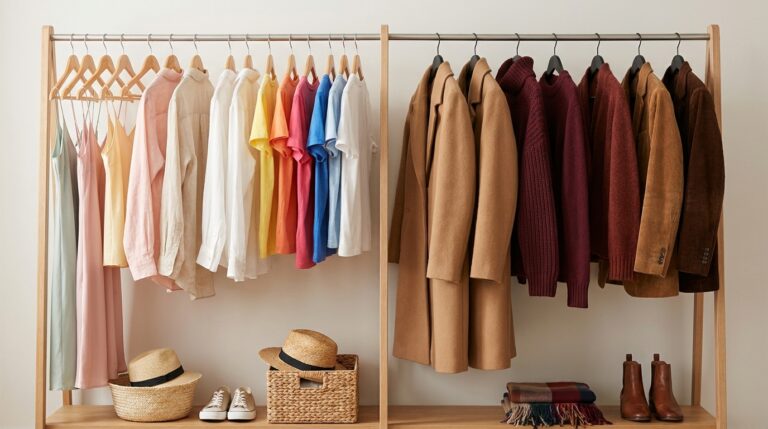
Sticking to a consistent color palette across your wardrobe makes everything more versatile without requiring any additional spending. When most of your wardrobe works within the same color family, individual pieces go further because they work with multiple combinations rather than just one. This is one of the reasons that wardrobes built around neutrals tend to look more polished than wardrobes with a wide variety of competing colors, even when the individual pieces are similarly priced.
Use Accessories to Elevate Simple Outfits
Accessories are one of the most cost-effective ways to elevate a simple, inexpensive outfit, and they don’t have to be expensive to work well. A simple outfit of well-fitting basics can be transformed by the right accessories, whether that’s a scarf, a belt, a bag, or a piece of jewelry. The key is choosing accessories that look considered and clean rather than cheap and cluttered. One well-chosen accessory does more for an outfit than five mediocre ones competing for attention.
One or two well-chosen accessories do more for an outfit than several lesser ones worn together. Restraint is the hallmark of a polished look, and the same principle applies whether you’re spending a little or a lot on your accessories. A single simple necklace, a clean leather belt, or a structured bag in a neutral color elevates an outfit in a way that a collection of cheaper, trendier pieces often doesn’t. When in doubt, take one thing off before you leave the house. That edit almost always improves the overall look.
Secondhand and vintage accessories are particularly good value because quality accessories age well and can be found in excellent condition at significantly reduced prices. A quality leather bag or a classic piece of jewelry found secondhand for a fraction of its original price will elevate your outfits just as effectively as the same piece bought new, often more so because vintage pieces tend to have a character and quality that newer budget accessories lack.
Frequently Asked Questions
How much should I spend on building a budget wardrobe?
There’s no fixed number since it depends entirely on your income and circumstances. The more useful question is how to allocate whatever you do spend, which is to prioritize fit and fabric in the pieces you wear most often, buy secondhand wherever possible for quality pieces, and avoid spending anything on items that don’t work with what you already own.
Is it worth buying cheap fast fashion pieces?
Occasionally, for specific items that don’t need to last long or that are highly trend-dependent, inexpensive fast fashion can make sense. For basics and pieces you intend to wear regularly, the cost per wear of cheap fast fashion tends to be higher than slightly better quality pieces that last longer, since they need replacing more frequently.
What are the most important pieces to spend more on?
Outerwear, shoes, and tailored pieces like blazers and trousers tend to be the most worth spending more on, since they’re worn frequently, visible from a distance, and significantly affected by quality differences. Basics like plain t-shirts and casual knitwear are areas where budget options tend to perform well enough to be worthwhile.
How do I make secondhand shopping work for me?
Go with a specific list of what your wardrobe needs, know your measurements so you can assess fit quickly, check garments carefully for damage before buying, and be patient. Secondhand shopping rewards consistency over time rather than a single lucky visit.
How do I stop buying things I don’t wear?
Before buying anything, ask how many things you already own it works with, where you’ll actually wear it, and whether you’d still want it at full price. Waiting 24 to 48 hours before making non-essential purchases also significantly reduces impulse buying that leads to unworn pieces.
Can you really look expensive on a tight budget?
Absolutely. Fit, fabric care, color discipline, and choosing versatile pieces over novelty items are all free or very low cost strategies that have a dramatic impact on how polished an outfit looks. The most expensive-looking wardrobes are built on principles rather than price tags, and those principles are available to anyone willing to apply them consistently.