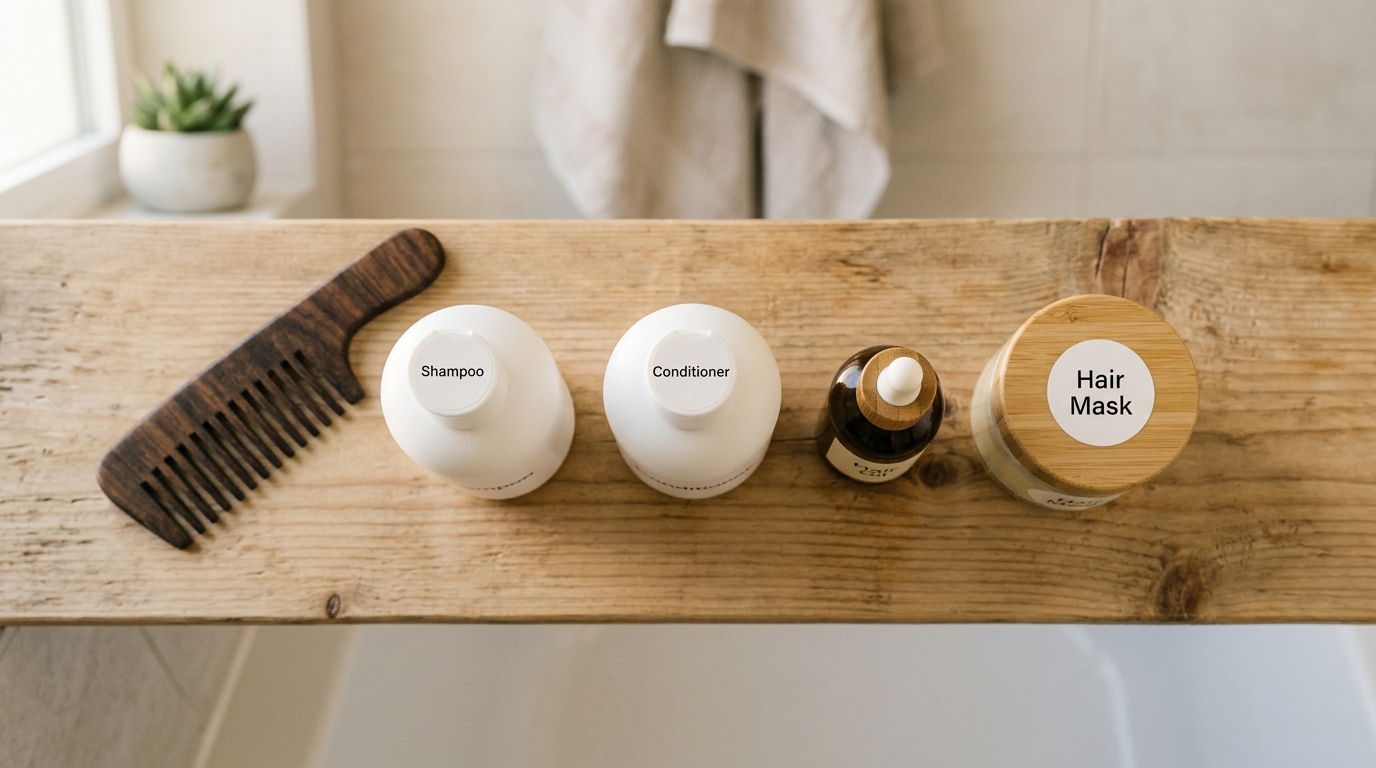
The Ultimate Guide to Building a Haircare Routine
Most people’s haircare routine isn’t really a routine at all. It’s more of a collection of habits picked up over the years, some from a parent, some from a friend, some from a product advertisement that seemed convincing at the time. You wash your hair on certain days, use whatever conditioner is in the shower, maybe apply something to your ends if they’re feeling dry, and call it done. And for a lot of people, that works well enough. But “well enough” and “actually healthy hair” are two different things, and understanding the difference is where a real haircare routine begins.
Building a proper haircare routine doesn’t mean spending a lot of money or spending an hour in the bathroom every morning. It means understanding what your hair actually needs, in what order, and how often, and then being consistent about delivering that. The results are cumulative. Hair that’s cared for consistently over weeks and months looks and behaves completely differently from hair that’s treated reactively, only getting attention when something goes wrong.
This guide walks through everything you need to build a routine that works for your specific hair type, from the basics of washing and conditioning to the extras that genuinely make a difference. It’s a starting point rather than a rigid prescription, because good haircare is ultimately about paying attention to your own hair and adjusting based on what you observe rather than following someone else’s exact protocol.
Start With Understanding Your Hair Type
Before you can build a routine that works, you need to know what you’re working with. Hair type covers several different characteristics, not just curl pattern, and understanding all of them helps you choose the right products and practices rather than guessing.
Texture refers to the thickness of individual hair strands and is generally categorized as fine, medium, or coarse. Fine hair tends to get weighed down easily and can look flat with heavy products. Coarse hair can handle richer, heavier formulas and often needs more moisture to feel soft and manageable. Medium hair falls somewhere in between and is the most versatile in terms of what products work.
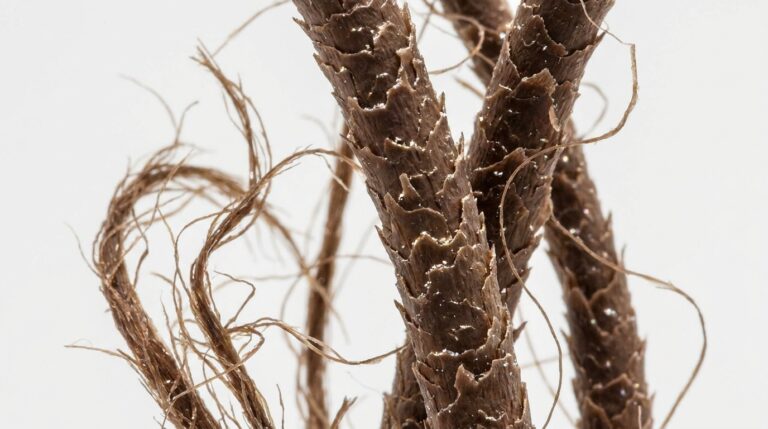
Porosity refers to how well your hair absorbs and retains moisture, and it matters more than most people realize. Low porosity hair has a tight cuticle that resists moisture absorption, which means products can sit on the surface rather than penetrating the hair shaft. High porosity hair absorbs moisture quickly but loses it just as fast, leading to chronic dryness. Normal or medium porosity hair sits in the middle and tends to respond well to most products. A simple way to test your porosity is to drop a clean strand of hair into a glass of water. If it floats, porosity is likely low. If it sinks quickly, porosity is likely high.
Scalp type is the third factor most people overlook. An oily scalp and dry ends is one of the most common combinations, and treating both correctly requires different approaches rather than a single product for the whole head. Understanding that your scalp and your lengths can have different needs is one of the most useful shifts in perspective when building a haircare routine.
The Foundation: Washing Frequency
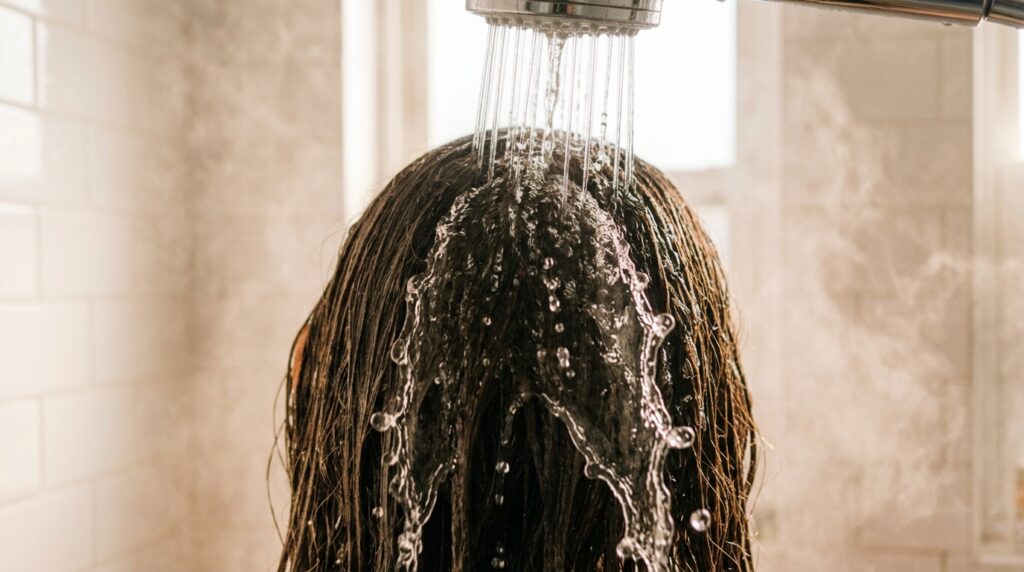
One of the most common haircare mistakes is washing hair too often, and the other most common mistake is not washing it often enough. Finding the right washing frequency for your specific hair and scalp is one of the foundational decisions of a haircare routine, and it varies significantly from person to person. There’s no universal answer, and the advice you got from your mother or your best friend may not apply to your hair type at all.
Daily washing strips the scalp of its natural oils faster than they can be replenished, which leads the scalp to overproduce oil to compensate, creating a cycle where hair feels greasy more quickly and seems to need washing more often. For most hair types, washing two to three times a week strikes a better balance between keeping the scalp clean and allowing natural oils to do their job. Fine hair and oily scalps may genuinely need more frequent washing. Thick, coarse, or curly hair often benefits from less, since natural oils travel more slowly down a textured hair shaft and the hair tends to be drier along the length as a result.
If you’re transitioning from daily washing to a less frequent schedule, the first two to three weeks can feel awkward as your scalp adjusts its oil production. Using a dry shampoo at the roots between wash days helps manage this transition period. Most people find that after a month of a less frequent schedule, their hair feels less greasy between washes than it did when they were washing daily, which is the scalp’s oil production recalibrating to a new normal.
Choosing the Right Shampoo
Shampoo does one job: it cleans the scalp. Most of the length of your hair doesn’t actually need shampoo in the same way the scalp does, and applying shampoo to the lengths is part of why hair so often feels dry after washing. The most effective technique is to focus shampoo at the scalp, massaging it in thoroughly, and letting it rinse through the lengths rather than scrubbing shampoo into the ends directly.
Sulfate-free shampoos are worth considering for most hair types, particularly if your hair is dry, color-treated, curly, or prone to frizz. Sulfates are the cleansing agents that create a rich lather in conventional shampoos, and while they’re effective at removing buildup, they’re also quite stripping and can leave hair feeling dry and rough. Sulfate-free formulas clean more gently and tend to preserve the hair’s natural moisture balance better over time.
Clarifying shampoo is a different tool for a different job. Used once a month or so, a clarifying shampoo removes the buildup of products, minerals from hard water, and excess oils that regular shampoos sometimes leave behind. This is particularly useful if you use a lot of styling products, live in an area with hard water, or notice your hair feeling heavy and dull despite regular washing. Think of it as a reset rather than a daily cleanser.
Conditioning Correctly
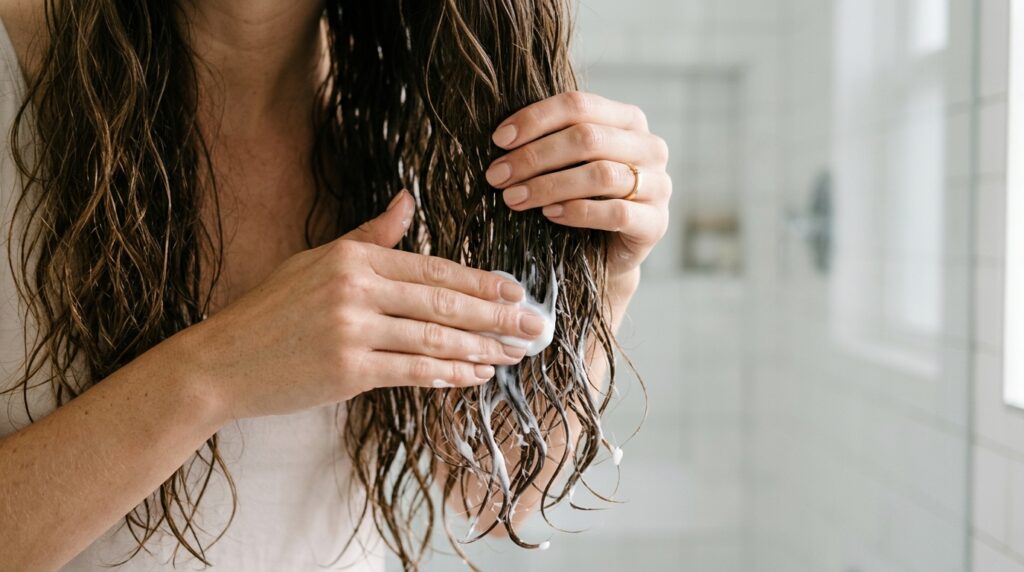
Conditioner is where most people’s routine falls short, and it’s one of the highest-impact areas to improve. The purpose of conditioner is to replenish moisture and smooth the hair cuticle after washing, which reduces frizz, improves manageability, and makes the hair feel softer and look shinier. Skipping it or using it incorrectly leaves most of those benefits on the table.
Rinse-out conditioner should be applied from the mid-lengths to the ends, not at the scalp. Applying conditioner to the scalp can weigh hair down and contribute to oiliness, since the scalp produces its own oils and doesn’t need the extra moisture. Focus the conditioner where the hair is oldest and driest, which is almost always the ends, and leave it on for at least two to three minutes before rinsing rather than washing it out immediately.
Leave-in conditioner is a separate step that a lot of people skip and shouldn’t. Applied to damp hair after washing, a leave-in provides an additional layer of moisture that stays in the hair throughout the day rather than being rinsed out. It also reduces friction during detangling, provides some environmental protection, and helps the hair hold onto the moisture from the rinse-out conditioner. For dry, curly, or damaged hair types, leave-in conditioner is genuinely one of the most impactful additions to a routine.
Deep Conditioning: The Weekly Treatment
Deep conditioning is the single most effective thing most people can add to their haircare routine, and it’s also the step that gets skipped most often because it requires more time than a regular wash day. A deep conditioner is a richer, more concentrated treatment that penetrates the hair shaft more deeply than a rinse-out conditioner, delivering more intense moisture and protein to the hair fiber.
Once a week is the sweet spot for most hair types. Apply the deep conditioner to clean, damp hair after shampooing, cover with a shower cap, and leave it on for at least 20 to 30 minutes. The warmth from covering the hair helps the product penetrate more effectively. Some people use a warm towel wrapped around the shower cap for extra heat, or sit under a hooded dryer if they have one available.
The ingredients in your deep conditioner matter. For moisture, look for shea butter, aloe vera, glycerin, honey, or hyaluronic acid. For protein, look for keratin, hydrolyzed wheat protein, rice protein, or silk amino acids. If your hair is heat damaged, chemically treated, or very dry, alternating between a moisture-focused and a protein-focused deep conditioner each week tends to produce the best results, since both moisture and protein are needed to maintain healthy, strong hair
Detangling Without Damage
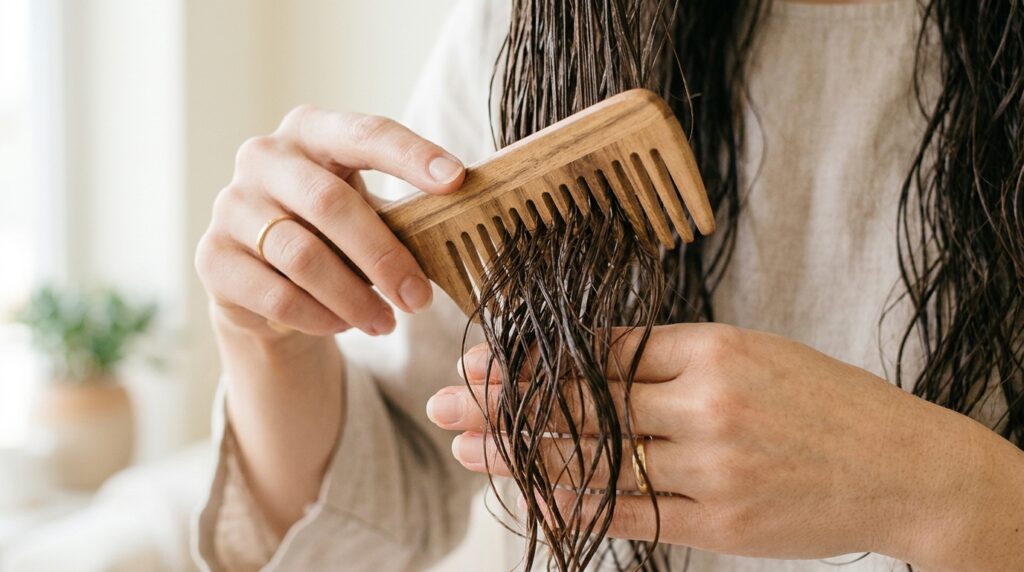
How you detangle your hair has a significant impact on breakage, and most people approach it in a way that causes more damage than necessary. The instinct to run a brush through hair from root to tip is one of the most common causes of preventable breakage, particularly on wet hair, which is more elastic and vulnerable to damage than dry hair.
Always detangle from the ends upward rather than from the roots down. Starting at the tips and working your way up gradually removes knots without forcing them through the length of the hair, which is what causes breakage. Using a wide-tooth comb, a detangling brush, or your fingers on damp, conditioned hair makes the process significantly easier and less damaging than attacking dry, uncoated hair with a brush.
Detangling while conditioner is still in the hair is one of the most effective approaches, particularly for curly, coily, or thick hair types. The conditioner acts as a slip agent that allows knots to release without pulling, which reduces both breakage and the discomfort of detangling.
Scalp Care
A healthy scalp is the foundation of healthy hair, and it’s the part of haircare that gets the least attention. Every strand of hair grows from the scalp, and the condition of the scalp directly affects the condition of the hair that grows from it. Neglecting the scalp while focusing exclusively on the lengths is like watering the leaves of a plant while ignoring the roots.
Scalp massage is one of the simplest and most beneficial things you can do regularly. Massaging the scalp for a few minutes during washing, or using a scalp massage tool, increases blood circulation to the hair follicles, helps loosen buildup, and distributes the scalp’s natural oils along the hair shaft. It’s also genuinely relaxing, which makes it an easy habit to maintain.
Scalp serums and oils are worth incorporating if you have specific scalp concerns such as dryness, flakiness, or slow hair growth. Ingredients like peppermint oil, rosemary oil, salicylic acid, and niacinamide address different scalp concerns and can be applied between wash days rather than at every wash. A healthy, well-nourished scalp produces stronger hair from the root, which is the only place where actual hair growth happens.
Protecting Hair From Damage
Prevention is significantly easier than repair when it comes to haircare, and building protective habits into your routine saves you from having to undo damage later. Heat protection before any hot tool use, gentle handling during detangling, and protective styling during sleep are the three most impactful preventive habits.
To prevent heat damage, use a heat protectant before every heat styling session is non-negotiable for anyone who uses a blow dryer, flat iron, or curling wand regularly. A good heat protectant creates a barrier between the tool and the hair fiber that distributes heat more evenly and reduces direct cuticle damage. Apply it to damp or dry hair before any heat tool, work it through evenly, and give it a moment to absorb before styling.
Sleeping on a satin or silk pillowcase reduces the friction that cotton pillowcases create against the hair overnight. This friction lifts the hair cuticle repeatedly across several hours, which contributes to frizz, breakage, and dullness over time. Switching to a satin or silk surface is one of the easiest and most impactful overnight changes you can make, particularly if your hair is dry, damaged, or color-treated.
Building Your Routine Step by Step
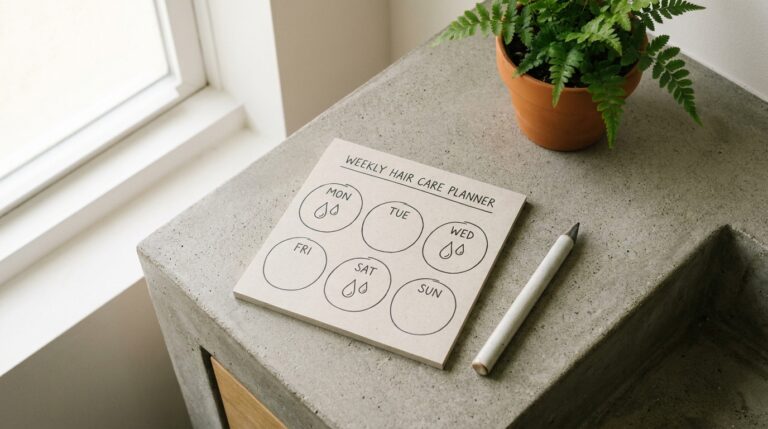
A complete haircare routine doesn’t have to happen all at once. If you’re starting from scratch or trying to improve a routine that isn’t working, adding one new step at a time and giving it a few weeks to show results is a more manageable and more informative approach than overhauling everything simultaneously.
A simple starting point for most hair types looks like this: Wash two to three times a week with a sulfate-free shampoo focused at the scalp. Follow with a rinse-out conditioner on the mid-lengths and ends. Apply a leave-in conditioner to damp hair before styling. Deep condition once a week with a rich treatment left on for at least 20 minutes. Use heat protectant before any heat tool. Sleep on a satin or silk pillowcase.
From there, adjust based on what your hair tells you. If it’s still dry after a few weeks, add more moisture-focused products or deep condition more frequently. If it feels limp and weighed down, scale back on heavy products and focus on lighter formulas. If your scalp feels itchy or flaky, add a scalp-focused treatment. The routine is a starting point, and your hair’s response to it is the feedback that helps you refine it over time.
Frequently Asked Questions
How long does it take to see results from a new haircare routine?
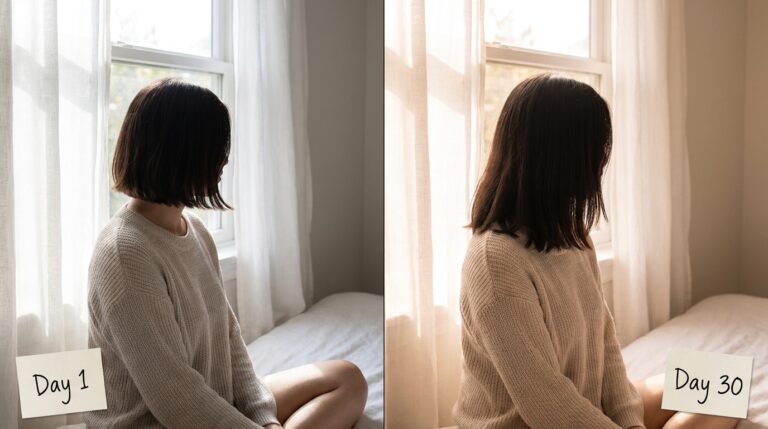
Most people notice a difference in how their hair feels within two to four weeks of consistent changes. More significant improvements in hair health, strength, and appearance typically take two to three months, since hair grows slowly and changes at the root take time to become visible along the length.
Do I need expensive products for a good haircare routine?
No. The principles matter more than the price point. Applying conditioner correctly, washing at the right frequency, and deep conditioning consistently will do more for your hair than expensive products used incorrectly. That said, checking ingredient lists and choosing formulas suited to your hair type makes a genuine difference regardless of price.
Can I deep condition too often?
Yes, particularly with protein-heavy treatments. Over-proteinating hair can make it feel stiff and brittle. Moisture-focused deep conditioners are more forgiving and can be used more frequently, but protein treatments are best used once a week or every other week depending on how your hair responds.
Should I wash my hair before or after exercising?
This depends on your schedule and hair type. Washing after exercising makes the most sense if sweat and buildup bother you. If you exercise frequently, co-washing (using conditioner only rather than shampoo) between full wash days can clean the scalp gently without stripping it as frequently.
Is it normal for hair to fall out when washing?
Losing between 50 and 100 hairs per day is considered within the normal range. Hair that’s washed less frequently may appear to shed more during washing simply because loose hairs have accumulated rather than falling throughout the day. Sudden or significant increases in shedding beyond this range are worth discussing with a dermatologist or trichologist.
How do I know if my routine is working?
Your hair will tell you. Improved softness, reduced breakage, less frizz, and a healthier-looking shine are all signs that a routine is working. Hair that feels dry, snaps easily, or looks dull despite consistent effort is a sign that something in the routine needs adjusting, usually the moisture and protein balance or the washing frequency.