Wardrobe Essentials Every Woman Should Own
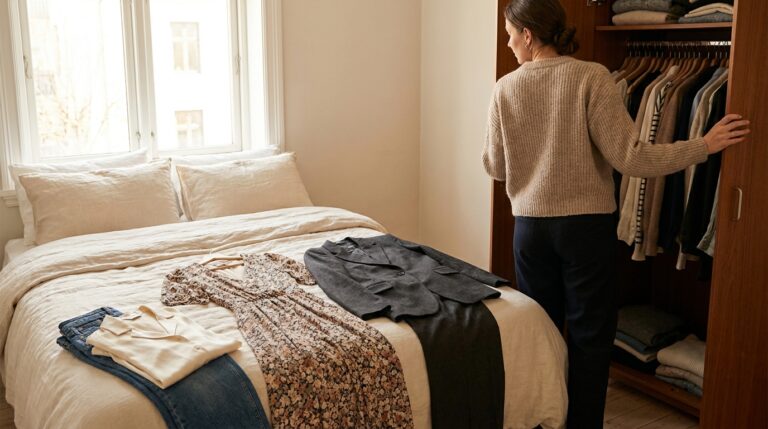
There’s a particular kind of getting-dressed frustration that has nothing to do with having too few clothes. You open the wardrobe, stare at what feels like an overwhelming amount of options, and still can’t put together an outfit that works. The problem in most of these cases isn’t quantity. It’s a lack of the right foundational pieces that make everything else work together.
A wardrobe built on genuine essentials is one of the most quietly powerful style investments you can make. Essentials are the pieces that go with almost everything else, that don’t go out of style from season to season, and that make the more interesting, trend-driven pieces in your wardrobe actually wearable rather than sitting unworn because they have nothing to pair with. When your essentials are right, getting dressed becomes genuinely easy. When they’re missing or poorly chosen, no amount of new purchases seems to fix the problem.
This guide covers the key essentials across every category, from clothing and outerwear to footwear, bags, and accessories, with practical advice on what to look for in each one and how to build your collection gradually rather than trying to buy everything at once.
The Foundation Pieces
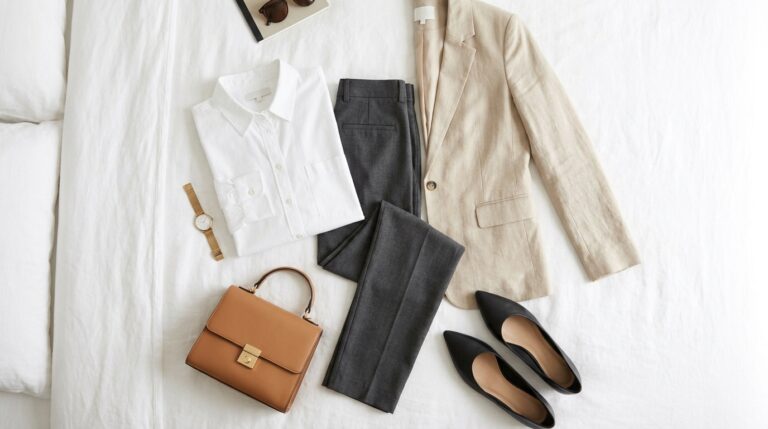
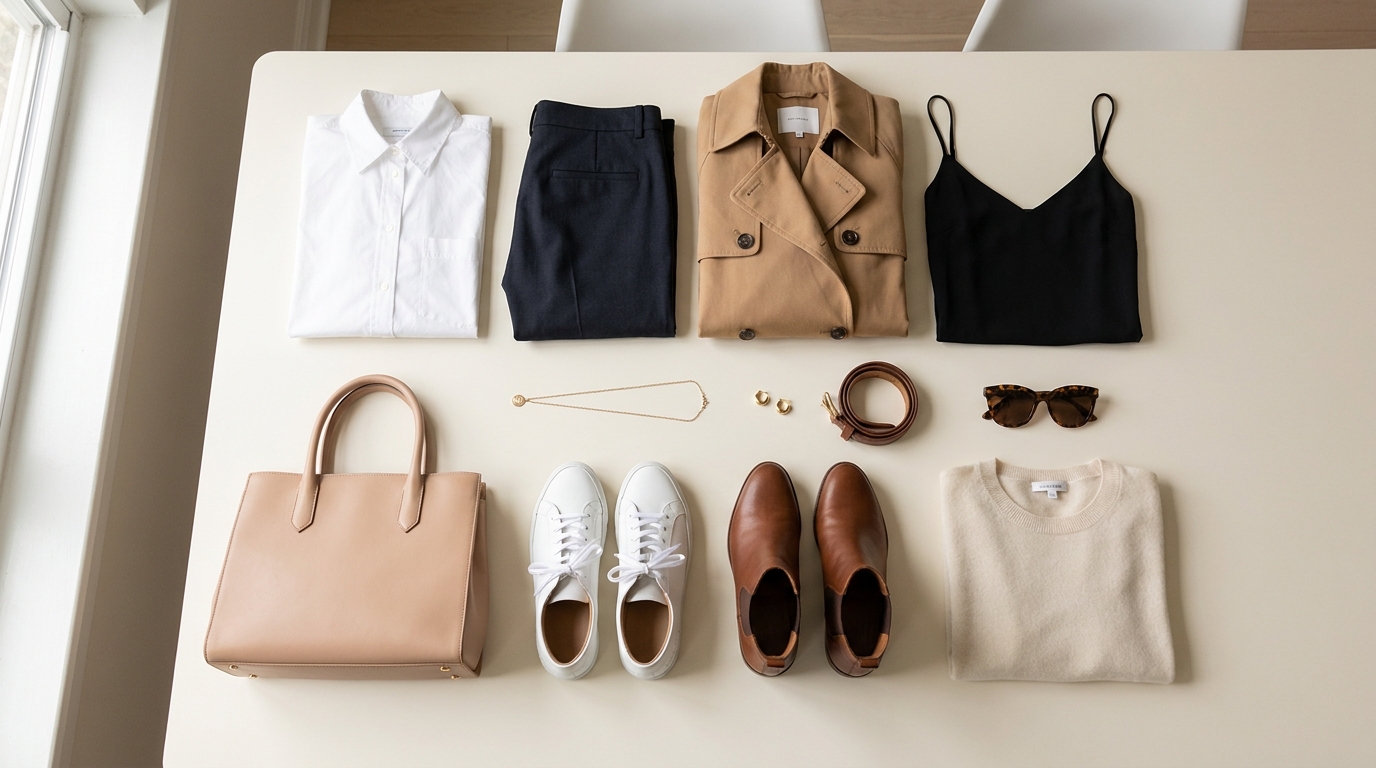
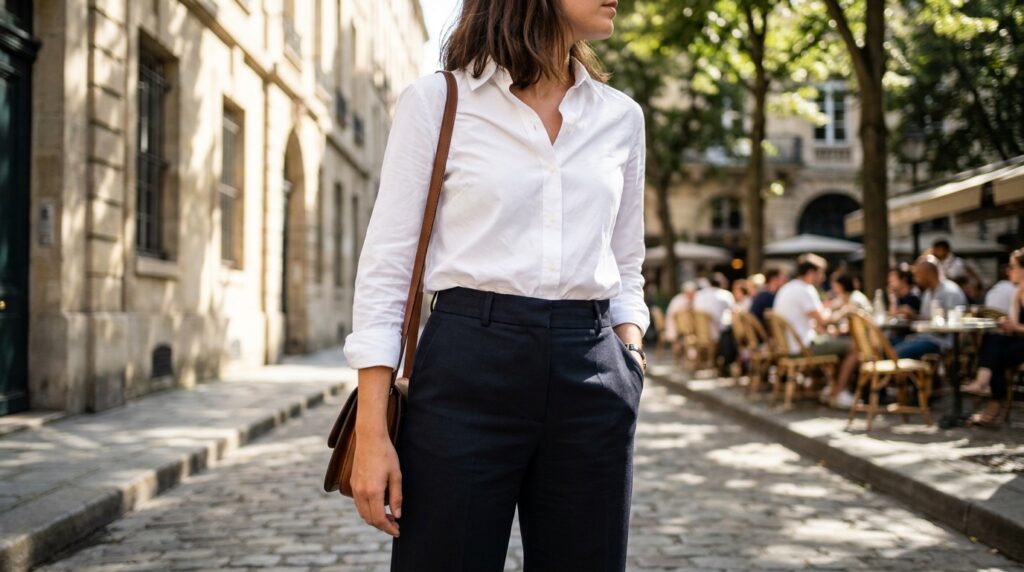
A well-fitted white shirt is the single most versatile piece in any wardrobe and the first essential worth getting right. A good white shirt works tucked into tailored trousers for a professional look, worn open over a slip dress for something more casual, knotted at the waist with jeans for a relaxed weekend outfit, or layered under a blazer for a polished, put-together feel. The key word is well-fitted. A white shirt that’s too boxy or too tight doesn’t have the same versatility as one that fits cleanly through the shoulders and chest while leaving room to move comfortably. When shopping for one, prioritize the shoulder fit above everything else since that’s the hardest thing to alter.
Dark, well-cut trousers are the backbone of a functional wardrobe. A pair of tailored trousers in navy, black, or charcoal that fits well through the waist and hip and falls cleanly to the ankle can be dressed up for work, worn casually with a simple t-shirt and white sneakers, or elevated with heels and a silk blouse for an evening out. The versatility of a well-fitted trouser is difficult to overstate, and it’s worth spending more on this piece than on almost anything else since the fit makes such a significant difference to how it reads.
A pair of dark, straight-cut jeans rounds out the foundation alongside the trousers. Jeans in a dark rinse with a straight or slightly tapered leg work across a wider range of occasions than distressed or very casual cuts, and they pair equally well with blazers, knitwear, and simple t-shirts. One well-chosen pair of dark jeans does more work in a wardrobe than three pairs of trend-specific cuts that only work in limited contexts. Getting them hemmed to the right length for your height and preferred shoe combination makes a noticeable difference to how polished the overall look is.
Outerwear Essentials
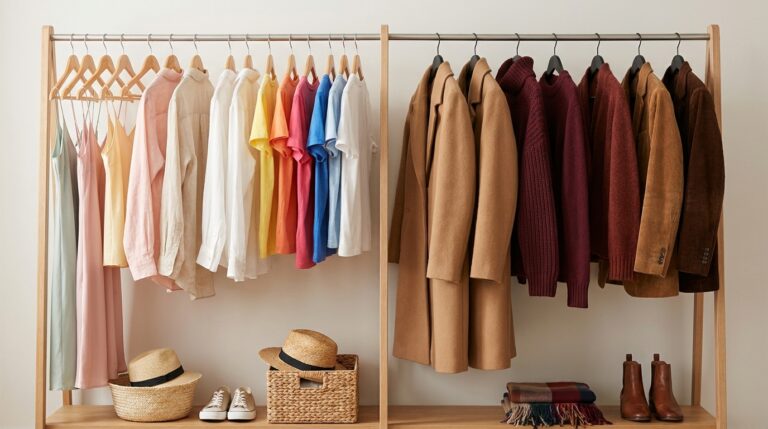
A classic trench coat is one of the most enduring outerwear pieces in fashion history for good reason. A well-chosen trench in a neutral camel or khaki tone works over everything from casual jeans to formal dresses, adds instant polish to any outfit underneath, and transitions beautifully between seasons in a way that heavier coats don’t. It’s the outerwear piece that photographs best, travels most easily, and works across the widest range of occasions of any coat style.
A well-fitted blazer is arguably the most hardworking single piece in any wardrobe, and it earns that status by doing more jobs than almost anything else you own. A neutral blazer in black, navy, or camel can transform a casual outfit into something that reads as intentional and put-together, functions as a lightweight layer in cool weather, works as a jacket over a dress or a top-and-trouser combination, and adds structure to any look that needs it. A blazer that fits well through the shoulders and closes cleanly at the chest is the key investment. Everything else about the outfit underneath can be simple.
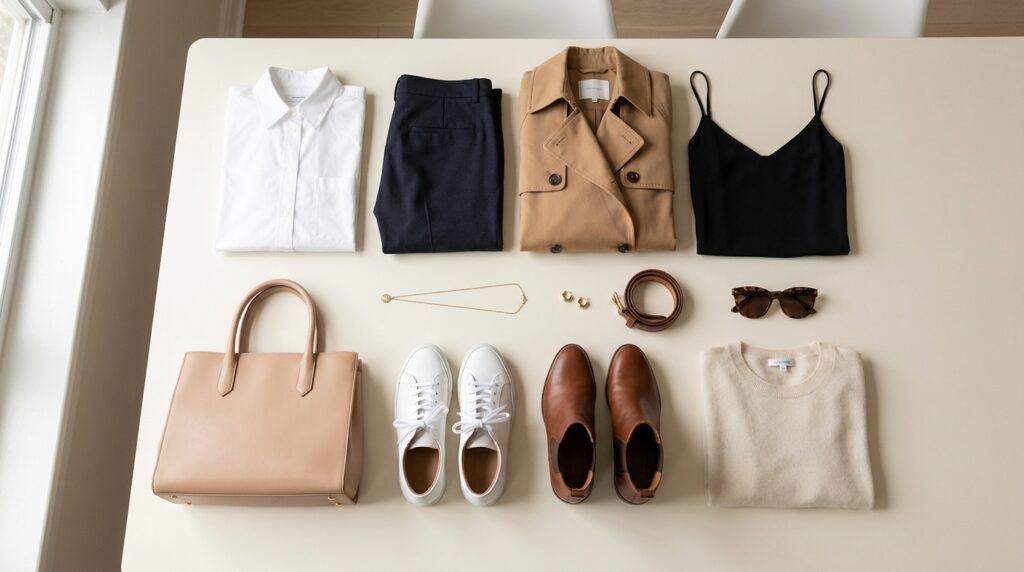
A classic knit cardigan in a neutral color is the softer, more relaxed cousin of the blazer and earns its place as an essential by serving a similar layering function in casual and relaxed contexts. A fine-knit cardigan in camel, grey, or navy layers over everything from summer dresses to jeans and a t-shirt, adds warmth without bulk, and never looks out of place regardless of the season.
Dress and Skirt Essentials
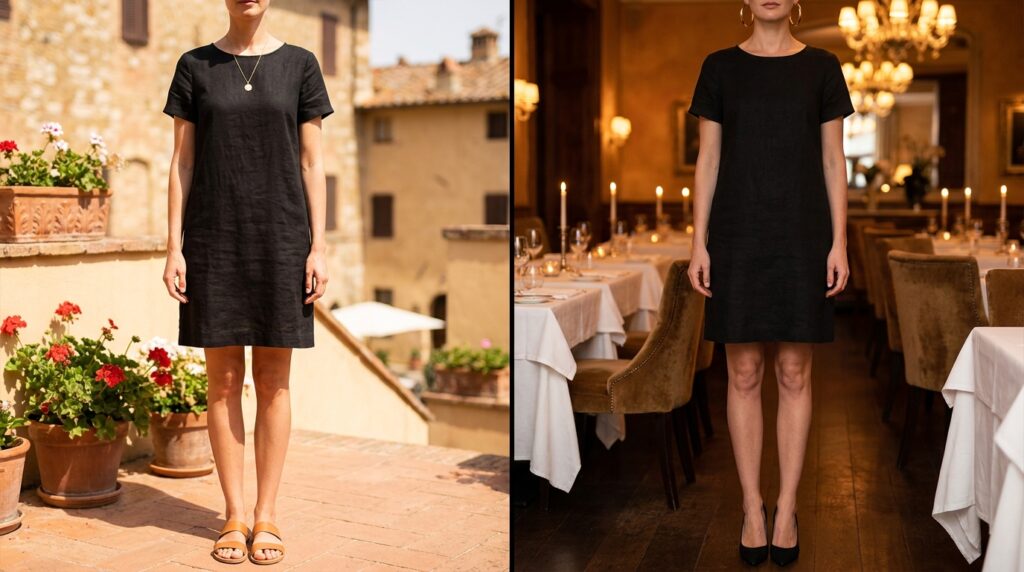
The little black dress is a genuine wardrobe essential rather than a cliché, and it earns that status by being one of the most adaptable single pieces in any wardrobe. A well-chosen black dress in a flattering silhouette and quality fabric can be dressed down with flat sandals and minimal jewelry for a casual summer lunch, dressed up with heels and statement earrings for a formal event, or layered under a blazer or cardigan for a professional setting. The version that works for your specific body and lifestyle is worth taking time to find, since a black dress that genuinely suits you becomes one of the most reached-for pieces you own.
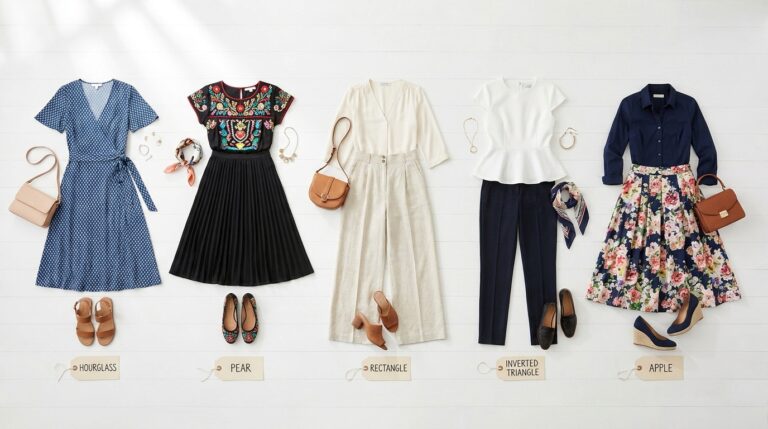
A midi skirt in a neutral or classic print is one of the most flattering and versatile skirt lengths for most body types and occasions. A midi in a solid neutral, a classic stripe, or a subtle print can be paired with a simple white shirt, a fine-knit, or a relaxed t-shirt depending on the occasion, and it works with both flat shoes and heels without the proportional challenge that shorter skirts sometimes present. A-line or slightly flared midi silhouettes tend to be the most universally flattering.
A wrap dress earns its place as an essential because it’s one of the few dress styles that is genuinely adjustable to fit a wide range of body shapes. The tie-waist construction allows for a custom fit at the waist, the V-neckline is flattering across a wide range of neckline preferences, and the wrap silhouette creates movement and femininity without requiring a very specific fit to look good. In a solid color or a classic print, a wrap dress functions as both a casual and a slightly more formal option depending on how it’s styled.
Footwear Essentials
A clean pair of white sneakers is the most versatile casual shoe in a modern wardrobe and one that earns significantly more outfit mileage than any other casual shoe style. White sneakers work with jeans, dresses, midi skirts, tailored trousers, and shorts. They make polished pieces feel more relaxed and relaxed pieces feel more intentional. A classic, minimal silhouette without excessive branding or detailing works across the most outfit combinations and ages the most gracefully.
Ankle boots in a neutral leather or suede are the footwear essential that bridges most seasons and most outfit types. A clean ankle boot in black, tan, or grey with a modest heel or flat sole works with jeans, midi skirts, tailored trousers, and dresses from autumn through spring. It’s one of those shoes that makes an outfit look finished without being the statement itself, which is exactly the function a wardrobe essential should perform.
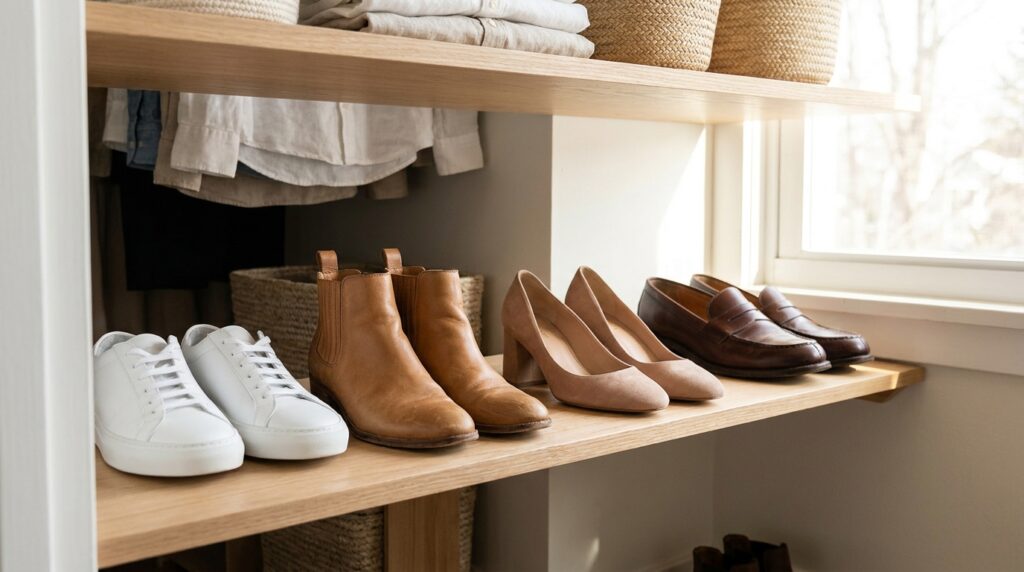
A pair of nude or neutral heels in a classic pump or block heel silhouette is the footwear essential for occasions that require more formality. A heel in a shade close to the skin tone elongates the leg visually and works with a wider range of outfit colors than a statement-colored heel. Block heels and kitten heels offer the versatility of a heel with more comfort for extended wear, which is worth considering when choosing which style to invest in.
A pair of simple leather loafers or ballet flats provides the flat formal option that white sneakers don’t cover. A loafer or flat in a neutral leather works with tailored trousers, jeans, and midi skirts in professional and smart-casual contexts where a sneaker would feel too casual but a heel would feel too formal.
Bag Essentials
A structured everyday bag in a neutral color is the bag that does the most daily work in a wardrobe and therefore deserves the most investment in terms of quality. A well-made structured bag in black, camel, tan, or navy in a size that carries everything you actually need for a day holds its shape over time, looks appropriate across a wide range of contexts from professional to casual, and elevates every outfit it accompanies without drawing too much attention to itself.
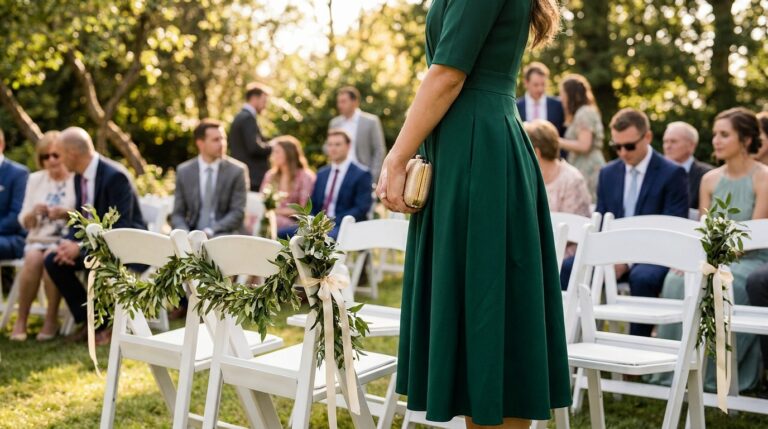
A simple clutch or small evening bag covers the occasions where the everyday bag is too large or too casual. A minimal clutch in black, gold, or silver works across most formal and evening contexts and is a piece that, once purchased in a quality version, tends to last for years without dating.
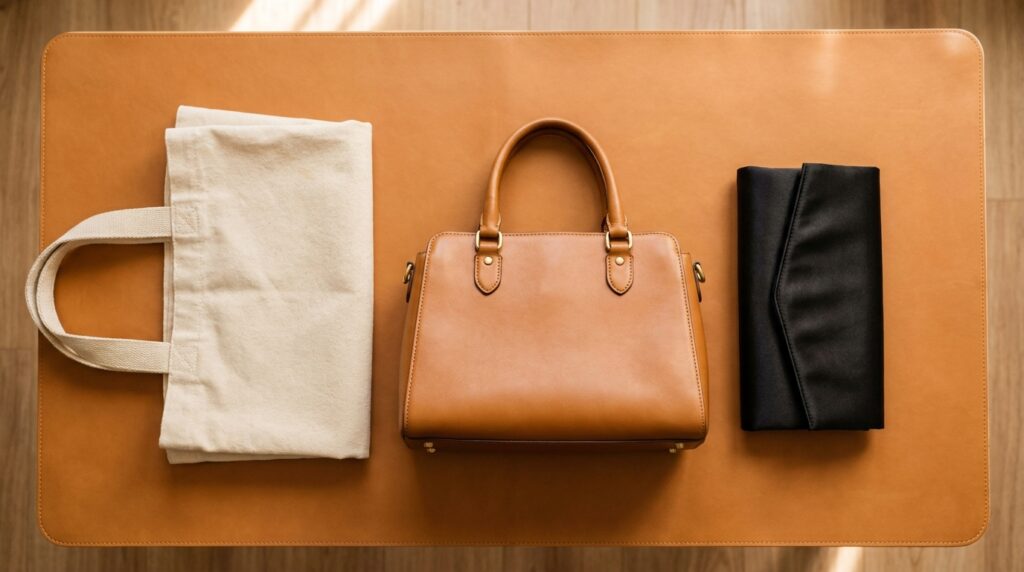
A large tote in a durable material serves the practical carrying needs that neither the structured bag nor the clutch can meet. A canvas, leather, or quality fabric tote in a neutral color functions as a work bag, a gym bag, a weekend bag, and a shopping bag simultaneously, making it one of the most practically useful bag essentials despite its simplicity.
Jewelry and Accessories
A simple gold or silver necklace in a delicate chain style is the jewelry essential that elevates the most outfits with the least effort. A fine chain necklace worn alone or layered with one or two similar pieces adds a finished, intentional quality to even the most basic outfit without drawing attention away from the face or the rest of the look.
A pair of simple stud or small hoop earrings in gold or silver is the jewelry equivalent of the fine chain necklace, adding a quiet polish that reads as effortlessly put-together. Small hoops and simple studs work in every context from professional to casual and are the jewelry you reach for on the days when you want to look finished without thinking too hard about it.
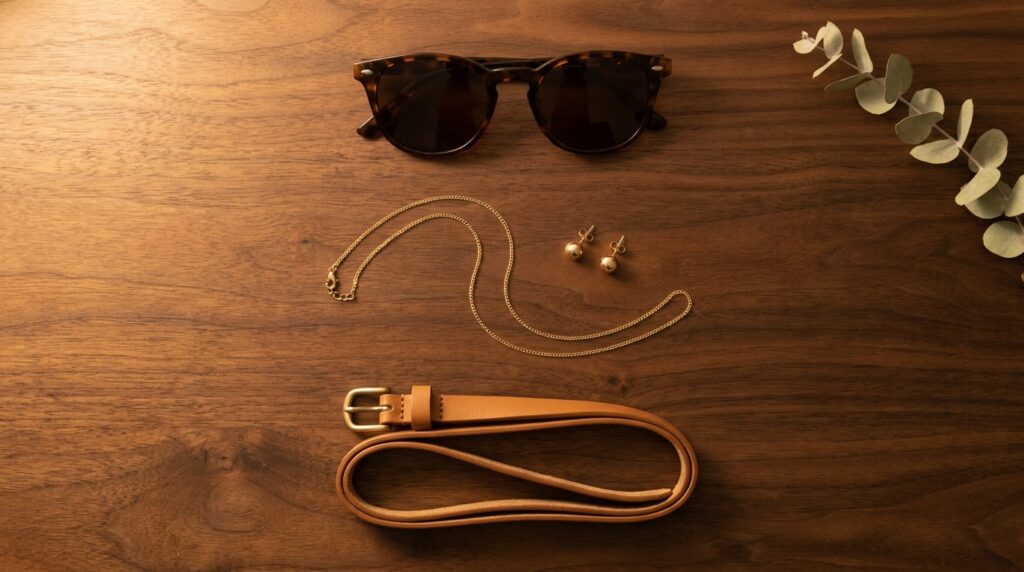
A quality leather belt in a neutral color serves both a functional and a stylistic purpose. Worn through trouser loops it keeps everything in place. Worn over a blazer or a long shirt it creates waist definition that adds shape to an otherwise straight silhouette. A slim to medium width belt in black or tan works across the most outfit combinations.
A classic pair of sunglasses in a timeless frame shape, an oversized square, a classic aviator, or a simple round frame, is the accessory essential that pulls a casual outfit together instantly and adds a touch of polish to any daytime look.
Knitwear and Layering
A fine knit sweater in a neutral color is the layering essential that gets worn most frequently across the cooler months. A fine knit in camel, grey, cream, or navy in a classic crew or V-neck silhouette sits under blazers, over shirt collars, and on its own with jeans or trousers. Its lightness means it adds warmth without bulk, which gives it significantly more versatility than a heavier knit.

An oversized knit in a cozy texture is the comfortable, relaxed counterpart to the fine knit. Worn with straight jeans, leather trousers, or a midi skirt, an oversized knit in a neutral or muted tone is one of those pieces that looks effortlessly stylish with very little effort. The oversized proportions mean that fit is less critical than with more tailored pieces, making it one of the easiest essentials to shop for.
A classic turtleneck in black or cream is the layering essential for colder months that works as a base layer under a blazer or coat, as a standalone piece with tailored trousers or a midi skirt, and as a background to statement jewelry or outerwear. A fine-knit turtleneck in a simple silhouette does all of these jobs well.
How to Build Your Essentials Gradually
The most common mistake when building a wardrobe of essentials is trying to buy everything at once, which leads to compromised choices made quickly rather than considered investments in pieces that will actually last and get worn. Building essentials gradually, prioritizing the categories that are most relevant to your actual lifestyle and filling gaps one at a time, produces a much better result over the course of several months than a single shopping trip. The patience required to build slowly is genuinely worth it.
Start with the pieces you reach for most frequently and currently have in versions that don’t quite work, fit poorly, or are wearing out. If you wear jeans every day, a well-fitting pair of dark jeans is the most important first investment. If you wear dresses predominantly, the little black dress and a wrap dress move to the top of the list. Auditing your actual wearing habits rather than your aspirational ones produces a much more useful shopping priority list.
Quality matters more in essentials than in any other category because they’re worn so frequently and for so long. A well-made white shirt in a quality cotton will look significantly better after two years of regular wear than a poorly made version of the same shirt. Spending more on the pieces that form the foundation of your wardrobe and less on trend-driven pieces that have a shorter lifespan is the most financially and stylistically sensible approach to building a wardrobe that genuinely works. Think of it as an investment that pays dividends every single time you get dressed.
Frequently Asked Questions
How many essentials do I actually need?
There’s no fixed number, and the right amount varies significantly depending on your lifestyle and how often you do laundry. The goal is having enough of each essential to cover your regular needs without excess. One or two pairs of well-fitting trousers, one or two fine-knit sweaters, and a single well-chosen blazer cover most situations for most people without unnecessary redundancy.
Should all my essentials be in neutral colors?
Mostly, yes. Neutrals are what make essentials truly versatile since they work with each other and with more colorful or patterned pieces equally well. That said, if your wardrobe leans heavily toward one color family, an essential in a color within that family can work just as well as a strict neutral. The principle is that essentials should work across as many outfit combinations as possible, which neutrals achieve most reliably.
How do I know if a piece qualifies as an essential for my wardrobe?
A genuine essential is a piece you would reach for at least once a week, that works with multiple other pieces you already own, and that doesn’t go out of style season to season. If a piece only works with one or two other things in your wardrobe or feels very specific to a current trend, it’s probably not an essential.
Is it worth spending more on essentials than on other pieces?
Yes, significantly so. Essentials are worn so frequently that the cost per wear of a quality piece is typically lower than a cheaper version that wears out or looks less good within a season or two. Investing in quality for the foundation pieces and spending less on trend-driven accent pieces is the most financially efficient approach to building a functional wardrobe.
What if my lifestyle doesn’t require formal essentials like blazers or heels?
Essentials should reflect your actual lifestyle rather than an idealized version of it. If you work from home, never attend formal events, and spend most of your time in casual settings, your essentials will look different from someone with a professional office job. The principle remains the same, building a foundation of versatile, well-fitting pieces that work together, but the specific pieces that qualify as essentials vary based on how you actually live.
How often should I update my essentials?
True essentials don’t need to be replaced on any regular schedule. They should be replaced when they wear out, no longer fit well, or when a significantly better version becomes available. Updating essentials because of seasonal trends defeats the purpose of building a timeless foundation. The goal is pieces that serve you for years rather than seasons.