Haircuts That Work for Curly Hair
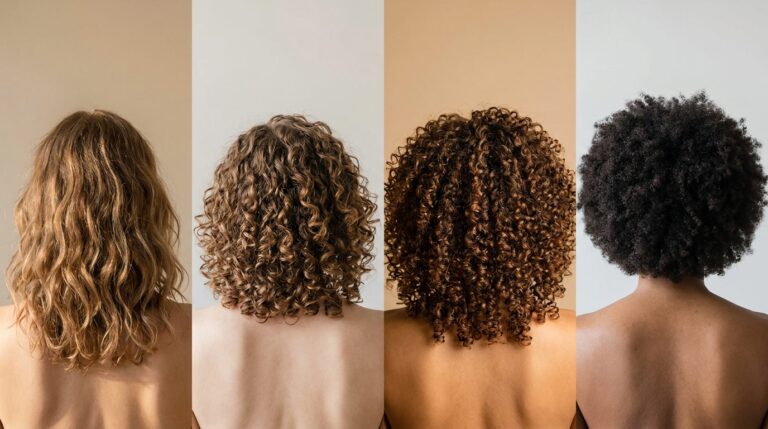
Curly hair and a bad haircut is one of the most frustrating combinations in hairstyling, and the reason it happens so often is that most stylists are trained primarily in straight hair cutting techniques. A cut that works beautifully on straight hair can produce an unexpected and unflattering result on curly hair because the curl pattern changes everything about how the hair falls, where the weight sits, and how the layers interact with each other.
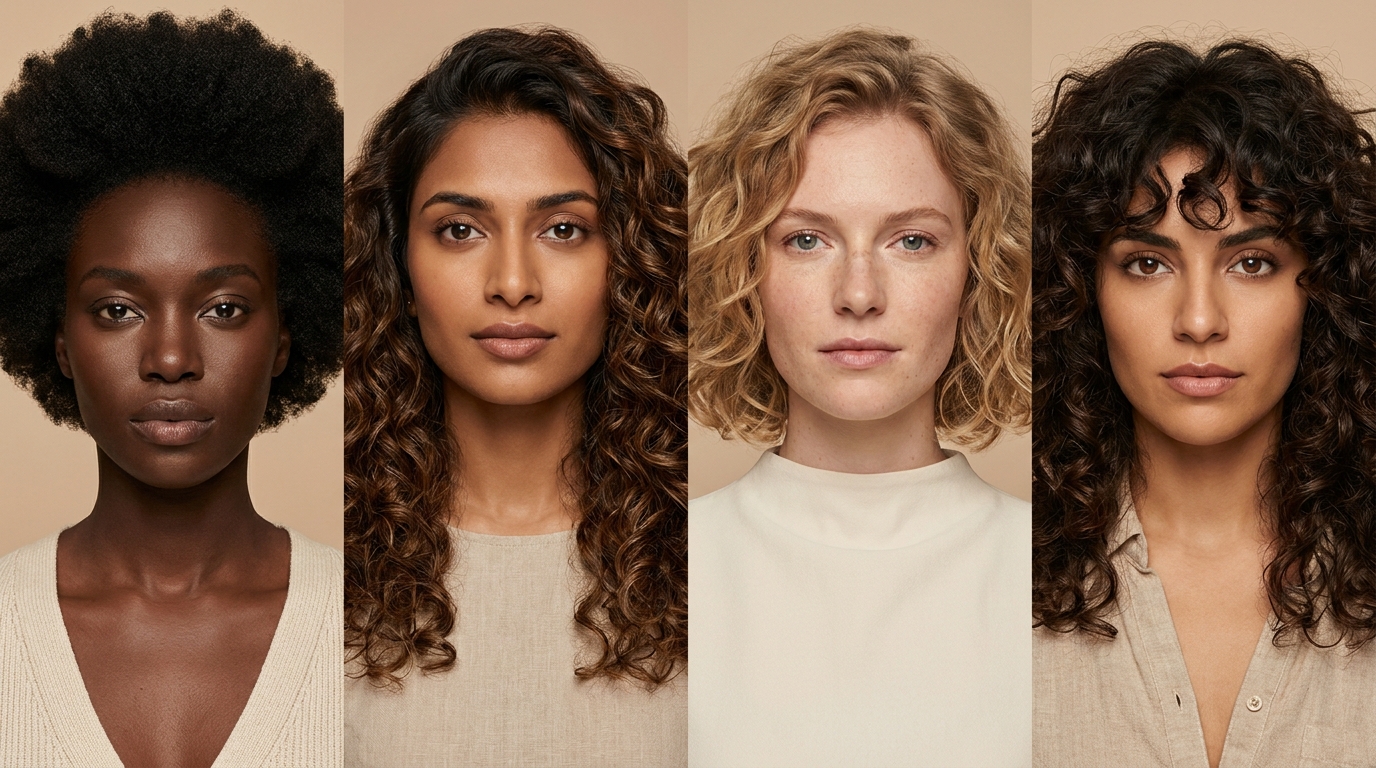
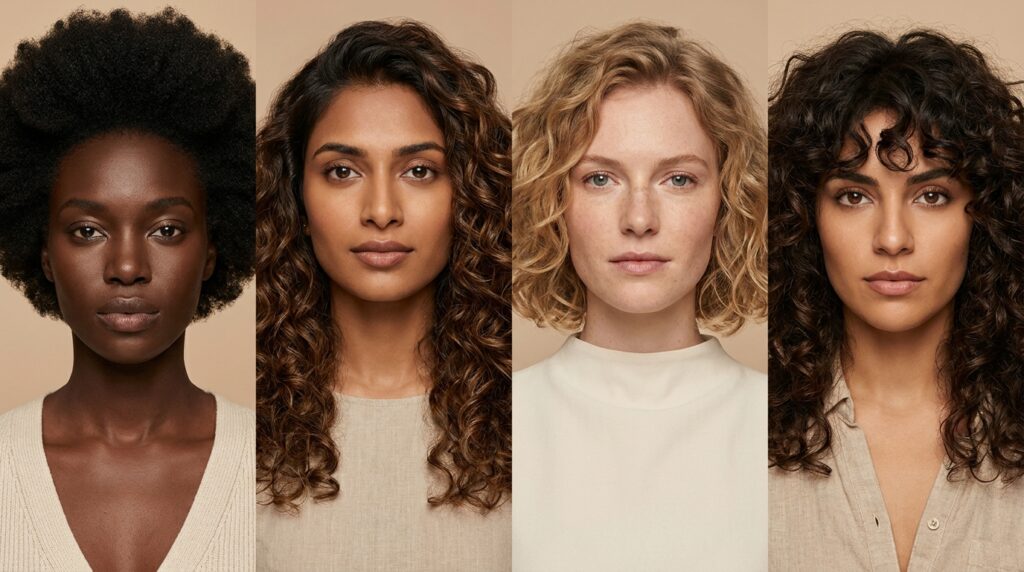
The good news is that curly hair and a great haircut is one of the most striking and beautiful combinations available. The right cut celebrates the natural shape and energy of the curl pattern rather than fighting it. This guide covers the best haircuts for curly hair across every curl type and length, what makes each one work, and how to communicate what you want to your stylist.
Why Curly Hair Needs a Specialist Approach
Curly hair behaves completely differently from straight hair when cut, and understanding this is the most important foundation for any curly haircut decision. When curly hair is cut wet it appears significantly longer than it will when dry because the curl pattern causes the hair to spring up and shorten as it dries. This shrinkage is the most common cause of curly hair being cut shorter than intended. A stylist who cuts curly hair dry can see exactly how each curl sits and behaves at its natural length before removing any. Requesting a dry cut from a curly hair specialist is the single most impactful change most people with curly hair can make to their haircut experience.
The Curly Shag

The curly shag is one of the most widely recommended and most flattering haircuts for curly hair because the layering technique of the shag works with the natural curl pattern rather than against it. The heavy internal layering removes weight from the mid-lengths, which allows the curls to spring to their full height and width rather than being pulled downward. The face-framing pieces at the front showcase the curl pattern directly around the face. The textured ends of the shag integrate naturally with the undone quality of curly hair. The curly shag suits 2C to 3B curl patterns most naturally and works at medium to long lengths. It creates a full, romantic silhouette that is one of the most Pinterest-searched curly hairstyles.
The Curly Bob
A curly bob is one of the most dramatic and striking haircuts for curly hair because the shorter length allows the curls to spring to their maximum volume without any weight pulling them downward. At bob length curly hair often has a rounder, fuller silhouette than at any other length because each curl expands to its full width without the gravitational pull of extra length. The curl pattern is most visible and most defined at this length. A curly bob suits 2B to 3C curl patterns and suits oval, heart, and square face shapes particularly well. The stylist should cut the bob dry and slightly longer than the desired finished length to account for the additional shrinkage that occurs when the curls are fully dry and defined.
The Deva Cut
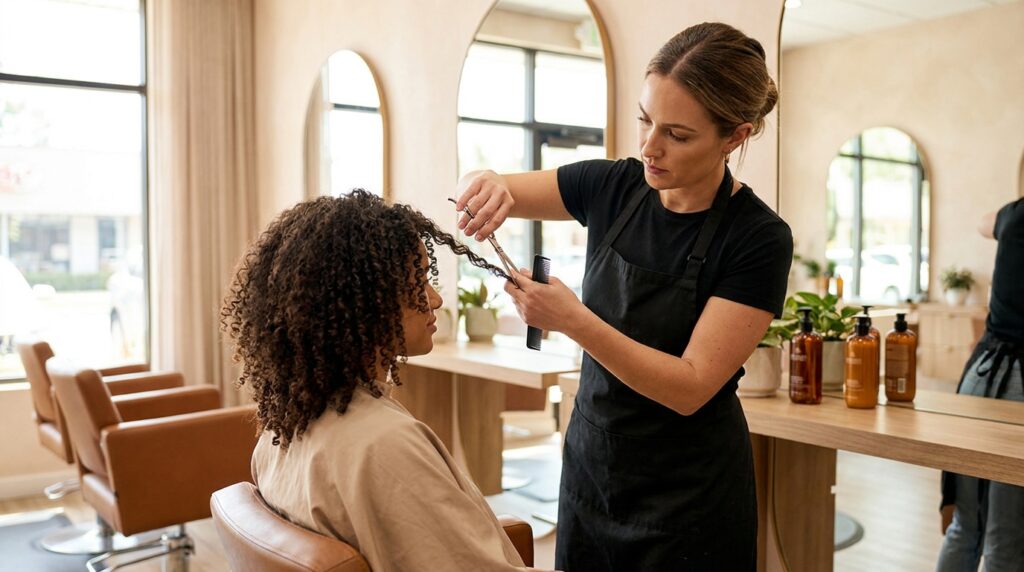
The Deva cut is a curly-specific cutting technique developed by the DevaCurl brand where every curl is cut individually while dry, following the natural direction of each curl rather than cutting across sections of hair simultaneously. This technique ensures that each curl is cut at the point that creates the most flattering shape and that no curl is cut too short by misjudging the shrinkage. The result is a haircut that works with the unique distribution and pattern of each individual’s curls rather than applying a generic layering structure. The Deva cut suits every curl type from loose 2A waves to tight 4A coils and is available from stylists who have been specifically trained in the technique. It is worth seeking out a Deva-certified stylist for the first appointment to understand what your curls naturally want to do.
The Curly Pixie
A curly pixie cut is one of the boldest and most striking short haircut choices for curly hair because the natural volume and definition of curly hair gives the pixie a fullness and presence that straight hair at the same length cannot achieve. At pixie length curly hair creates a rounded, voluminous crown that frames the face dramatically. The tighter the curl pattern the more full and dramatic the curly pixie appears. A curly pixie suits women with strong, defined facial features and confident bone structure that can carry the focus that a short curly cut places on the face. It suits 3A to 4B curl patterns and every face shape when the cut is adjusted to the specific proportions of the face.
Layers for Curly Hair
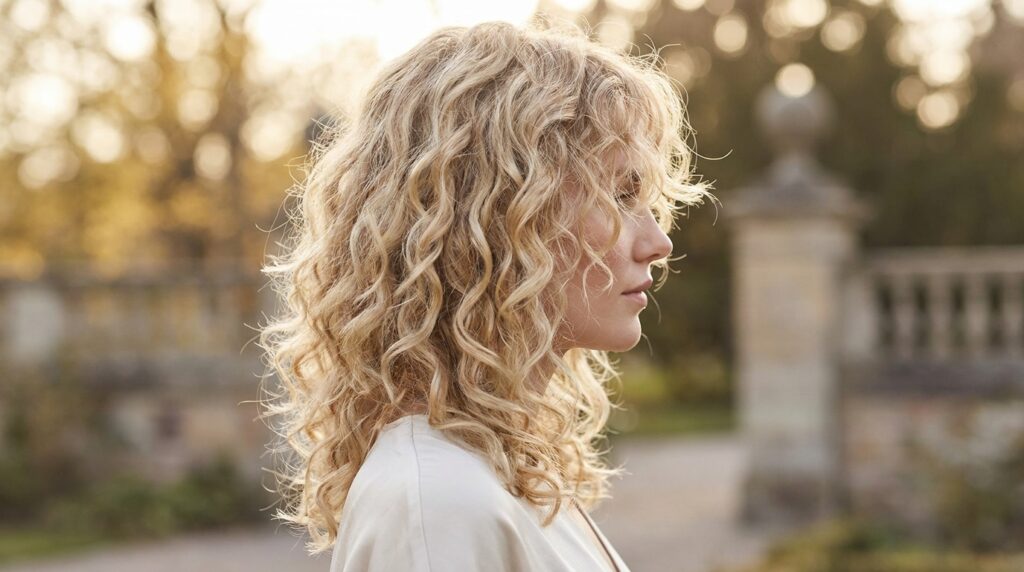
Layers on curly hair must be approached differently from layers on straight hair because the wrong layering technique creates bulk, frizz, and a triangular silhouette rather than the movement and definition that layers are intended to create. On curly hair the most effective layering removes weight from the interior of the hair rather than cutting visible layers from the surface. This internal weight removal allows the curls to move freely and spring to their natural shape without the heaviness that unaddressed bulk creates. Face-framing layers that are longer at the front and shorter toward the back create a rounded, defined shape that suits most curl patterns. Asking specifically for internal weight removal rather than surface layers communicates the intent more accurately to a stylist.
The Curly Lob
A curly lob at collarbone length is one of the most versatile and widely flattering haircuts for curly hair because it sits at the length where most curl patterns can achieve their best combination of volume and definition. At lob length the curls are short enough to avoid the flattening effect of very long curly hair but long enough to show the full expression of the curl pattern. A curly lob with some internal layering and face-framing pieces is a complete and flattering cut for 2B to 3C curl patterns. On tighter curl patterns the lob may sit higher than the collarbone when fully dry due to shrinkage, which the stylist should account for by cutting slightly longer than the desired finished length.
The Curly Shag for Wavy Hair

For wavy hair in the 2A to 2C range the shag cut is particularly effective because the layering encourages the natural wave pattern to emerge more fully rather than being suppressed by the weight of uncut length. Wavy hair often behaves differently from tighter curly hair in that the wave pattern is more easily suppressed by weight and more easily enhanced by layering. A shag cut on wavy hair removes the internal weight that flattens the wave and adds the face-framing detail that showcases the wave pattern at the front. Styling with a curl cream or mousse applied to damp wavy hair and diffused on low heat produces the fullest result from a wavy shag cut.
The Curly Wolf Cut
The wolf cut on curly hair creates one of the most full and dramatic silhouettes available for this hair type because the significant crown volume and heavy face-framing layers of the wolf cut amplify the natural volume of curly hair. On curly hair the wolf cut should be done dry by a curly hair specialist who understands how the shrinkage of the curl pattern affects where the layers will actually sit when the curls are fully formed. The crown layers on a curly wolf cut create a halo of defined curls around the top of the head. The face-framing pieces create definition around the forehead. The wolf cut suits 3A to 4A curl patterns most naturally and works at medium to long lengths.
The Round Cut for Tight Coils
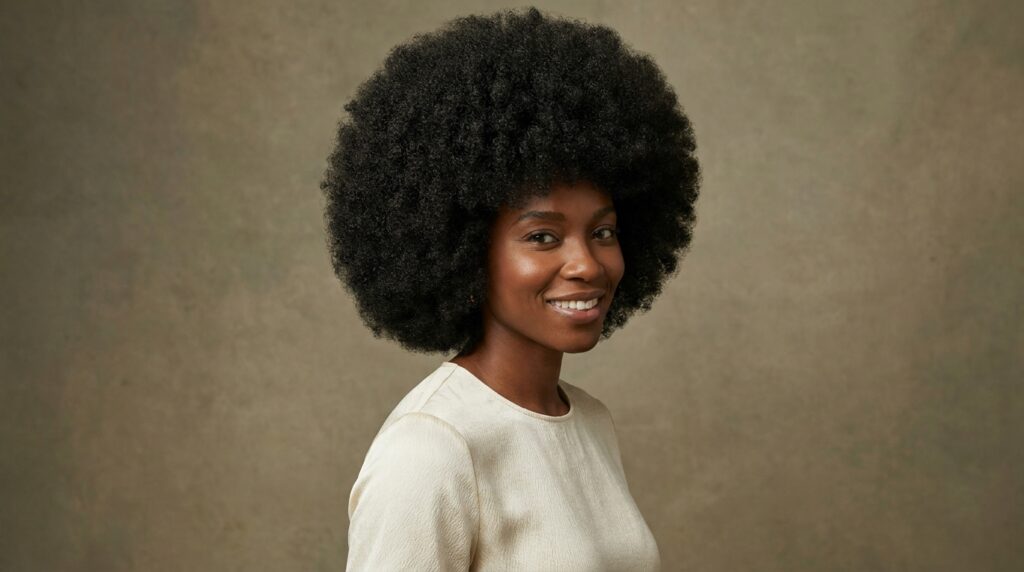
For tight coily hair in the 4A to 4C range a round cut or shape cut creates one of the most striking and deliberately styled silhouettes because the natural volume of coily hair is shaped into a intentional rounded or tapered form. A round cut on a full afro creates a symmetrical, dramatic silhouette that showcases the natural texture of coily hair at its most powerful. A tapered cut that is shorter at the sides and longer at the crown creates a defined shape that suits a wide range of face shapes. Both approaches treat the natural volume and texture of coily hair as an asset rather than a problem and create a finished style that celebrates rather than suppresses the natural character of the hair.
The Curly Cut With Bangs
Bangs on curly hair require specific consideration because the curl pattern significantly affects how bangs fall and how much they spring up when dry. A blunt fringe on curly hair will spring up significantly from its wet-cut length as the curls dry, often sitting much shorter than intended. A curly fringe cut while dry and cut longer to account for the spring-back produces the most predictable and flattering result. Curtain bangs on curly hair are more forgiving than a blunt fringe because the center part and the side-swept direction allows the natural curl to move without creating a too-short effect. Side-swept bangs on curly hair blend naturally into the face-framing layers and require the least maintenance of any fringe option for curly hair.
What to Tell Your Stylist

Communicating clearly with a stylist about a curly haircut is as important as the technique itself, and the right language prevents the most common curly haircut mistakes. Ask specifically for the hair to be cut dry rather than wet. Ask for internal weight removal rather than surface layers. Describe the desired finished shape — round, tapered, long layers, short layers — rather than a specific length, because the curl pattern will affect the final length significantly. Bring reference photos of curly haircuts on women with a similar curl pattern to your own rather than reference photos of straight hair or a significantly different curl type. State explicitly whether you want the volume distributed evenly or concentrated at the crown or the ends.
How Often to Cut Curly Hair
Curly hair can go longer between trims than straight hair without losing its overall shape because the curl pattern disguises growth and split ends more effectively than a straight cut does. Most curly haircuts maintain their shape for three to four months before the layers merge and the volume distribution changes noticeably. Split ends on curly hair are less immediately visible than on straight hair but they do cause the curl pattern to look frizzy and undefined over time. A light dusting of the ends every three to four months — removing only the split and damaged ends without taking any length — is the most curl-preserving maintenance approach for women who want to grow their curly hair while keeping it healthy.
The Curly Mullet

The curly mullet has had a significant revival and on curly hair it creates one of the most distinctive and fashion-forward haircut silhouettes available because the longer back and shorter front combination suits the natural volume distribution of curly hair beautifully. The shorter crown and sides allow the curls to spring to full height and volume while the longer back creates a dramatic contrast. On tight or medium curl patterns the curly mullet has a bold, expressive quality that reads as genuinely current and deliberate. It suits oval, heart, and oblong face shapes and works best on women with curl patterns in the 3A to 4A range where the curl definition is strong enough to create a clear shape in the shorter front sections.
The Uniform Length Curly Cut
A uniform length cut on curly hair, where all the hair is cut to approximately the same length all over, creates one of the most natural and shape-flattering cuts for tighter curl patterns because the uniform length allows the natural shape of the curl pattern to determine the overall silhouette. On 4A to 4C coily hair a uniform length cut produces a rounded, symmetrical afro shape where the natural volume of the coils creates the overall silhouette without any additional shaping from layers. This is one of the most empowering approaches to coily hair because it works entirely with the natural character of the texture rather than imposing any external structure. The shape is maintained through consistent trimming rather than layering.
The Curly Asymmetrical Cut
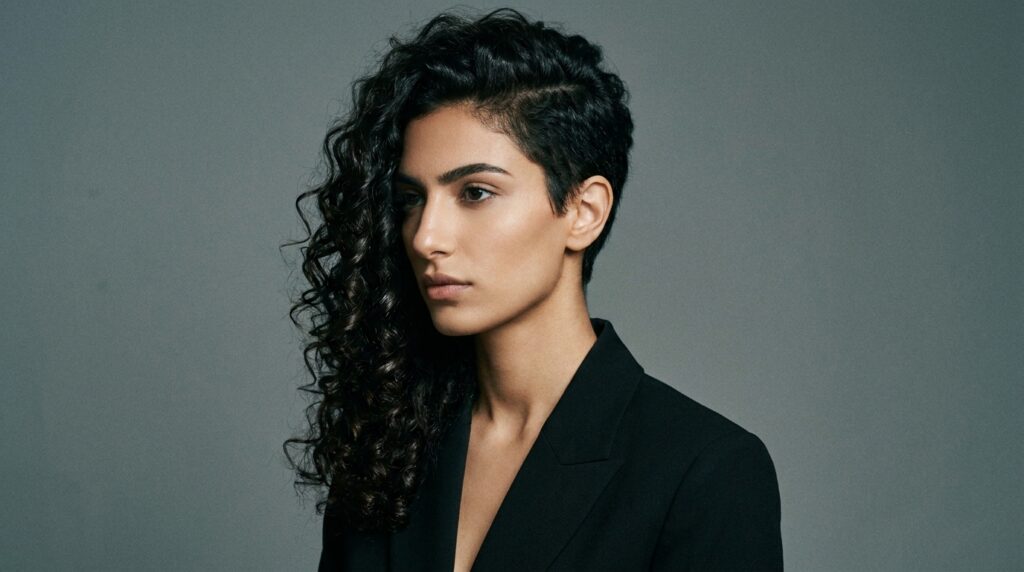
An asymmetrical cut on curly hair, where one side is cut noticeably shorter than the other, creates one of the most dramatic and fashion-forward silhouettes for this hair type because the natural volume of curly hair amplifies the asymmetry into something genuinely striking. The longer side falls with fuller, more defined curls while the shorter side creates a closer, more graphic look against the face. On tighter curl patterns the asymmetry is particularly dramatic because the difference in volume between the two sides is pronounced. The asymmetrical curly cut suits oval and heart face shapes and suits women who want a curly hairstyle with genuine personality and a distinctly non-conventional aesthetic.
Products That Enhance Any Curly Haircut
The right styling products work with a good curly haircut to produce the best possible result, and the product routine matters as much as the cut itself for curly hair. A curl cream or defining cream applied to soaking wet hair creates the definition that showcases the shape of the haircut most clearly. A diffuser attachment on a blow-dryer used on low heat and low airspeed dries curly hair without disrupting the curl clumping that defines the shape. Gel applied over the curl cream on wet hair creates the most defined and longest-lasting result, with the gel cast scrunched out after drying to reveal soft, bouncy curls. Avoiding heavy oils and butters on the scalp prevents the weighting-down that makes curly hair lose the volume that the right haircut creates.
Frequently Asked Questions
What is the best haircut for curly hair?
The curly shag and the Deva cut are consistently the most recommended haircuts for curly hair. Both work with the natural curl pattern rather than against it. The best cut for your specific curls depends on the curl type, density, and desired shape.
Should curly hair be cut wet or dry?
Dry. Cutting curly hair wet misjudges the final length because the curl pattern causes significant shrinkage as the hair dries. A dry cut lets the stylist see exactly how each curl sits and behaves before removing any length.
What is a Deva cut?
A Deva cut is a curly-specific cutting technique where each curl is cut individually while dry. It was developed by DevaCurl and is performed by stylists specifically trained in the technique. It produces the most customized result for each individual curl pattern.
How do I find a good stylist for curly hair?
Search specifically for stylists who advertise curly hair expertise, Deva-cut certification, or experience with your specific curl type. Reading reviews from other curly-haired clients is more informative than a general stylist rating.
Can curly hair have layers?
Yes, but the technique matters. Curly hair benefits from internal weight removal rather than surface layers. Ask your stylist for internal thinning that removes bulk without creating choppy surface layers that cause frizz and disconnection.
How short can curly hair be cut?
There is no lower limit. A very close-cropped curly cut on tight coils creates a striking TWA style. A curly pixie on looser curls creates a full, voluminous short style. The key is accounting for shrinkage so the finished length is what was intended.