Hairstyles for Women in Their 20s for a Beautiful New Look
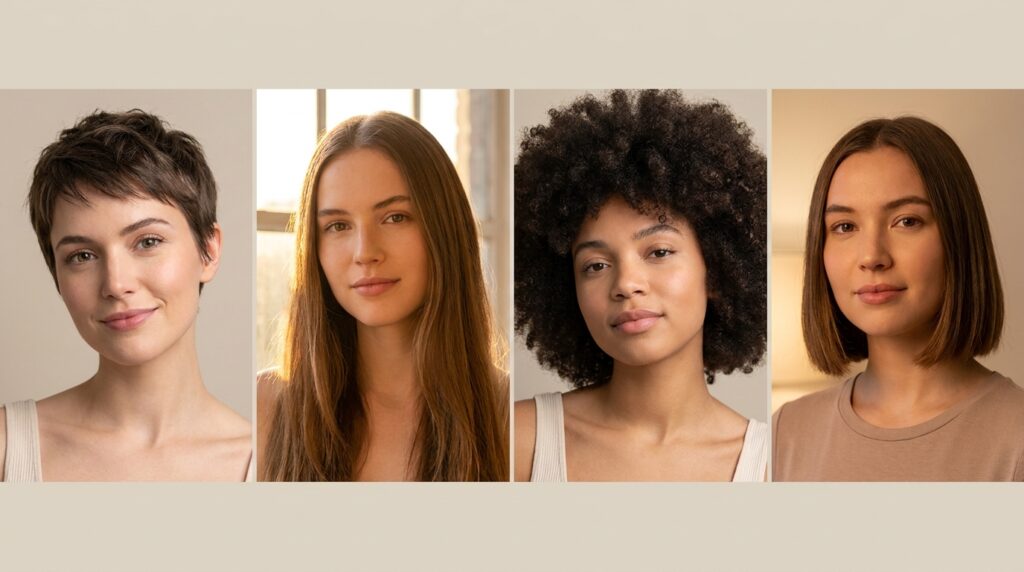
Your twenties are one of the best decades for hair experimentation. Your hair is typically at its densest, strongest, and most resilient, which means you have more styling freedom than at almost any other point in your life. It’s also a decade of significant change, and your hair has a way of reflecting all of that. New city, new job, new version of yourself? A new hairstyle often comes with the territory.
The challenge is knowing which styles actually suit you rather than just following what everyone else is doing. Your twenties are also when most people start developing a real sense of their own personal style, including their hair identity, and having a guide to the styles that genuinely work well at this stage of life makes that process a little more intentional. This guide covers the cuts, styles, and habits that work particularly well in your twenties, from low-maintenance everyday looks to the bolder changes worth making while your hair is at its most resilient
The Lived-In Lob
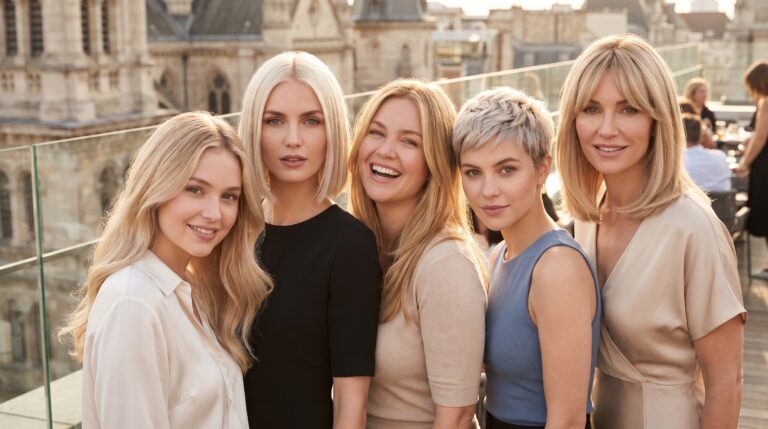
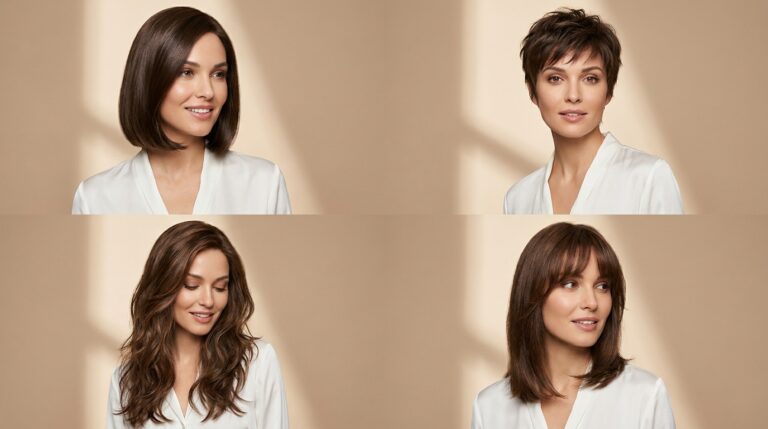
The lob is one of the most consistently flattering haircuts for women in their twenties, and its staying power in popular culture is entirely earned. Falling somewhere between the chin and the collarbone, the lob is long enough to style multiple ways but short enough to have natural movement without much effort. It suits most face shapes, works with most hair textures, and looks intentional even on days when you haven’t done anything to it beyond washing and air-drying.
The lob also transitions seamlessly between different contexts, worn loose for a casual day, pulled back into a low bun for work, or styled into waves for an evening out. Few haircuts work as well across such a wide range of situations, which makes it one of the most practical choices for a decade that tends to involve a lot of context-switching. A lob with soft internal layers adds movement and texture without thinning the ends, making it even more versatile across different hair types and textures.
Curtain Bangs
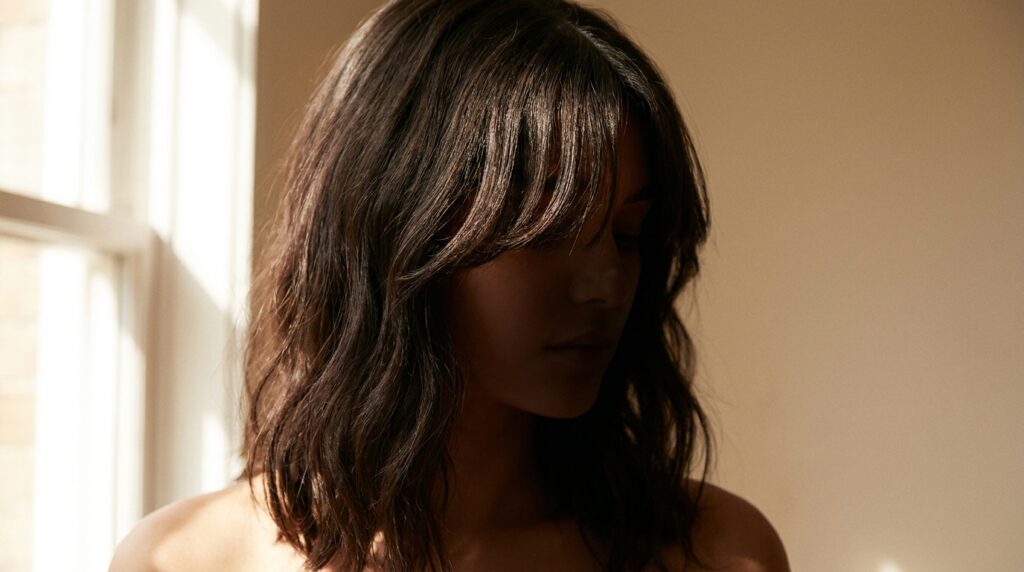
Curtain bangs are one of the most flattering and low-maintenance fringe options available, and they suit women in their twenties particularly well because they grow out gracefully rather than requiring constant trimming. Parted in the center and swept to either side of the face, they frame the face softly without the commitment of a full blunt fringe.
They work with almost every hair length from a bob through to long hair, and they add interest and dimension to hair that might feel uninspired between salon visits. On air-dry days they fall naturally into a relaxed version of themselves that still looks intentional, which is exactly what you want from a style feature at a busy stage of life. Styling them takes minimal effort, just a small amount of texturizing product and a quick blast with a round brush, and the result is a face-framing effect that makes even a simple hairstyle look considerably more considered.
Beach Waves
Beach waves are one of the most universally appealing styles for women in their twenties and suit the decade well because they have a relaxed, effortless quality that reads as naturally youthful. The good news is that once you learn the basic technique with a curling wand or flat iron, beach waves take less than fifteen minutes to create and hold well throughout the day.
The key is working with slightly dirty or texturized hair rather than freshly washed hair, which gives the waves more grip and longevity. A light spritz of salt spray or texturizing spray after styling adds the kind of lived-in finish that makes beach waves look genuinely effortless rather than overly styled. Wrapping sections of hair around the barrel rather than clamping them produces a softer, more natural wave that looks more like you’ve been at the beach and less like you’ve just left the salon.
The Bold Bob
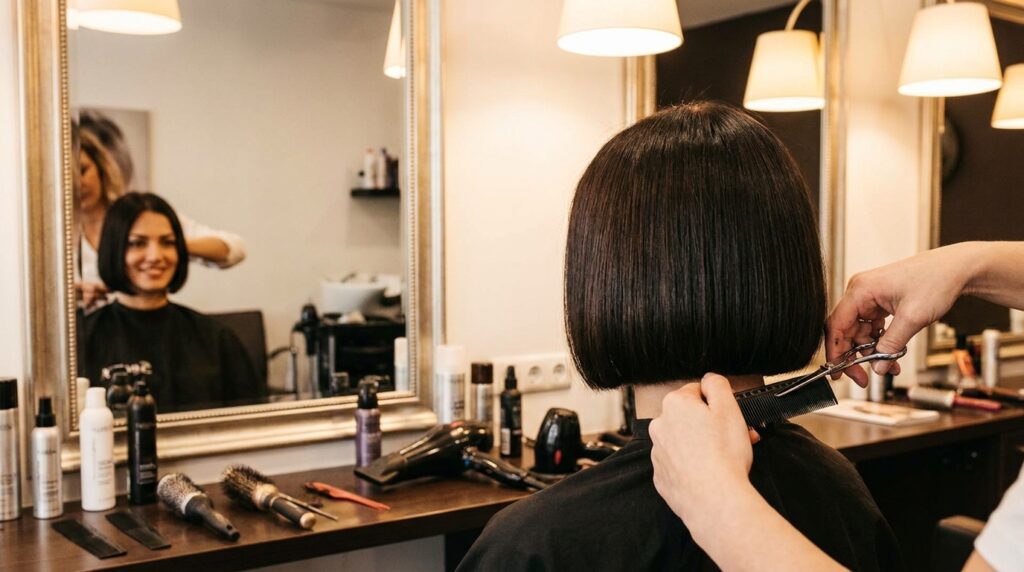
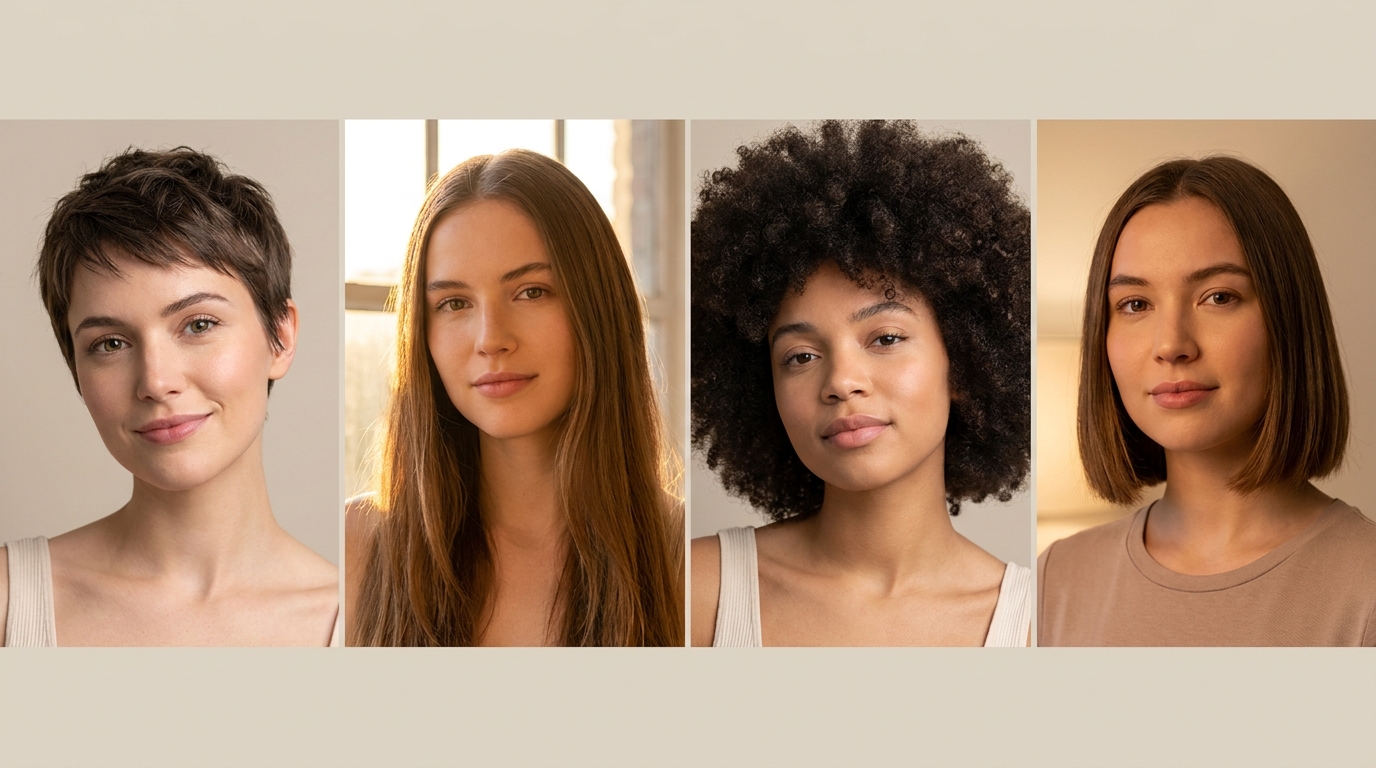
A bold bob in your twenties looks particularly striking because the density and thickness that hair typically has at this age gives it a natural fullness that makes the cut look polished without requiring much effort. A blunt bob in your twenties can feel genuinely transformative, especially for women who have worn their hair long for most of their lives and are ready for something different.
The blunt line of a classic bob looks sharp, confident, and intentional in a way that suits the energy of navigating your twenties. It also photographs beautifully, which is worth noting in a decade where photos are fairly constant. If you have been thinking about going shorter, your twenties are a very good time to do it. The bob at jaw to shoulder length is also one of the most versatile haircuts for this decade since it works as easily with a simple t-shirt as with a more formal outfit, requiring very little additional styling to look complete.
The Textured Shag
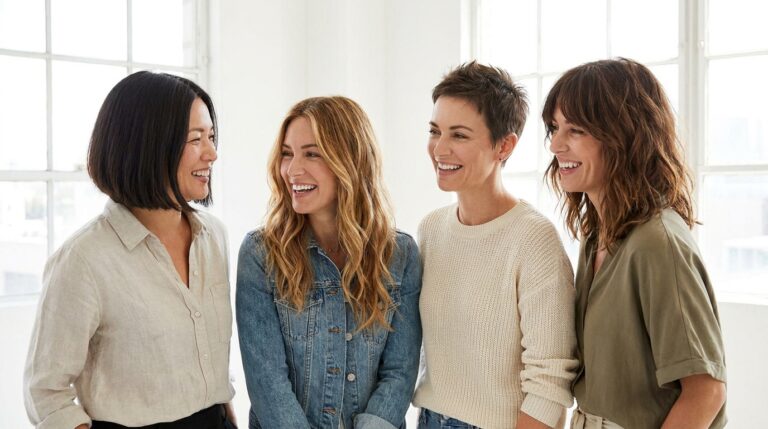
The shag haircut has become one of the most requested styles for women in their twenties and deserves its popularity. Its defining characteristics, choppy layers, face-framing pieces, and often a wispy fringe, create a lived-in, effortlessly cool result that looks intentional even with minimal styling. The shag works particularly well for women whose hair has some natural wave or texture since the layers enhance what’s already there rather than fighting it.
A textured shag in your twenties also grows out well, meaning you get several months of good hair before needing to go back to the salon, which suits a decade when regular appointments aren’t always financially or logistically straightforward. The shag is one of those cuts that looks better with some natural texture and movement, so if you have hair that air-dries with natural wave or curl, a shag is one of the most flattering cuts you can choose.
Long Hair With Layers
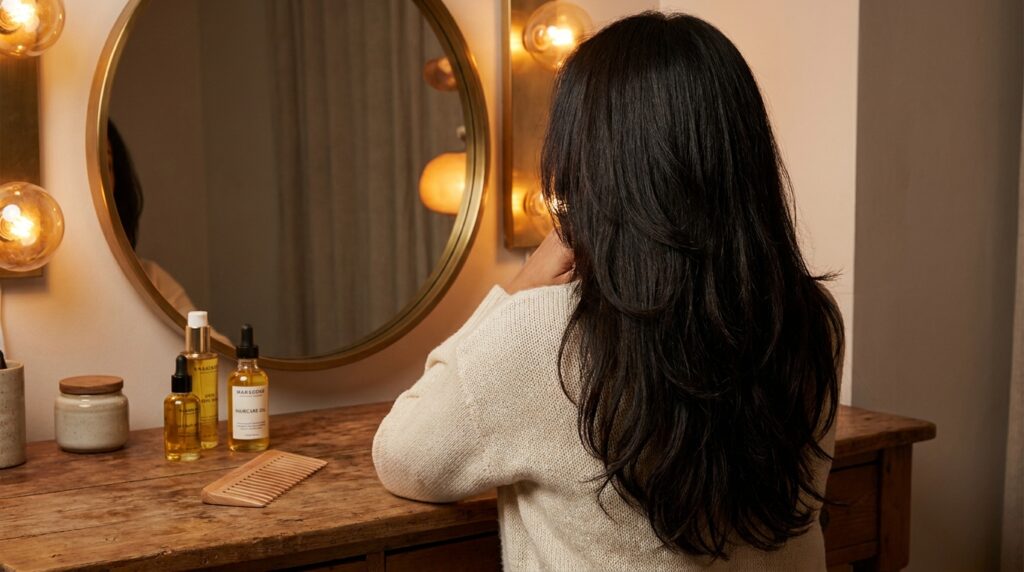
Long hair in your twenties is worth embracing rather than cutting simply because it feels like the more grown-up option. Well-maintained long hair with soft layers looks just as polished and professional as shorter styles, and offers a range of styling options that shorter lengths can’t replicate. The key word is maintained. Long hair with split ends and no layering looks heavy and unfinished. Long hair with regular small trims and some face-framing layering looks deliberate and healthy.
Getting your long hair cut every three to four months, even just a small trim, makes a significant difference to how it looks and feels day to day. Face-framing layers added to long hair create movement and dimension that makes it look styled even when it’s simply worn loose, which is one of the most practically useful things a haircut can do at a stage of life when elaborate daily styling isn’t always a realistic option.
Half-Up Styles
Half-up styles are one of the most practical and flattering options for women in their twenties who want the ease of having hair off their face without committing to a full updo. A half-up knot, a half-up braid, or a simple half-up twist all take under two minutes and transform loose long hair into something that reads as considerably more styled than it actually is.
Half-up styles also work with almost any hair texture and length beyond a bob, and they’re one of the most photographed styles on social media for good reason. They’re the kind of look that seems effortless while actually requiring very little time or skill to achieve. For women in their twenties who are often moving between multiple environments in a single day, a half-up style is one of the most useful tools in the styling repertoire since it bridges casual and polished with equal ease.
The Curly Lob
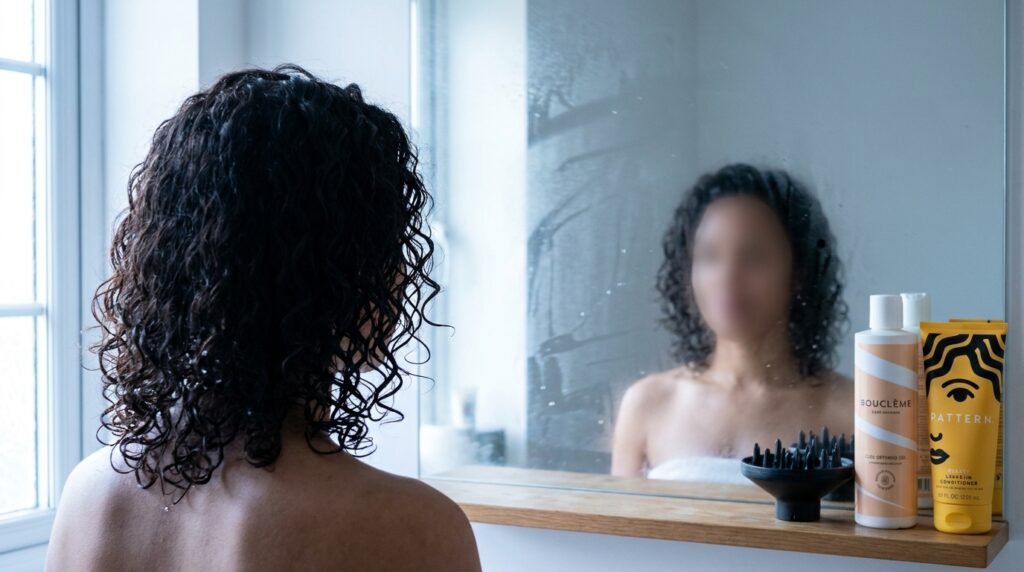
For women with naturally curly or wavy hair, the curly lob is one of the most flattering and manageable cuts of the twenties. It removes the weight that pulls curls out of their natural pattern at longer lengths without going so short that the curls lose their definition. A curly lob cut dry by a stylist who understands curl behavior tends to be one of the most life-changing haircuts curly-haired women in their twenties discover.
The result is a cut that works with the curl rather than against it, producing a shape that looks full, defined, and intentional whether the hair is styled or simply air-dried. If you have curly or wavy hair and have never had it cut dry by a curl specialist, your twenties are the time to try it. The difference between a curly lob cut by someone who understands curls and one cut with standard straight-hair technique is significant enough that it changes how many women feel about their natural hair entirely.
Going Short for the First Time
If you have been considering going significantly shorter and have always had long hair, your twenties are genuinely a good time to do it. Hair at this age is at its most resilient and grows back relatively quickly, which reduces the risk of regretting a dramatic cut. The density of hair in your twenties also means shorter styles tend to look fuller and more polished than the same cuts might on older hair.
Many women look back on a bold cut in their twenties as one of the best hair decisions they made, not because the cut itself was life-changing, but because the confidence that came with it was. If you have been thinking about it for more than a year, that’s usually a sign you should just do it. Start with a lob if you want to ease into shorter hair gradually, or go straight to a bob or pixie if you’re ready for the full change. Either way, your twenties are the right time to find out what suits you at shorter lengths.
Highlights and Balayage
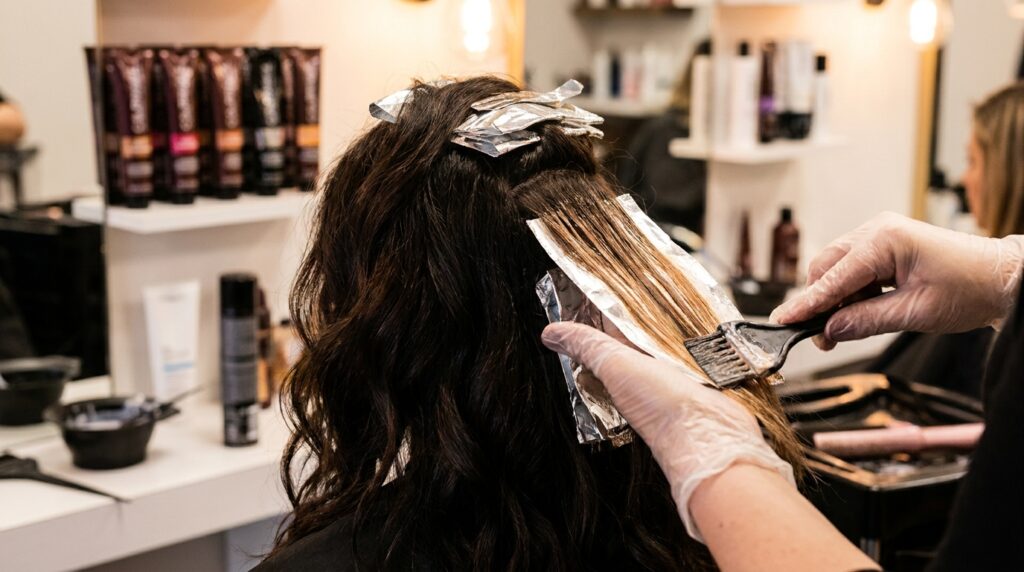
Highlights and balayage are two of the most popular color techniques for women in their twenties and both suit the decade well because they add dimension and brightness without the full commitment of an all-over color change. A well-placed balayage on natural hair creates a sun-kissed effect that looks like time spent outside rather than hours in a salon chair, which tends to feel more natural and low-maintenance than a stark single-process color.
Both techniques also grow out gracefully, meaning you’re not locked into frequent salon visits to maintain them, which suits the often unpredictable schedule and budget of your twenties. Highlights concentrated around the face add brightness and dimension without requiring color throughout the whole head, which keeps the cost and the maintenance lower while still producing a noticeable result. For women who are new to color, face-framing highlights or a subtle balayage are the most forgiving and easiest starting points.
Bold Color Experimentation
Bold colors, pastels, and vivid shades are all genuinely easier to pull off in your twenties for reasons that are partly about hair condition and partly about social context. Your hair at this age handles color processing better than it will later, and the social environments of your twenties tend to be more accepting of unconventional color choices than professional contexts you might find yourself in later.
If there is a color you have been wanting to try, whether that’s a full vivid shade, a few face-framing pieces in a bold color, or a subtle pastel, your twenties are the time to do it. Most bold color choices are more reversible than they seem, and even the ones that aren’t teach you something useful about what you do and don’t like about your hair. Going to a professional colorist for significant color changes, rather than attempting them at home, produces a significantly better result and significantly less damage.
Working With Your Natural Texture

One of the most valuable hair discoveries most women make in their twenties is learning to work with their natural texture rather than against it. If you spent your teenage years straightening naturally wavy hair or fighting frizz into submission, your twenties might be when you start experimenting with techniques and products that enhance what your hair does naturally rather than replacing it with something else entirely.
This discovery tends to save both time and hair health in the long run. Letting naturally wavy hair air dry with a curl-enhancing cream rather than blow-drying it straight every day produces a result that often looks more interesting and individual than a standard blowout, and causes significantly less cumulative damage over time. The curly girl method, which focuses on moisture, gentle handling, and curl-enhancing products, has introduced many women in their twenties to a version of their natural hair they didn’t know they had.
Protective Habits to Start Now
Building protective hair habits in your twenties creates a foundation that benefits your hair for decades. The most impactful and effortless of these is switching to a satin or silk pillowcase, which reduces the friction that sleeping on cotton causes against the hair cuticle throughout the night. People who make this switch consistently report noticeably less frizz and breakage within a few weeks.
Other habits worth establishing now include wearing hair in a loose braid or bun while sleeping rather than loose, applying heat protectant every single time you use a heat tool rather than sometimes, and getting into the habit of applying a small amount of hair oil to the ends as a last step in your routine. None of these require significant time or money, but their cumulative effect on hair health over a decade of consistency is substantial. The women who have the best hair in their thirties and forties are almost always the ones who started taking care of it seriously in their twenties, not by spending a lot of money on products, but by building small consistent habits that protect the hair they already have.
Frequently Asked Questions
Is hair really at its best in your twenties?
In terms of density and resilience, generally yes. Most people have their highest hair density in their early to mid-twenties, and the hair shaft tends to be stronger and more elastic than it will be in later decades. This doesn’t mean hair requires no care at this age, but it does mean it has more capacity to recover from damage and color processing.
Should I cut my hair short if I’ve always had it long?
If you’ve been thinking about it, your twenties are a genuinely good time to try it. Hair at this age grows back relatively quickly and the density means a shorter cut tends to look fuller and more polished. Starting with a lob rather than going immediately very short gives you a taste of shorter hair without the full commitment.
How often should I get a haircut in my twenties?
Every eight to twelve weeks is a reasonable guide for most styles. Shorter cuts and blunt bobs need trimming more frequently to maintain their shape. Longer styles can go slightly longer between trims, though going beyond four months without a trim risks split ends traveling up the shaft.
Is it okay to color my hair in my twenties?
Yes, and your hair generally handles color processing well at this age. The main considerations are choosing a colorist you trust for significant changes, maintaining the color with appropriate products, and being realistic about the ongoing commitment required to keep color looking its best.
What’s the best way to deal with hair that won’t hold a style?
Hair that won’t hold a style is usually too heavy, too fine, or too slippery from product buildup. The most common fixes are using a lightweight texturizing product before styling to give the hair grip, ensuring hair is completely dry before expecting any style to hold, and using a light-hold finishing product to set the style once it’s in place.
How do I figure out what haircut actually suits me?
Look at your face shape, your natural hair texture, and your lifestyle honestly rather than choosing what looks good on someone else. Bringing reference photos to your stylist and having an honest conversation about what’s realistic for your specific hair and face is always more productive than trying to describe what you want in words alone.