The Complete Guide to Taming and Managing Frizzy Hair
Frizz is one of those hair problems that feels deeply personal, like your hair is specifically conspiring against you on the days it matters most. You straighten it, it frizzes. You diffuse it, it frizzes. You step outside on a humid day and the effort of the last forty-five minutes disappears within minutes. It’s one of the most common hair complaints across almost every hair type, and also one of the most misunderstood in terms of what actually causes it and how to genuinely address it. And yet most people keep reaching for the same temporary fixes rather than getting to the root of the problem.
The frustrating truth is that most of the products and techniques marketed specifically for frizz control only address the symptom rather than the cause. Smoothing serums and anti-frizz sprays create a temporary surface coating that tames frizz for a few hours but does nothing to address the underlying hair condition that’s causing it in the first place. This is why so many people find themselves buying product after product, each one promising to fix the frizz permanently, and still dealing with the same problem weeks or months later. Understanding what frizz actually is, why your specific hair is prone to it, and what changes to your routine and habits will genuinely reduce it over time is what produces lasting results rather than daily management.
This guide covers everything that causes frizz, the specific changes that make the most significant difference, and how to build a routine that reduces frizz consistently rather than just masking it temporarily.
What Frizz Actually Is
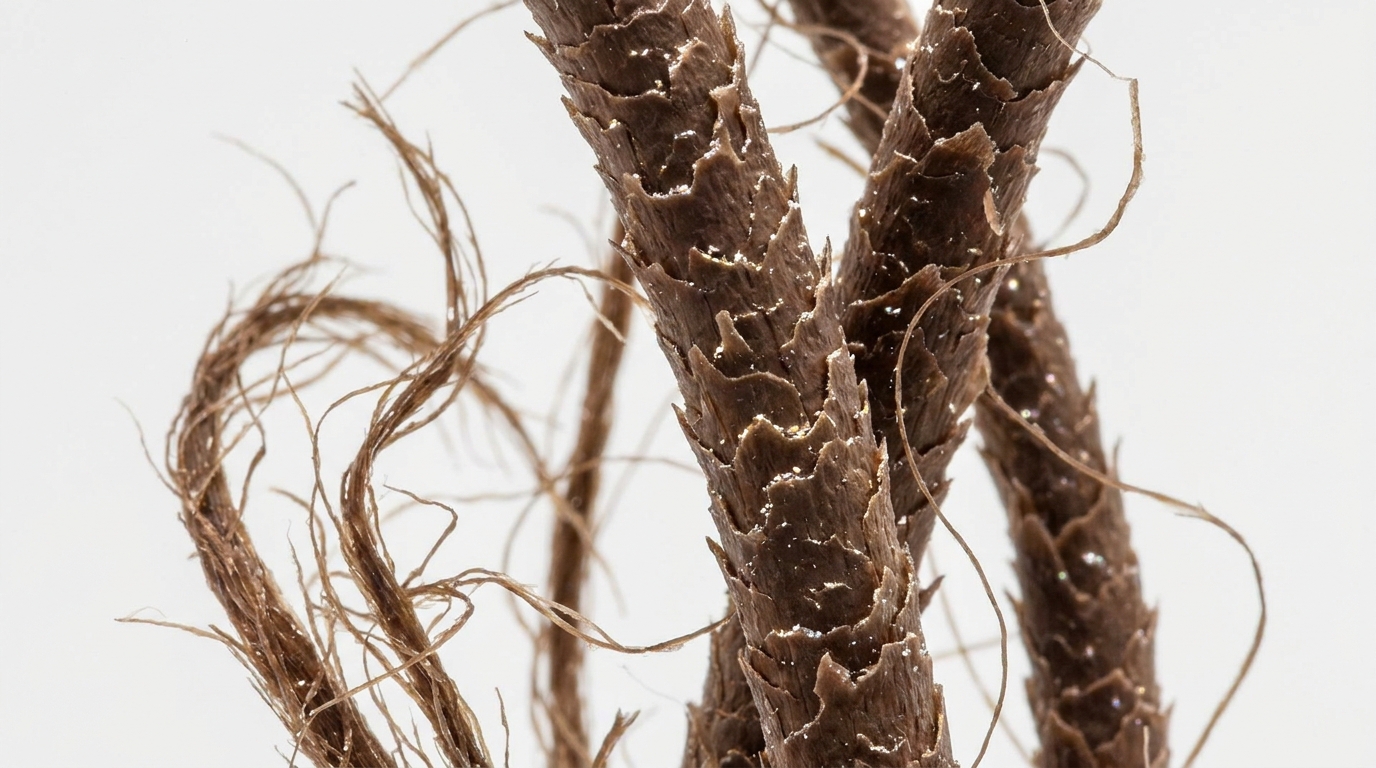
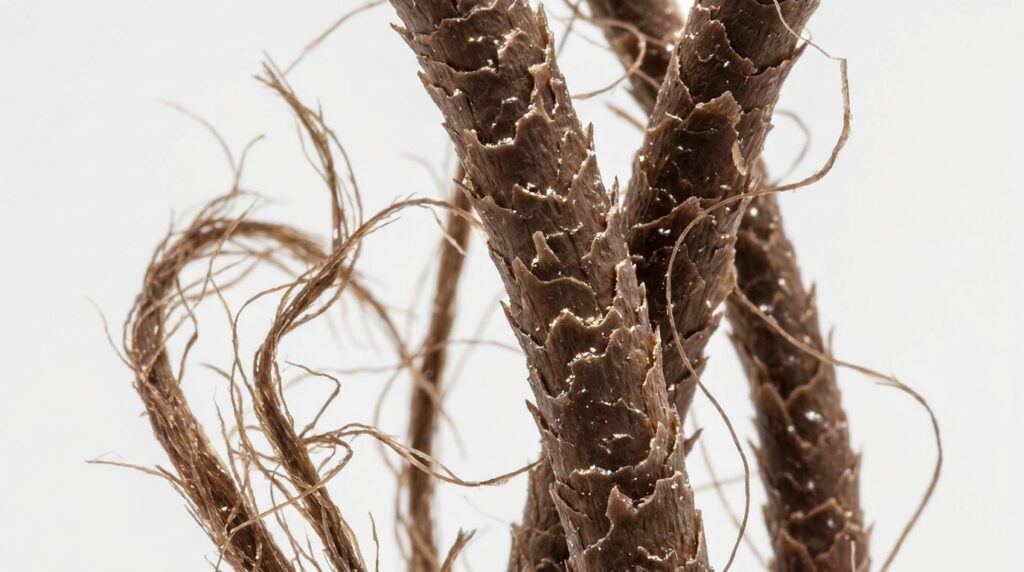
Frizz is not a hair type. It’s a symptom that occurs when the hair cuticle, the outer protective layer of each hair strand, is raised and rough rather than lying flat and smooth. A flat, closed cuticle reflects light evenly, gives hair its shine, and allows strands to lie smoothly against each other. A raised, open cuticle scatters light, makes hair look dull, and allows individual strands to separate and stand away from each other in the characteristic fuzzy, undefined way that we call frizz. Understanding this distinction changes how you approach the problem entirely, since you stop trying to manage frizz and start trying to address the cuticle condition that causes it.
The cuticle lifts for several reasons, and understanding which ones apply to your hair is the key to addressing frizz effectively. Moisture imbalance is the most common cause. When the hair is dry and moisture-depleted, the cuticle opens in an attempt to absorb moisture from the surrounding air, which is why hair frizzes most dramatically in humid conditions. The hair is essentially reaching for the moisture in the air because it doesn’t have enough of its own. Damage to the cuticle from heat tools, chemical processing, or mechanical stress creates permanently raised scales that no amount of conditioning can fully close. And certain hair types, particularly curly and wavy hair, have a cuticle structure that is naturally less flat than straight hair, which makes them inherently more prone to frizz regardless of their moisture levels.
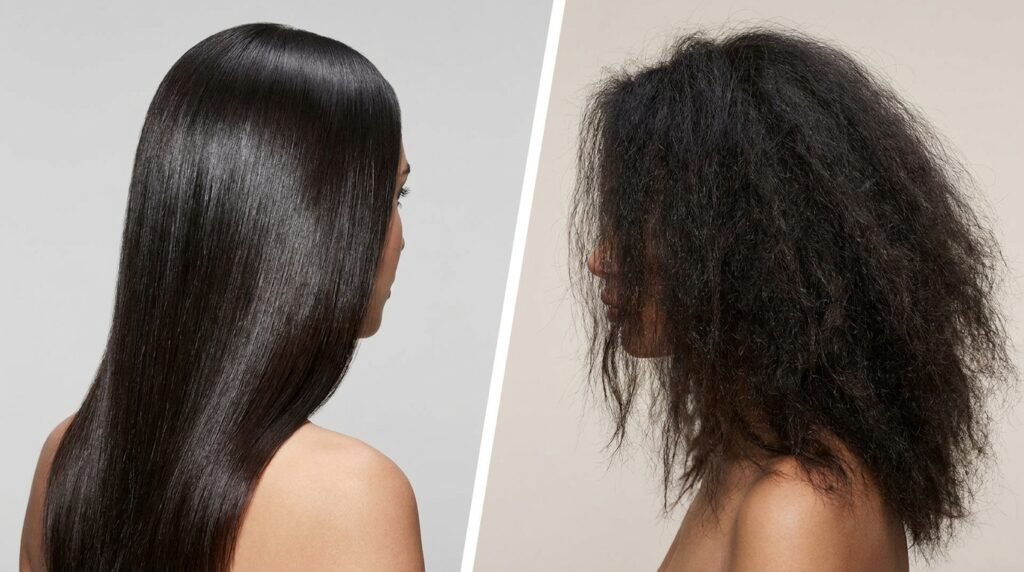
This means frizz has different primary causes for different people, and the solutions that work best depend on identifying which cause or combination of causes is most relevant to your specific hair. Someone whose frizz is primarily caused by moisture deficiency needs different solutions than someone whose frizz is primarily caused by heat damage, even if the visible result looks similar. Treating them as the same problem with the same solution is why so many anti-frizz routines produce disappointing results.
Moisture Is the Foundation
For most people, chronic moisture deficiency is the single biggest driver of frizz, and addressing it consistently is the most impactful change anyone can make to their frizz levels. Well-moisturized hair has a plumper, more hydrated hair shaft that holds the cuticle more naturally in a closed position. Dry, moisture-depleted hair has a shrunken, dehydrated shaft that can’t hold the cuticle flat, leaving it raised and vulnerable to atmospheric moisture. This is why frizz and dryness are so closely connected, and why moisturizing the hair properly is the foundation of any effective frizz-control approach.
Deep conditioning once a week is the most effective single habit for improving moisture levels over time. A proper deep conditioning treatment, applied to clean hair, covered with a shower cap, and left on for at least twenty to thirty minutes, delivers sustained moisture to the hair shaft in a way that a rinse-out conditioner used for two minutes cannot replicate. The cumulative effect of consistent weekly deep conditioning on frizz levels is significant and becomes noticeable within four to six weeks of regular practice.

Leave-in conditioner applied to damp hair after every wash provides an ongoing moisture layer that reduces the hair’s tendency to reach for atmospheric moisture throughout the day. A leave-in creates a protective coating over the hair surface that slows moisture loss and keeps the cuticle more consistently closed between wash days. Skipping this step and relying only on a rinse-out conditioner leaves the hair without protection for the hours and days between washes.
Hair oils applied as the final product in the routine seal the moisture from the leave-in and other products underneath, which reduces the rate at which the hair loses that moisture to the environment. An oil or serum as the last step in a damp hair routine locks in everything applied earlier and significantly extends how long the hair retains its moisture, which directly reduces how much frizz develops throughout the day.
The Humidity Problem
Humidity-induced frizz is specifically caused by dry hair absorbing moisture from the humid air, and the most effective way to address it is ensuring the hair already has adequate moisture before it encounters humidity, so it has no reason to reach for more. This is why people with well-moisturized hair experience significantly less humidity-related frizz than people whose hair is chronically dry, even though they’re exposed to the same atmospheric conditions. The hair that already has what it needs doesn’t need to go looking for it.
Anti-humidity products create a barrier on the hair surface that slows or reduces the hair’s absorption of atmospheric moisture. Silicone-based serums and sprays are the most effective at this since silicone creates a very smooth, non-porous coating on the hair that moisture can’t easily penetrate. For people who want to use silicone-free products, anti-humidity sprays based on plant-derived film-forming agents provide a somewhat similar effect with less hold and less longevity.

Styling products with hold are the most reliable humidity defense because they lock the hair in its styled position and provide a physical barrier against atmospheric moisture. A gel, mousse, or styling cream with some hold applied to damp hair and allowed to dry completely before touching locks the cuticle in a smoother position and provides more protection against humidity than products with no hold at all.
The mistake most people make with humidity-related frizz is touching the hair before it has completely dried. Every time you run your fingers through damp or partially dry hair, you disrupt the way the cuticle is setting and introduce more frizz into the style. Letting the hair dry completely before touching it, whether that means air-drying without manipulation or finishing with a blow-dryer before hands go anywhere near it, dramatically reduces how much frizz ends up in the finished style. This single habit change produces one of the most immediately noticeable improvements in frizz levels for most people.
Heat Damage and Frizz
Heat damage creates frizz by permanently damaging the cuticle structure in a way that leaves it unable to lie flat regardless of how well-moisturized the hair is. When heat tools are used at very high temperatures repeatedly without heat protection, the cuticle scales crack and lift permanently, which is why heat-damaged hair frizzes even when it’s been thoroughly conditioned. The cuticle is physically unable to close because its structure has been altered by heat. This is the most stubborn form of frizz to address because it can’t be reversed, only managed while new growth replaces the damaged sections.
Reducing heat tool temperatures is the most impactful change for anyone whose frizz has a heat damage component. Most hair types style effectively at temperatures significantly lower than the maximum settings on most tools. Fine and already-damaged hair should stay below 300 degrees Fahrenheit. Medium hair can typically handle up to 350 degrees. Using the lowest effective temperature rather than defaulting to maximum heat reduces ongoing cuticle damage and allows the hair to gradually recover some of its natural smoothness as new, undamaged growth replaces the damaged lengths.
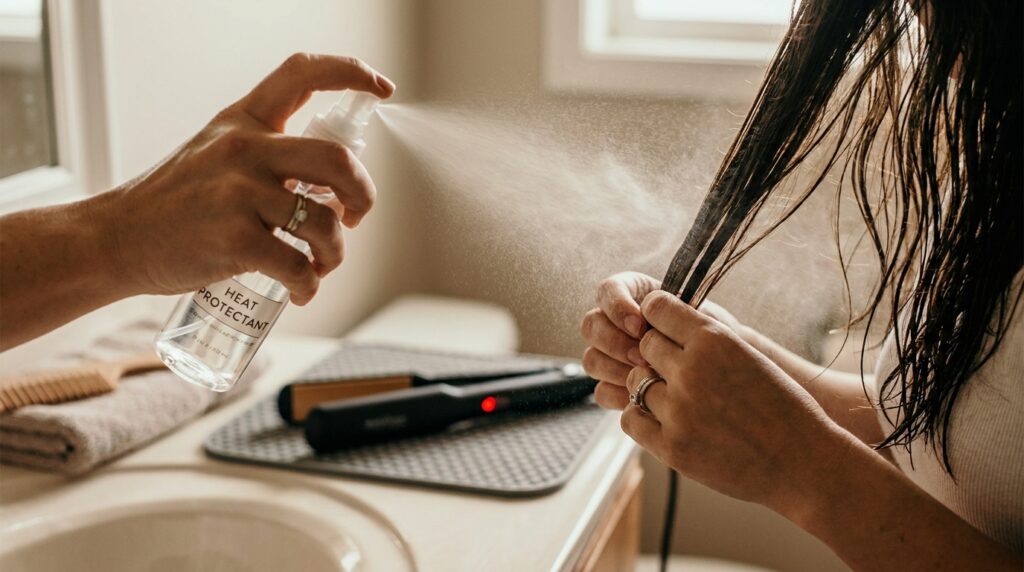
Heat protectant applied before every heat styling session is the most important product for frizz prevention in people who regularly use heat tools. A good heat protectant creates a barrier between the tool and the hair surface that distributes heat more evenly and reduces the direct cuticle damage that causes both frizz and split ends. Applied evenly to every section of hair before any tool touches it, heat protectant is genuinely one of the highest-return products in a haircare routine for people prone to heat-related frizz.
Finishing with a cool shot at the end of blow-drying is a simple technique that significantly reduces frizz by closing the cuticle while the style is still in its smoothed, styled position. The heat of the blow-dryer opens the cuticle slightly during styling. Switching to cool air at the end closes it again in a smooth position, sealing the style and reducing the amount of frizz that develops as the hair cools naturally.
The Role of How You Handle Your Hair
Mechanical handling is one of the most underestimated contributors to frizz, and changing how you physically treat your hair can reduce frizz as significantly as changing the products you use. Rough handling roughens the cuticle, which creates frizz. Gentle handling preserves the cuticle and significantly reduces it. This is one of the few frizz solutions that costs nothing and requires no new products, just a change in technique.
Towel drying is one of the biggest culprits. Rubbing hair vigorously with a regular bath towel creates enormous friction against the cuticle, physically roughening it and creating the conditions for maximum frizz before styling has even begun. Switching to a microfiber towel or an old cotton t-shirt and gently pressing and squeezing moisture from the hair rather than rubbing it produces a dramatically smoother starting point that any subsequent styling products and techniques can build on more effectively. Most people notice a difference in frizz levels within the first week of making this single change.

Detangling technique affects frizz levels significantly. Raking a brush through dry, tangled hair creates friction and physical disruption of the cuticle that contributes to frizz. Detangling on damp, conditioned hair with a wide-tooth comb or a detangling brush, starting from the ends and working upward, removes tangles without the cuticle disruption that aggressive detangling causes.
Sleeping on a cotton pillowcase creates friction against the hair throughout the night that roughens the cuticle and contributes significantly to the frizz many people experience by morning. Switching to a satin or silk pillowcase reduces this friction dramatically and often produces a noticeable reduction in morning frizz with no other changes to the routine. Sleeping with hair in a loose braid or protected style also reduces the friction and disruption of eight hours of movement on a pillow.
Building a Frizz-Reducing Routine
The most effective frizz-reducing routine addresses moisture, damage prevention, and gentle handling simultaneously rather than focusing on any single element. Each component reinforces the others, and the cumulative effect of all three working together is significantly greater than any one of them alone. Building this kind of comprehensive routine is what produces lasting frizz reduction rather than the temporary results most people have experienced with single-product solutions.
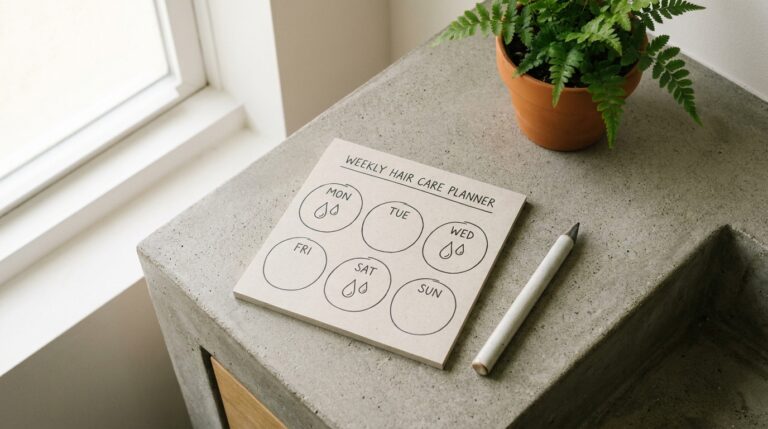
On wash days, use a sulfate-free shampoo focused at the scalp to avoid stripping the lengths. Follow with a rinse-out conditioner on the mid-lengths and ends, leaving it on for at least two to three minutes. Apply a deep conditioner weekly in place of the rinse-out conditioner. After washing, press moisture from the hair gently with a microfiber towel rather than rubbing. Apply leave-in conditioner to damp hair immediately. Add any styling products with hold if needed. Apply a sealing oil or serum last. Avoid touching the hair until it is completely dry.
Between wash days, protect the hair from friction during sleep with a satin pillowcase or protective style. Avoid unnecessary manipulation or touching throughout the day. Refresh the ends with a small amount of leave-in conditioner or water mist if they feel dry. Use dry shampoo sparingly at the roots rather than re-washing, since each additional wash is an opportunity for additional cuticle disruption.
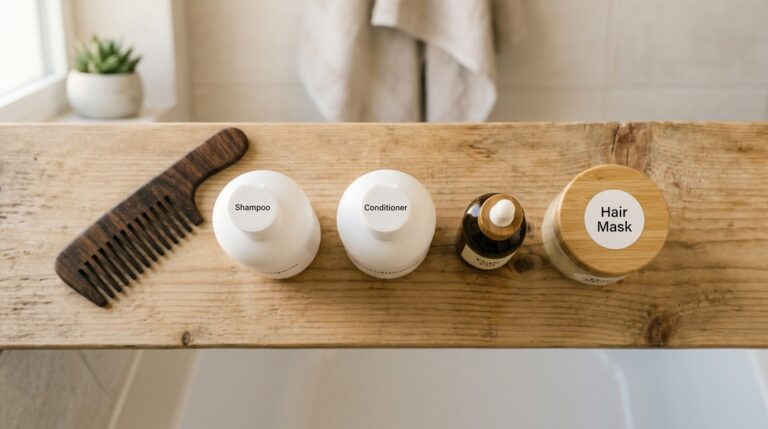
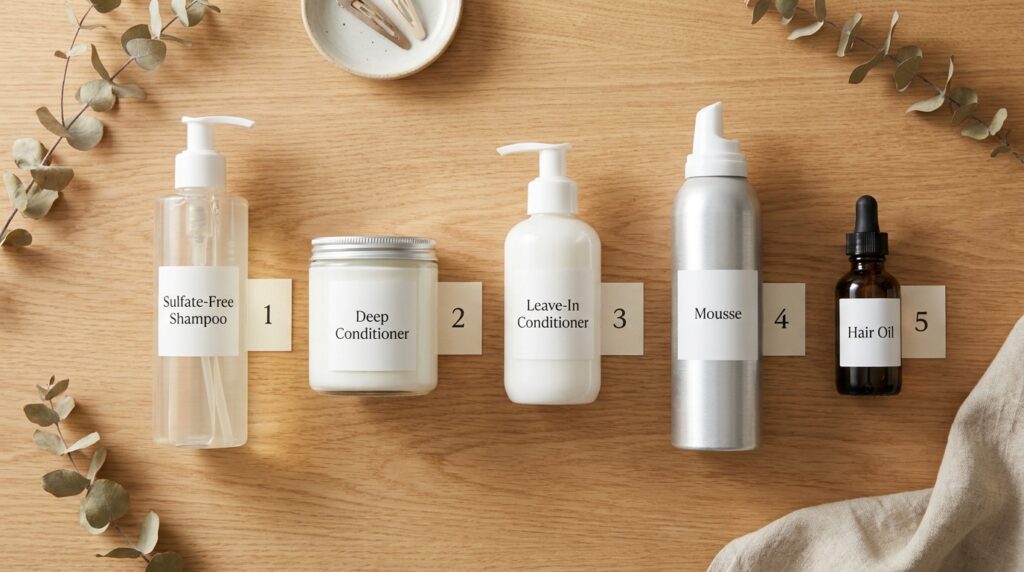
The products that make the biggest difference for frizz specifically are a good sulfate-free shampoo, a weekly deep conditioner, a leave-in conditioner, a hold product appropriate for your hair type, and a sealing oil. This combination, used consistently and in the correct order, addresses moisture retention, styling hold, and surface sealing simultaneously, which covers the three main mechanisms of frizz control. Consistency over several weeks is what produces the most noticeable and lasting results.
Frequently Asked Questions
Why does my hair frizz even after I’ve conditioned it?
Conditioning is one part of the equation but not the whole picture. Frizz after conditioning usually indicates either that the conditioning isn’t penetrating deeply enough, that the hair is losing moisture too quickly after washing, that heat or mechanical damage is preventing the cuticle from closing, or that the hair is being handled roughly during or after washing. Addressing all four of these factors produces better results than conditioning alone. Switching to a deep conditioner used weekly rather than a rinse-out conditioner used briefly is often the single change that makes the most immediate difference.
Does cutting hair reduce frizz?
Regular trims remove the split and damaged ends that contribute to the frizzy appearance at the tips of the hair. A cut won’t address frizz throughout the length, but trimming the most damaged ends removes the section of hair where frizz tends to be most severe and makes the overall hair look significantly smoother and healthier.
Is frizz caused by washing hair too often?
Overwashing can contribute to frizz by stripping the hair of natural oils that help keep the cuticle closed, but it’s rarely the sole cause. Reducing washing frequency helps some people by allowing natural oils to protect the hair between washes, but it needs to be combined with proper conditioning and gentle handling to produce a meaningful frizz reduction.
Do anti-frizz serums actually work?
Temporarily, yes. Most anti-frizz serums create a coating on the hair surface that tames frizz for several hours. They don’t address the underlying moisture deficiency or cuticle damage that causes frizz, so the effect is temporary and the frizz returns with the next wash or the next humid day. Used alongside a routine that addresses the root causes, they can enhance and extend the results of that routine.
Why is my hair frizzier in some climates than others?
Humidity is the most direct environmental factor affecting frizz. In high-humidity climates, dry hair absorbs moisture from the air rapidly, swelling the hair shaft and lifting the cuticle. In very dry climates, the opposite can happen where the hair loses moisture to the environment, also lifting the cuticle and causing frizz. The solution in both cases is ensuring the hair’s own moisture levels are as balanced as possible so it’s less vulnerable to extreme atmospheric conditions in either direction.
Can frizz be permanently eliminated?
For most people, frizz can be dramatically reduced with the right routine and habits but not completely eliminated permanently. Factors like natural hair texture, current moisture levels, atmospheric humidity, and the condition of the cuticle all affect frizz levels on any given day. What consistent care does is reduce the baseline frizz level significantly so that even on bad days the hair looks noticeably better than it did before, and on good days it looks genuinely smooth and healthy.