Why Do My Nails Keep Breaking and How to Fix It
There’s something deeply frustrating about growing your nails to a length you’re happy with, only to have one snap off at the worst possible moment. And then another. And then another. You try a strengthening polish, a new supplement, a different file, and the same pattern repeats. The breaking feels inevitable, like your nails simply weren’t built to be long, and eventually you give up and keep them short because there seems to be no point.
The good news is that persistently breaking nails are almost never a permanent, unfixable condition. In the vast majority of cases, nails break repeatedly because of specific, identifiable causes that can be addressed directly. The bad news is that most people try to fix breaking nails by treating the symptom, reaching for a strengthening product, without understanding which of the several possible causes is actually responsible for their specific situation. Getting the right answer for your nails requires understanding what’s actually happening to them and why.
Understanding How Nails Break
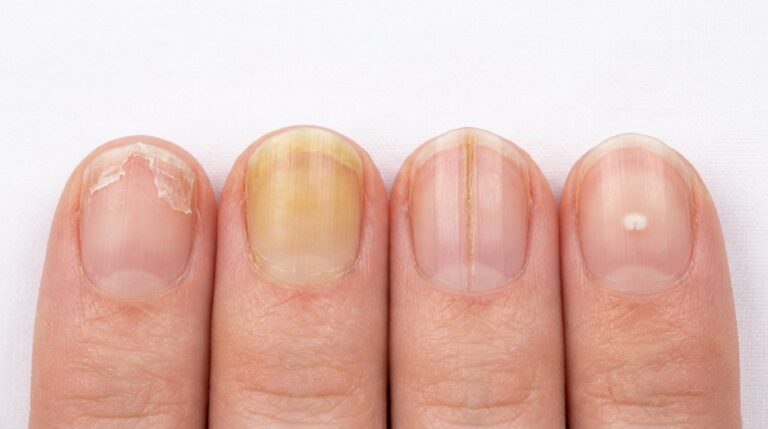
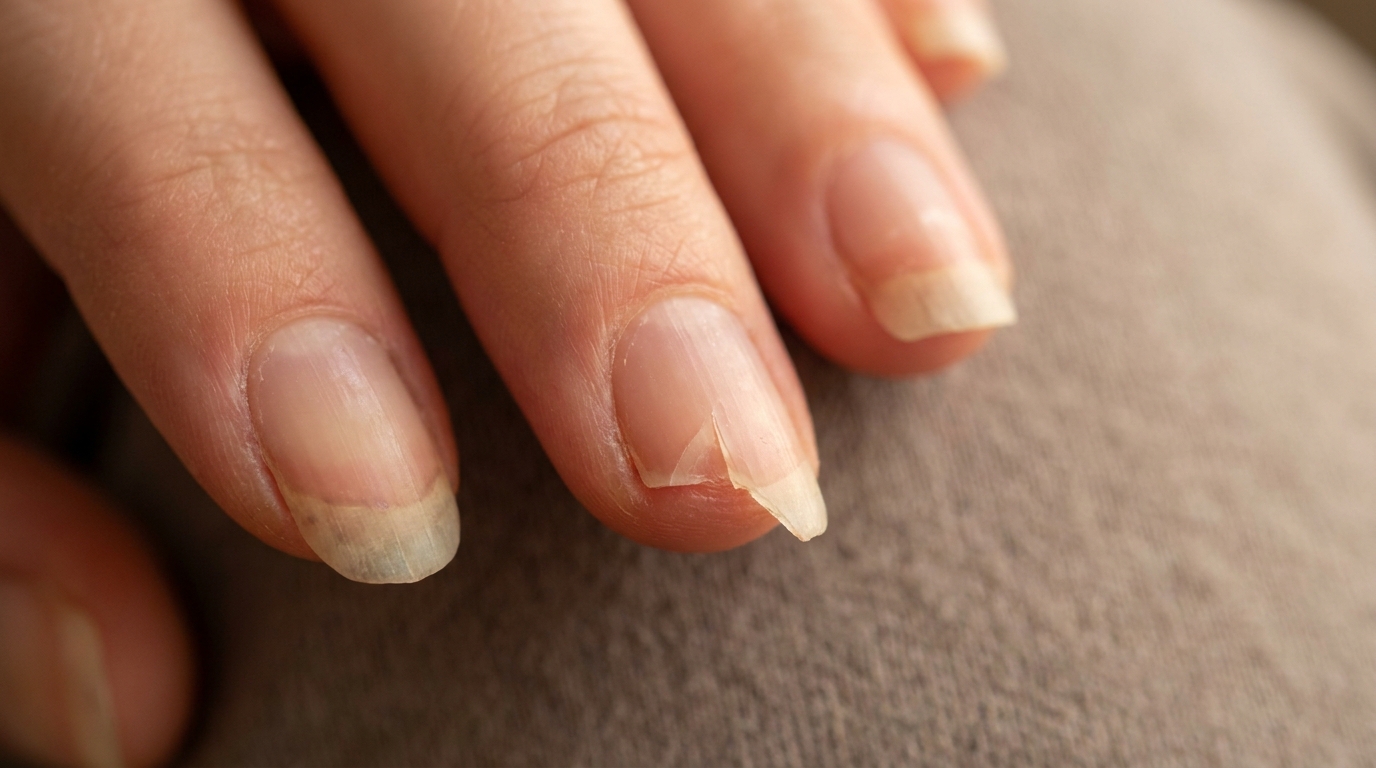
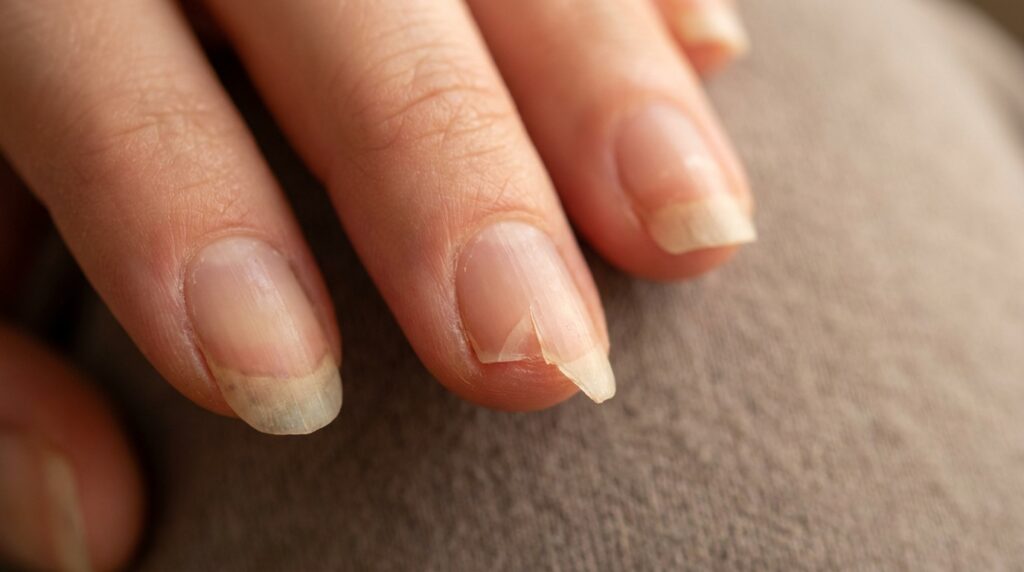
Nails break in different ways, and the type of break gives you important clues about the cause. A clean snap at the tip of the nail that happens during normal daily activities like typing or opening something suggests brittleness caused by dryness or moisture imbalance. Peeling and splitting at the layers of the nail plate suggests a different kind of structural weakness, often related to repeated water exposure or product use. Breaks that happen very low on the nail bed, closer to the skin, suggest the nail is unusually thin and fragile at its base, which can indicate nutritional deficiency or underlying health factors.
The nail plate is made up of layers of a protein called keratin, and its strength and flexibility depend on both its structural integrity and its moisture content. A healthy nail has enough protein structure to hold its shape under normal stress, and enough moisture to be flexible rather than rigid. When either of these elements is depleted, the nail becomes vulnerable to breaking under stresses it would otherwise handle easily.
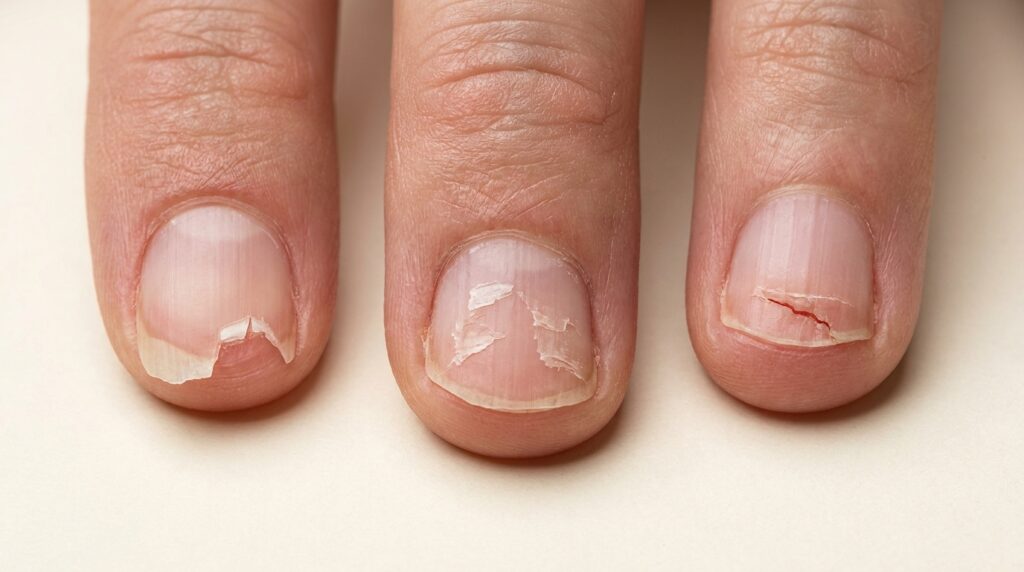
Understanding the breaking pattern of your own nails before trying to fix the problem saves significant time and money, since the most effective solution depends entirely on the cause. Someone whose nails peel in layers needs a different approach than someone whose nails snap cleanly, and both need a different approach than someone who breaks nails specifically after prolonged water exposure.
Too Much Water Exposure
Water is one of the most significant contributors to nail breakage, and it works in a counterintuitive way. You might expect that keeping nails hydrated would make them stronger, but water is actually damaging to the nail in the quantities most people encounter it daily. When nails are submerged or repeatedly exposed to water, they absorb it and expand significantly. When they dry out, they contract back to their original size. This repeated expanding and contracting weakens the nail’s layered structure over time and causes peeling, splitting, and eventually breakage.
Dishwashing without gloves is one of the single biggest contributors to nail breakage for most women. The combination of hot water, the repeated expansion and contraction cycle, and the harsh detergents in dish soap creates a particularly damaging environment for nails. A pair of rubber gloves worn consistently while washing dishes, cleaning, or doing any task involving prolonged water exposure makes a genuine and noticeable difference to nail strength within several weeks of consistent use.
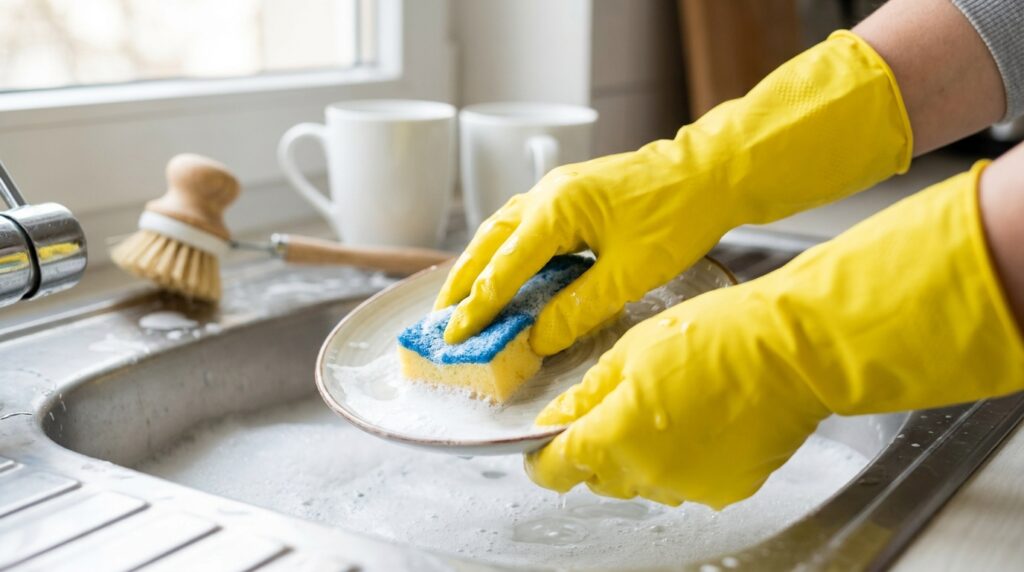
Frequent hand washing, while necessary for hygiene, also contributes to nail weakness when it happens very frequently throughout the day. The nail absorbs water with each wash and loses it as it dries, and the more frequently this happens, the more structural stress it accumulates. Applying a hand cream or cuticle oil after washing hands replenishes some of the moisture and oils lost in the process, which reduces the drying effect of frequent hand washing on both the skin and the nails.
Swimming regularly also exposes nails to significant water damage, particularly in chlorinated pools where the chemicals strip natural oils from both the nail and the surrounding skin. Applying a protective nail oil or cream before swimming and thoroughly moisturizing afterward helps minimize the damage, though regular swimmers often need to be more vigilant about nail care overall than people who don’t swim frequently.
Dryness and Lack of Moisture
Dry nails are brittle nails, and brittle nails break. This might seem like the same issue as water exposure, but dryness and excessive water exposure are actually two sides of the same problem. Water weakens the nail structure during exposure and leaves the nail drier than before once it has evaporated, taking the nail’s natural oils with it. The result is nails that are repeatedly wetted and dried, each cycle leaving them slightly more depleted than before.
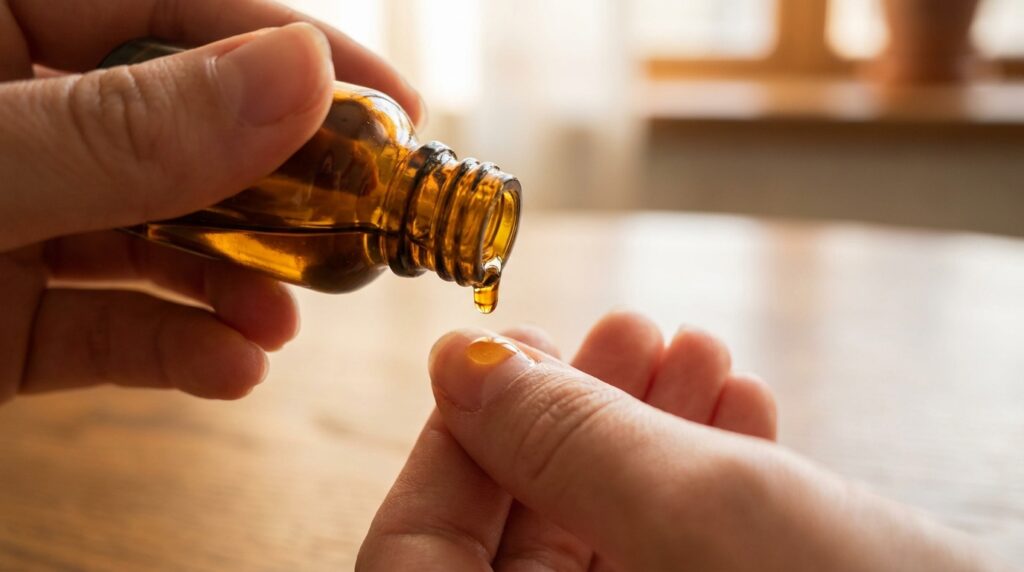
Cuticle oil is the single most effective daily product for addressing nail dryness, and it’s one of the most consistently underused tools in nail care. Applied to the cuticle area and the skin around each nail once or twice a day, cuticle oil penetrates the nail plate and replenishes the moisture and lipids that keep nails flexible rather than brittle. The effect isn’t immediate since the nail grows slowly and takes time to show improvement, but people who use cuticle oil consistently for several weeks almost always notice a meaningful difference in how their nails feel and how often they break.
Hand cream applied consistently throughout the day provides broader moisture for the skin around the nails and contributes to overall nail health by keeping the skin and cuticle area soft and supple. Dry, cracked cuticle skin creates pathways for moisture to escape from the nail and is associated with nail weakness. A good hand cream used regularly addresses this and contributes to a better overall nail environment.
The season matters significantly for nail dryness. Winter brings cold air outside and heated, low-humidity air inside, both of which are drying to both skin and nails. Many people notice significantly more nail breakage in winter months and attribute it to various other causes without realizing that the seasonal shift in moisture levels is the primary driver. Increasing cuticle oil and hand cream use during winter, and being more vigilant about wearing gloves in cold weather, addresses the seasonal component of nail breakage.
Nutritional Deficiencies
What you eat directly affects the strength and growth of your nails, and several common nutritional deficiencies are specifically associated with weak, brittle, or breaking nails. This is because nails are made of protein and require specific nutrients to grow strong and healthy, and when the body is deficient in key nutrients it deprioritizes nail health in favor of more essential functions.
Biotin deficiency is the nutritional cause most commonly associated with brittle, breaking nails, and it’s the reason biotin supplements are so widely marketed for nail health. Biotin is a B vitamin that plays a role in the production of keratin, the protein that nails are made of. Genuine biotin deficiency does cause nail weakness and breakage, and supplementing biotin in cases of actual deficiency has been shown to improve nail strength. However, for people who already have adequate biotin levels, additional supplementation is unlikely to produce significant improvement.
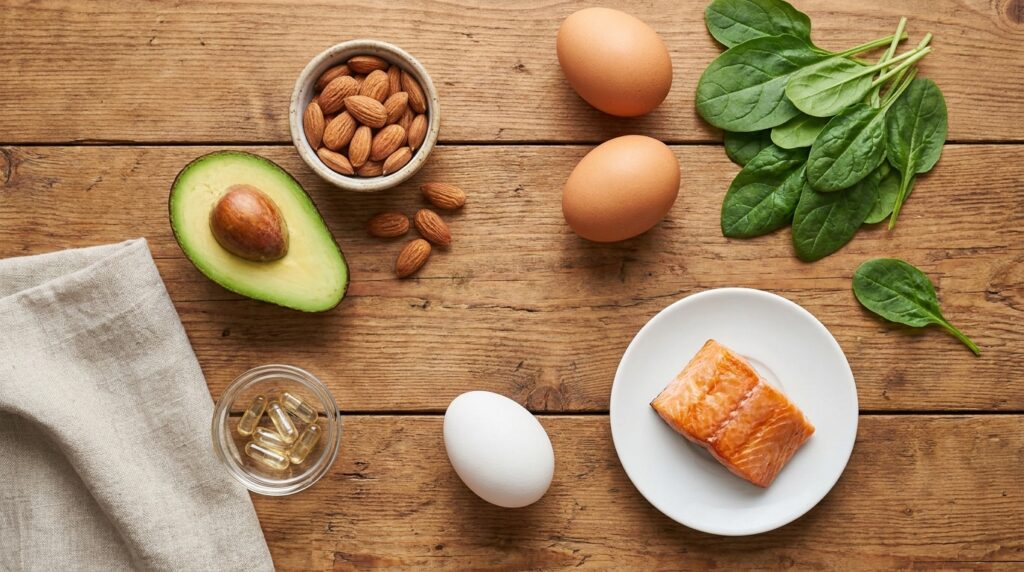
Iron deficiency is another common nutritional contributor to weak nails, particularly in women. Low iron affects the body’s ability to carry oxygen to the cells, including the cells responsible for nail growth, which can produce nails that are thin, brittle, and prone to breaking. Iron deficiency is common enough and its effects on nails significant enough that it’s worth having iron levels checked through a blood test if nail breakage is persistent and doesn’t respond to external care changes.
Protein intake matters because nails are made of protein. People who significantly restrict protein intake, whether through very low-calorie dieting, certain restrictive eating patterns, or simply not eating enough protein-rich foods, can experience nail weakness as one of the signs of insufficient protein. Ensuring adequate protein intake through a balanced diet supports nail health alongside overall body function.
Zinc, vitamin D, and omega-3 fatty acids have all been associated with nail health in research, and deficiencies in any of them can contribute to weaker nails. Rather than supplementing speculatively across all of these categories, getting a blood test to identify any actual deficiencies and addressing those specifically is a more targeted and effective approach than taking a broad range of supplements without knowing what your body actually needs.
Product Damage and Chemical Exposure
The products used on and around the nails, as well as the chemicals encountered in daily life and work, can significantly affect nail strength. Nails are not as impermeable as they might appear, and both beneficial products and harmful substances can penetrate the nail plate and affect its structure.
Acetone-based nail polish remover used very frequently is one of the most direct chemical contributors to nail weakness and breakage. Acetone is highly effective at removing nail polish but it’s also very drying to both the nail plate and the surrounding skin. People who remove and reapply nail polish very frequently, every few days, expose their nails to repeated acetone contact that strips natural oils and weakens the nail structure over time. Using acetone-free removers for regular polish changes and reserving acetone for gel or stubborn polish removal reduces this impact significantly.
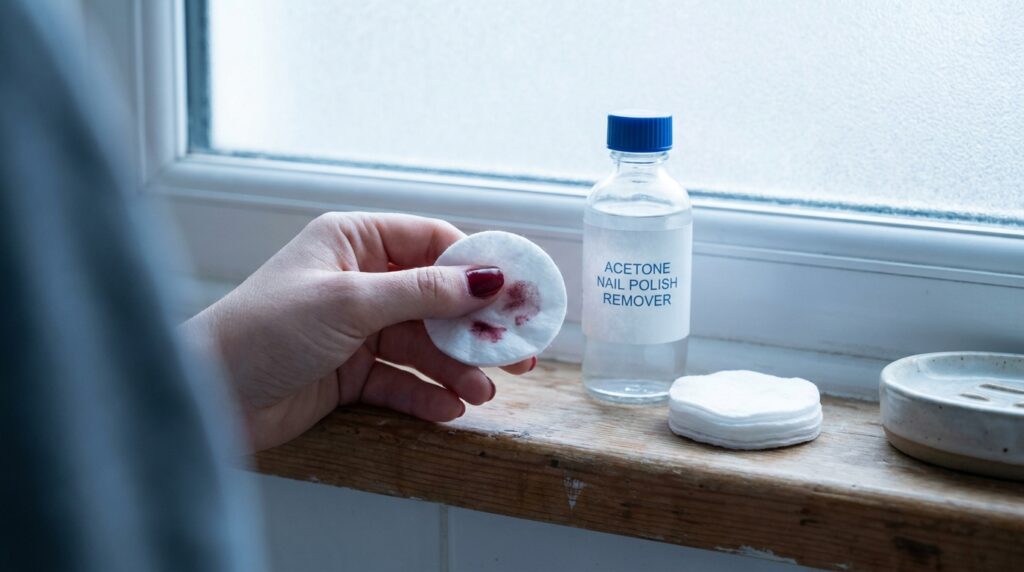
Gel and acrylic nails, when removed incorrectly, are a major cause of nail damage and subsequent breakage. Peeling gel or acrylic off rather than properly soaking it in acetone removes layers of the natural nail plate along with the product, leaving nails thin, weak, and prone to breaking in the weeks after removal. Proper soak-off removal, whether done professionally or at home with the correct technique, is the single most important factor in maintaining nail health through gel or acrylic cycles.
Household cleaning products, gardening chemicals, and certain workplace chemicals can all strip natural oils from nails and weaken their structure with repeated contact. Wearing gloves for any task involving chemical contact protects both the nails and the skin and is particularly important for people whose work involves regular chemical exposure.
Incorrect Filing and Shaping
How nails are filed has a more significant impact on their tendency to break than most people realize. Filing in the wrong direction, using the wrong type of file, or filing with too much pressure all create micro-tears in the nail edge that become starting points for cracks and breaks.
Sawing back and forth with a nail file is one of the most common filing mistakes and one of the most damaging. The back-and-forth motion creates friction in both directions along the nail edge, which causes the nail layers to separate and creates a rough, weakened edge that is more prone to catching and breaking than a smoothly filed one. Filing in one direction only, from the side toward the center on each side of the nail, produces a cleaner, stronger edge.
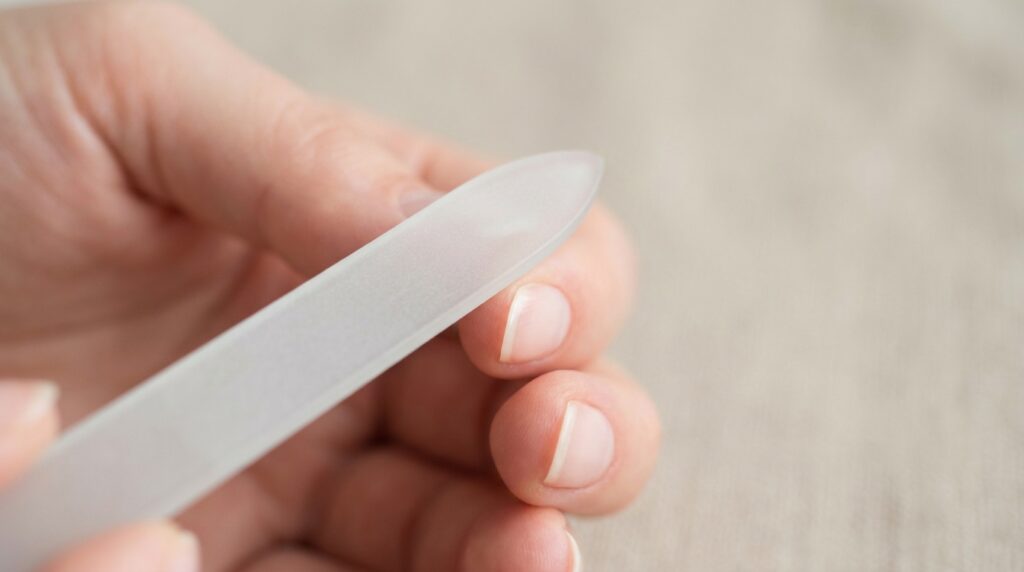
Coarse nail files used on natural nails remove too much material too quickly and create a rougher edge than finer files. A medium or fine-grit file is more appropriate for natural nails, with a very fine grit buffer used afterward to smooth the edge completely. Glass or crystal nail files are particularly gentle on natural nails and produce a very smooth edge that is less prone to catching and breaking than edges filed with metal or rough emery boards.
Filing nails when they are wet weakens them significantly because wet nails are softer and more flexible than dry ones, and they tear rather than file cleanly. Filing dry nails produces a better result and is gentler on the nail structure.
Underlying Health Conditions
In some cases, persistently breaking nails that don’t respond to changes in care and nutrition indicate an underlying health condition that is affecting nail growth and structure more broadly. This is less common than the external causes described above, but worth being aware of if nail breakage is severe and persistent despite addressing all other factors.
Thyroid conditions, both overactive and underactive thyroid function, are associated with nail changes including brittleness and breakage. The thyroid gland regulates metabolism throughout the body, and its function affects the health of fast-growing tissues like nails and hair. If nail breakage is accompanied by other symptoms like fatigue, weight changes, or changes in hair growth, thyroid function is worth discussing with a doctor.
Psoriasis can affect the nails as well as the skin, causing pitting, thickening, and changes in nail structure that make them more prone to damage and breakage. Nail psoriasis is a specific condition that requires medical treatment rather than cosmetic solutions.
Anemia, kidney disease, and certain other systemic conditions can all produce nail changes as one of their symptoms. Nails that show unusual changes in color, texture, or growth pattern alongside other health symptoms are worth discussing with a doctor to rule out underlying conditions.
Building a Nail Strengthening Routine
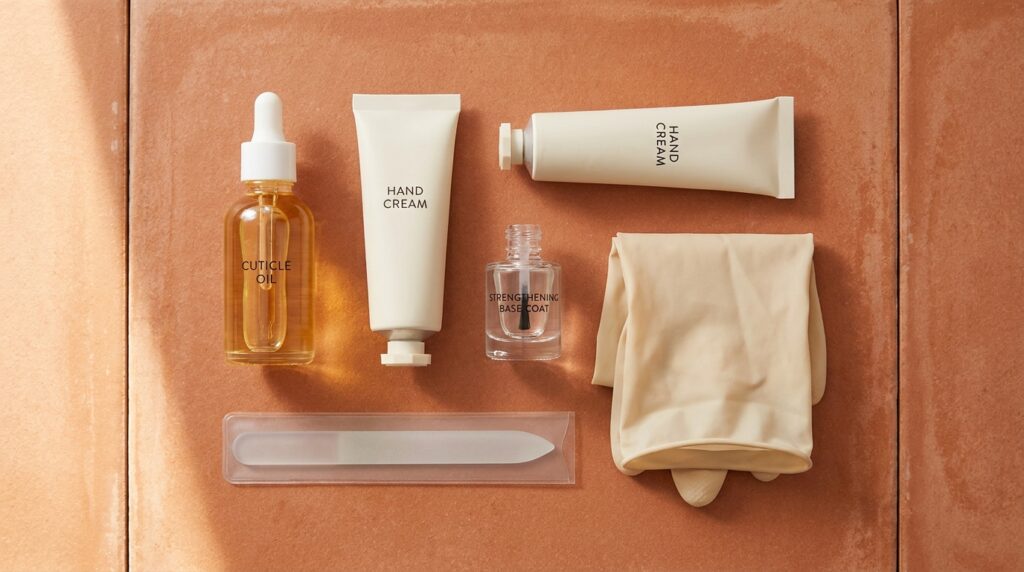
Addressing nail breakage requires a consistent routine that covers the main causes simultaneously rather than trying a single product and moving on when it doesn’t immediately solve the problem. Nails grow slowly, and meaningful improvement takes several weeks of consistent care to become visible.
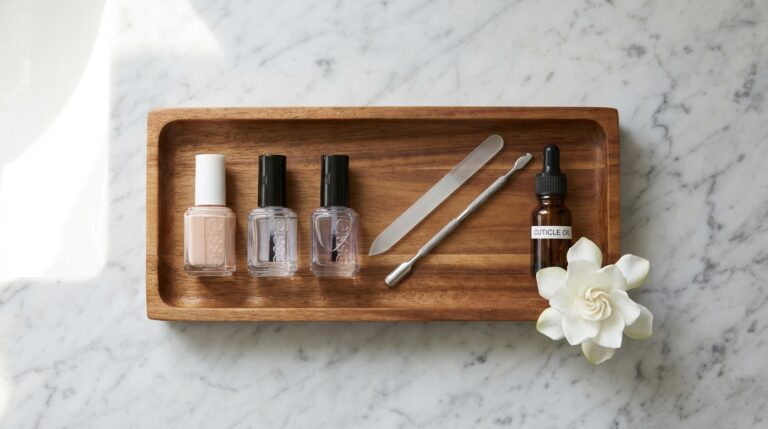
Daily cuticle oil application is the foundation of any nail strengthening routine. Even one application per day produces noticeable improvement over four to six weeks. Twice daily is better. Making it a habit by keeping the oil somewhere visible, on the bedside table or next to the kettle, increases the likelihood of consistent use.
Gloves for water and chemical exposure eliminate the most damaging ongoing stressor for most people and produce faster improvement than any product alone. A pair of rubber gloves kept by the sink takes seconds to put on and makes a meaningful difference within weeks.
A strengthening base coat applied consistently as a base under any nail polish, or worn alone on bare nails, provides a surface layer of support that helps protect nails from mechanical stress during the recovery period. Look for formulas containing keratin, calcium, or strengthening proteins rather than formaldehyde-based hardeners, which can make nails too rigid and prone to snapping with overuse.
Regular gentle filing to maintain a smooth, snag-free edge removes the rough spots that become starting points for breaks. Even if you’re keeping nails short while they recover, keeping the edges smooth prevents small snags from turning into full breaks.
Frequently Asked Questions
How long does it take to grow out damaged nails?
Fingernails grow approximately three to four millimeters per month, which means growing out significantly damaged nails takes four to six months for a full replacement. Visible improvement in the new growth usually appears within six to eight weeks of consistent care changes, even though the full benefit takes longer to show through to the tips.
Do nail hardeners actually work?
Some do, temporarily. Nail hardeners containing keratin or calcium provide surface reinforcement that makes nails more resistant to breaking while they’re applied. Formaldehyde-based hardeners work more dramatically but can make nails too rigid with overuse, making them more prone to snapping rather than bending. Used correctly and not too frequently, a good hardener provides useful support during the recovery period.
Should I keep my nails short while they recover?
Generally yes, at least initially. Shorter nails have less surface area to catch and break, and they put less mechanical stress on the weakened nail plate. Once the new growth coming in is visibly stronger, gradually increasing length is a reasonable approach. Trying to maintain long nails while they’re at their most damaged and vulnerable extends the recovery period significantly.
Can nail breakage be genetic?
Yes, to some extent. Natural nail thickness and strength have a genetic component, which is why some people have naturally strong nails with minimal effort while others struggle despite excellent care. However, even genetically thinner or weaker nails respond to good care and can be significantly improved compared to their uncared-for baseline.
Is it bad to use nail polish all the time?
Wearing nail polish continuously isn’t inherently damaging if a base coat is used and the polish is removed properly. However, never giving nails a break from polish means any underlying dryness or weakness isn’t visible until it becomes significant. Periodic breaks from polish allow you to monitor nail health directly and apply treatments more effectively.
Why do my nails break more in winter?
Cold air is dry air, and indoor heating further reduces humidity. Both conditions strip moisture from nails and make them more brittle. The solution is increasing cuticle oil and hand cream use during winter, wearing gloves in cold weather to protect the nails from direct cold exposure, and being more vigilant about the water exposure and drying cycle that already contributes to breakage year-round.