Signs You Are Overwashing or Underwashing Your Hair
Most people have a washing routine they’ve been following for years without ever questioning whether it’s actually right for their hair. You wash every day, or every other day, or twice a week, because that’s what you’ve always done, or because someone told you to years ago, or because it just became a habit at some point. The problem is that washing frequency is one of the most individual aspects of haircare, and what works perfectly for one person’s hair can cause real problems for another’s.
Getting the washing frequency wrong is one of the most common underlying causes of haircare frustrations that people spend a lot of time and money trying to solve with products. Dry, brittle hair that doesn’t respond to conditioning. Limp, flat hair that looks greasy hours after washing. An itchy, irritated scalp that never quite settles. A hair texture that feels nothing like it did when you were younger. These problems often have complicated-sounding explanations when the real answer is surprisingly simple: you’re washing too much or too little, and your hair and scalp are reacting accordingly.
Understanding which camp you’re in is the starting point for fixing it, and the signs are usually quite clear once you know what to look for.
Why Washing Frequency Matters More Than Most People Realize
The scalp produces natural oils called sebum, and the frequency with which you wash your hair directly affects how much sebum it produces. This is a feedback loop that most people don’t realize exists. When you wash your hair very frequently, you strip the scalp of its natural oils faster than they can be replenished, which signals the scalp to produce more oil to compensate. Over time, this leads to a scalp that produces more oil than it would if left to its own devices, creating the impression that the hair needs washing more often than it actually does.
The reverse is also true. Washing hair too infrequently allows sebum, dead skin cells, product residue, and environmental pollutants to accumulate on the scalp and hair shaft, which creates its own set of problems. Buildup on the scalp can clog hair follicles, interfere with healthy hair growth, and create an environment where bacteria and fungi thrive, leading to irritation, flakiness, and other scalp conditions.
Finding the right frequency isn’t about following a universal rule because no universal rule exists. It’s about understanding how your own scalp behaves and what your hair type actually needs, and then adjusting your routine to match rather than following someone else’s schedule or sticking with a habit that isn’t working.
Signs You Are Overwashing Your Hair
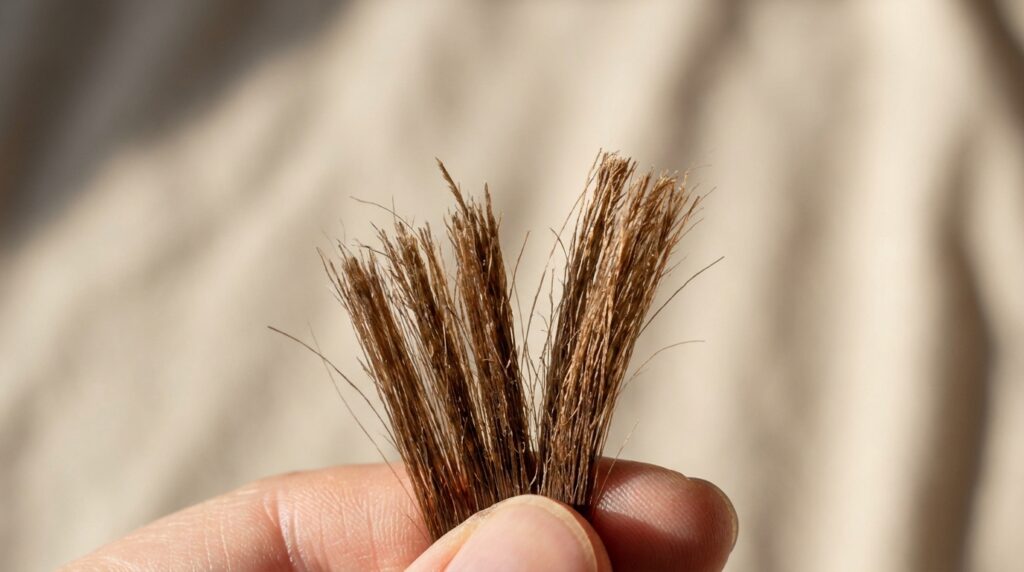
Chronic dryness that doesn’t respond to conditioning is one of the most common signs of overwashing. When you strip the scalp of its natural oils too frequently, the hair shaft is consistently depleted of the moisture and lipid coating that keeps it soft, smooth, and hydrated. You might use deep conditioners, hair masks, and leave-in treatments regularly and still find that your hair feels dry within a day or two of washing. This can easily be mistaken for a product problem or a hair type issue, when it’s actually a frequency problem.
Increased frizz and flyaways, especially immediately after washing, can also signal that the hair is being overwashed. When the cuticle is repeatedly stripped of its natural oil coating, it struggles to lie flat, which results in the lifted, porous cuticle texture that causes frizz. If your hair always looks its frizzy worst on wash day and gradually improves as the days between washes pass, overwashing is likely contributing to the problem.
A scalp that feels tight, itchy, or irritated after washing is a sign that the cleansing is too frequent or too aggressive for that scalp type. A healthy scalp after washing should feel clean and refreshed, not stripped and uncomfortable. Persistent tightness or itchiness after every wash, particularly if it improves in the days between washes, suggests the scalp is being cleaned more than it needs to be.
Hair that breaks more easily than it used to can also be linked to overwashing, since repeated stripping of the hair’s natural lipid coating weakens the hair fiber over time. If you’re noticing more breakage than usual, particularly during combing or styling, and you can’t attribute it to heat damage or chemical treatments, washing frequency is worth examining.
An oily scalp that seems to get greasy faster and faster over time is one of the most counterintuitive signs of overwashing, because it seems to suggest the opposite problem. But as explained earlier, very frequent washing triggers increased sebum production as the scalp tries to compensate for being constantly stripped. If you feel like you used to be able to go a day without washing but now your hair looks greasy within hours, the cycle of overwashing and overproduction is likely well established.
Color-treated hair that fades unusually quickly is another sign that washing is happening too often. Every wash strips some of the color molecules from chemically treated hair, which is why color-treated hair is always advised to be washed less frequently. If your color is fading within a week or two of being freshly done, the washing frequency is almost certainly a contributing factor regardless of whether you’re using color-safe shampoo.
Hair that looks and feels better three or four days after washing than it does on wash day itself is perhaps the clearest indicator that the hair is being washed more often than it wants to be. When hair’s natural oils have had time to distribute from the scalp along the hair shaft, the hair often looks shinier, feels softer, and has better texture and manageability. If this describes your experience, the evidence is right there in your own hair’s behavior.
Signs You Are Underwashing Your Hair
A persistently itchy scalp that doesn’t improve over time is one of the most telling signs of underwashing. When sebum, dead skin cells, and product residue accumulate on the scalp, they create an environment that is uncomfortable and potentially problematic. An itchy scalp that doesn’t respond to scalp treatments or specialized shampoos but has been present for a long time is often simply a buildup problem that requires more frequent washing rather than a more complex solution.
Visible flakiness or dandruff that is getting worse rather than better can be related to underwashing in some cases, though it can also have other causes. When dead skin cells and sebum accumulate on the scalp, they can become visible as flakes. This is different from dandruff caused by a fungal condition, though the two can coexist. If flakiness has appeared or worsened alongside a reduction in washing frequency, the connection is likely direct.
Hair that feels heavy, coated, or waxy regardless of how much conditioner you use is a sign of product and sebum buildup on the hair shaft. When hair isn’t washed frequently enough, the accumulation of natural oils, styling products, dry shampoo residue, and environmental particles creates a coating on the hair that makes it feel different in texture, often heavier and less responsive to styling or conditioning than it would otherwise be.
Styling products that stop working as effectively as they used to can indicate buildup on the hair shaft that is preventing them from absorbing or adhering properly. Mousse, curl cream, or heat protectant that used to work well but now seems to sit on top of the hair without penetrating it is often a sign that the hair needs a more thorough cleanse, either through more frequent washing or through the addition of a clarifying shampoo.
A scalp that smells even shortly after washing suggests that the accumulation between washes is significant enough that even a wash isn’t fully addressing it. When sebum, sweat, and bacteria have built up over an extended period, a single wash may not be sufficient to restore the scalp to a clean baseline. More frequent washing or a clarifying shampoo used periodically can help reset the scalp’s condition.
Hair that looks flat, dull, and lacks any natural shine can be caused by buildup coating the hair shaft and preventing light from reflecting off the surface cleanly. A healthy, well-cleansed hair shaft reflects light in a way that reads as shine. A hair shaft coated in accumulated sebum, product residue, and environmental debris scatters and absorbs that light rather than reflecting it, which is why buildup tends to make hair look dull rather than lustrous.
Slow or stalled hair growth can in some cases be linked to underwashing, though this is a longer-term consequence rather than an immediate sign. When the scalp’s follicles are consistently blocked by buildup, the environment for healthy hair growth is compromised. Hair grows from the follicle, and a clean, well-nourished scalp supports that growth better than one that is consistently congested with accumulation.
How to Find the Right Washing Frequency for Your Hair
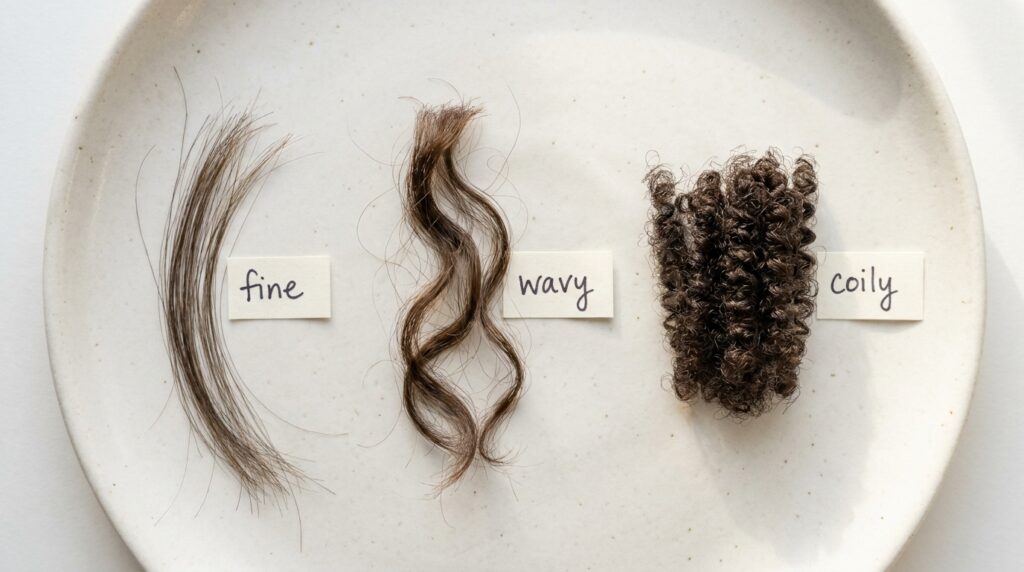
The right washing frequency varies significantly based on hair type, scalp type, lifestyle, and even the climate you live in. There is no single correct answer that applies to everyone, but there are some general patterns that provide a useful starting point.
Fine hair tends to need more frequent washing than thick or coarse hair because fine strands have a smaller diameter and the scalp’s oils travel down them more quickly. Fine hair also tends to lie closer to the scalp, which means it picks up oils and becomes visibly greasy faster than hair that naturally stands away from the scalp. Washing every one to two days is common and often appropriate for fine hair types.
Thick, coarse, or curly hair tends to need less frequent washing because the hair’s natural oils travel more slowly down the curved or wider hair shaft, and because these hair types are often drier along the length and benefit from the scalp’s natural oils being given time to work their way down. Washing once a week or even once every ten days is not unusual or problematic for very thick or very curly hair types.
An active lifestyle that involves daily exercise or sweating affects how frequently the scalp needs to be cleansed, since sweat creates an environment on the scalp that can contribute to odor, irritation, and buildup if left for extended periods. People who exercise daily may need to rinse the scalp with water or co-wash more frequently than their hair type would otherwise require, even if a full shampoo is only needed every few days.
Dry, cold climates tend to make hair drier overall, which means less frequent washing is often more appropriate in winter months than in summer. Hot, humid climates can increase scalp oiliness and make more frequent washing feel necessary. Adjusting washing frequency seasonally rather than maintaining a rigid year-round schedule is something many people find genuinely helpful once they start paying attention to how their hair behaves differently across seasons.
The Role of Dry Shampoo and Co-Washing
Dry shampoo is a useful tool for extending the time between washes, but it comes with its own considerations. Dry shampoo works by absorbing excess oil at the scalp, which makes hair look and feel fresher without a full wash. Used occasionally as a bridge between wash days, it’s an effective tool. Used excessively as a replacement for washing, it contributes to the kind of buildup that causes many of the underwashing symptoms described above. Dry shampoo residue accumulates on the scalp alongside the sebum it absorbs, and if it isn’t properly washed out regularly, it becomes part of the problem rather than the solution.
Co-washing, which means washing the hair with conditioner only rather than shampoo, is a technique that sits between washing and not washing. It cleanses the hair and scalp gently without the stripping effect of a detergent-based shampoo, which makes it useful for very dry or very curly hair types that need moisture rather than aggressive cleansing between full wash days. Co-washing works well as part of a balanced routine but isn’t appropriate as a permanent replacement for shampoo, since conditioner alone doesn’t remove all scalp buildup.
Clarifying shampoo used periodically, roughly once a month, is one of the most effective tools for resetting the scalp and hair regardless of whether overwashing or underwashing has been the issue. A clarifying shampoo removes accumulated product residue, mineral deposits from hard water, and excess sebum that regular shampoos sometimes don’t fully address. Following a clarifying wash with a deep conditioning treatment compensates for the more thorough cleanse and keeps the hair from feeling stripped.
Adjusting Your Routine
Transitioning from daily washing to a less frequent schedule is a process rather than an immediate switch, and the first two to three weeks can feel uncomfortable as the scalp adjusts its oil production. During this transition, the scalp often over-produces oil before recalibrating, which means hair may feel greasier than usual in the early weeks. Most people find that after four to six weeks of a consistent new schedule, the scalp has adjusted and the hair behaves more in line with the new frequency than with the old one.
Transitioning from infrequent washing to a more regular schedule tends to feel more immediately rewarding, since the hair and scalp usually respond positively to more regular cleansing once the buildup starts to clear. A clarifying shampoo as the first wash of the new routine helps remove accumulated buildup quickly and gives the new schedule a clean starting point.
Paying attention to your hair’s actual behavior rather than following a fixed schedule is the most reliable long-term approach. Hair tells you what it needs if you pay attention to it. Watching for the signs of overwashing and underwashing described in this article and adjusting accordingly, rather than rigidly adhering to a set number of washes per week regardless of what your hair is doing, leads to better results than any fixed routine.
Frequently Asked Questions
How do I know if my scalp is oily or dry?
The easiest way is to observe how your scalp feels and looks between washes. An oily scalp produces visible grease at the roots and scalp within one to two days of washing. A dry scalp feels tight, itchy, or flaky without producing visible oil. Some people have combination scalps, where the scalp itself is oily but the lengths and ends of the hair are dry, which requires addressing both areas differently.
Can overwashing cause hair loss?
Frequent washing itself doesn’t cause hair loss, but the practices that sometimes accompany very frequent washing, like aggressive scrubbing, high-heat blow-drying every day, and repeated stripping of natural oils, can contribute to breakage and scalp irritation that affects the overall condition of the hair over time. True hair loss from the follicle is more commonly related to hormonal, nutritional, or medical factors than to washing frequency.
Is it bad to wash hair with hot water?
Hot water opens the hair cuticle, which can increase moisture loss and contribute to frizz and dryness. Washing with warm rather than hot water and finishing with a cool rinse helps seal the cuticle and preserve moisture. This is a smaller factor than washing frequency but worth being mindful of if dryness and frizz are ongoing concerns.
Does washing frequency affect hair growth?
Indirectly. A clean, well-nourished scalp provides a better environment for healthy hair growth than one that is consistently congested with buildup or chronically stripped and irritated. Washing at a frequency that keeps the scalp healthy supports hair growth in that indirect way, but washing more frequently than necessary doesn’t accelerate growth.
How long does it take for the scalp to adjust to a new washing schedule?
Most people notice a meaningful adjustment within four to six weeks of consistently following a new schedule. The first two to three weeks can feel awkward, particularly when reducing washing frequency, since the scalp overproduces oil before recalibrating. Sticking with the new schedule through this adjustment period rather than reverting to the old one is what allows the scalp to settle into the new rhythm.
Should I wash my hair differently in summer versus winter?
Yes, adjusting washing frequency seasonally makes sense for most people. Hot weather and increased sweating often make more frequent washing feel necessary in summer. Cold, dry weather strips moisture from the hair and scalp, making less frequent washing more appropriate in winter to allow natural oils to provide some protection. Listening to how your hair behaves across seasons and adjusting accordingly is more effective than maintaining a rigid year-round schedule.