Why Your Hair Never Looks as Good as It Does in the Salon
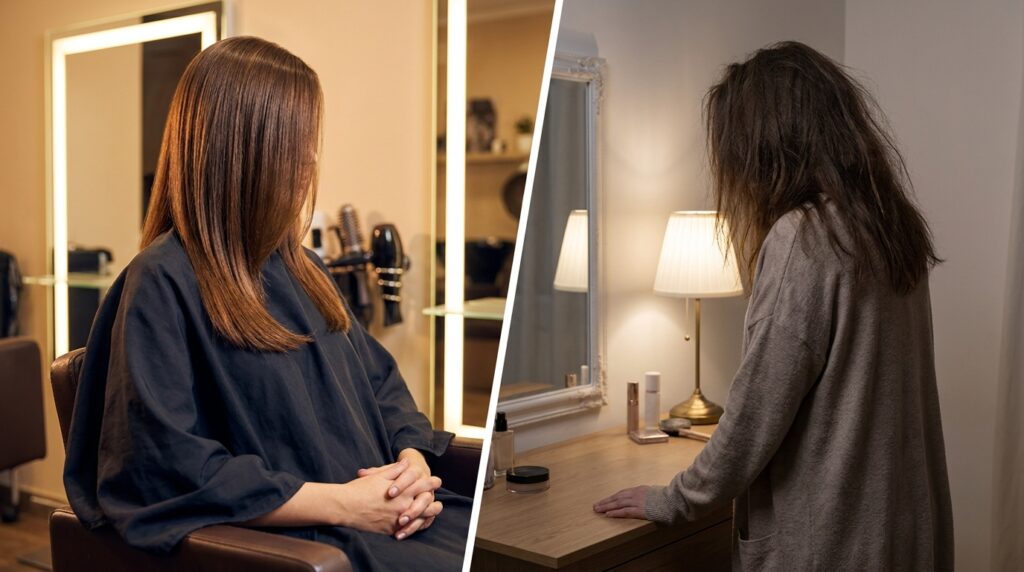
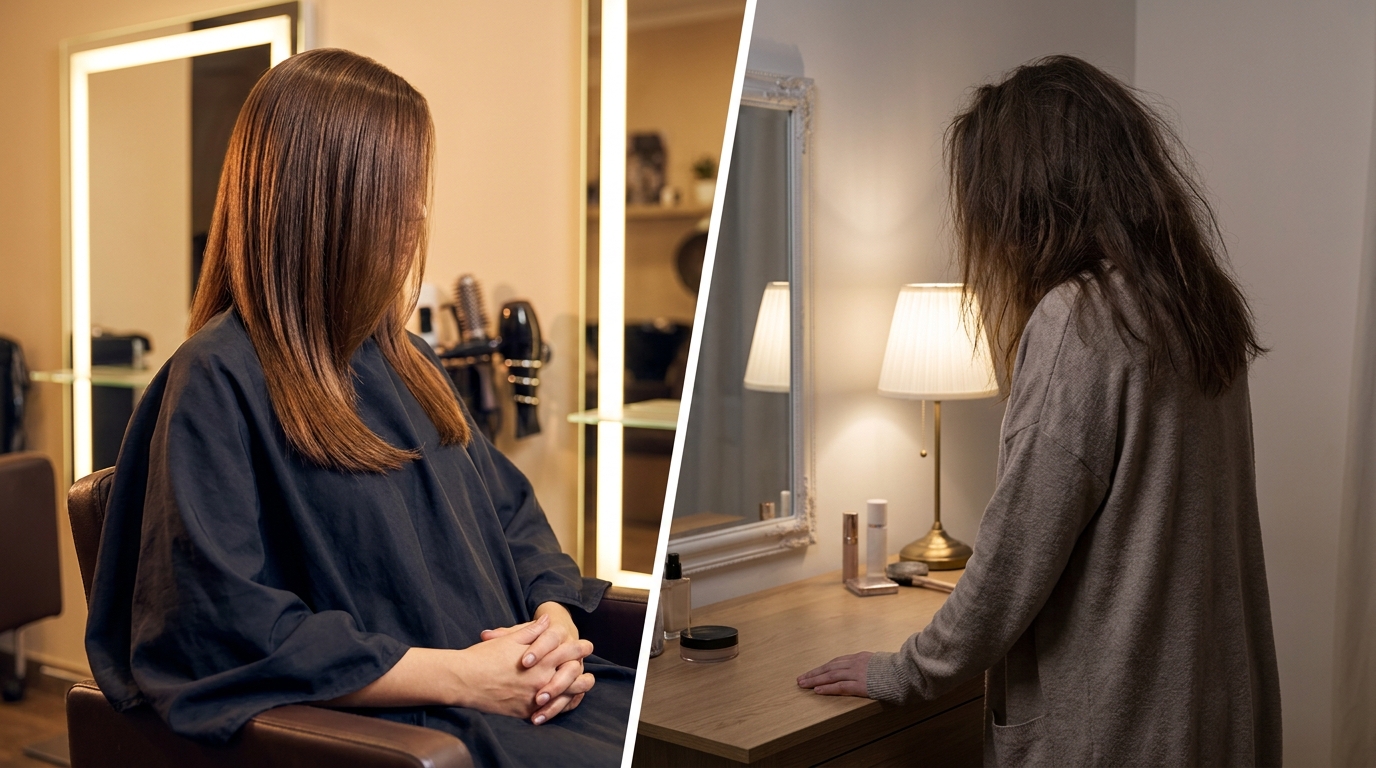
You leave the salon feeling like a different person. Your hair is smooth, shiny, and full in a way it never quite manages to be on any other day. You’ve watched everything the stylist did. You’ve even bought the same products they recommended. But two days later, after washing and styling at home, your hair looks like a completely different head of hair. Flatter, frizzier, somehow less everything, and you’re back to wondering what exactly they’re doing that you’re not.
This is one of the most common and genuinely frustrating experiences in haircare, and the answer to why it happens is more interesting than most people expect. It’s not magic, and it’s not that your stylist has access to products you can’t buy. It’s a combination of technique, tools, timing, preparation, and a handful of specific skills that most people have never been shown. Once you understand what’s actually happening in that salon chair, you can start replicating at least some of it at home, and the gap between your salon results and your at-home results will start to close noticeably.
The Preparation Makes More Difference Than You Think
One of the most significant differences between a salon blowout and an at-home one starts before the styling even begins, in how the hair is washed and prepared. Most people wash their hair quickly in the shower and then begin trying to style it without much thought about the foundation they’re working with. A salon stylist, by contrast, treats the wash as the first step in the styling process rather than a separate task.
Professional shampooing technique involves more than just lathering and rinsing. Stylists typically shampoo twice, the first wash removes surface buildup and oils, and the second wash actually cleanses the scalp and hair properly now that the initial layer of residue has been removed. The second lather produces a noticeably richer foam and penetrates more effectively because it isn’t being absorbed by whatever was sitting on the hair before. Most people shampoo once at home and don’t get the same depth of clean that double shampooing provides.
The scalp massage during shampooing also serves a purpose beyond feeling good. Thorough scalp massage increases blood circulation to the follicles, loosens buildup at the scalp, and ensures the shampoo reaches every part of the scalp rather than just the most accessible areas. Many people apply shampoo only to the top and front of the head, missing the nape and the areas behind the ears where buildup can accumulate. A stylist works methodically through every section of the scalp, which produces a more thorough and even cleanse.
Conditioner application in a salon is similarly more deliberate than most at-home applications. Stylists typically distribute conditioner evenly through the mid-lengths and ends using a wide-tooth comb while the conditioner is in the hair, ensuring every strand is coated rather than just the outermost layer. This makes a meaningful difference in how evenly the hair is hydrated and how smoothly it behaves during blow-drying.
The Towel Drying Step Nobody Talks About
How hair is dried after washing has a larger impact on the final result than most people realize, and it’s one of the steps that’s almost always done differently in a salon than at home.
Rubbing hair vigorously with a towel is one of the most common at-home habits that works directly against a good styling result. Vigorous towel rubbing roughens the hair cuticle significantly, creating friction that leads to frizz, tangles, and a rougher surface texture before styling has even begun. It’s very hard to get a smooth, shiny result when starting from a frizzed-out baseline.
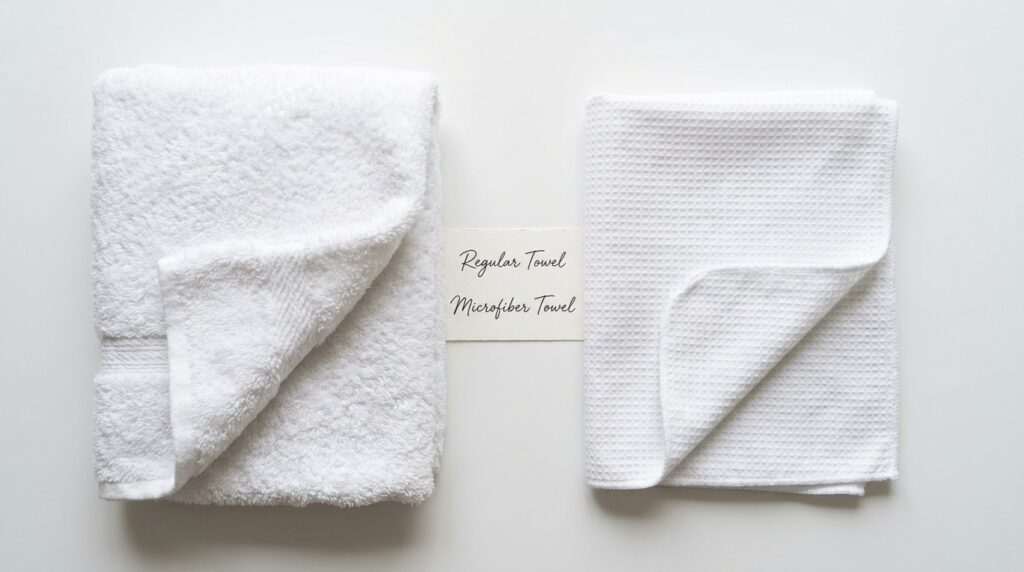
Salon stylists use a technique of gently squeezing and pressing the hair with a towel rather than rubbing it. This removes excess water without creating friction or disturbing the cuticle. At home, switching to a microfiber towel or an old cotton t-shirt for the same squeezing technique rather than rubbing produces a noticeably smoother starting point for blow-drying. This single change alone can make a visible difference in frizz levels before any product has been applied.
The amount of water left in the hair before blow-drying also matters. Blow-drying soaking wet hair takes significantly longer and requires more heat to achieve the same result as blow-drying hair that has been properly towel-dried first. More time under heat means more cumulative heat exposure, which contributes to dryness and frizz. Getting the hair to a point where it’s damp rather than soaking wet before beginning to dry is a small adjustment that improves both the efficiency and the result of blow-drying.
Product Application: Timing and Amount
One of the most consistent differences between salon and at-home results is how products are applied, specifically what products are used, in what order, in what quantities, and at what point in the drying process.
Stylists apply products to damp hair in a specific sequence that most people never learn. A typical professional product routine for a blowout might involve a heat protectant applied first to damp hair, followed by a volumizing mousse or blowout cream worked through from roots to ends, and finished with a lightweight oil or serum applied only to the ends before drying begins. Each product serves a specific function, and applying them in the wrong order or at the wrong time reduces their effectiveness significantly.
The quantity of product matters as much as the type. Most people either use too little product, not getting enough coverage and distribution to see the full effect, or too much, which weighs the hair down and produces a heavy, greasy result. Stylists use precise amounts based on the hair’s length and density, typically much less than you might expect for fine hair and more than you might apply for thick hair. A general starting point is a coin-sized amount of most products for medium-length, medium-density hair, but adjusting up or down based on how the hair responds is more reliable than following a fixed amount.
Distributing products evenly through every section of the hair rather than applying them to the top layer and assuming they’ll work their way through is another technique that makes a significant difference. A stylist divides the hair into sections and ensures product reaches every part of the hair before drying begins, which produces a more consistent result than product that’s concentrated in some areas and absent in others.
The Blow-Drying Technique Is Everything
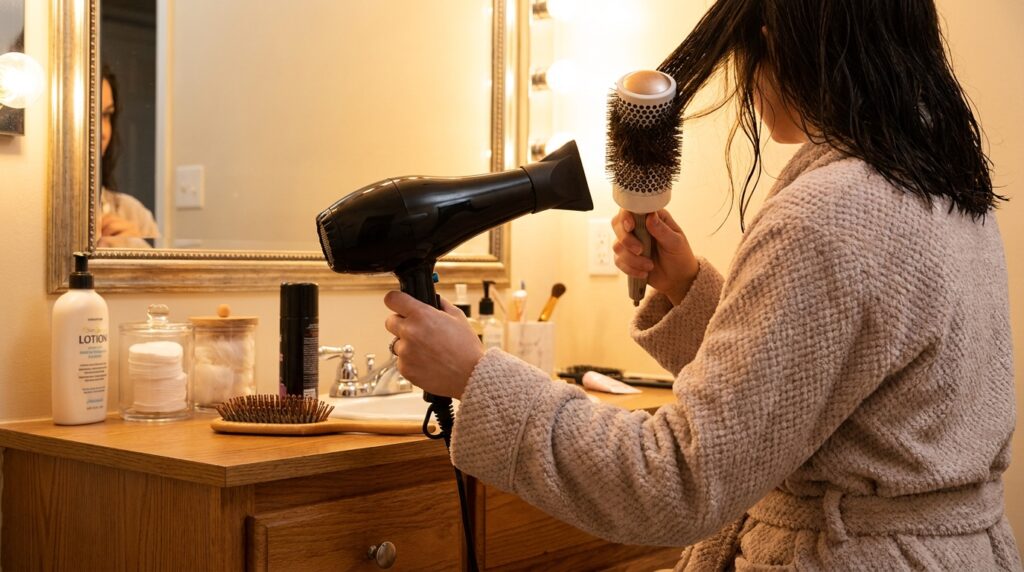
If there’s one area where the gap between professional results and at-home results is most significant, it’s blow-drying technique. Most people hold a blow-dryer in one hand and maybe a brush in the other and move both relatively randomly through their hair until it’s dry. A professional stylist’s approach to blow-drying is completely different in almost every dimension.
Sectioning is the foundation of a professional blowout. A stylist divides the hair into multiple sections, typically four to six depending on the hair’s density and length, and clips all but the section being worked on out of the way. Each section is dried completely before moving to the next one, which produces a smooth, controlled result that’s impossible to achieve when drying all the hair at once and constantly working over already-dried sections with still-wet ones.
The direction the airflow travels makes a profound difference in the result. Pointing the blow-dryer nozzle downward along the hair shaft from root to tip is the direction that closes and smooths the cuticle, producing shine and smoothness. Pointing it upward, which is what tends to happen naturally when people blow-dry without much attention to direction, lifts the cuticle and creates frizz. This is one of the single most impactful technique adjustments anyone can make at home, and it costs nothing.
The round brush technique that stylists use to create volume and smoothness simultaneously is genuinely more skill-dependent than most other styling techniques, and it’s honest to acknowledge that replicating it perfectly at home takes practice. The stylist rolls the round brush through the hair while directing heat at the root for lift, along the mid-length for smoothness, and at the ends for a directed, smooth finish. The coordination of brush movement and airflow direction creates the result, and getting comfortable with this technique requires spending time with it rather than doing it perfectly on the first try.
Finishing each section with a blast of cool air is a step that many home blow-driers skip but that makes a meaningful difference to the longevity and smoothness of the result. Cool air closes the cuticle that the hot air has been smoothing, setting the style in place and locking in the shine. The switch from hot to cool at the end of each section is one of the small details that adds up to a more polished finished result.
The Tools Are Doing More Work Than You Realize
Professional styling tools are different from most consumer tools in ways that go beyond marketing, and the difference in results reflects those differences in genuine ways.
Professional blow-dryers operate at higher wattage than most consumer models, which means they move more air more quickly and can dry the hair faster with less time spent hovering the dryer in one place. Faster drying means less total heat exposure for the same result, which is better for the hair’s condition and produces a smoother, less frizzed outcome. A professional-grade or salon-quality blow-dryer purchased for home use is one of the tool investments that most consistently produces a noticeable improvement in at-home results.
The diffuser and concentrator nozzle attachments that come with blow-dryers exist for specific reasons and using them makes a real difference. The concentrator nozzle focuses the airflow into a narrow stream that can be directed precisely along the hair shaft and around a brush, which is what makes the round brush blowout technique work. Without the concentrator, airflow goes in multiple directions at once and is much harder to control. The diffuser disperses airflow broadly and gently, which is the appropriate tool for drying curly or wavy hair without disrupting the natural curl pattern.
Flat irons and curling tools used in salons are typically higher quality and more precisely temperature-controlled than most consumer versions. Consistent, even heat across the whole plate or barrel produces more consistent results than tools with hot spots or inconsistent temperature, and professional stylists tend to use precise temperature settings rather than simply putting the tool on its highest setting. Using a lower, more appropriate temperature for your hair type produces better results than using the highest setting regardless of whether your tool is professional-grade or not.
The Finishing Touches That Change Everything
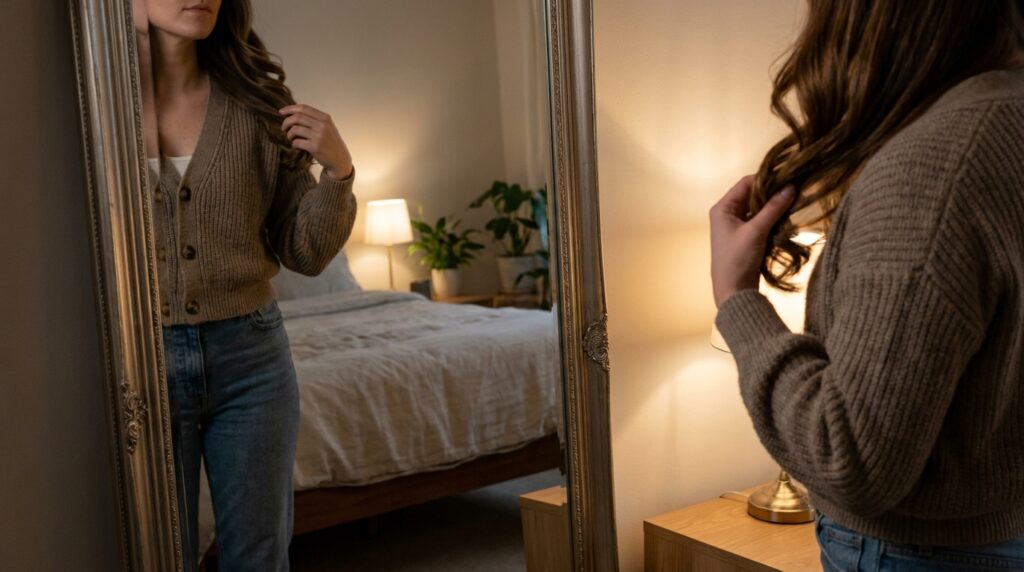
The difference between a good blowout and a great one often comes down to the last five minutes, which is where finishing products and techniques come in.
A light mist of a finishing spray or shine spray applied at the end of styling adds a layer of reflected light to the hair surface that photographs and reads in person as a level of shine and polish that’s very hard to achieve with blow-drying alone. Stylists almost always finish with some kind of shine-enhancing product, whether that’s a serum, a spray, or a light oil applied smoothly over the top layer of the hair to reflect light.
Light backcombing or teasing at the roots before finishing adds volume that lasts significantly longer than volume created during blow-drying alone. A small amount of product at the root, like a dry texture spray or a volumizing powder, applied after styling and before any finishing spray, locks this volume in place and prevents it from falling flat over the course of the day.
The way the hair is handled immediately after styling affects how long the result lasts. Running fingers through freshly styled hair, touching it repeatedly, or putting it up immediately after styling all reduce how long the style holds. Stylists typically advise letting the hair cool completely before touching it, which allows the style to set properly before being disturbed.
What You Can Actually Replicate at Home
The honest truth is that you probably won’t perfectly replicate a salon blowout every time at home, and that’s genuinely okay. Stylists spend years developing their technique, they have professional tools, and they have the advantage of being able to see and work with the whole head of hair from every angle in a way that’s simply not possible when you’re doing your own hair.
But there are specific changes that make a meaningful and immediate difference. Switching from rubbing to squeezing with your towel, applying products in sections rather than all at once, pointing your blow-dryer downward along the hair shaft, finishing with cool air, and using a concentrator nozzle will each produce a noticeable improvement on their own. Doing all of them together will close the gap between your at-home results and your salon results more than any product purchase alone could.
Investing in one or two better tools, specifically a higher quality blow-dryer and a good round brush in the right size for your hair length, is the tool investment most likely to produce visible results. The technique matters more than the tool, but better tools make good technique easier to execute.
Giving yourself more time than you think you need is perhaps the most underrated change. Rushing a blowout produces a rushed-looking result. Allowing enough time to work through sections properly, let each section cool, and finish thoughtfully is what produces the salon-quality result that feels impossible when you’re trying to get ready in fifteen minutes.
Frequently Asked Questions
Why does my hair look good leaving the salon but frizzy the next day after I wash it? The salon result is the product of professional technique, tools, and products working together on freshly prepared hair. When you wash and restyle at home, the combination of different technique, different tools, and often different product application produces a different result. The good news is that understanding the specific differences, towel drying technique, product application, blow-drying direction, and sectioning, gives you concrete things to change rather than leaving it as a mystery.
Do I need expensive salon products to get good results at home?
Not necessarily. Product quality matters, but technique matters more. A professional applying an inexpensive product with excellent technique will produce a better result than an amateur applying expensive professional products without the technique to use them effectively. Focusing on technique improvements will take you further than product upgrades alone.
Why does my hair look flatter at home than in the salon?
Volume that stylists create comes primarily from blow-drying technique, specifically directing heat at the roots while lifting the hair with a round brush, and from finishing with lightweight volumizing products at the root after styling. Both of these are replicable at home with practice. Using the blow-dryer upside down at the roots during drying is a simpler technique that adds volume without requiring a round brush and is much easier to master quickly.
Is it worth buying a professional blow-dryer for home use?
For most people who blow-dry their hair regularly, yes. A higher-wattage professional-grade dryer dries hair faster, which means less total heat exposure and less damage over time, and produces a smoother result due to stronger, more consistent airflow. It’s one of the tool investments most consistently reported to make a visible difference to at-home styling results.
How long does it take to learn the round brush blowout technique?
Most people start seeing meaningfully better results after three to five practice attempts. The coordination of brush and dryer takes some getting used to, but it improves quickly with repetition. Starting with a larger barrel brush, which is more forgiving than a smaller one, and working on one or two sections at a time rather than trying to do the whole head perfectly immediately makes the learning process significantly less frustrating.
Why does my hair seem to hold a style better after a salon visit than after washing at home?
Stylists often use products with stronger hold than consumers typically reach for, and the technique of applying them evenly through every section of the hair ensures consistent coverage. The combination of the right product strength and even distribution produces a style that holds significantly longer than one created with inconsistently applied products. Experimenting with slightly stronger hold products and focusing on even distribution through every section of the hair addresses this gap directly.