Haircare Routine for Thinning Hair to Improve Hair Strength, Volume, and Healthy Growth

Thinning hair requires a different approach to haircare than most people realize. The instinct when hair starts thinning is often to add more i.e. more product, more treatment, more steps when the most effective approach is usually the opposite. Simplifying the routine, choosing products specifically formulated for thinning hair, and being consistently gentle with the hair and scalp produces better long-term results than aggressive intervention.
A proper haircare routine for thinning hair covers everything from scalp care and washing techniques to styling tips, recommended product types, and everyday habits that can help support healthier-looking, fuller hair over time.
Understanding Why Hair Thins

Hair thinning happens for several different reasons and understanding which one applies makes it easier to choose the most effective routine. Hormonal changes, including those related to pregnancy, menopause, and thyroid function, affect the hair growth cycle and can cause significant thinning. Nutritional deficiencies, particularly in iron, ferritin, zinc, and vitamin D, are among the common and reversible causes of hair thinning. Stress causes a condition called telogen effluvium, where large numbers of hair follicles enter the resting phase simultaneously. Genetics play a role in pattern hair thinning that progresses gradually over time. Identifying the cause is worth pursuing with a dermatologist or trichologist because some causes are fully reversible when addressed at the root.
The Scalp First Approach

The scalp is the foundation of hair health and caring for it is the most impactful single change in any haircare routine for thinning hair. A healthy scalp with good circulation, clean follicles, and a balanced oil environment grows thicker, stronger hair than a neglected one. Scalp massages performed for three to five minutes daily using the fingertips in circular motions have been shown in studies to increase hair thickness over time by stimulating blood flow to the follicles. A clean scalp free of product buildup and excess oil creates the conditions for healthy follicle function. A weekly scalp treatment or scalp scrub removes the buildup that regular shampooing alone does not address.
Choosing the Right Shampoo
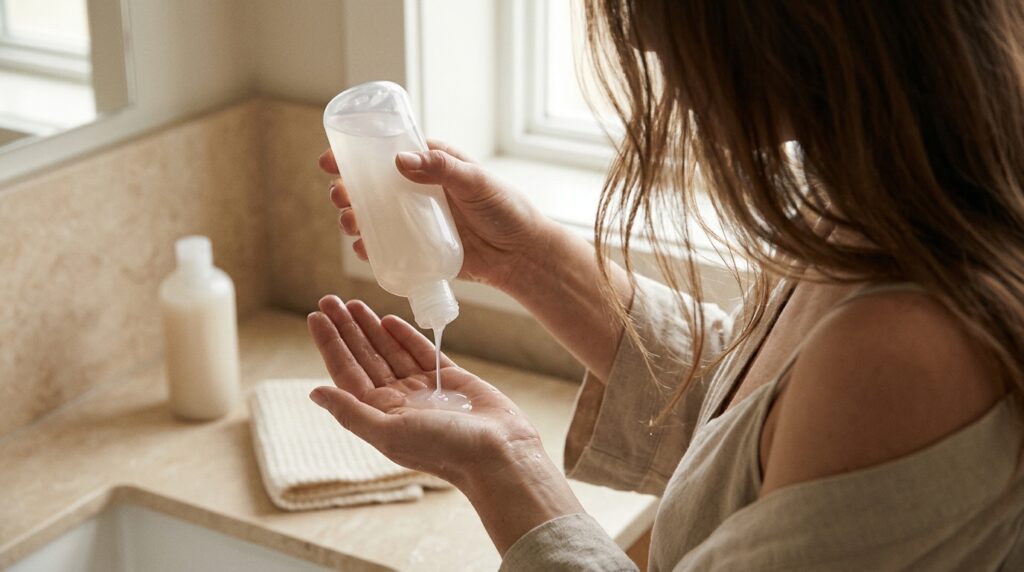
The shampoo used on thinning hair matters significantly because the wrong formula can worsen the condition and the right one actively supports scalp health and hair thickness. A volumizing or thickening shampoo formulated specifically for fine or thinning hair is the most appropriate choice. These formulas coat the hair shaft to add temporary thickness and fullness while keeping the scalp clean without stripping it. Sulfate-free shampoos are gentler on the scalp and less likely to cause the dryness and irritation that can contribute to hair loss. Shampoos containing biotin, caffeine, niacinamide, or keratin are worth seeking out because these ingredients are associated with improved hair thickness and scalp health in research.
How Often to Wash Thinning Hair
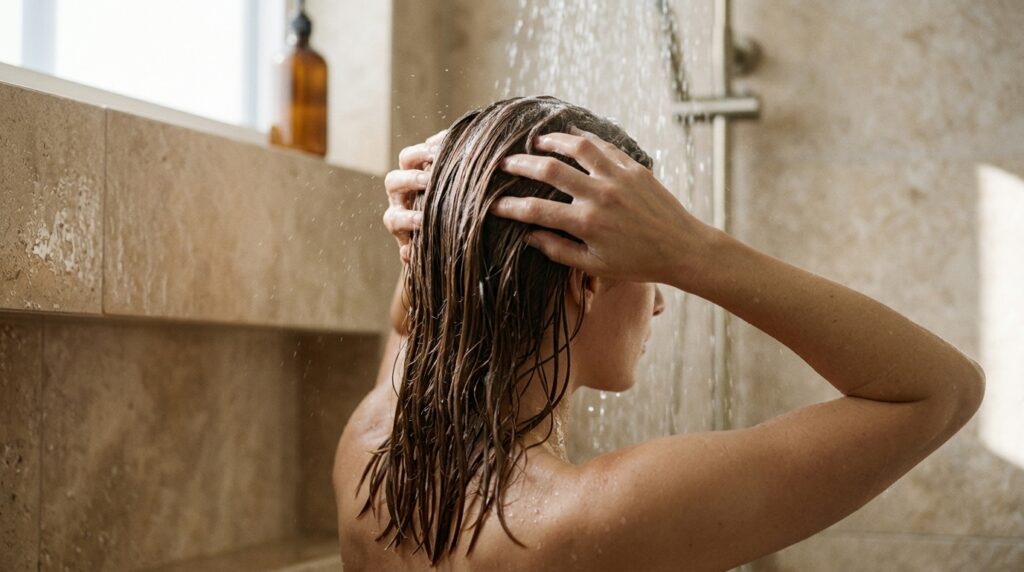
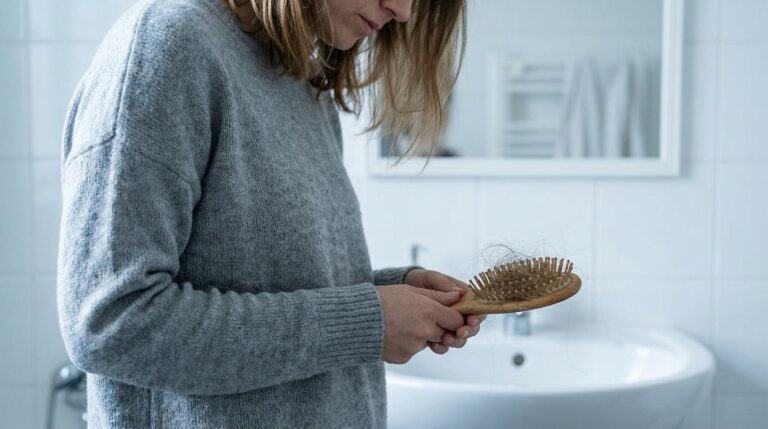
Washing frequency is a frequently debated topic for thinning hair and the answer depends on scalp type rather than a universal rule. An oily scalp benefits from washing every one to two days because excess oil sits on the scalp and can clog follicles over time. A dry or sensitive scalp benefits from washing every two to three days because over-washing strips natural oils that the scalp and hair need. Thinning hair is often more fragile than thicker hair, which means minimizing mechanical stress during washing is important regardless of frequency. Washing gently without vigorous scrubbing reduces the breakage that masquerades as hair loss in many people with thinning hair.
The Conditioner for Thinning Hair
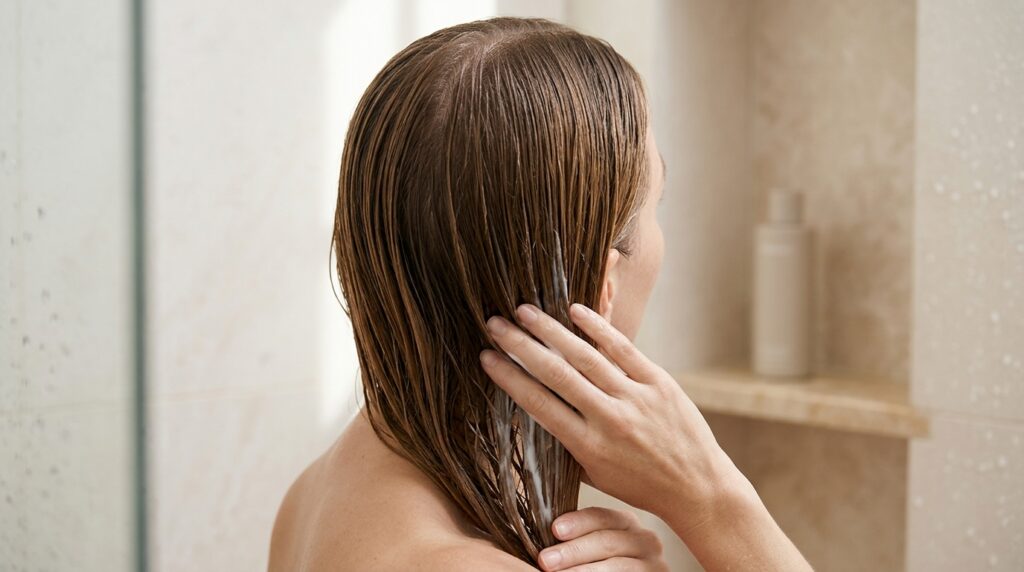
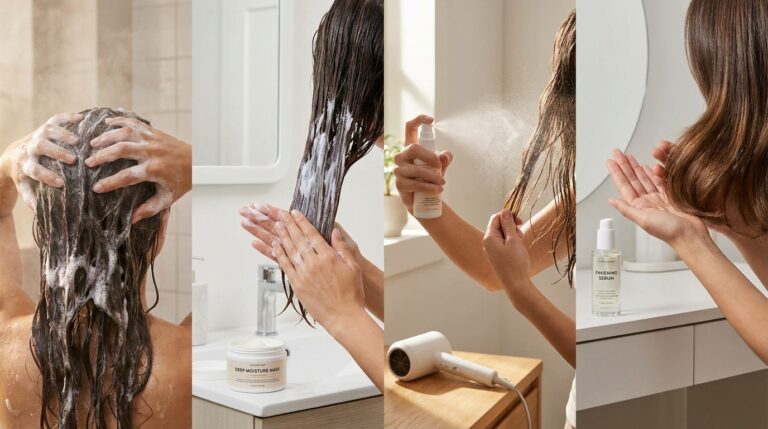
Conditioner is essential for thinning hair but the way it is applied matters as much as the formula chosen. A lightweight conditioner specifically formulated for fine or thinning hair adds the moisture and detangling benefit of conditioning without the weight that thicker conditioners add. Applying conditioner from the mid-lengths to the ends only and keeping it away from the roots prevents the root flattening that heavy conditioning causes on fine thin hair. A leave-in conditioner in a lightweight spray formula adds ongoing moisture and protection without weighing the hair down. Deep conditioning treatments used once a week on the mid-lengths and ends keep the hair hydrated and prevent the breakage that dry thinning hair is prone to.
Scalp Treatments for Thinning Hair

A targeted scalp treatment used consistently is an effective addition to a haircare routine for thinning hair because it addresses the follicle environment directly rather than just the hair shaft. Scalp serums containing peptides, hyaluronic acid, or niacinamide applied to a clean scalp support follicle health and create a better environment for hair growth. A caffeine-based scalp treatment applied before washing stimulates circulation and is one of the most studied topical treatments for hair thinning. A rosemary oil scalp treatment applied overnight and washed out in the morning has significant research support as a natural alternative to minoxidil for promoting hair growth. Consistency is the most important factor because scalp treatments take three to six months of regular use before results become visible.
For additional nourishment and scalp care, explore our guide to the best hair oils and find options that complement your haircare routine.
The Hair Mask for Thinning Hair
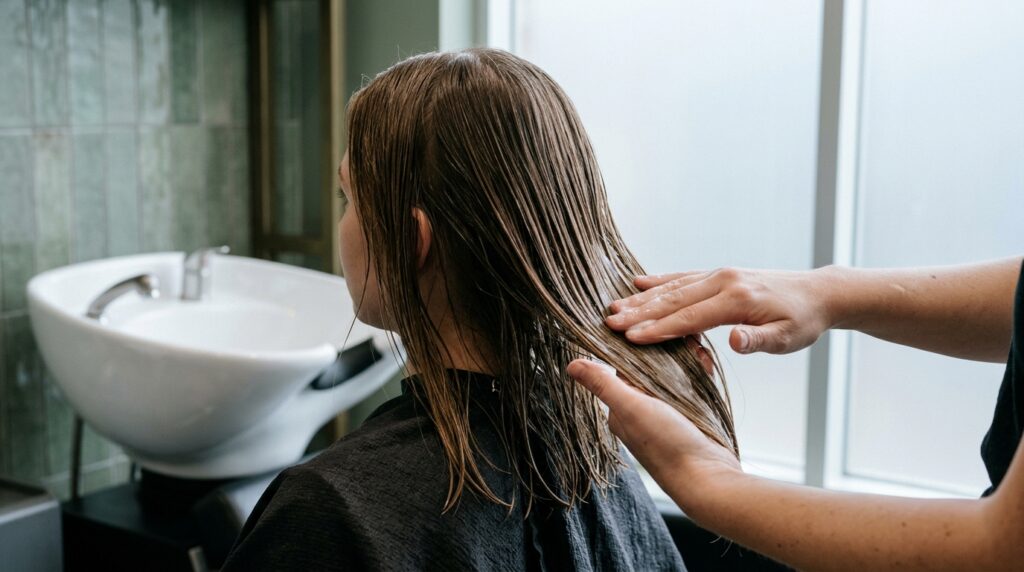
A weekly hair mask applied from the mid-lengths to the ends strengthens and hydrates thinning hair in a way that regular conditioner cannot achieve on its own. A protein-enriched hair mask used once every one to two weeks rebuilds the keratin structure of weakened hair and reduces breakage. A moisture-focused hair mask used weekly on dry or brittle thinning hair restores suppleness and prevents the snapping and shedding that dry hair experiences. The key for thinning hair is applying the mask from the mid-lengths to the ends only and keeping it away from the roots where the added weight would flatten the hair against the scalp.
Drying Thinning Hair Correctly
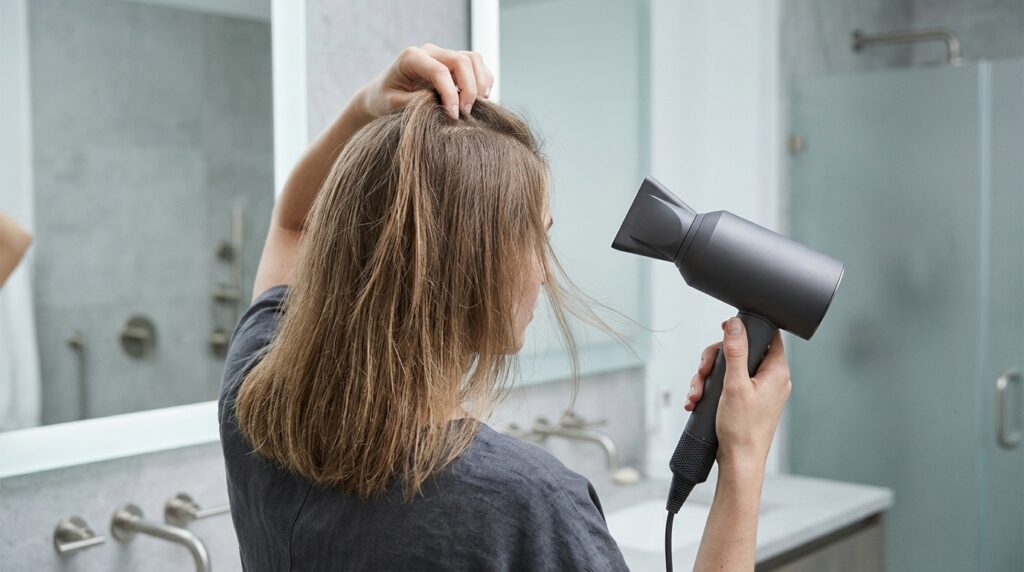
The way thinning hair is dried after washing is an impactful but least discussed aspects of a thinning hair routine because wet hair is significantly more fragile than dry hair. Rubbing the hair with a towel creates friction that breaks weakened thinning hair at the shaft. Squeezing the hair gently with a microfiber towel or a soft cotton t-shirt instead removes excess water without the friction damage. Allowing the hair to air dry partially before using a blow-dryer reduces the total heat exposure. When using a blow-dryer, a low or medium heat setting directed from roots to ends in the direction of the hair shaft causes significantly less damage than high heat used without direction.
Blow-Drying for Volume in Thinning Hair
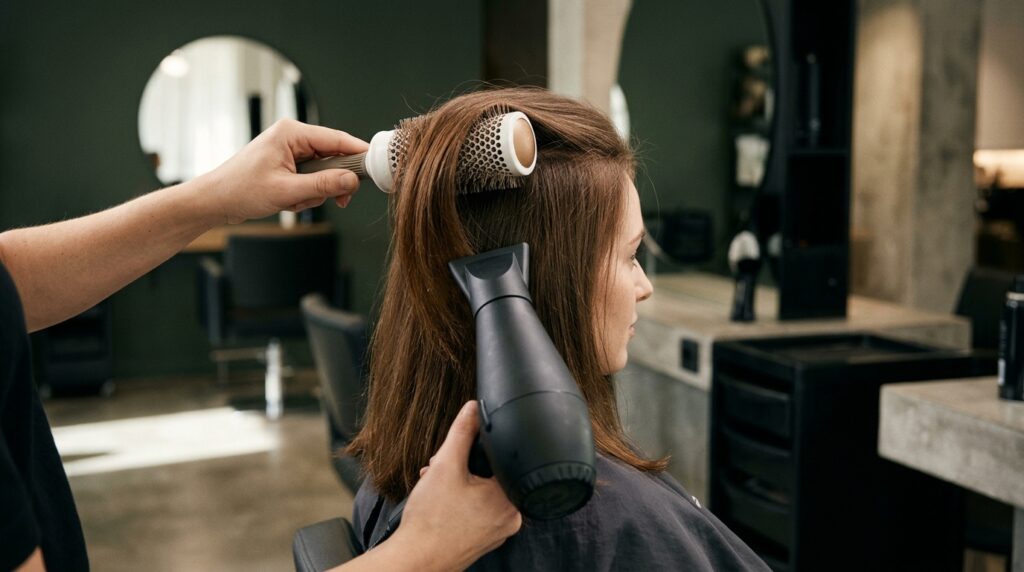
A blow-dry technique specifically designed to create volume is one of the most effective ways to make thinning hair look fuller during styling. Using a round brush to lift sections at the root while blow-drying creates lasting volume that air-drying never achieves. Directing the blow-dryer nozzle upward at the roots rather than downward enhances the lifting effect. A volumizing mousse applied to damp roots before blow-drying is the single most impactful product for adding apparent thickness to thinning hair during the styling process. Finishing with a blast of cool air sets the volume in place and extends how long it lasts.
Styling Products for Thinning Hair

Choosing styling products specifically for thinning hair prevents the common mistake of using products that add visible weight and flatten rather than lift. A volumizing mousse applied to damp roots is the most effective product for thinning hair. A texturizing spray adds grip and body without weight. A light hold hairspray applied after styling sets the style without making the hair feel stiff or heavy. Dry shampoo applied to the roots before styling on second-day hair adds the texture and grip that thinning hair needs to hold a style. Avoiding thick creams, heavy oils, and wax-based products at the roots prevents the flattening that makes thinning hair look worse rather than better.
Heat Styling and Thinning Hair
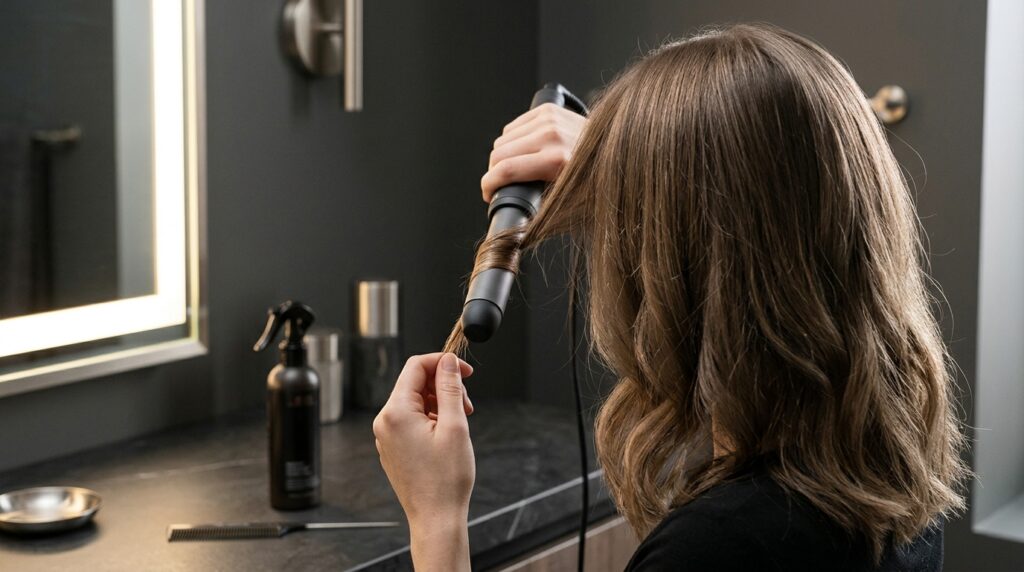
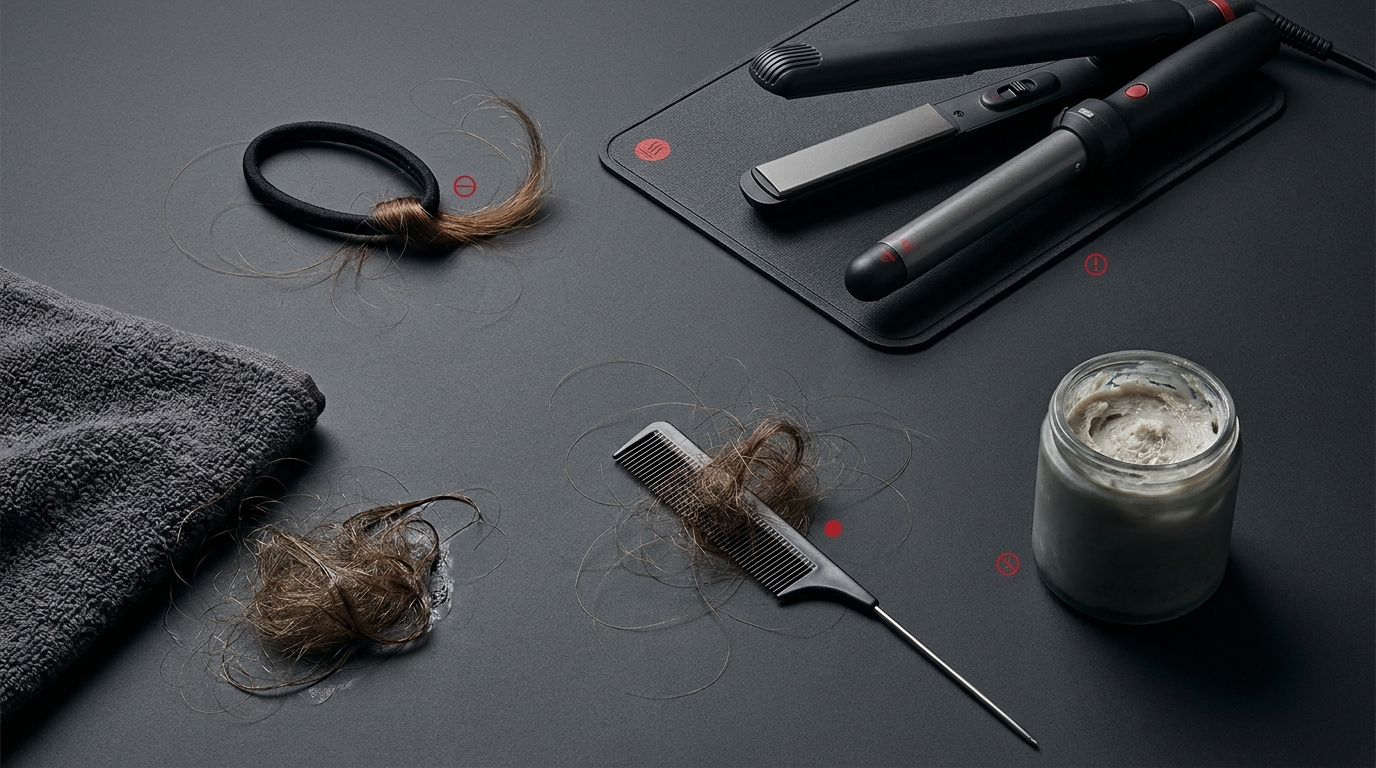
Heat styling with flat irons and curling wands causes structural damage to the hair shaft over time and thinning hair is more vulnerable to this damage than thicker hair. Reducing the frequency of heat styling and using the lowest effective temperature setting are the two most impactful changes. A heat protectant applied to every section of the hair before any heat tool is used is non-negotiable for thinning hair. Air-drying wherever possible and reserving heat styling for occasions where the look is specifically required is the most protective approach. When heat styling is used, keeping each section moving rather than holding it in one place for extended periods significantly reduces damage.
Protecting Thinning Hair From Breakage
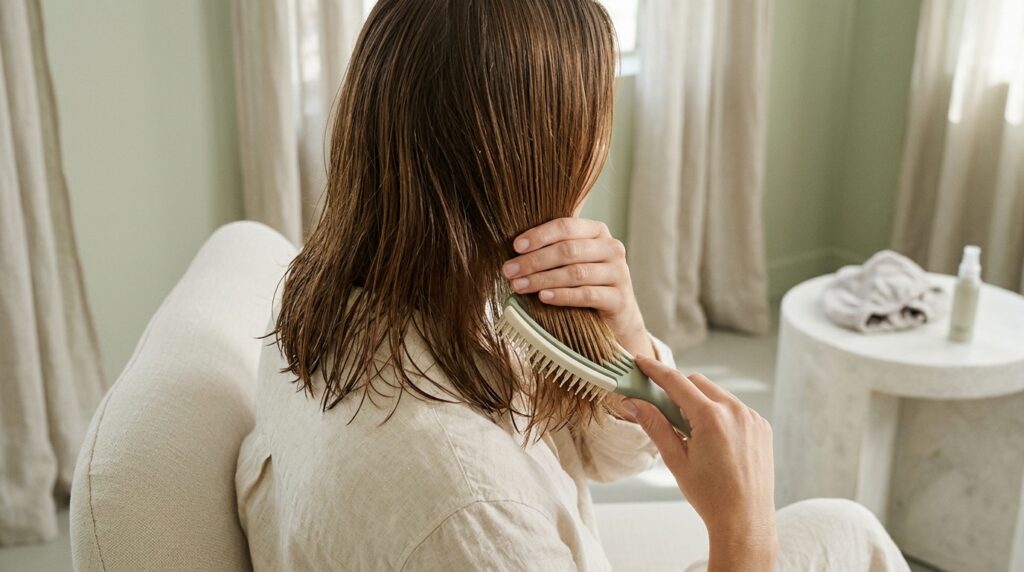
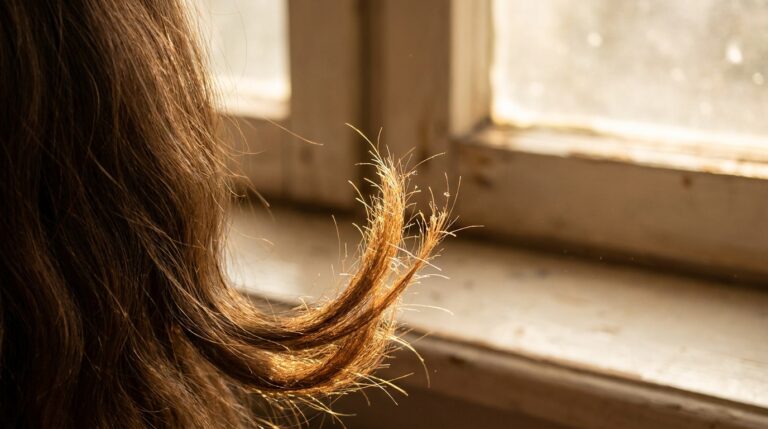
Breakage is among the significant contributors to the appearance of thinning hair and many of the practices that cause breakage are easy to change once identified. Tight hairstyles including high ponytails, very tight buns, and tight braids put sustained tension on the hair follicles at the hairline and can cause a type of traction-related hair loss over time. Wearing hair in these styles occasionally is fine but wearing them daily creates cumulative stress. Fabric hair ties that crease and break the hair shaft are worth replacing with spiral or satin-covered elastics. Sleeping on a silk or satin pillowcase reduces overnight friction that causes breakage in already-fragile thinning hair.
Nutrition and Thinning Hair

The nutritional environment of the body directly affects the health and growth rate of hair, and nutritional deficiencies are one of the common causes of hair thinning. Iron and ferritin deficiency is one of the leading causes of hair thinning in women and is easily identified through a blood test. Zinc, vitamin D, and biotin deficiencies are also associated with increased hair shedding. Protein is the building block of hair and inadequate protein intake affects the quality and quantity of hair growth. Before adding supplements it is worth having a blood test to identify any specific deficiencies rather than supplementing broadly without knowing what is needed.
Supplements for Thinning Hair

Certain supplements have evidence supporting their benefit for thinning hair and they are worth considering as part of a comprehensive thinning hair routine. A biotin supplement at a dose of 2,500 to 5,000 mcg daily is one of the most widely recommended supplements for hair thinning, although it is effective in people with an actual biotin deficiency. An iron supplement is essential for women identified as iron or ferritin deficient through a blood test. A marine collagen supplement has emerging evidence for supporting hair thickness. An omega-3 fatty acid supplement supports scalp health and reduces the inflammation that can contribute to hair loss. Supplements take three to six months to show visible results in hair growth and thickness.
The Weekly Routine at a Glance
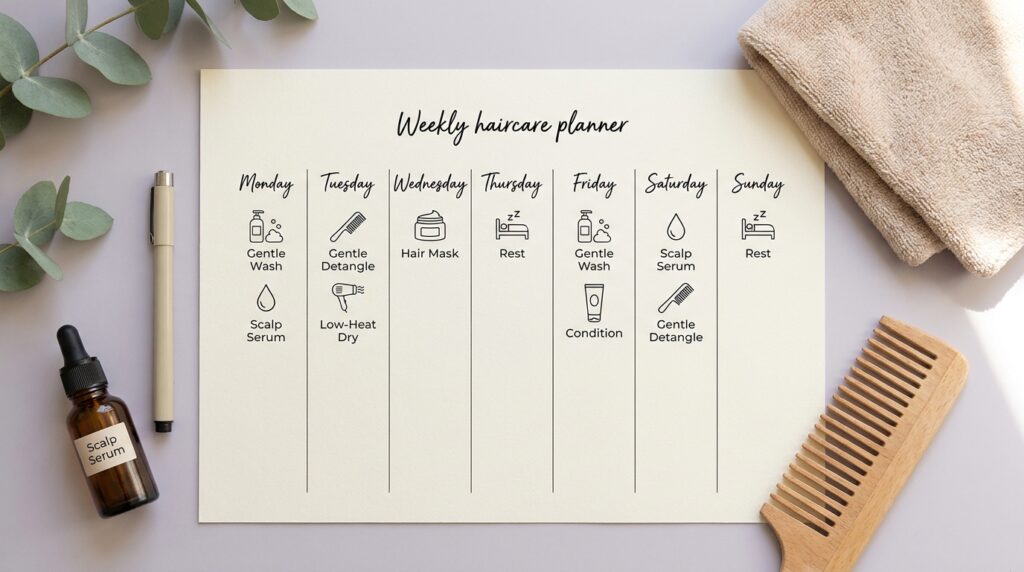
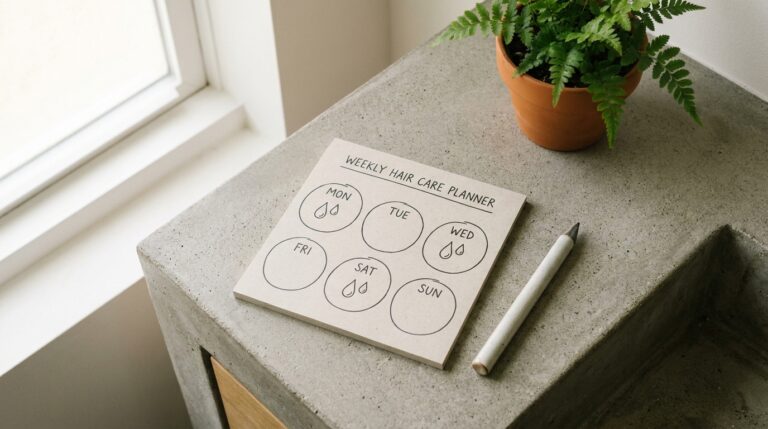
Having a structured weekly routine makes it easier to be consistent with all the steps that thinning hair benefits from without feeling overwhelmed by the number of elements involved. A practical weekly routine for thinning hair looks like this: daily scalp massage of three to five minutes every morning or evening, washing every one to three days depending on scalp type using a volumizing shampoo and lightweight conditioner, a scalp treatment applied on wash days, a hair mask applied from mid-lengths to ends once a week, a volumizing blow-dry technique on styling days, and a styling routine that avoids heavy products at the roots. This framework is flexible enough to adapt to any schedule while covering all the key elements.
The Monthly Routine for Thinning Hair
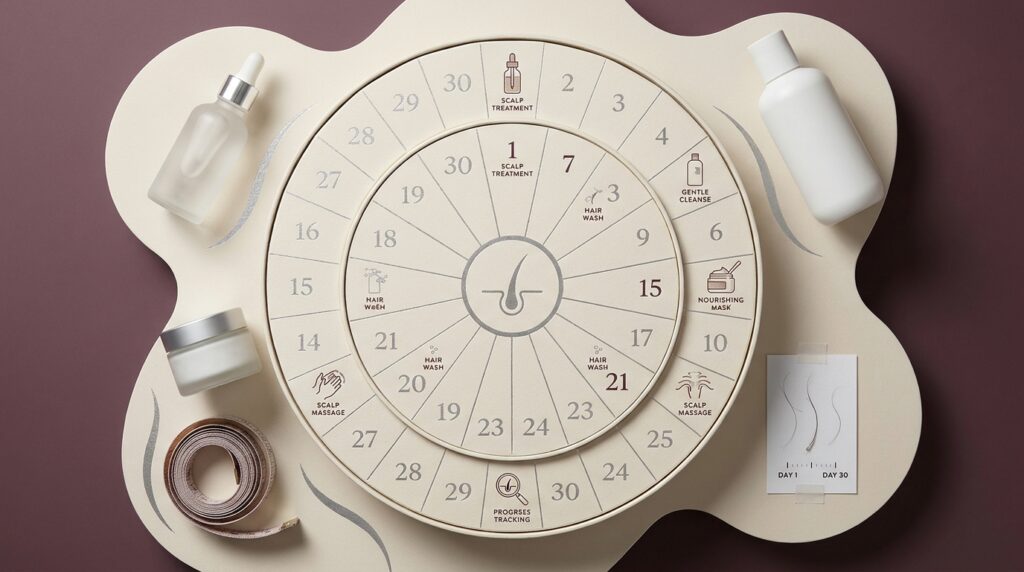
A monthly review and maintenance routine keeps thinning hair looking its best and ensures the routine continues to serve the hair as it changes over time. A professional scalp treatment or scalp analysis at a trichology clinic or advanced hair salon once a month provides professional-level care and identifies any changes in scalp health early. A glossing or conditioning treatment at the salon once a month keeps the hair looking healthy and prevents the dullness that makes thinning hair look more sparse than it actually is. A trim every eight to ten weeks removes the split ends that cause breakage and makes thinning hair look more even and healthy overall.
What to Avoid With Thinning Hair
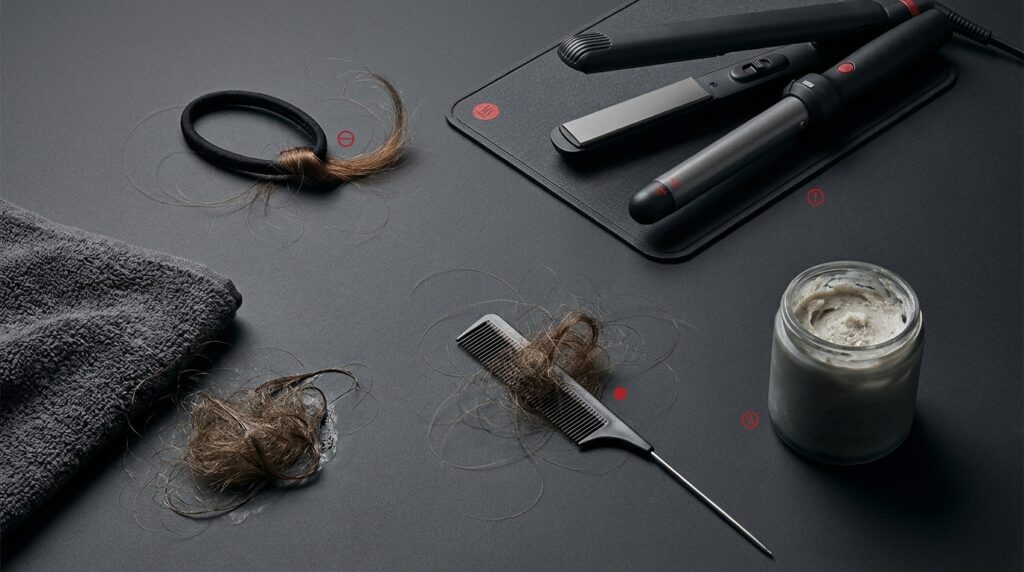
Certain habits and products consistently make thinning hair worse and identifying and eliminating them is as important as adding the right products and practices. Chemical treatments including bleaching, perming, and relaxing cause structural damage to the hair shaft that increases breakage significantly. Thinning hair is more vulnerable to this damage than thicker hair and may not recover as fully. Tight hairstyles worn daily cause traction hair loss at the hairline over time. Heavy oil-based products applied to the roots flatten the hair and clog follicles. Excessive brushing of wet thinning hair causes breakage because wet hair is at its most fragile. Avoiding or minimizing all of these consistently makes a visible difference to the appearance and health of thinning hair.
Lifestyle Factors That Affect Thinning Hair

Haircare products and routines address the external environment of the hair but lifestyle factors affecting the internal environment are equally important for thinning hair. Chronic stress is one of the most significant contributors to hair thinning because sustained high cortisol levels disrupt the normal hair growth cycle and push follicles into the resting phase prematurely. Managing stress through exercise, sleep, and stress-reduction practices is genuinely relevant to hair health rather than just general wellbeing. Sleep is when the body repairs and regenerates, including the follicles, and consistently poor sleep affects hair growth over time. Hydration keeps the scalp environment healthy and affects how hair grows. All of these lifestyle factors interact with the topical haircare routine to produce the overall result.
The Consistency Principle

The single most important aspect of any haircare routine for thinning hair is consistency rather than perfection. A basic routine performed consistently every day and week produces better results than an elaborate routine followed intermittently. Scalp massages, the right shampoo and conditioner, a scalp treatment, and a volumizing styling approach applied consistently over three to six months create visible improvement in most cases of thinning hair. Setting realistic timelines is equally important i.e. hair grows approximately half an inch per month, which means results from any routine change take months rather than weeks to be visible. Patience and consistency together are the most powerful tools in a thinning hair routine.
Frequently Asked Questions
What is the best shampoo for thinning hair? A sulfate-free volumizing or thickening shampoo specifically formulated for fine or thinning hair is the best starting point. Look for formulas containing biotin, caffeine, niacinamide, or keratin. Avoid heavy, moisturizing shampoos designed for thick or coarse hair.
Does scalp massage really help thinning hair?
Yes. Research has shown that consistent scalp massage of three to five minutes daily increases hair thickness over time by stimulating blood flow to the follicles. It is one of the most accessible and well-evidenced thinning hair interventions available.
How long does it take to see results from a thinning hair routine?
Most thinning hair routine changes take three to six months to produce visible results because hair grows slowly and the follicle cycle takes time to respond to changes in scalp environment and nutrition. Consistency during this period is essential.
Should I avoid washing thinning hair every day?
It depends on scalp type. An oily scalp benefits from frequent washing. A dry scalp benefits from less frequent washing. The key is choosing the right shampoo for your scalp type and washing gently to minimize mechanical breakage regardless of frequency.
What ingredients should I look for in products for thinning hair?
Biotin, caffeine, niacinamide, peptides, keratin, and rosemary oil are among the most well-supported ingredients for thinning hair. In styling products, look for volumizing and thickening formulas and avoid anything with heavy oils or silicones at the roots.
When should I see a doctor about hair thinning?
If hair thinning is sudden, significant, or accompanied by other symptoms like fatigue or skin changes, see a dermatologist or trichologist. A blood test to check iron, ferritin, thyroid function, and vitamin levels is a useful first step in identifying a reversible caus