The Best Hair Oils and How to Use Them
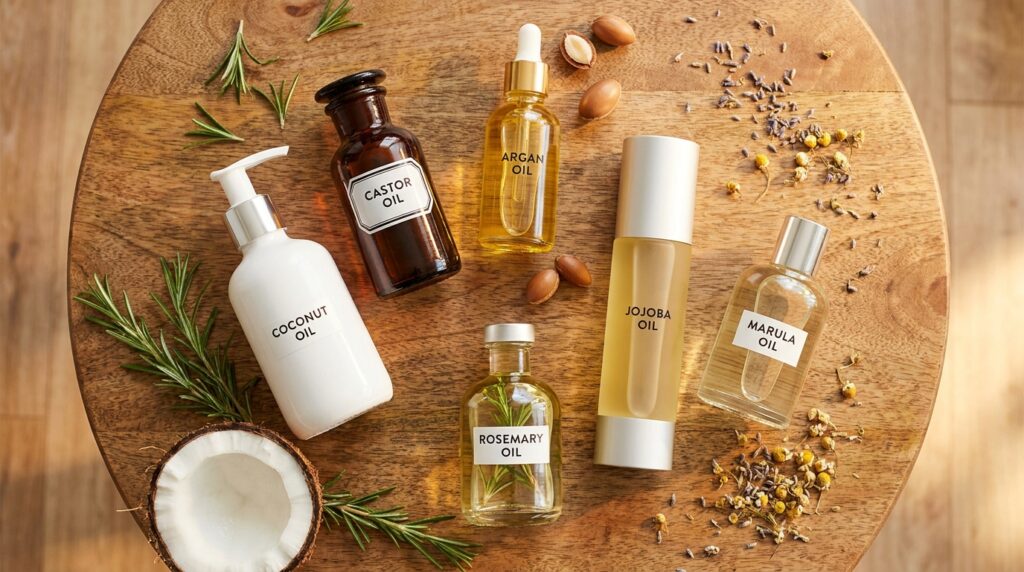
Hair oils have become one of the most talked-about categories in haircare, and with good reason. A well-chosen oil used correctly can transform the condition of the hair, adding shine, reducing frizz, sealing in moisture, and protecting against the daily damage that styling and environmental exposure cause. The problem is that the market is now so saturated with hair oils, each one claiming to be the best, that knowing which one actually suits your hair and how to use it properly has become genuinely confusing.
The other issue is that hair oils are one of the most misused products in haircare. People apply them to the wrong part of the hair, at the wrong time, in the wrong amount, and then wonder why their hair looks greasy rather than glossy, or why nothing seems to change despite using the oil consistently. Understanding what different oils actually do, which ones suit which hair types, and how to apply them correctly makes an enormous difference to the results you get.
This guide covers the most popular and most effective hair oils, what each one is best for, how to use them in your routine, and the most common mistakes to avoid so you can get genuine results from whichever oil you choose.
Why Hair Oils Work
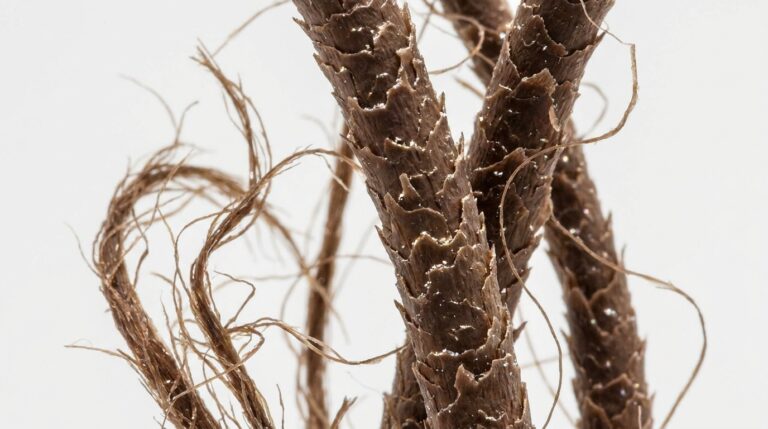
Understanding what hair oils actually do at a structural level helps you choose and use them more effectively. Hair oils don’t moisturize the hair in the same way that water-based products do. They don’t add moisture themselves. Instead, they work by coating the hair shaft with a protective layer that seals in the moisture already present in the hair, reduces the friction that causes damage and frizz, and adds a surface shine that reflects light and reads as healthy, glossy hair.
Some oils are able to penetrate the hair shaft rather than just sitting on the surface, which gives them an additional benefit beyond surface protection. Coconut oil is the most studied example of a penetrating oil, and research has shown that its molecular structure is small enough to enter the hair cortex and provide internal reinforcement of the hair fiber. Most other oils sit primarily on the surface of the hair, which is still genuinely beneficial but works differently than a penetrating oil.
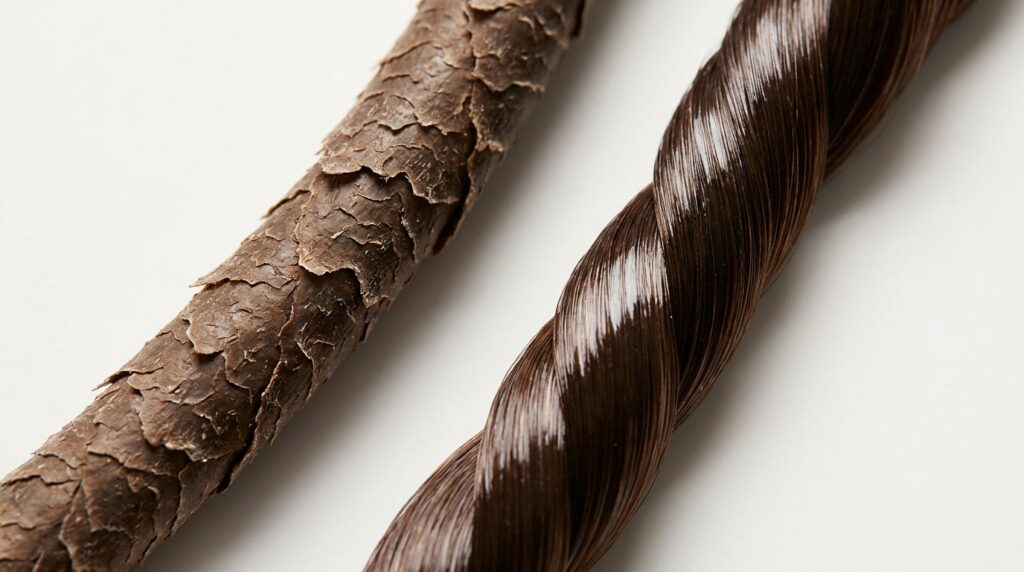
The relationship between hair oils and moisture is important to understand because it explains why oils should almost always be applied over a moisturizing product rather than instead of one. Oil applied to dry, moisture-depleted hair seals in the dryness rather than addressing it. Oil applied over a leave-in conditioner or moisturizer seals in the moisture that product just added, which is the intended function. This is the most common misunderstanding about how to use hair oils and fixing it alone can transform the results people get from the same products.
Argan Oil
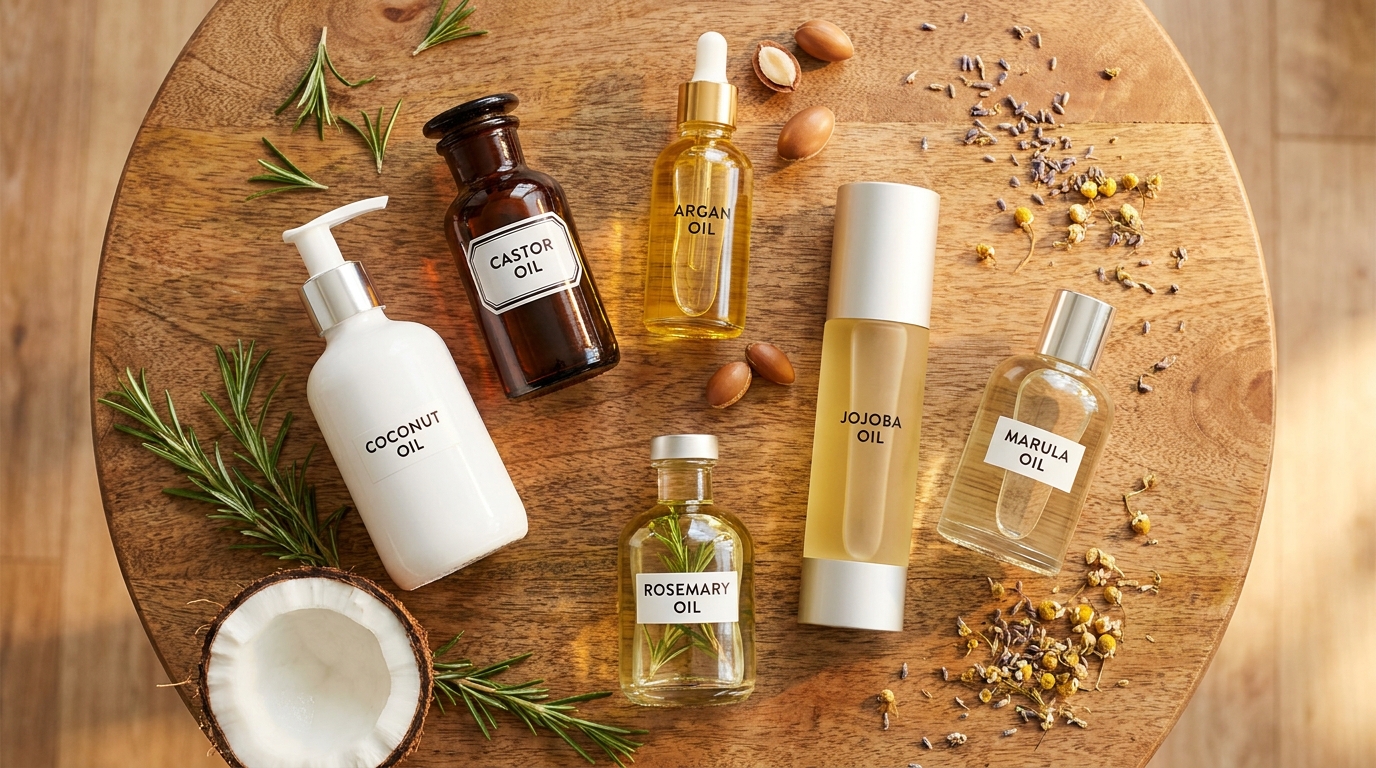
Argan oil is probably the most widely known and most widely used hair oil, and it has earned its popularity through genuine performance rather than just clever marketing. Extracted from the kernels of the argan tree native to Morocco, argan oil is rich in vitamin E, fatty acids, and antioxidants that give it a broad range of benefits for the hair. It’s one of the most studied hair oils and the results consistently support its reputation.
Argan oil’s primary strengths are shine, frizz reduction, and heat protection. It has a lightweight texture that sits on the hair surface rather than feeling heavy or greasy, which makes it one of the most versatile oils for a wide range of hair types. Applied as a finishing product to dry or damp hair, it adds a beautiful glossy shine that reads as healthy and well-conditioned. Applied before heat styling, it provides some protection against heat damage while adding slip that makes the hair easier to style.
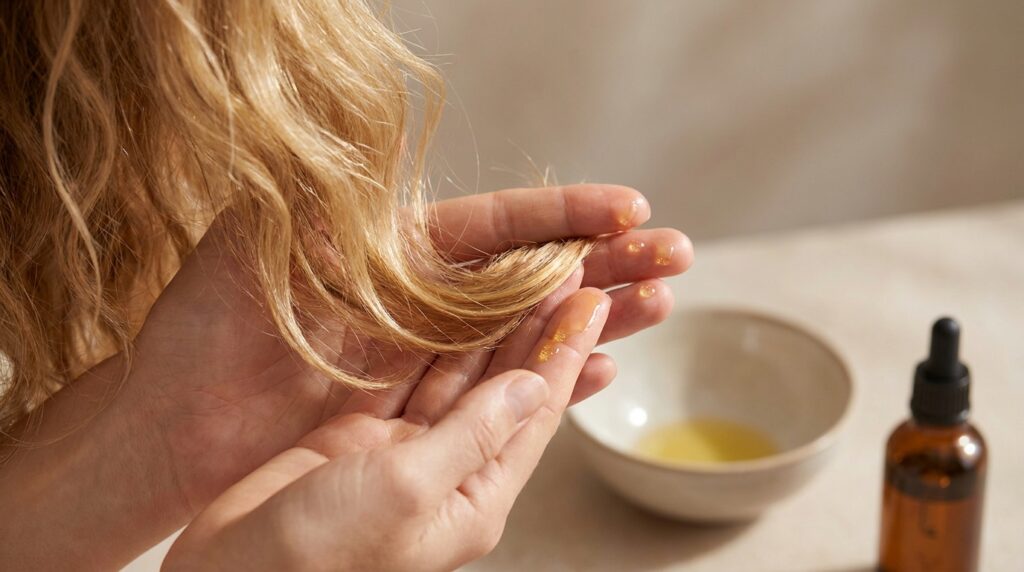
Argan oil is particularly well-suited to fine and medium hair types that need the benefits of an oil without the heaviness that richer oils can bring. A few drops warmed between the palms and smoothed over the mid-lengths and ends is typically all fine hair needs to see a significant improvement in shine and manageability without any greasiness. It’s often the first oil recommended to people who have avoided oils because of concerns about weighing their hair down.
For thicker, coarser, or very dry hair types, argan oil can still be useful but may need to be layered with richer oils or used in combination with a heavier butter or cream to provide the level of moisture-sealing the hair needs. It’s a great all-rounder but not always the most powerful option for very dry or textured hair that needs deeper conditioning than a lightweight surface oil can provide.
Coconut Oil
Coconut oil is unique among hair oils because of its ability to penetrate the hair shaft rather than just sitting on the surface, which gives it benefits that other oils can’t replicate. Studies have shown that coconut oil reduces protein loss in both damaged and undamaged hair, which is a function of its ability to enter the hair fiber and provide internal support rather than just external coating.
Coconut oil works best as a pre-wash treatment applied to dry hair before shampooing, where its penetrating properties can reduce the protein loss that shampooing causes. Applied to dry hair thirty minutes to several hours before washing and then shampooed out, it provides genuine conditioning benefits that improve the hair’s strength and resilience over time. This is different from how most people use coconut oil, which is as a leave-in product on dry hair where it tends to either feel greasy or sit on top without penetrating.
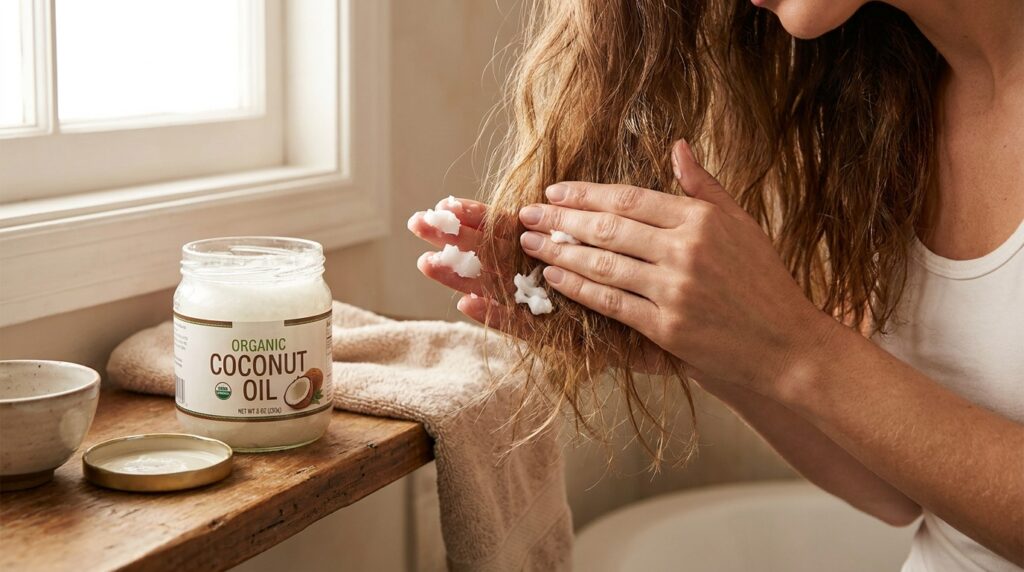
For some hair types, coconut oil as a leave-in can cause protein overload when used too frequently, since its protein-reducing properties mean it’s essentially reinforcing the hair’s protein structure with each application. Hair that already has good protein levels and primarily needs moisture can feel stiff and brittle with regular coconut oil use. If your hair feels harder rather than softer after regular coconut oil use, this is the most likely explanation.
Coconut oil is particularly beneficial for hair that is prone to breakage, has been chemically processed, or is very dry since its penetrating properties address the hair from within rather than just coating the surface. It’s less appropriate for hair that is already high in protein or that tends toward stiffness.
Castor Oil
Castor oil is one of the thickest and most viscous hair oils available, which makes it both highly effective for certain purposes and completely wrong for others. Its density means it has exceptional staying power on the hair shaft and provides a very strong moisture-sealing effect, but it also means it can feel heavy and difficult to distribute evenly if used incorrectly.
Castor oil is most often used for scalp treatments and hair growth and has a devoted following for this purpose despite the research evidence being thinner than for some other growth-focused ingredients. What castor oil does genuinely well is provide a thick, protective coating to the scalp and hair that reduces moisture loss and protects against environmental damage. Whether this directly stimulates growth is debated, but the improved scalp environment it creates is genuinely beneficial.
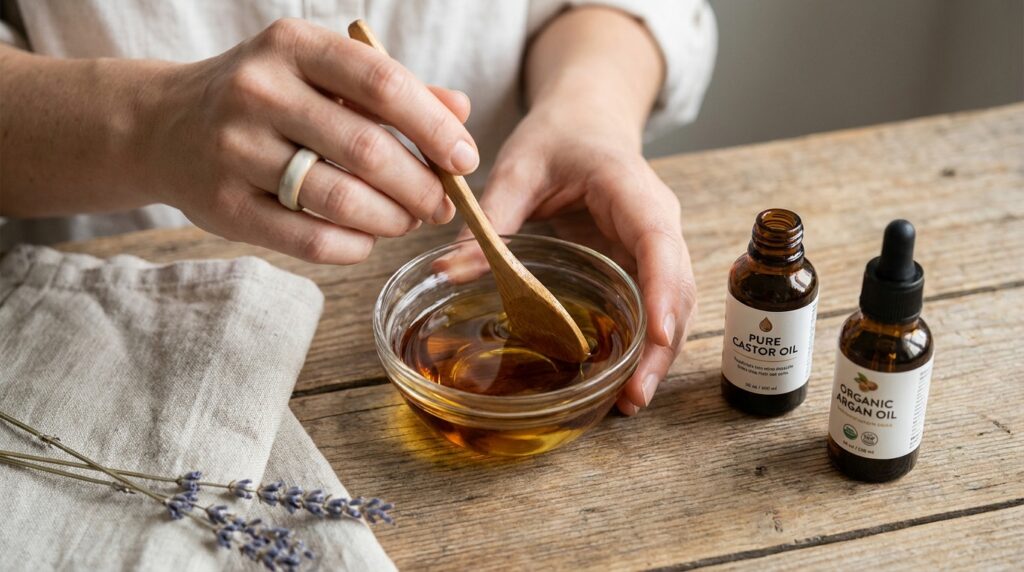
Mixed with a lighter carrier oil like argan or jojoba oil is the most practical and effective way to use castor oil on the hair lengths. Castor oil alone is too thick to distribute evenly or to rinse out easily, but blended with a lighter oil it becomes more workable while retaining its sealing and protective properties. A ratio of one part castor oil to two or three parts lighter oil produces a blend that works well for most hair types.
Castor oil works particularly well for very thick, coarse, or dry hair that needs the strongest possible moisture-sealing effect, and for scalp treatments where its thickness and staying power are assets rather than drawbacks.
Jojoba Oil
Jojoba oil is technically a liquid wax rather than a true oil, which gives it properties that make it uniquely suited to haircare. Its molecular structure closely resembles the sebum that the scalp naturally produces, which means it works harmoniously with the hair and scalp’s natural chemistry rather than feeling like a foreign substance on top of it.
One of jojoba oil’s most distinctive qualities is its non-comedogenic nature, meaning it doesn’t clog pores or follicles. This makes it one of the safest oils to use near the scalp, since applying many other oils directly to the scalp can potentially clog follicles and interfere with healthy hair growth. Jojoba’s similarity to natural sebum means the scalp recognizes and processes it effectively rather than treating it as buildup.
Jojoba oil is an excellent balancing oil for scalp care for this reason. Applied directly to the scalp, it can help regulate the scalp’s own oil production, providing moisture where the scalp is dry and potentially helping to normalize oiliness where the scalp overproduces sebum. This balancing effect is one of the properties that sets it apart from most other hair oils which are better suited to the lengths than the scalp.
For the hair lengths, jojoba oil has a medium weight that works well for medium hair types and can be blended with lighter oils for fine hair or heavier oils for very thick or coarse hair. It adds shine and softness without the heaviness of castor oil or the very light, almost silky quality of argan oil.
Rosemary Oil
Rosemary oil has earned significant attention in recent years as a hair growth ingredient, and unlike many hair growth claims, there is genuine research to support it. A 2015 study comparing rosemary oil to minoxidil, which is the most clinically proven topical hair growth treatment available, found comparable results over a six-month period. This is a meaningful finding that has brought rosemary oil into mainstream haircare conversations.
Rosemary oil works by improving scalp circulation, which increases blood flow to the hair follicles and improves the delivery of nutrients that follicles need to produce healthy hair. It also has anti-inflammatory properties that may benefit the scalp environment more broadly, creating better conditions for hair growth.
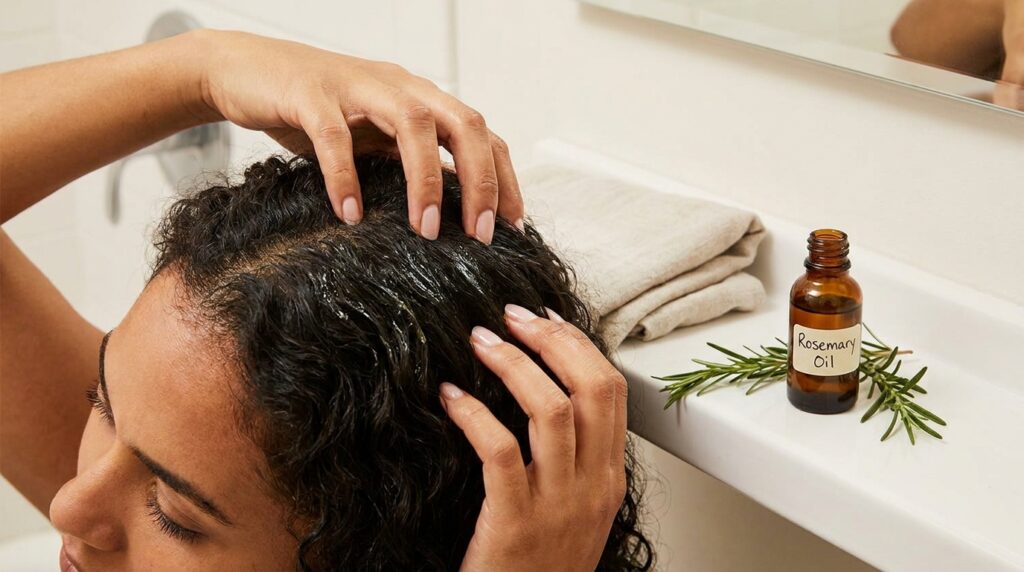
Rosemary oil should be diluted before scalp application since it’s an essential oil that is too concentrated to use directly on the scalp without causing irritation. Diluting it in a carrier oil like jojoba or argan at a ratio of approximately five drops of rosemary oil per tablespoon of carrier oil produces an appropriate concentration for scalp use. Apply directly to the scalp, massage in gently, and leave on for at least thirty minutes or overnight before washing out.
Rosemary oil is not a styling oil in the way that argan or jojoba are. Its benefits are specifically for the scalp and hair growth rather than for shine, frizz control, or surface conditioning. Using it as part of a scalp treatment routine rather than as a finishing product is the appropriate application.
Marula Oil
Marula oil is a lightweight oil extracted from the kernels of the marula fruit, native to southern Africa, and has become increasingly popular in haircare for its high oleic acid content and exceptional absorption speed. It absorbs into the hair almost immediately rather than sitting on the surface, which gives it a non-greasy feel that many hair oils lack.
Marula oil’s fast absorption makes it particularly well-suited to fine hair that needs the conditioning benefits of an oil without any heaviness or residue. A small amount applied to the ends of fine hair disappears almost immediately and leaves the hair feeling softer and more manageable without any detectable weight or greasiness. This is one of the main reasons it has found such a devoted following among people with fine hair who have historically avoided oils because of the heaviness issue.
For thicker hair types, marula oil works beautifully as a primer before styling or as a lightweight finishing oil over heavier products. Its fast absorption means it doesn’t interfere with the hold of styling products applied afterward, which makes it more versatile in a styling routine than slower-absorbing oils.
How to Use Hair Oils Correctly
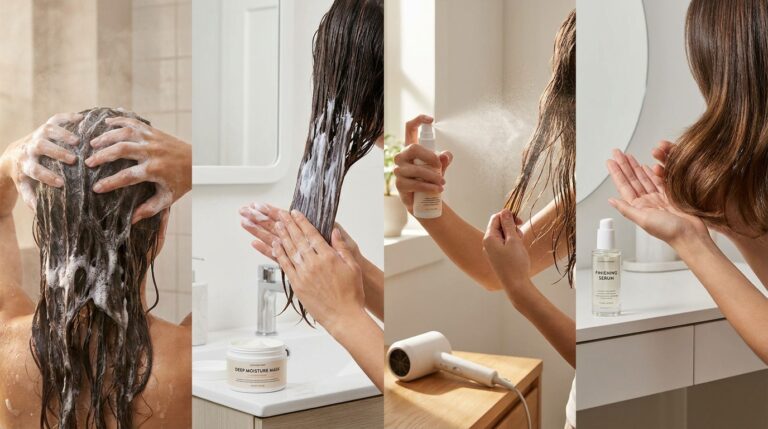
The most important principle for using hair oils effectively is applying them at the right point in your routine and to the right part of the hair. Most oils belong at the end of a routine, after water-based moisturizing products, rather than as a standalone treatment on dry, unmoistened hair. This single change in timing is what most often transforms disappointing results into genuinely good ones.
For a wash day routine, apply oil as the last step after leave-in conditioner and any other styling products, focused on the mid-lengths and ends rather than the roots or scalp. This seals in all the moisture and product applied earlier and protects the ends throughout the styling and drying process. The oil acts as a final seal over everything underneath it, which is exactly the function it’s designed to perform.
For a non-wash day routine, a small amount of oil applied to the ends refreshes the hair’s moisture seal and adds shine between washes. This is where oils are most useful as a daily maintenance tool, keeping the ends in good condition between wash days without adding product buildup to the rest of the hair. Even a single drop warmed between the palms and smoothed over the very tips can make a noticeable difference to how the ends look and feel.
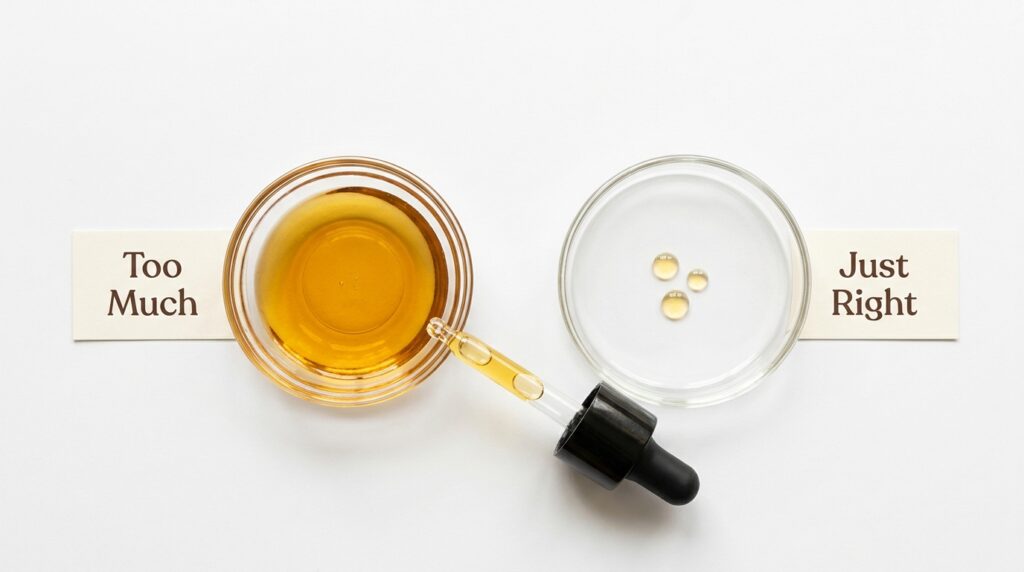
The amount of oil used is critical and less is almost always more. Starting with two to three drops for fine hair and working up from there prevents the greasiness that comes from over-application. Oil that is warmed between the palms before application distributes more evenly and is less likely to create concentrated greasy spots. If the hair looks oily after application, the most likely cause is too much product rather than the wrong product.
Frequently Asked Questions
Can I use hair oil every day?
A small amount applied to the ends daily is fine for most hair types and is actually beneficial for keeping the ends moisturized between wash days. Applying oil to the roots or scalp daily is more likely to cause buildup and should be reserved for specific scalp treatments rather than daily maintenance.
Why does my hair look greasy after using oil?
The most common causes are using too much product, applying it to the roots rather than just the ends, or applying it to dry hair without a moisturizing product underneath. Start with two to three drops, focus on the ends only, and apply over a leave-in conditioner rather than to dry hair on its own.
Should I use oil before or after heat styling?
A lightweight heat-protective oil like argan can be applied before heat styling to add protection and slip. Heavier oils like castor or coconut should be applied after styling or used as a pre-wash treatment rather than before heat tools, since their thickness can cause uneven heat distribution.
Can I mix different hair oils together?
Yes, and blending oils is often the most effective approach. Mixing a penetrating oil like coconut with a sealing oil like argan, or a thick oil like castor with a lighter one like jojoba, combines the benefits of both and produces a more workable texture than either alone. Experimenting with ratios based on your hair’s needs produces the most personalized result.
Is it safe to apply oil directly to the scalp?
It depends on the oil. Jojoba and rosemary diluted in a carrier oil are both appropriate for scalp use. Very heavy oils like castor should be used sparingly and washed out rather than left in overnight. Most styling oils like argan are better suited to the lengths than the scalp, where they can contribute to buildup over time.
How long should I leave oil in my hair before washing?
For a pre-wash oil treatment, thirty minutes is the minimum for most oils to be effective, and leaving overnight produces stronger results particularly for penetrating oils like coconut. For scalp treatments with rosemary oil, at least thirty minutes is recommended. Oils used as leave-in products on the lengths don’t need to be washed out at all.