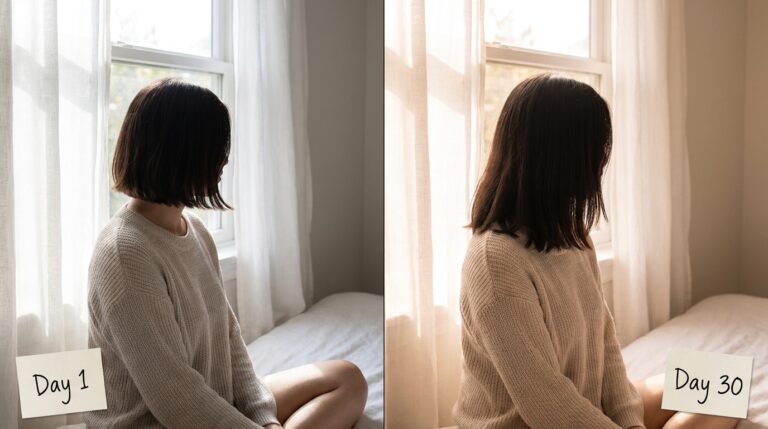
Hair Washing Tips That Will Transform the Condition of Your Hair
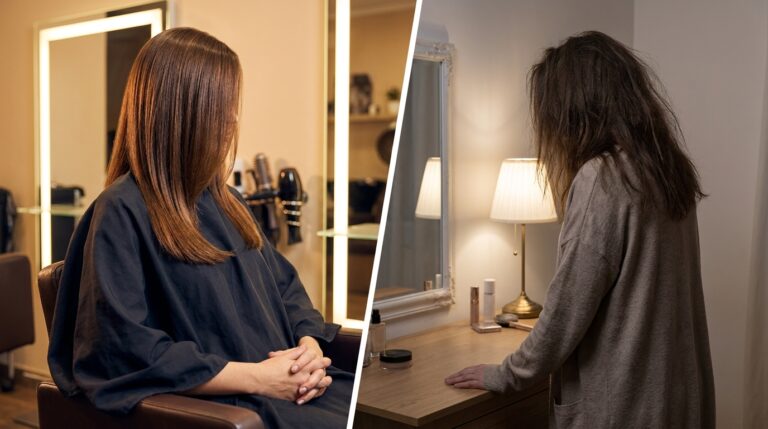
Most people have been washing their hair the same way since they were teenagers, following the same routine they were taught or simply figured out on their own. It works well enough that there’s never been a compelling reason to question it. But the truth is that the way most people wash their hair is contributing to some of the most common hair complaints they have, dryness, frizz, oiliness, breakage, and lack of shine, without them ever making the connection.
Washing your hair correctly is one of the highest-return changes you can make to your hair’s condition because it happens so regularly. Get it right and every wash day becomes an opportunity to improve the hair rather than just clean it. Get it wrong and you’re undoing some of the benefit of every other product and treatment you use. This guide covers the tips that make the most meaningful difference, from how you prepare your hair before washing to how you handle it afterward.
Brush Before You Wash
One of the simplest and most overlooked pre-wash habits is brushing the hair thoroughly before getting it wet. Dry hair detangles significantly more easily than wet hair, and removing knots and tangles before washing means you’re not fighting them with shampoo-coated fingers in the shower, which causes far more breakage than detangling dry hair with a brush.
Brushing before washing also loosens product buildup and debris from the scalp, which gives the shampoo less work to do and improves how evenly it distributes through the hair. Starting at the ends and working upward toward the roots removes knots without snapping the hair. A wide-tooth comb or a paddle brush both work well for this step. It’s a thirty-second habit that makes the rest of the wash significantly easier and gentler on the hair.
Wet Your Hair Thoroughly First
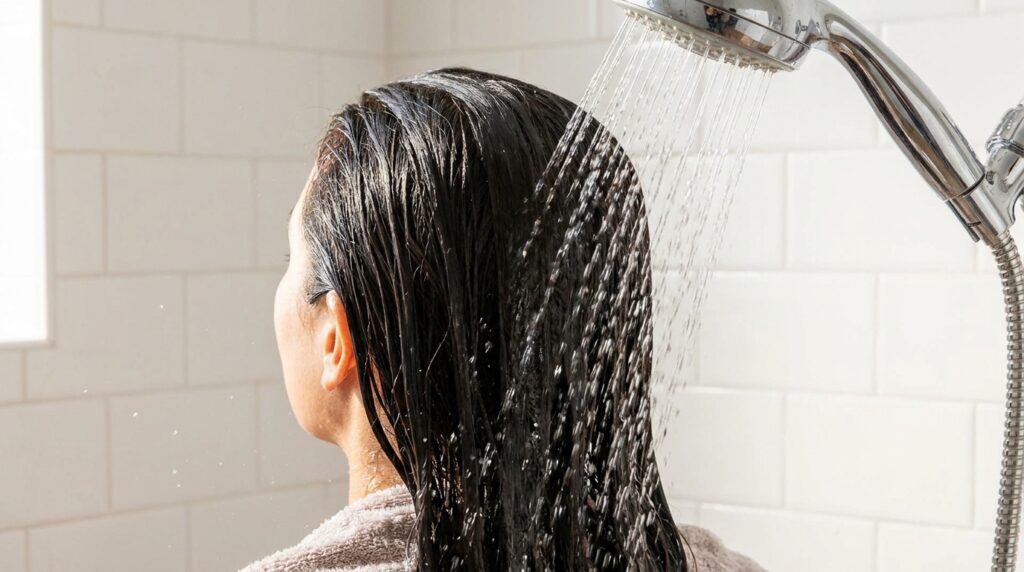
Many people apply shampoo before their hair is properly saturated, which is one of the most common reasons shampoo doesn’t lather properly and doesn’t distribute evenly. Shampoo needs water to activate and create the lather that allows it to move through the hair and cleanse the scalp effectively. Applied to hair that is only partially wet, it concentrates in certain areas and leaves others under-cleansed.
Spend at least thirty seconds thoroughly saturating the hair from roots to ends before reaching for the shampoo. The water should be warm enough to open the cuticle slightly and loosen oil and buildup from the scalp, but not so hot that it strips the hair aggressively. Once the hair is completely soaked through, the shampoo will distribute far more evenly and lather much more effectively. This also means you’ll use less shampoo overall since it spreads more easily through properly wet hair.
Use the Right Shampoo for Your Hair Type
Using the wrong shampoo for your hair type is one of the most common causes of persistent hair problems that don’t respond to anything else. A clarifying shampoo used on already dry hair strips it further. A very moisturizing shampoo used on fine oily hair weighs it down and makes it look greasy almost immediately after washing. Getting this match right makes a noticeable difference to how your hair behaves between washes.
Dry, coarse, or chemically treated hair benefits from sulfate-free, moisturizing shampoos that cleanse without stripping. Fine or oily hair benefits from a lightweight, clarifying formula that removes buildup without adding weight. Normal hair that isn’t particularly dry or oily can handle most standard formulas. If your hair has been behaving differently than it used to, the shampoo is often the first thing worth reconsidering. A shampoo that worked well for your hair two years ago may not be the right choice if your hair’s needs have changed.
Shampoo the Scalp Not the Lengths
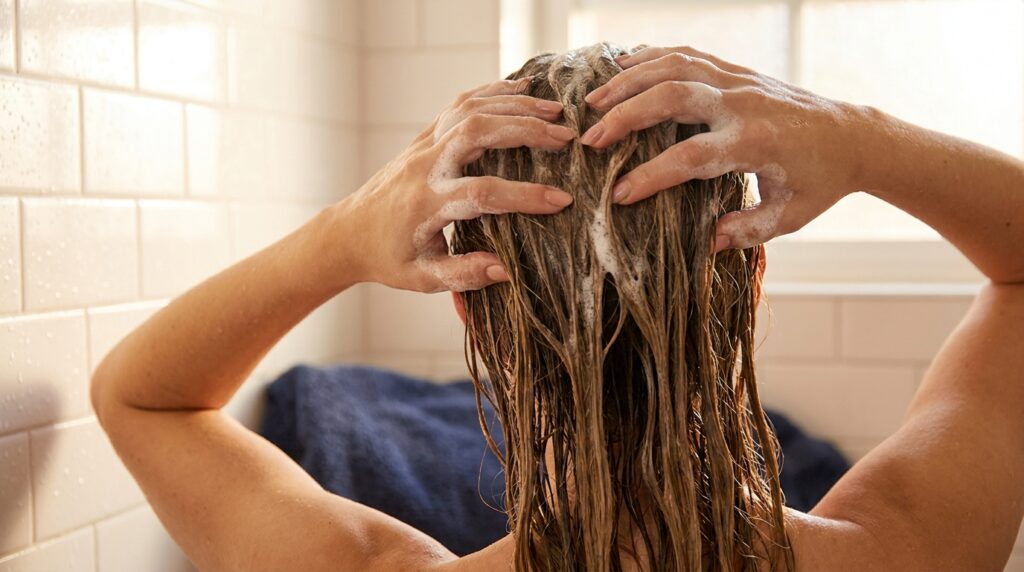
The most important technique change most people can make is understanding that shampoo belongs on the scalp, not the lengths. Shampoo is designed to cleanse the scalp of sebum, sweat, product buildup, and environmental pollutants. The lengths and ends of the hair don’t produce oil and don’t need the same level of detergent contact that the scalp does.
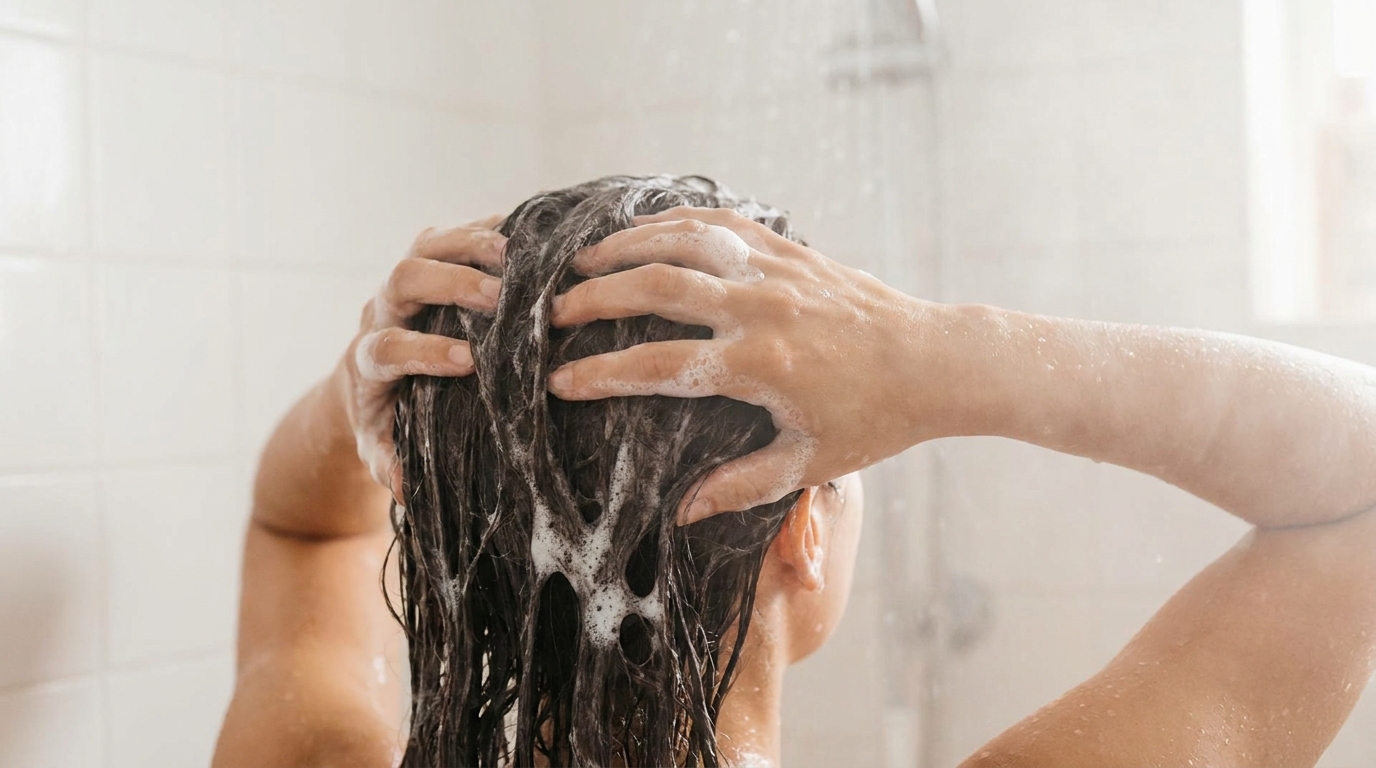
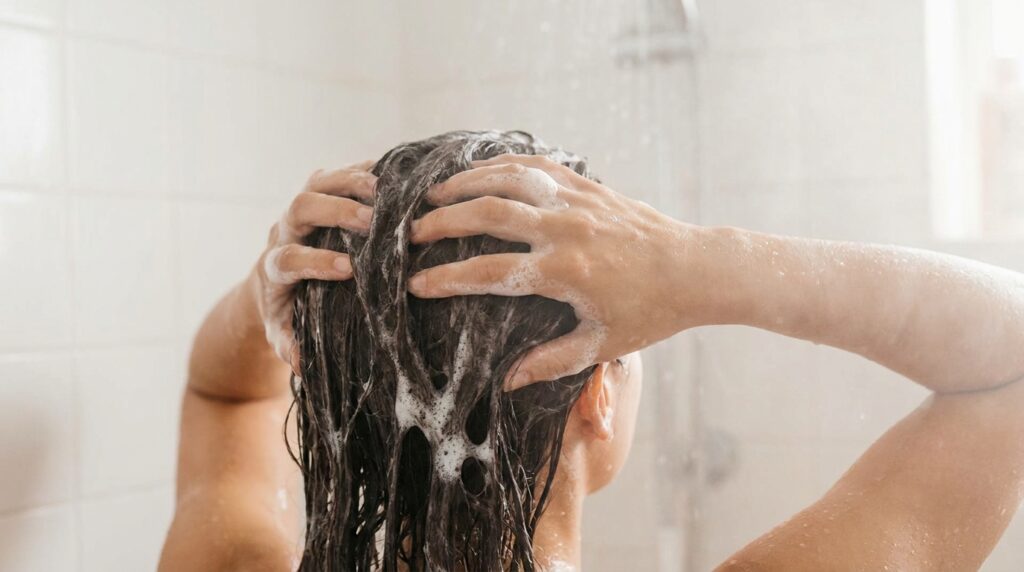
Apply shampoo only to the scalp and roots, working it in with the pads of the fingers using gentle circular movements rather than scrubbing. When you rinse, the shampoo running down through the lengths provides enough cleansing for that part of the hair without the direct application that can strip the ends and cause dryness and breakage over time. This single change alone improves the condition of the lengths significantly within just a few weeks of consistent practice. People who make this change often notice their hair feeling softer and less dry at the ends within the first two or three washes.
Don’t Scrub
The instinct to scrub the scalp vigorously during shampooing is understandable but counterproductive. Aggressive scrubbing with the fingertips or nails creates friction that roughens the hair cuticle, causes tangles, and can actually stimulate more oil production from the scalp over time as the skin responds to the irritation. It also doesn’t cleanse any better than a gentle massage.
Use the pads of the fingers, not the nails, and apply gentle circular pressure rather than back-and-forth scrubbing. Work methodically through the whole scalp rather than concentrating on the most accessible areas, since buildup accumulates equally at the nape, behind the ears, and at the temples, all areas that often get less attention than the top of the head.
Don’t Skip the Second Shampoo
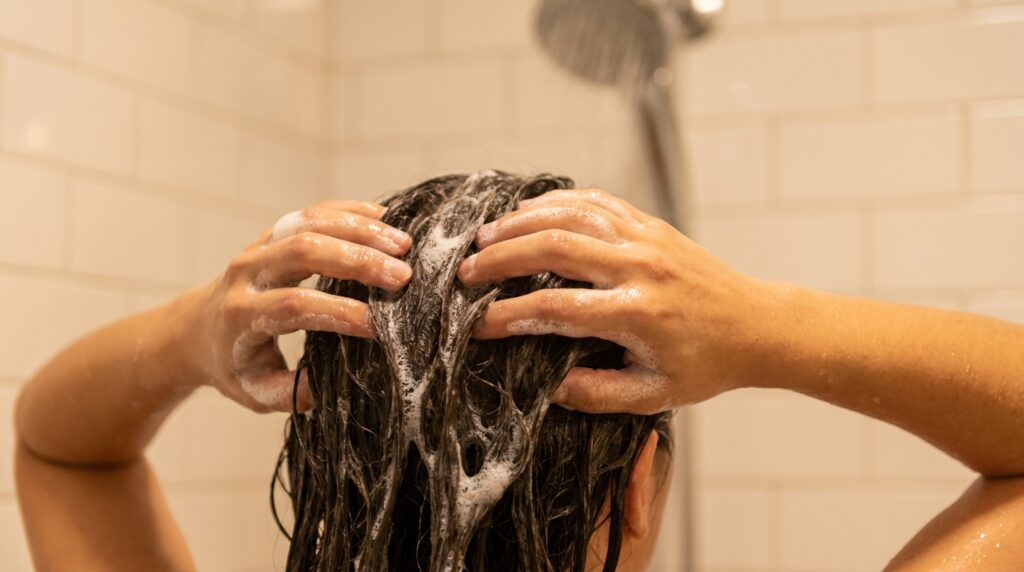
For most people who wash their hair every few days rather than daily, one round of shampoo isn’t enough to properly cleanse the scalp. The first shampoo breaks down and loosens the buildup of oil, product, and environmental residue that has accumulated since the last wash. The second shampoo actually cleanses the scalp once that buildup has been loosened. Skipping the second shampoo means the scalp isn’t as clean as it could be, which contributes to the hair looking flat and lacking volume almost immediately after washing.
The second shampoo also typically lathers much more readily than the first since the scalp is cleaner and the shampoo can work more effectively. Use slightly less product for the second application than the first. If you wash your hair daily, a single shampoo is usually sufficient since there’s less buildup to remove. A clear sign that you need a second shampoo is when the first application produces very little lather, which indicates the shampoo is being absorbed by the buildup rather than cleansing the scalp.
Use the Right Water Temperature
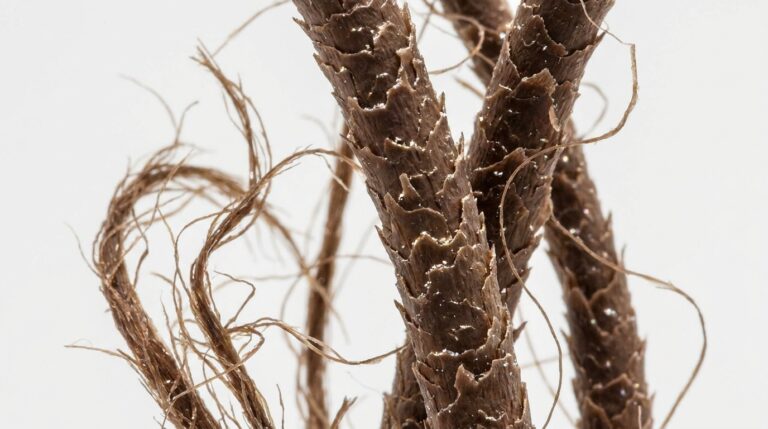
Water temperature affects the condition of the hair far more significantly than most people realize, and most people wash their hair in water that is considerably hotter than their hair benefits from. Hot water opens the hair cuticle aggressively, strips natural oils from both the scalp and the hair shaft, and leaves the cuticle in a raised, open position that increases frizz and dullness.
Warm water is the right temperature for the shampoo phase since it opens the cuticle enough to allow cleansing but doesn’t strip the hair as aggressively as very hot water. The most impactful temperature change, however, is finishing the conditioning phase with a cool or cold water rinse. Cool water closes the cuticle, seals in the moisture the conditioner just added, and produces a noticeably smoother and shinier result than rinsing with warm water. Even thirty seconds of cooler water at the end of the rinse makes a visible difference. If a full cold rinse feels too uncomfortable, gradually reducing the temperature over the last minute of the shower makes the habit easier to maintain.
Condition the Right Way
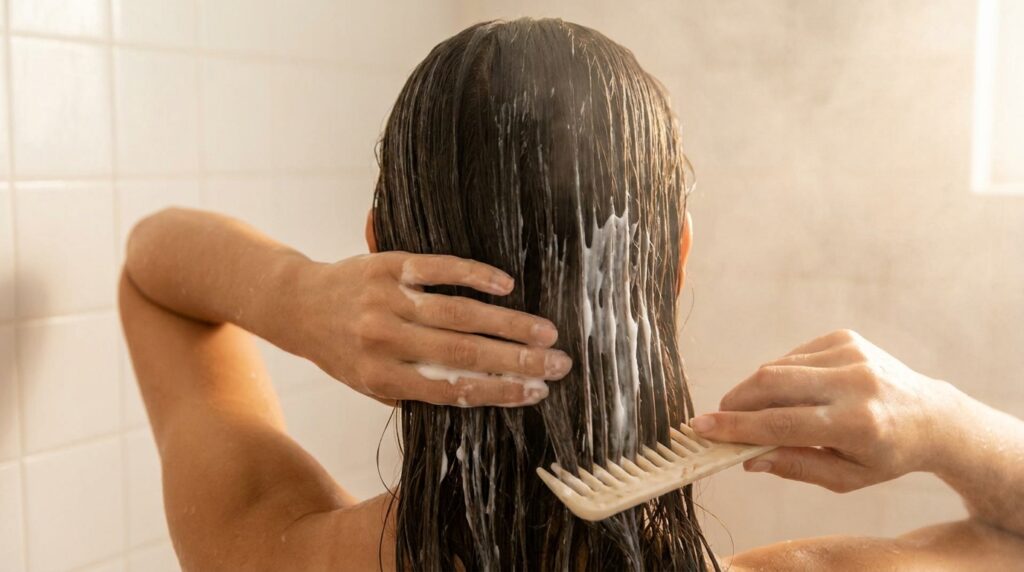
Conditioner applied incorrectly provides a fraction of the benefit of conditioner applied correctly, and most people apply it incorrectly. The most common mistake is applying conditioner to the roots and scalp, which adds unnecessary weight and can contribute to oiliness. Conditioner belongs on the mid-lengths and ends, the parts of the hair that are furthest from the scalp’s natural oil production and most in need of the moisture conditioner provides.
Apply conditioner generously from mid-length to the ends and use a wide-tooth comb to distribute it evenly through every strand rather than just the surface layer. Leave it on for at least two to three minutes before rinsing, rather than washing it out immediately. The conditioner needs time to penetrate the hair shaft and do its job, and rinsing it out within thirty seconds of applying it means most of that benefit is lost down the drain. For very dry or damaged hair, leaving conditioner on for five minutes produces an even better result.
Don’t Overwash or Underwash
Washing frequency is one of the most individual aspects of hair care and one that significantly affects hair condition when it’s wrong in either direction. Overwashing strips the scalp’s natural oils faster than they can be replaced, leaving both the scalp and the hair dry, irritated, and prone to increased oil production as the scalp tries to compensate. Underwashing allows product buildup, excess sebum, and environmental pollutants to accumulate on the scalp, which can clog follicles and affect both scalp health and hair quality.
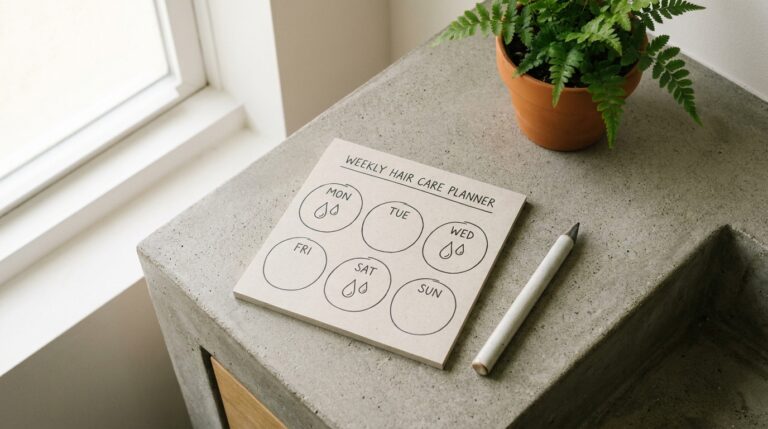
Fine hair and oily scalps generally benefit from more frequent washing, every one to two days. Thick, coarse, or very dry hair can go longer between washes, typically three to five days. Curly and coily hair types often benefit from washing once a week or less since their tightly coiled structure makes it harder for natural oils to travel down the hair shaft, and they tend to be naturally drier than other hair types. Paying attention to how your scalp actually feels and looks rather than following a fixed schedule produces the best results. The right frequency for your hair is whatever keeps your scalp feeling comfortable and clean without your hair feeling stripped or overly dry.
Rinse More Thoroughly Than You Think
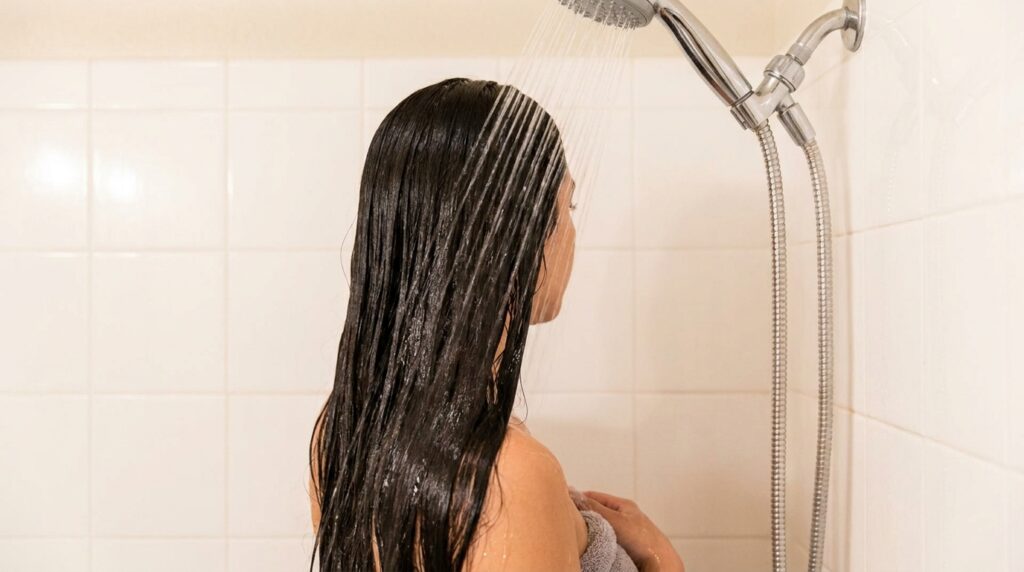
Inadequate rinsing is one of the most underappreciated contributors to dull, heavy, and poorly behaved hair. Shampoo and conditioner residue left in the hair after washing sits on the hair surface, attracts dirt, makes the hair feel heavy and coated, and prevents styling products applied afterward from working as well as they should. Most people rinse for about half as long as they actually need to.
After shampooing, rinse until the water runs completely clear and the hair no longer feels slippery or soapy between the fingers. After conditioning, rinse until the hair feels clean rather than coated, keeping in mind that some conditioners are designed to be partially left in, so knowing whether yours is a rinse-out or leave-in formula matters. When in doubt, rinse for longer. The hair should feel clean and slightly squeaky rather than soft and slippery at the end of the rinse. If your hair consistently feels heavy or product-y after washing, inadequate rinsing is usually the culprit.
Dry Your Hair Gently
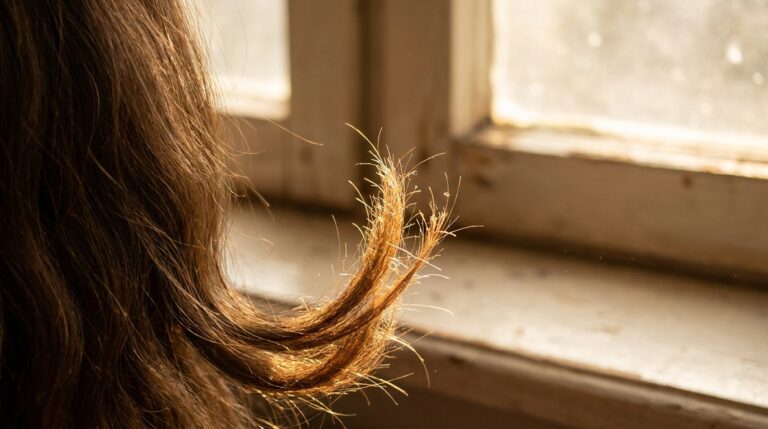
How you handle your hair immediately after washing has a significant impact on how it behaves for the rest of the day, and the most common post-wash mistake is one of the most damaging. Rubbing hair vigorously with a regular bath towel creates significant friction against the cuticle, physically roughening it and creating the conditions for maximum frizz before any styling has even begun.
Switch to a microfiber towel or an old cotton t-shirt and gently squeeze and press moisture from the hair rather than rubbing it. This removes excess water without the cuticle disruption that rough towel drying causes. After gently removing excess water, apply leave-in conditioner or any styling products while the hair is still damp rather than waiting for it to dry, since damp hair absorbs products more effectively than dry hair. Wrapping a microfiber towel around the hair in a turban style for five to ten minutes while you do other things removes a significant amount of water with zero friction, which is one of the gentlest post-wash techniques available.
The Products You Use Matter
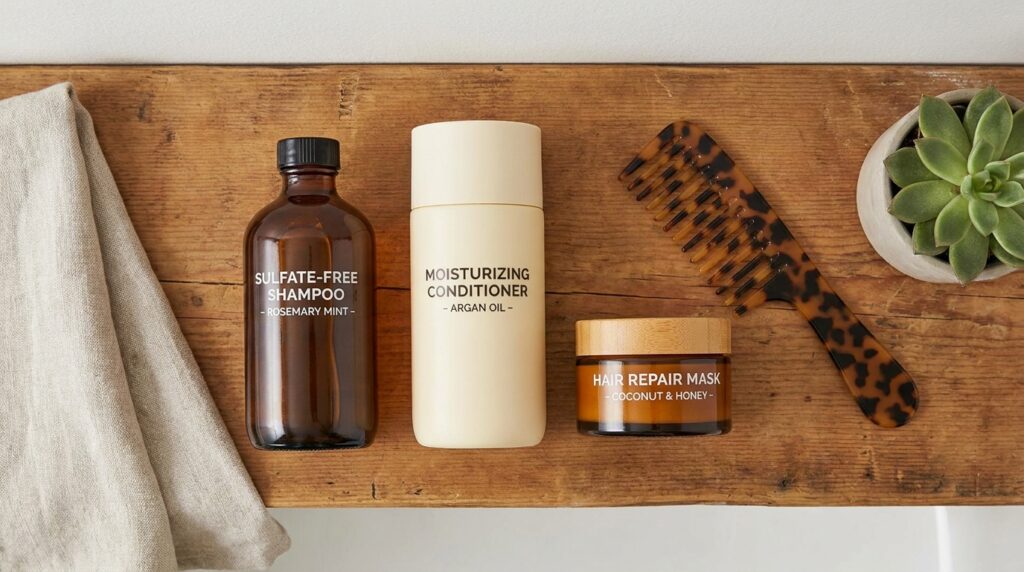
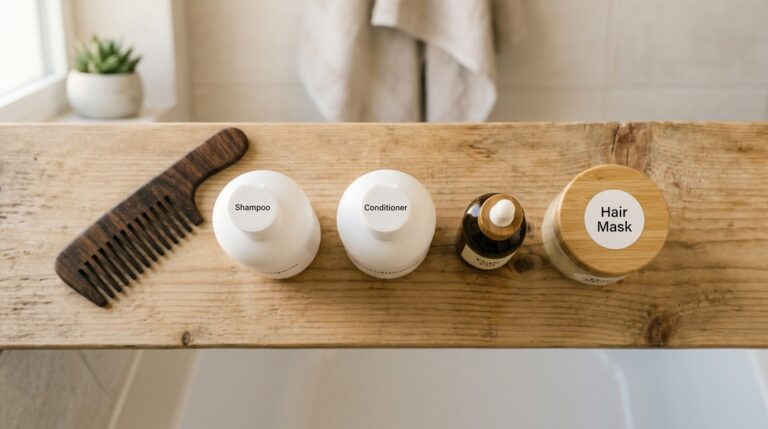
Even the most technically perfect washing routine produces limited results if the products being used aren’t suited to the hair’s actual needs. Product choice matters at every stage of the wash, from the shampoo and conditioner through to any treatments or masks used during the wash. Using products that aren’t matched to the hair type, porosity, or current condition means the technique improvements described in this guide won’t produce their full potential benefit.
Switching one product at a time rather than changing everything simultaneously makes it easier to identify what’s actually working and what isn’t. Start with the shampoo since it sets the foundation for everything that comes after, then address the conditioner, and then consider any additional treatments. Reading ingredients rather than marketing claims produces better purchasing decisions, since many products marketed for specific hair types contain the same ingredients as products marketed for the opposite type. The ingredients list is always more informative than the front of the bottle.
Give Your Hair a Weekly Treatment
Adding a weekly deep conditioning treatment or hair mask to your wash day routine is one of the most impactful upgrades you can make beyond the basics. Regular conditioner used briefly during a standard wash provides surface-level conditioning that benefits the hair in the short term. A deep treatment applied once a week and left on for twenty to thirty minutes delivers sustained moisture and strengthening ingredients that penetrate the hair shaft more deeply and produce improvements that accumulate over time.
Apply the treatment to clean damp hair after shampooing, cover with a shower cap to trap warmth and help the product penetrate, and leave it on while you do something else rather than rinsing immediately. The difference in how the hair feels and behaves after several weeks of consistent weekly treatments compared to skipping this step entirely is significant enough that most people who add it to their routine consider it one of the best hair decisions they made.
Frequently Asked Questions
How often should I wash my hair?
It depends on your hair type, scalp condition, and lifestyle. Fine or oily hair typically benefits from washing every one to two days. Medium hair every two to three days. Thick, dry, or curly hair can often go three to five days or longer between washes. There’s no universal right answer, and paying attention to how your own scalp and hair feel and look is the most reliable guide.
Is cold water really better for hair?
Yes, specifically for the final rinse. Cold water closes the hair cuticle after washing, which seals in the moisture from conditioning and produces a smoother, shinier result than rinsing with warm water. You don’t need to wash in cold water throughout, just finishing with a cooler rinse produces a meaningful improvement.
Should I shampoo twice every time?
If you wash every few days, yes. The first shampoo loosens buildup and the second actually cleanses. If you wash daily, a single shampoo is usually sufficient since there’s less accumulated buildup to remove. If your hair feels completely clean and your shampoo lathers well on the first application, a second round may not be necessary.
Why does my hair feel dry after washing?
The most common causes are water that’s too hot, a shampoo that’s too stripping for your hair type, not enough conditioner or conditioner applied incorrectly, inadequate rinsing that leaves residue, or rough towel drying after washing. Addressing each of these factors systematically usually resolves post-wash dryness within a few washes.
Can I use conditioner every time I wash?
Yes, and for most hair types you should. The exception is very fine hair that tends to get weighed down easily, in which case a lighter conditioner applied only to the ends, or an occasional wash without conditioner using a co-wash instead, may work better. For most hair types, conditioner every wash day is the right approach.
Does the order of products in the shower matter?
Yes. Shampoo always comes before conditioner. If you use a hair mask or deep conditioner, it replaces the regular conditioner rather than being added on top of it. Leave-in conditioner and styling products go on after the shower on damp hair rather than in the shower. Getting this sequence right ensures each product can do its job without being undermined by what comes before or after it.